
Last updated September 20, 2026
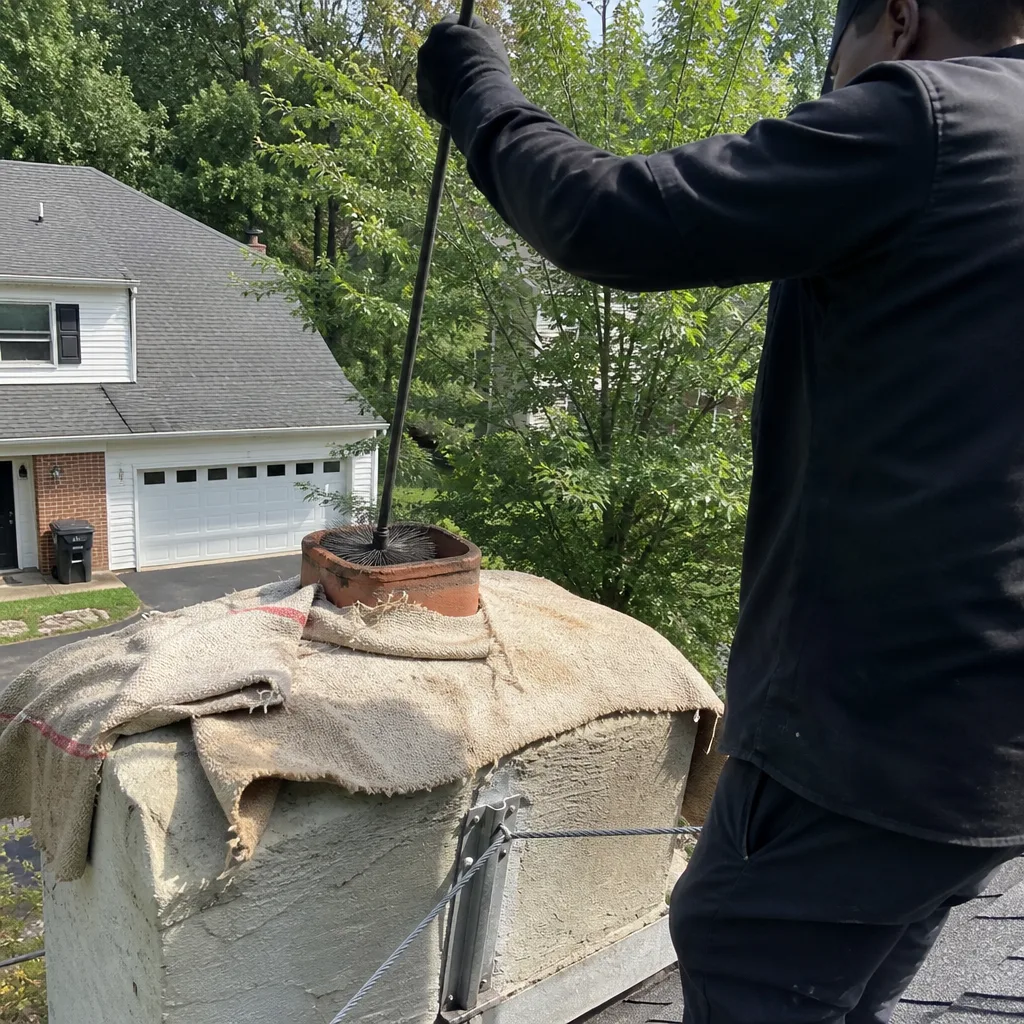
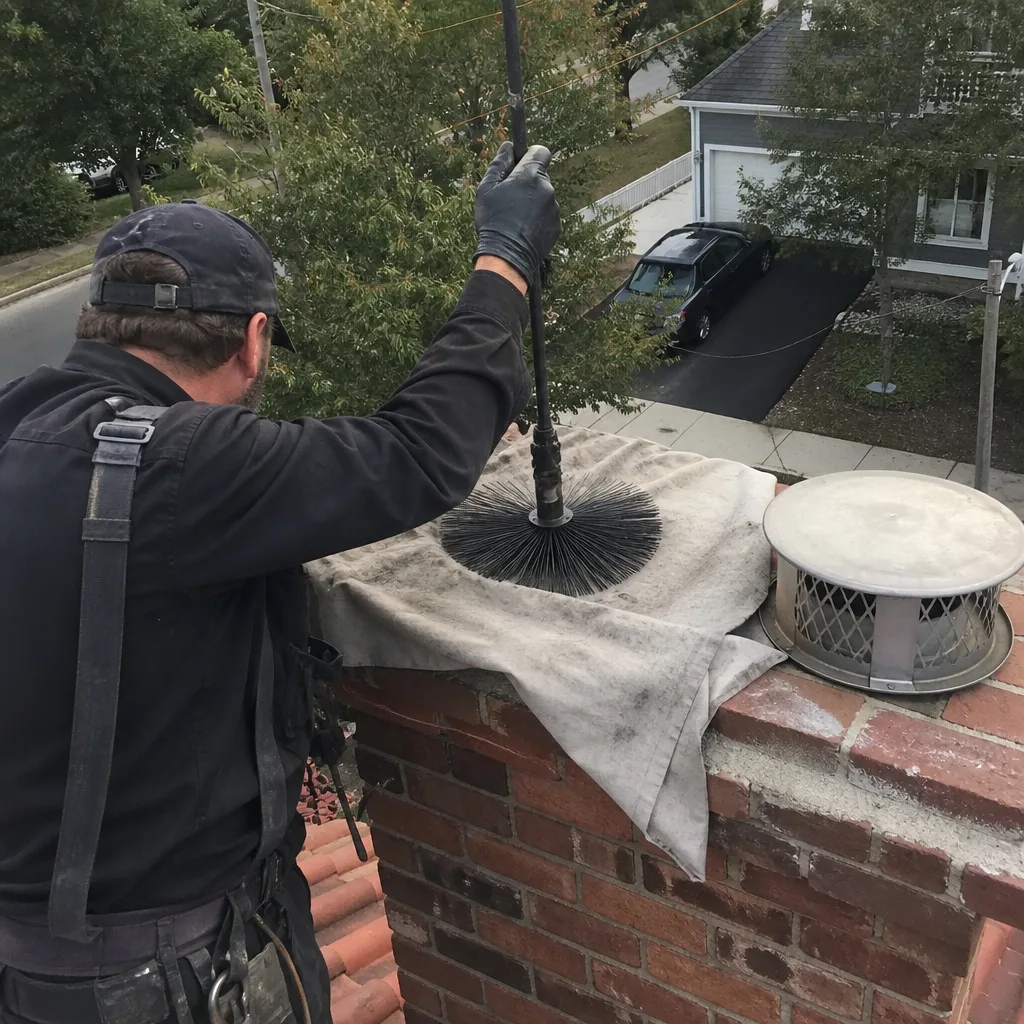
Level 1 sweep and inspection to the NFPA 211 annual standard - flue, crown, cap, and flashing checked and photographed
Chimney sweep logs do not sweep chimneys. They loosen some creosote - which then falls where a brush and vacuum still have to collect it.
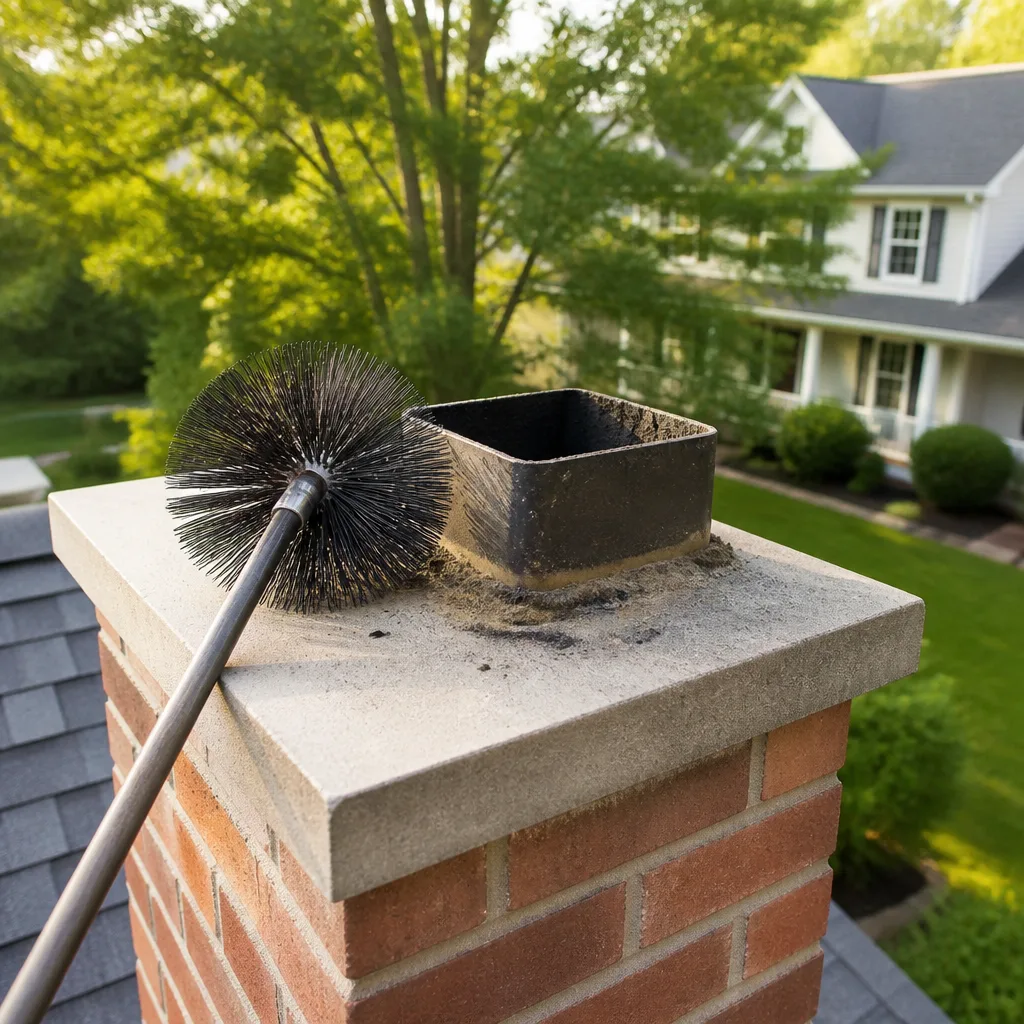
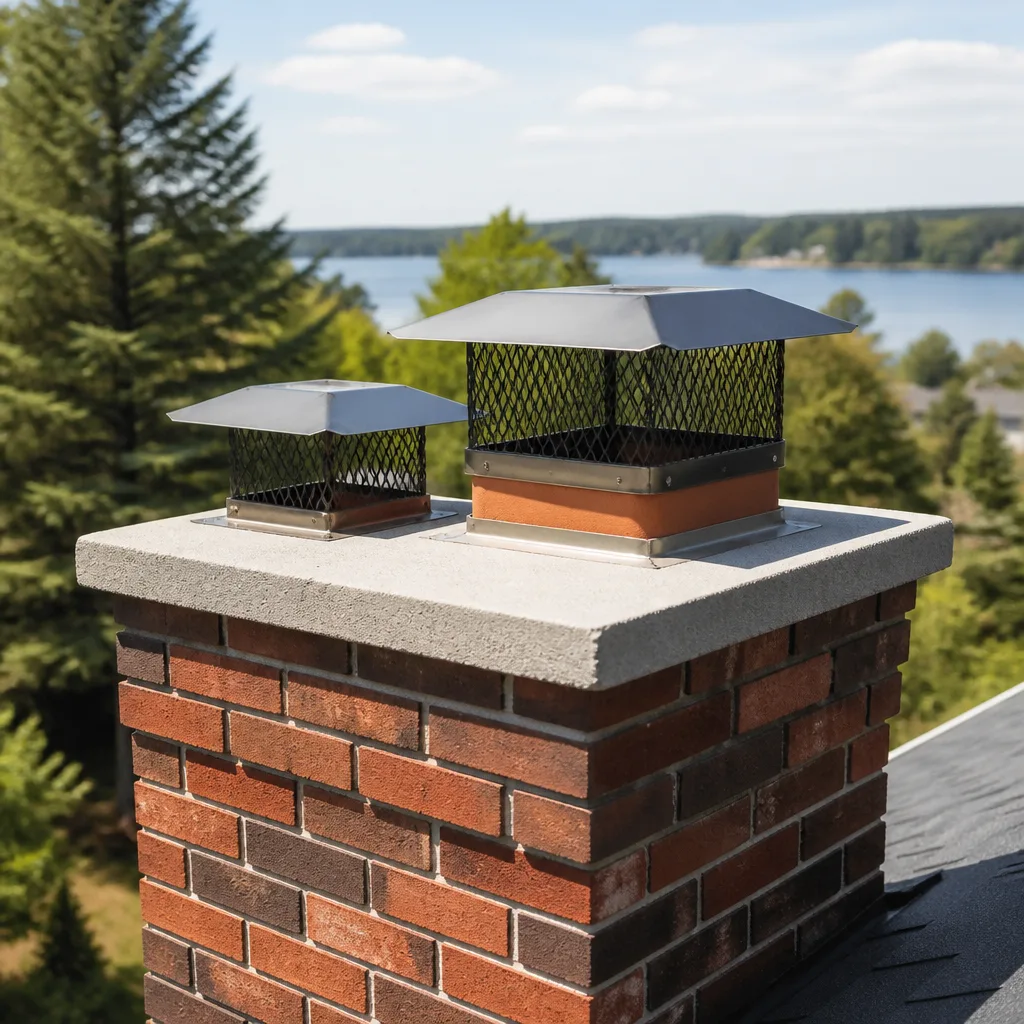
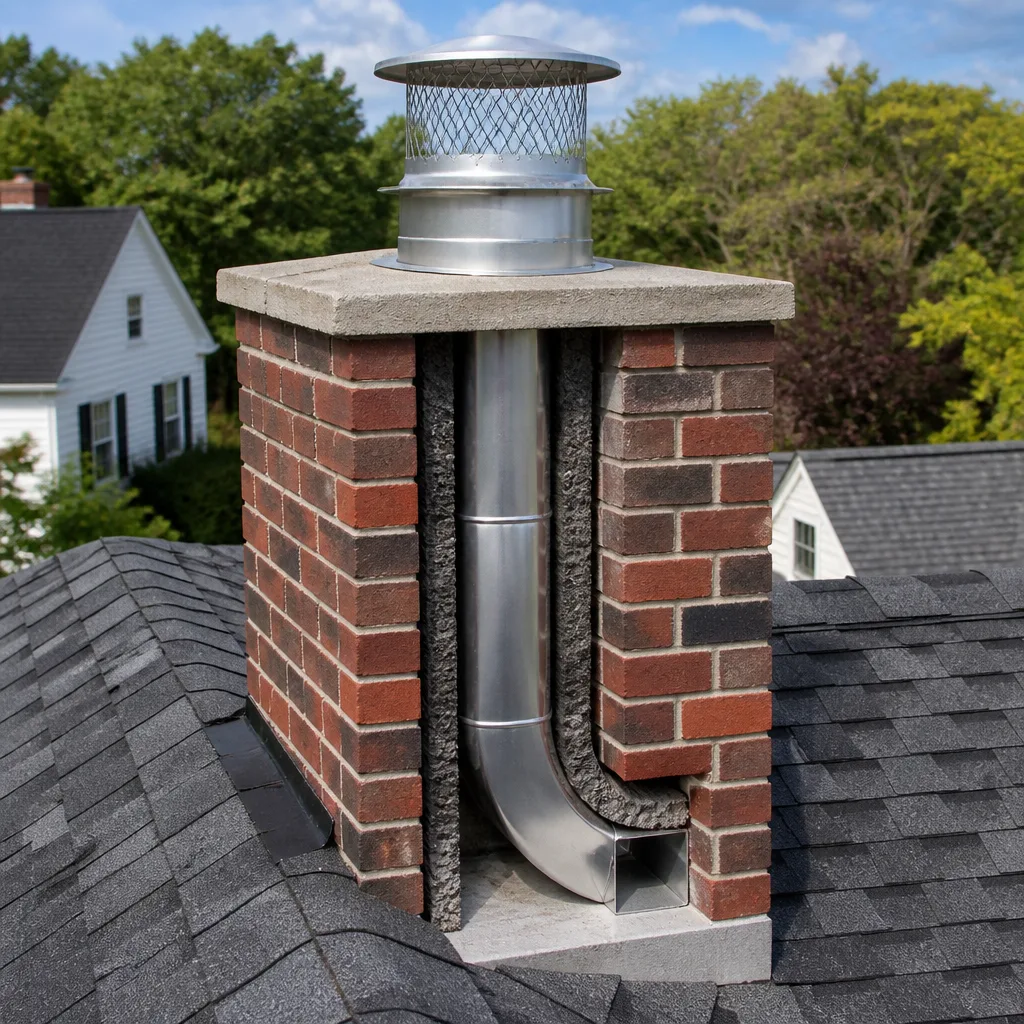
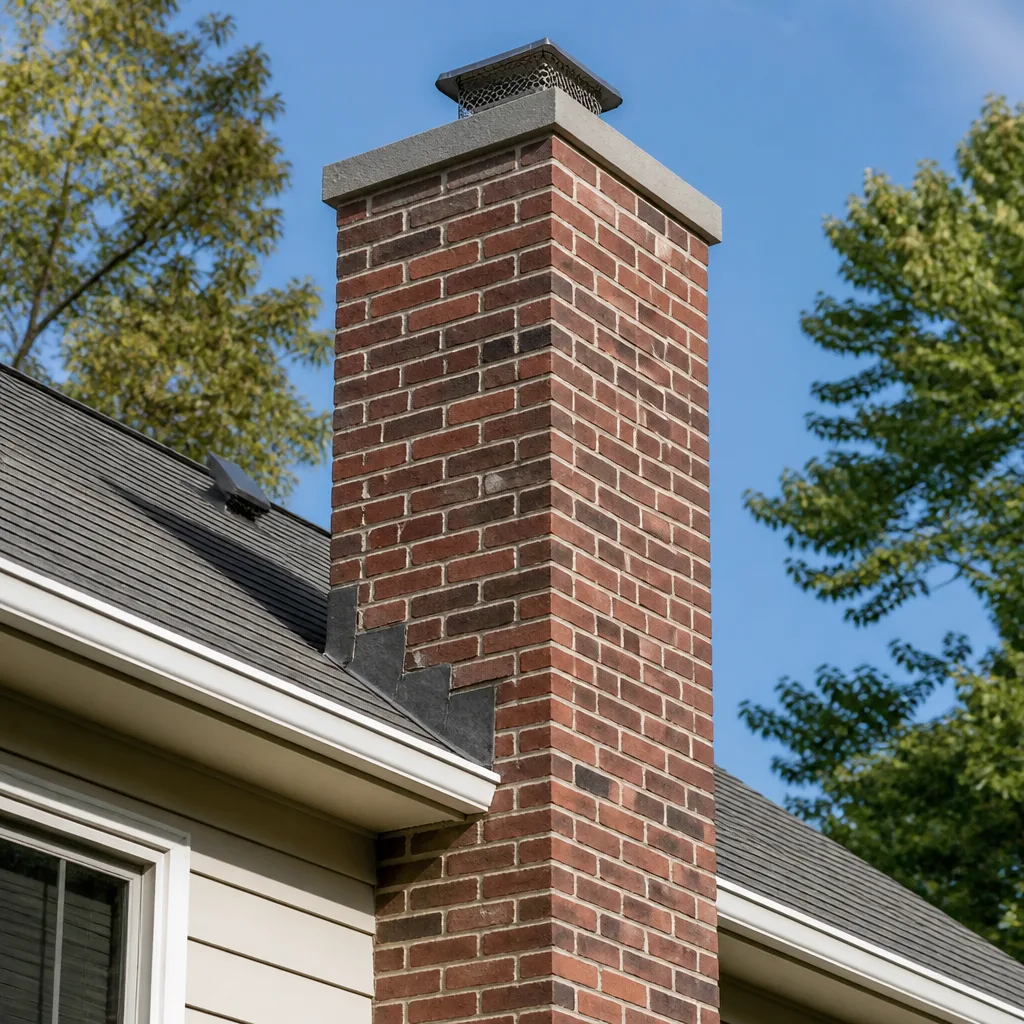
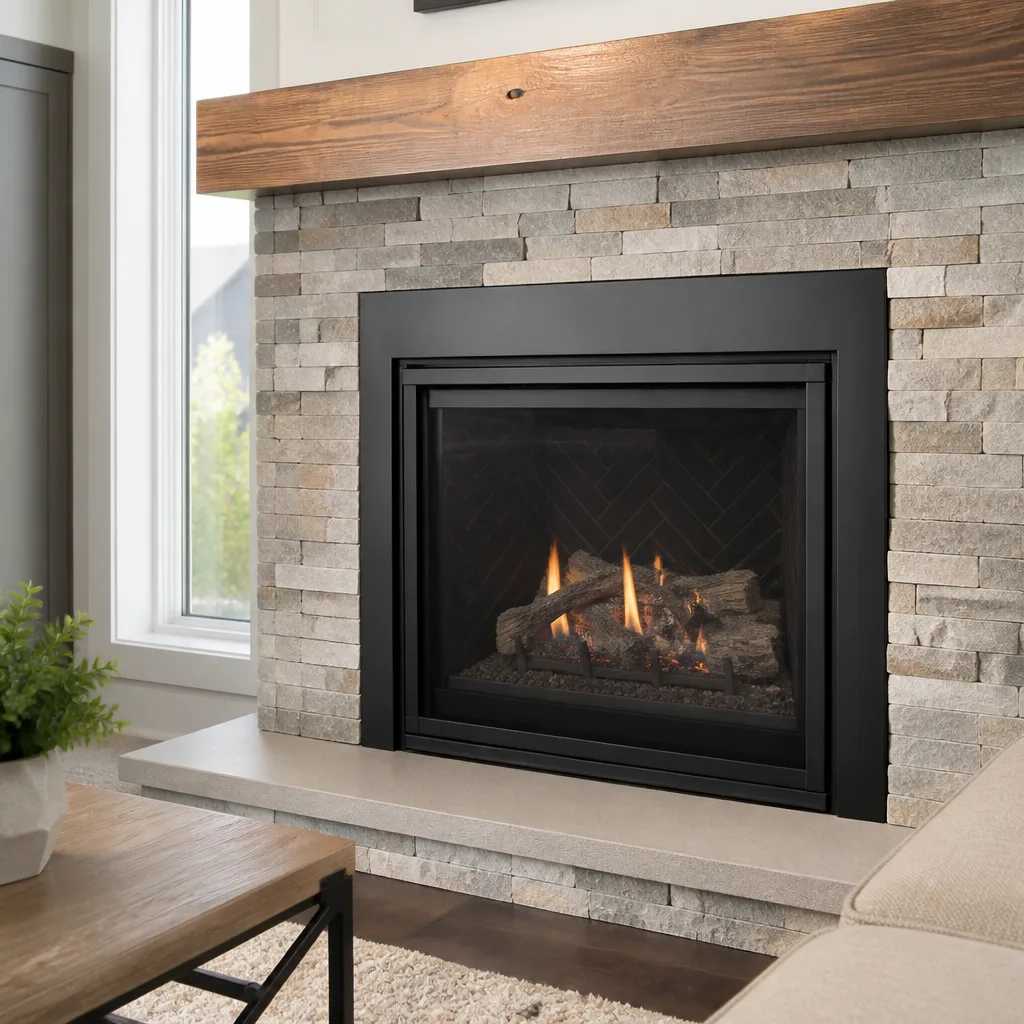
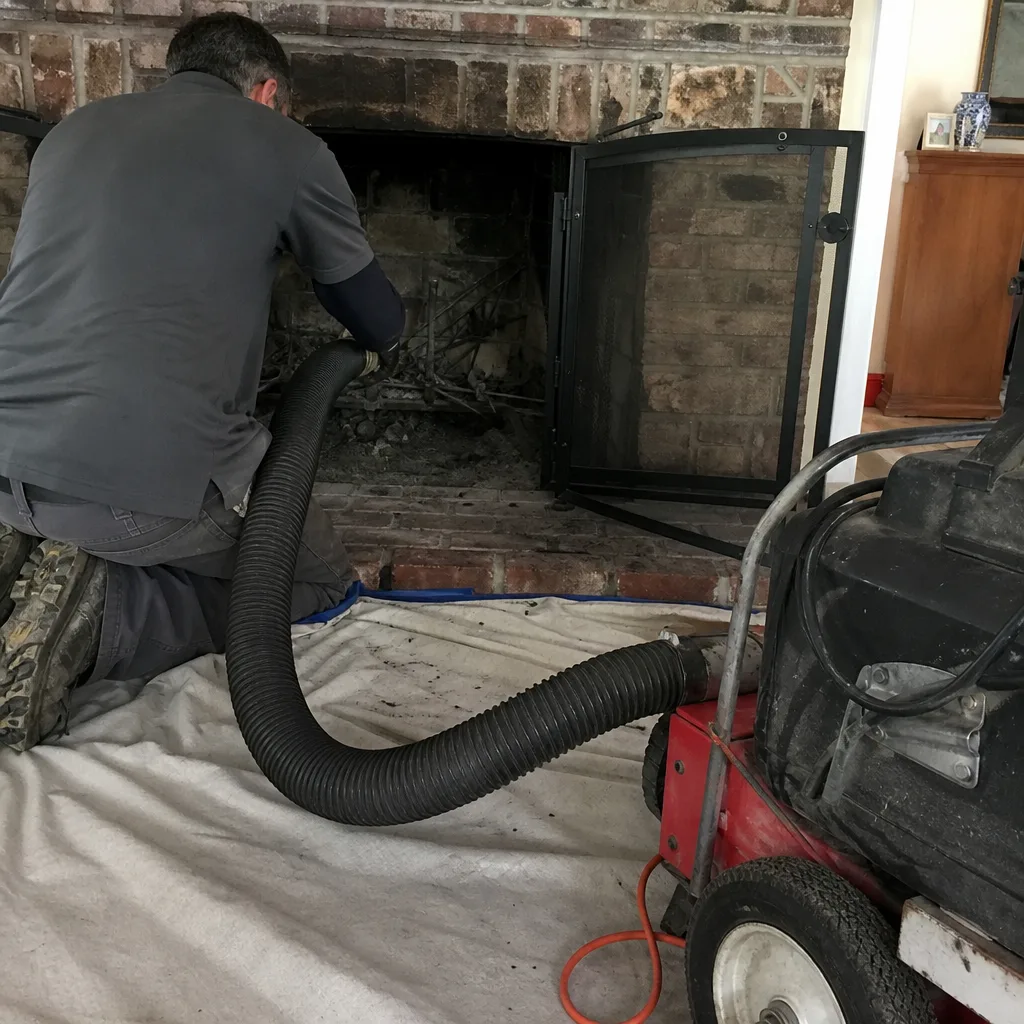 Before
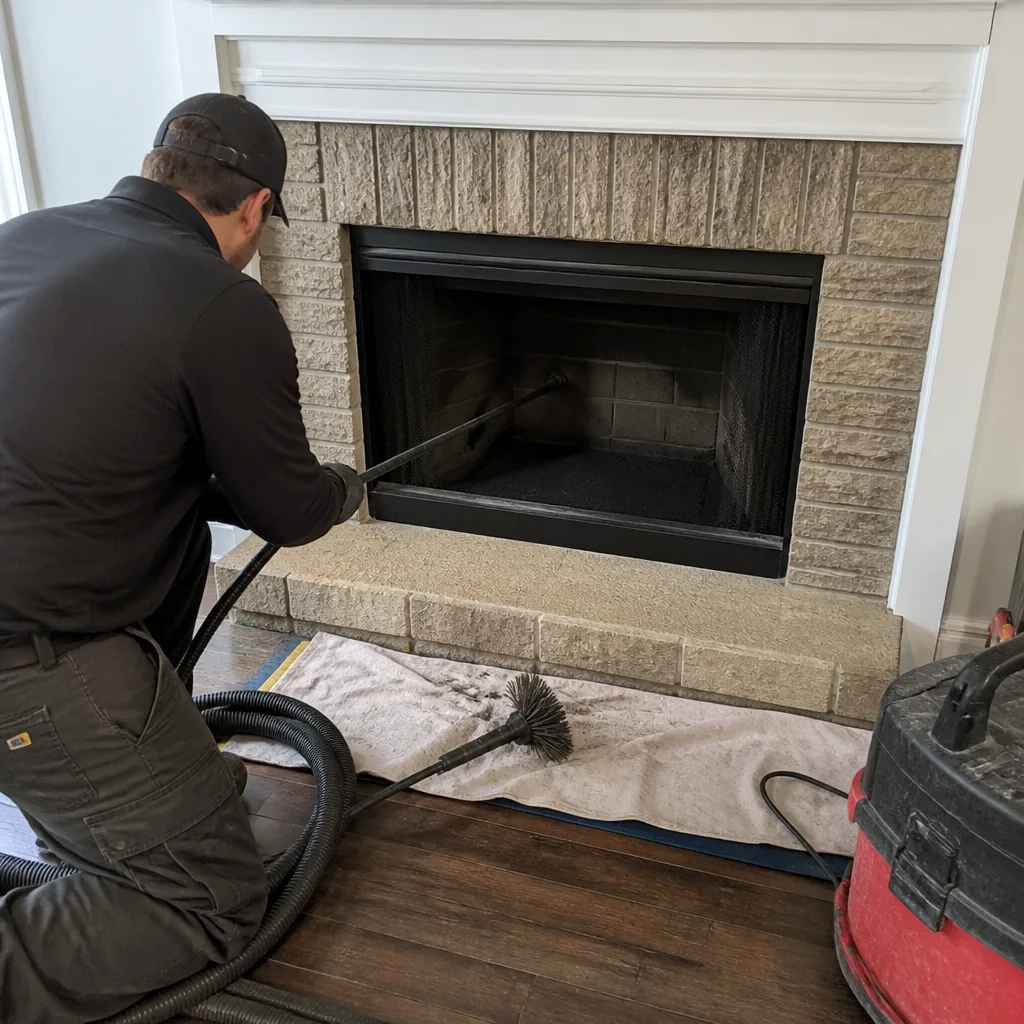 After
After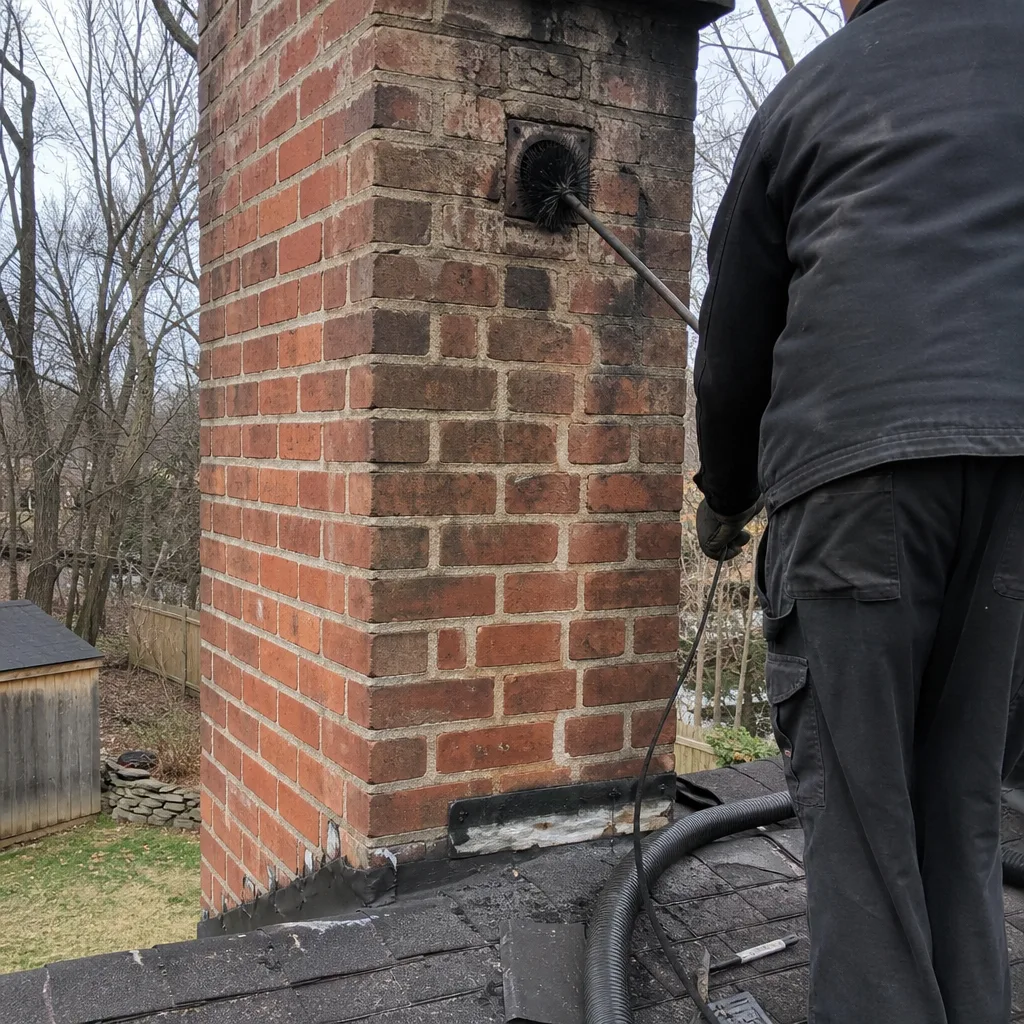 Before
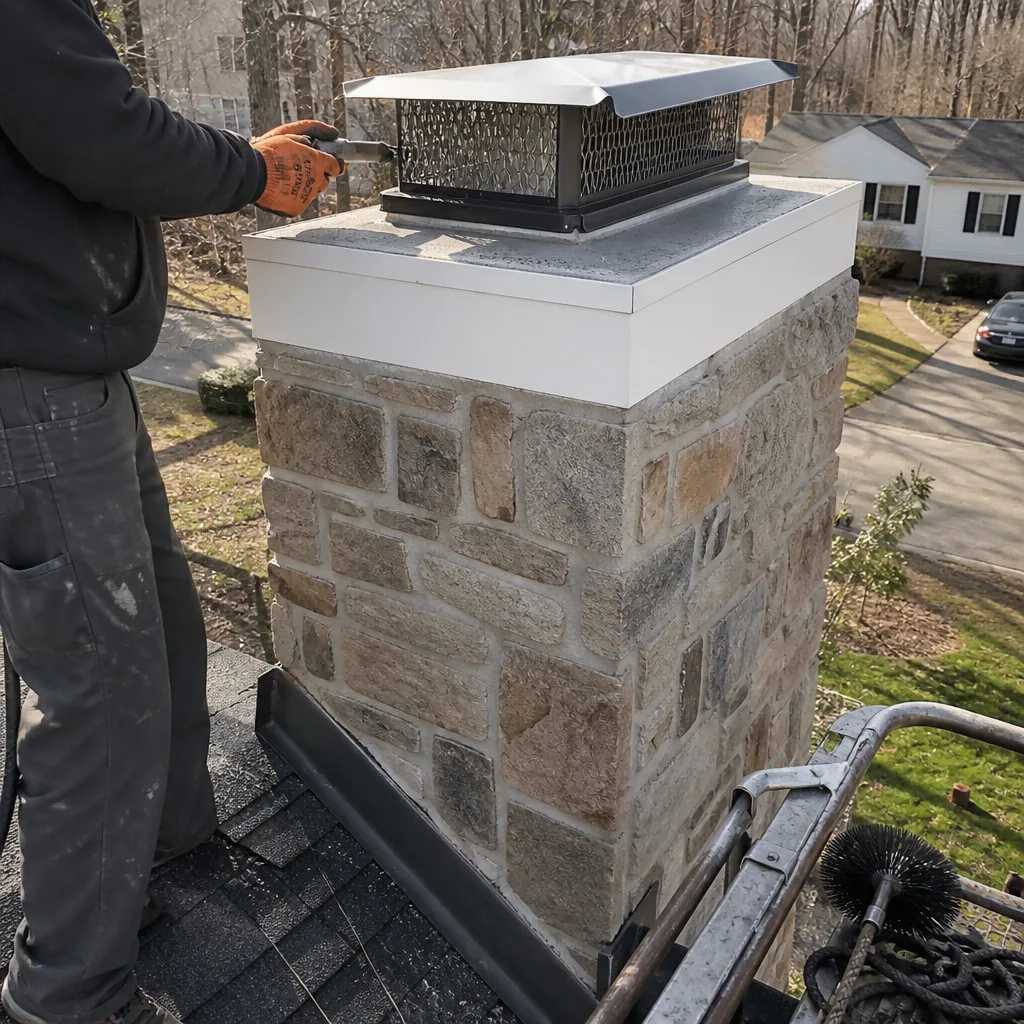 After
After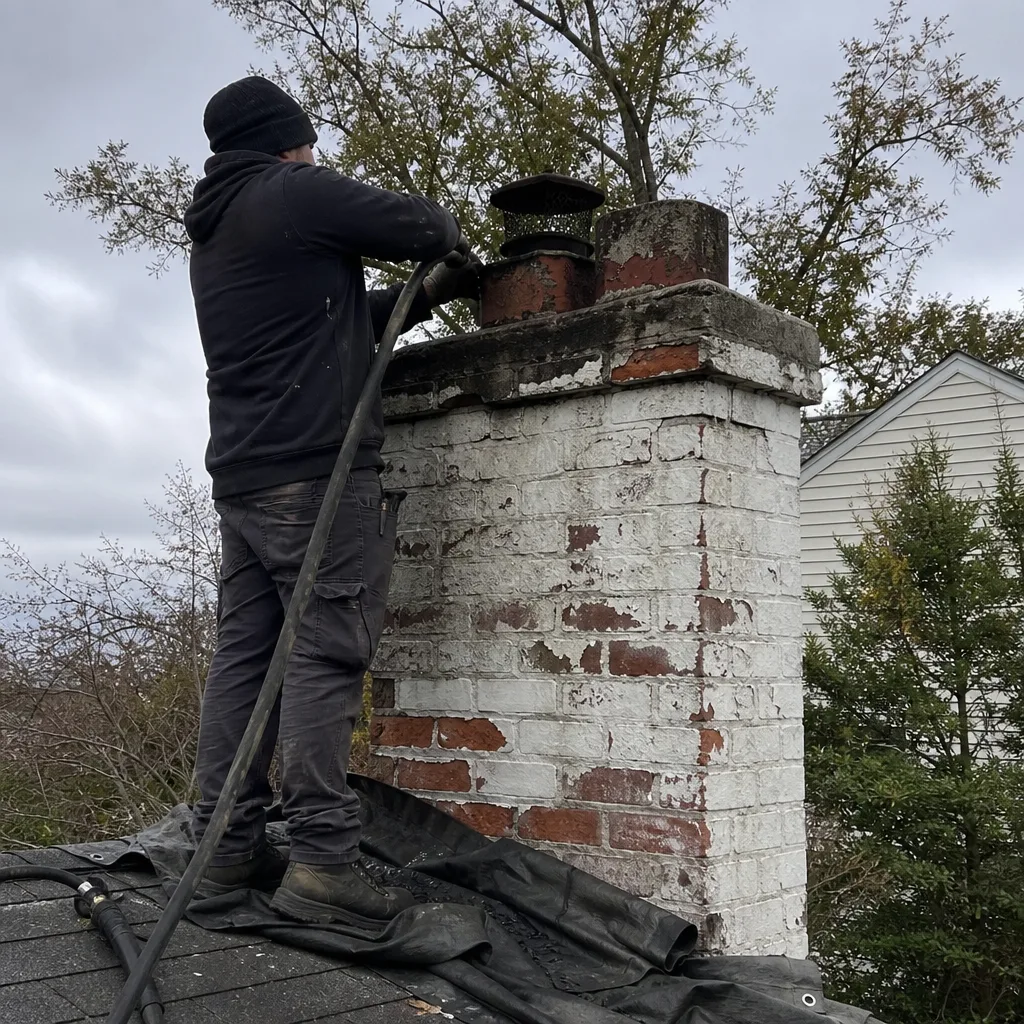 Before
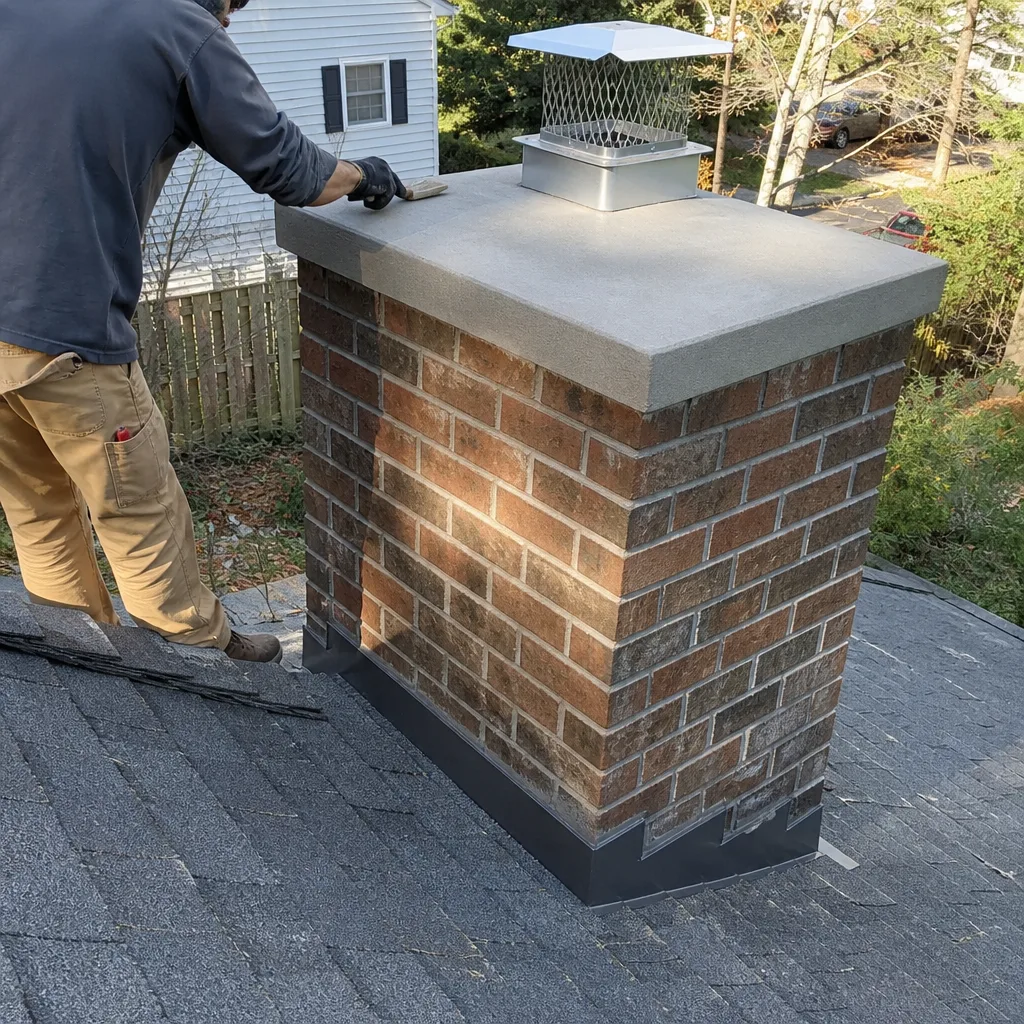 After
AfterChimney Cleaning & Sweep Maintenance Checklist for Alexandria Homeowners
Most published chimney checklists tell you to “look for cracks” as if that’s something you can actually do from your living room. Here’s the problem: Stage 2 creosote and hairline flue fractures are both invisible to the naked eye from a firebox opening, which is the only angle most Alexandria homeowners ever see. This guide fixes that. We’ve separated what you can genuinely observe between service visits from what only a camera scan can verify, and every item on this checklist carries a consequence, not just a task. If you own a home in Alexandria with a fireplace or wood stove, this is the maintenance framework we use with our own customers.
Quick Answer
A chimney maintenance checklist for Alexandria homeowners has two tiers: monthly visual checks you can do yourself at the firebox level (odor, draft behavior, visible soot, smoke rollout) and annual professional inspection that requires camera documentation of the flue liner, smoke chamber, and crown. The professional Chimney Cleaning & Sweep should include an NFPA 211 Level 2 camera scan, a written price before work starts, and a documented photo record when the job is done. In Alexandria’s climate, schedule the professional visit in late summer or early fall, before burning season begins.
Table of Contents
- What You Can Actually Check Yourself (and What You Can’t)
- The Monthly Firebox-Level Checklist for Alexandria Homes
- What Only a Camera Scan Can Verify: The Flue, Smoke Chamber, and Crown
- Seasonal Checkpoint Timing for Alexandria’s Shoulder Seasons
- Documentation Checklist: What Written Records You Should Hold After Every Service Visit
- What Your Sweep’s Own Checklist Should Include (and How to Ask for It)
- Common Mistakes to Avoid
- When to Call a Professional
- Frequently Asked Questions
- The Bottom Line
BeforeAfterWhat You Can Actually Check Yourself (and What You Can’t)
Let’s draw the line clearly, because it’s the line most chimney guides blur. From your firebox opening, you can see roughly eighteen inches up the throat and the first section of flue tile. That’s it. The remaining twenty to thirty feet of flue liner, the entire smoke chamber, and the crown at the roofline are physically out of sight from the firebox. Anyone who tells you to “inspect your chimney” from the living room is describing a visual sweep of the firebox, not an inspection of the chimney.
Here’s the honest breakdown of what you can and cannot verify without equipment:
- You can check: visible soot buildup in the firebox, odor when the damper is open, draft behavior on a cool day, smoke rollout when lighting a fire, water stains on the ceiling near the chimney, and rust on the damper hardware.
- You cannot check: creosote classification (Stage 1, 2, or 3), hairline cracks in flue tiles, gaps in mortar joints, spalling brick on the exterior crown, liner deterioration, or blockages mid-flue like a bird nest or fallen debris.
- Why this matters: Stage 2 creosote is the point where a chimney fire becomes a real risk, and it looks like shiny black tar flakes. You cannot see it from the firebox. The only way to document it is with a camera run down the flue, which is exactly what a Chimney Cleaning & Sweep in Alexandria should include as standard.
In our experience sweeping thousands of Alexandria chimneys, homeowners who log the observable items monthly catch problems earlier, but they never substitute self-observation for the camera documentation, as covered in our Chimney Cleaning Warning Signs: A Alexandria Homeowner’s Reference Guide. The two work together. What you see at the firebox level tells you when to call. What the camera sees tells you what needs to be done.
The Monthly Firebox-Level Checklist for Alexandria Homes
These are the items you can check from inside your home, without a ladder, in about ten minutes. Log them in a notebook or note on your phone. A pattern over three or four months is more useful than a single observation.
- Odor check with damper open: Stand near the firebox on a humid day, which Alexandria gets plenty of from May through September. A strong campfire smell when the fireplace hasn’t been used in weeks often means creosote buildup absorbing moisture. A musty or sharp smell can signal water entry or an animal in the flue. Log the date, weather, and intensity.
- Draft behavior on a cool morning: Open the damper and hold a single strip of toilet paper at the firebox opening. If it pulls inward, draft is working. If it hangs limp or pushes back into the room, you have a draft reversal. In Alexandria’s brick rowhouses and older colonials, pressure differences from kitchen exhaust fans or upper-floor windows are the usual culprit, but a blocked flue can do the same thing.
- Smoke rollout timing when lighting a fire: Light one sheet of newspaper rolled into a torch and hold it at the opening. Smoke should go up the flue within ten seconds. If it rolls back into the room after thirty seconds or more, the flue is cold and reversing, or something is restricting the passage. Log how long it takes and whether it happens every time.
- Visible soot thickness in the firebox: Run a finger along the back wall of the firebox below the damper. A light dusting is normal. A layer you can scrape with a fingernail after one season means you’re burning unseasoned wood or the draft is too weak. Either will accelerate creosote buildup higher up where you can’t see it.
- Water stains on the ceiling or wall near the chimney: Alexandria’s freeze-thaw cycles, especially the January-March stretch, are hard on chimney crowns and flashing. Brown rings on the ceiling within three feet of the chimney chase are a sign water is entering somewhere. It may be the crown, the flashing, or cracked brick at the roofline.
Keep this log simple. Five items, ten minutes, once a month. The point isn’t to diagnose anything, it’s to have a baseline. When a sweep asks “how has the chimney been behaving,” you’ll have answers that mean something. For deeper context, see The Complete Guide to Chimney Cleaning in Alexandria.
What Only a Camera Scan Can Verify: The Flue, Smoke Chamber, and Crown
This is the part of the checklist that requires professional equipment and a trained eye. An NFPA 211 Level 2 inspection uses a camera run through the full length of the flue, from firebox to crown. Since 2009, every job we’ve completed has included this scan and a documented photo record, a practice that later became Clause 4 of the Haven Standard. The reason is simple: you cannot trust what you cannot see, and neither should you.
Here’s exactly what the camera documentation should verify on every professional visit, and what each finding means for Alexandria homeowners:
- Creosote classification (Stage 1, 2, or 3): Stage 1 is a light, flaky soot, normal after a season of burning. Stage 2 is the shiny black tar flakes that ignite readily and cause most chimney fires. Stage 3 is a thick, hardened glaze that often requires chemical treatment before mechanical brushing can remove it. A professional chimney sweep in Alexandria should state the stage in writing on your report.
- Flue liner condition (clay tile, metal, or cast-in-place): Hairline cracks in clay tiles are the most common finding we document in Alexandria’s older housing stock, particularly in Del Ray and Old Town homes built before 1970. A cracked tile exposes the brickwork behind it to heat and gas, and it cannot be repaired with a brush; it requires a liner repair or replacement. Camera footage shows the exact location and extent.
- Smoke chamber integrity: The smoke chamber is the angled section above the firebox where smoke compresses before entering the flue. If the mortar joints are eroded or missing, the chamber is rough and catches smoke, which becomes creosote. Most sweeps never mention it because you can’t see it without the camera. Ask for it specifically.
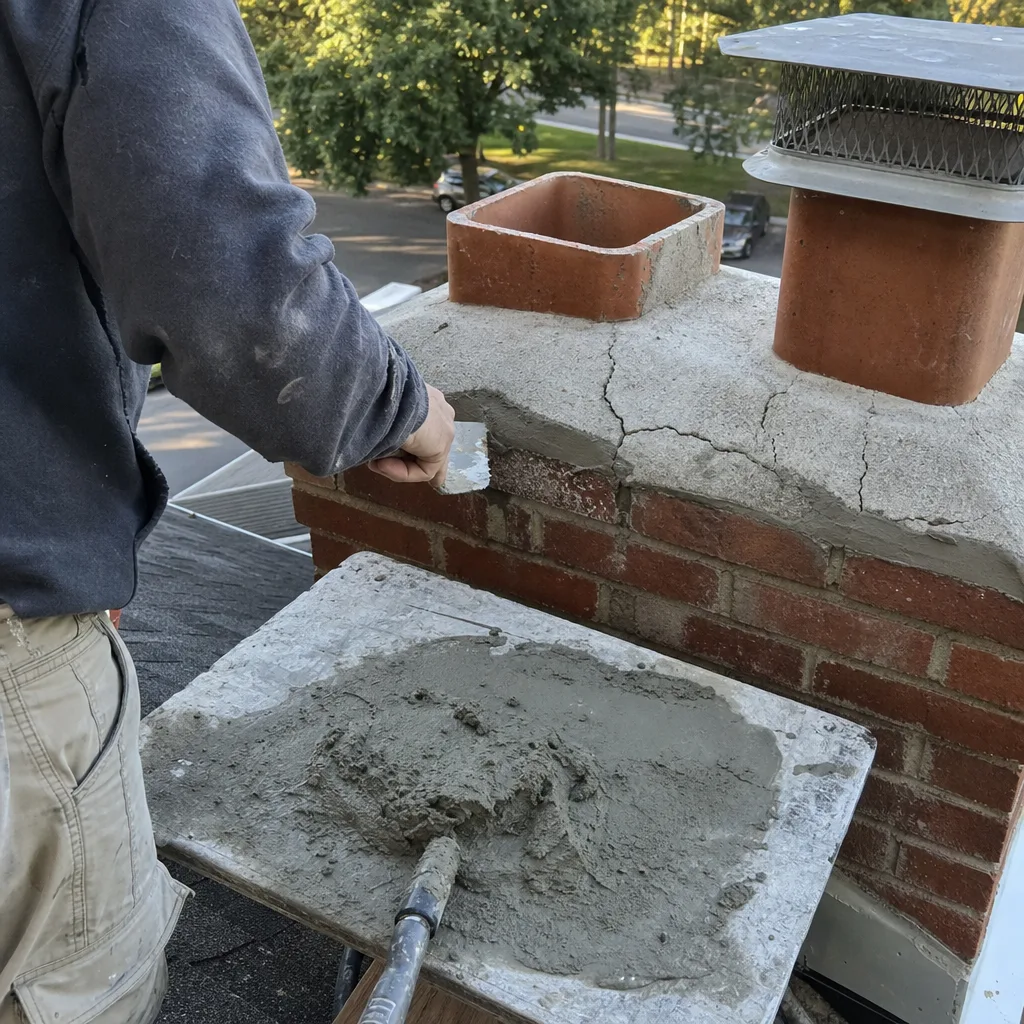
- Crown and cap condition at the roofline: Alexandria’s freeze-thaw cycles cause micro-cracking in concrete crowns, which then widens each winter. A compromised crown lets water into the brick, and water plus freezing temperatures equals spalling brick and liner damage. The camera should capture the crown from above with the technician on the roof.
- Blockages and animal entry: Squirrels, raccoons, and birds all find their way into uncapped or damaged chimneys in Alexandria. A camera scan identifies nests, debris, and the condition of the cap, which should have a proper spark arrestor.
If your sweep does not include a camera scan as standard, that’s the point at which you should ask why. A flashlight inspection from the firebox up is a partial view, and a partial view means a partial answer. The whole structure of honest chimney maintenance rests on documentation you can look at with your own eyes after the job is done.
Seasonal Checkpoint Timing for Alexandria’s Shoulder Seasons
Alexandria’s climate dictates when each maintenance task makes sense. We’re in the humid subtropical zone, with hot, muggy summers, cool shoulder seasons, and winters that hover around freezing just often enough to stress masonry. Here’s the seasonal rhythm we recommend for chimney owners in Alexandria:
Late August through September: Schedule the professional sweep. This is the window. Burning season starts in October for most Alexandria households, and every sweep company in the metro area books solid from September through December. Scheduling in late August means you’re ahead of the rush, you get your written price and camera documentation before the first cold snap, and you’re not waiting three weeks with a cold fireplace in November.
October: First burn and observation. Light your first small fire of the season and run the monthly firebox checklist with particular attention. Log smoke rollout timing, any odor, and draft behavior. If anything is off, you still have time to call before the holidays.
November through February: Monthly firebox checks. Burning season is when creosote accumulates fastest, especially in Alexandria homes that burn wood every weekend. Keep the monthly log going. Water entry signs are also most visible during this stretch thanks to rain and the occasional snow followed by thaw.
March through April: Post-season assessment. After the last fire, do a final firebox check and note the soot level. This is also the best time to schedule any masonry repair work that the camera documentation flagged in the fall, since Chimney Repair in Alexandria work is easier and quicker in mild weather before summer heat sets in.
May through July: Off-season monitoring. Humidity is the variable here. Alexandria summers are sticky, and that moisture interacts with creosote to produce odor. If you smell a strong campfire smell on a humid day with the damper closed, that’s a sign a cleaning was overdue or the damper isn’t sealing. This is when Fireplace Services in Alexandria like damper repair or replacement make sense to schedule.
Documentation Checklist: What Written Records You Should Hold After Every Service Visit
A chimney maintenance checklist isn’t complete until it includes the paper trail. Every professional service visit should leave you with written documentation you can file. Here’s the checklist of what to ask for and keep, because it matters for insurance claims and for resale disclosure when you eventually sell your Alexandria home.
- Written scope of work before the job starts. This should state exactly what will be done: sweeping, camera inspection, cap replacement, liner repair, masonry work. No verbal summaries. If the tech can’t produce a written scope before beginning, that’s a flag. Clause 1 of the Haven Standard requires a written price, written scope, and written warranty before anyone starts, and there’s no reason a reputable company would not match that.
- Written price with a line-item breakdown. The price you agreed to should be the price on the written quote. Each item should be listed separately: sweep cost, inspection cost, any repair cost. This is what you’ll reference if there’s ever a discrepancy.
- Documented photo record from the camera scan. You should walk away with photos of the flue liner before and after cleaning, the smoke chamber, the crown, and any findings. This is not a nice-to-have. It’s the evidence that the work was done and the record of condition at the time of service. Since 2009, every job at Level Two Chimney Alexandria home has included this as standard under Haven Standard Clause 4, not as an add-on.
- Written warranty on any repair work. If a liner was installed, a crown rebuilt, or a cap replaced, the warranty should be in writing with the duration stated clearly. Materials from manufacturers like DuraFlex and Olympia Chimney carry their own specs, and you want the installer’s warranty on workmanship laid out separately.
- Technician’s name and license information. You should know who was in your home and their credential. Background-checked, uniformed technicians with license information displayed are the baseline, not the exception.
- Written recommendation for next service date. The report should state when you should schedule the next sweep based on what the camera showed and how you burn. Not a generic card, but an actual recommendation specific to your chimney.
Keep all of this in a folder, physical or digital. When you sell your Alexandria home, the buyer’s inspector will ask about the fireplace. Five years of documented service records with camera photos is a far better answer than “we had it cleaned a few times.”
What Your Sweep’s Own Checklist Should Include (and How to Ask for It)
Every professional chimney sweep works from a checklist. The question is whether that checklist is comprehensive and whether they’ll share it with you in writing. Here’s what a legitimate sweep’s checklist should cover, and how to ask for it without being difficult.
The sweep’s checklist should include:
- Flue liner condition assessment, including creosote stage and any visible cracks, gaps, or deterioration
- Smoke chamber inspection with documentation of mortar joint condition
- Firebox inspection for cracked firebrick, damaged mortar, or rusted dampers
- Damper operation test: opens fully, seals fully, and hardware is intact
- Crown condition from the roofline, including crack size and water pooling signs
- Cap and spark arrestor condition, including animal entry points
- Flashing and counterflashing inspection at the roof line
- Clearance to combustibles in the attic and around the firebox
- Draft test with the appliance operating, if applicable
When you schedule a sweep, there’s a professional way to ask for this. You say: “Can you include a written checklist of what was inspected and what you found, with photos?” Every reputable company will say yes. The companies that hesitate, or say the camera is “extra,” or can’t produce a written scope before starting, are telling you something about how they operate.
How to ask politely but firmly:
- Before booking: “Does the sweep include a camera scan and photo documentation as standard, or is that an add-on?”
- When the tech arrives: “Before you start, can I see the written scope and price?”
- After the job: “Will you walk me through the camera photos and give me a written recommendation for next service?”
These are not unreasonable questions. They’re the questions a homeowner should ask. If the answer to any of them is vague, you have the wrong company in your home.
Common Mistakes to Avoid
- Trusting a flashlight inspection instead of a camera scan. A flashlight from the firebox shows you about eighteen inches of flue. That’s not an inspection. If a sweep in Alexandria doesn’t run a camera, you’re paying for a partial view and a danger they can’t see.
- Burning unseasoned wood because it was cheap or free. Alexandria has plenty of tree work and free firewood offers, but green wood smolders, produces heavy smoke, and builds Stage 2 creosote fast. Seasoned hardwood only, split and stacked for at least six months.
- Skipping the crown because “it looked fine from the ground.” You cannot see crown cracking from the ground, and Alexandria’s freeze-thaw cycles guarantee it eventually happens. The camera scan includes the crown. If your sweep didn’t document it, it wasn’t inspected.
- Using chemical creosote logs as a substitute for sweeping. They can soften Stage 1 creosote in some cases, but they do not remove it and they do nothing for Stage 2 or 3. They’re a supplement at best, not a solution.
- Ignoring odor because “it’s an old house.” Campfire smell in summer means creosote and moisture. Musty smell means water or animals. Neither resolves itself, and both get more expensive the longer you wait.
- Not keeping service records. When it’s time to sell your Alexandria home, the buyer will ask about the fireplace. No records means you either disclose nothing (risk) or pay for a new inspection on the spot. Keep the file.
- Scheduling in December and expecting fast service. Alexandria chimney companies run weeks behind during burning season. The fall sweep should be booked in August or early September. December is for emergencies, not routine maintenance.
When to Call a Professional
Call a professional when you log any of these patterns: smoke rollout that lasts more than thirty seconds on multiple attempts, a strong odor that persists with the damper closed, water stains appearing anywhere near the chimney, visible soot accumulation you can scrape with a fingernail after a single season, or if it’s been more than twelve months since the last camera-documented sweep. If you’ve never had a camera scan done, that alone is a reason to schedule one, because it establishes the baseline condition of your flue and crown. In Alexandria, that baseline matters for insurance disclosure and resale. You can find more guides & resources on our blog. Level Two Chimney Alexandria offers free estimates in Alexandria. Call (240) 290-6726 and we’ll provide a written price before any work begins, with a documented photo record when it’s done.
Frequently Asked Questions
A standard chimney sweep with camera inspection in Alexandria typically runs between $180 and $340, depending on the flue length, creosote stage, and whether the smoke chamber needs attention. The price should be written before work starts, with each line item stated separately. Call (240) 290-6726 for an exact quote on your chimney, estimates are free and the price you’re quoted is the price you pay.
Once per year if you burn wood regularly during the season, which covers most Alexandria households. If you burn only occasionally, every two years may be sufficient, but only a camera scan can confirm whether creosote has reached Stage 2. The annual visit also documents the crown and liner condition, which matters for insurance and resale.
Creosote accumulates. At Stage 2, it’s a fire hazard in your flue that a single hot fire can ignite. At Stage 1, skipping a year just means the next cleaning takes longer and costs more, but the real risk is Stage 2 going undetected. Without a camera scan, you won’t know which stage you’re at. Skipping the sweep means skipping the documentation, and that’s where the hidden risks live.
Not every crack requires a full replacement. Hairline cracks in clay tile can sometimes be addressed with a resurfacing product like HeatShield, while larger gaps or deterioration usually require a new liner from manufacturers like DuraFlex or Olympia Chimney. The only way to know is the camera footage. A written report should show you the exact images and explain the recommendation in plain terms, and you should never feel pressured to decide on the spot.
You can attempt it, but you should not. A brush from the firebox upward misses the entire flue section you can’t see, and climbing on an Alexandria roof in the fall is dangerous. More importantly, a DIY brushing gives you no documentation of the flue condition. You’ll know you loosened some soot and nothing else. A camera-documented sweep shows you what’s actually there.
Ask three things: does the sweep include a camera scan as standard, will I receive a written price and scope before work begins, and will I walk away with a photo record of the flue, smoke chamber, and crown. If the answer to any of these is vague or the price seems too good to be true, keep looking. Call (240) 290-6726 for a sweep that includes all three as standard.
The Bottom Line
A chimney maintenance checklist has two tiers. The monthly firebox check, which you can do yourself in ten minutes, logs odor, draft, smoke rollout, soot, and water signs. The annual professional sweep, which requires camera documentation, verifies the flue liner, smoke chamber, crown, and cap, and leaves you with a written record. These two tiers work together, and neither replaces the other. In Alexandria’s climate, schedule the professional sweep in late August or September, keep your monthly logs through burning season, and file every piece of paper you receive. The point of the checklist isn’t the tasks, it’s the consequences. Each item exists because something specific goes wrong if you skip it.
Call (240) 290-6726 for a free estimate on your chimney cleaning in Alexandria, and we’ll provide a written price before any work begins.
Written by Corrine Halstead, Owner at Level Two Chimney Alexandria, serving Alexandria since 2009.