
Last updated September 20, 2026
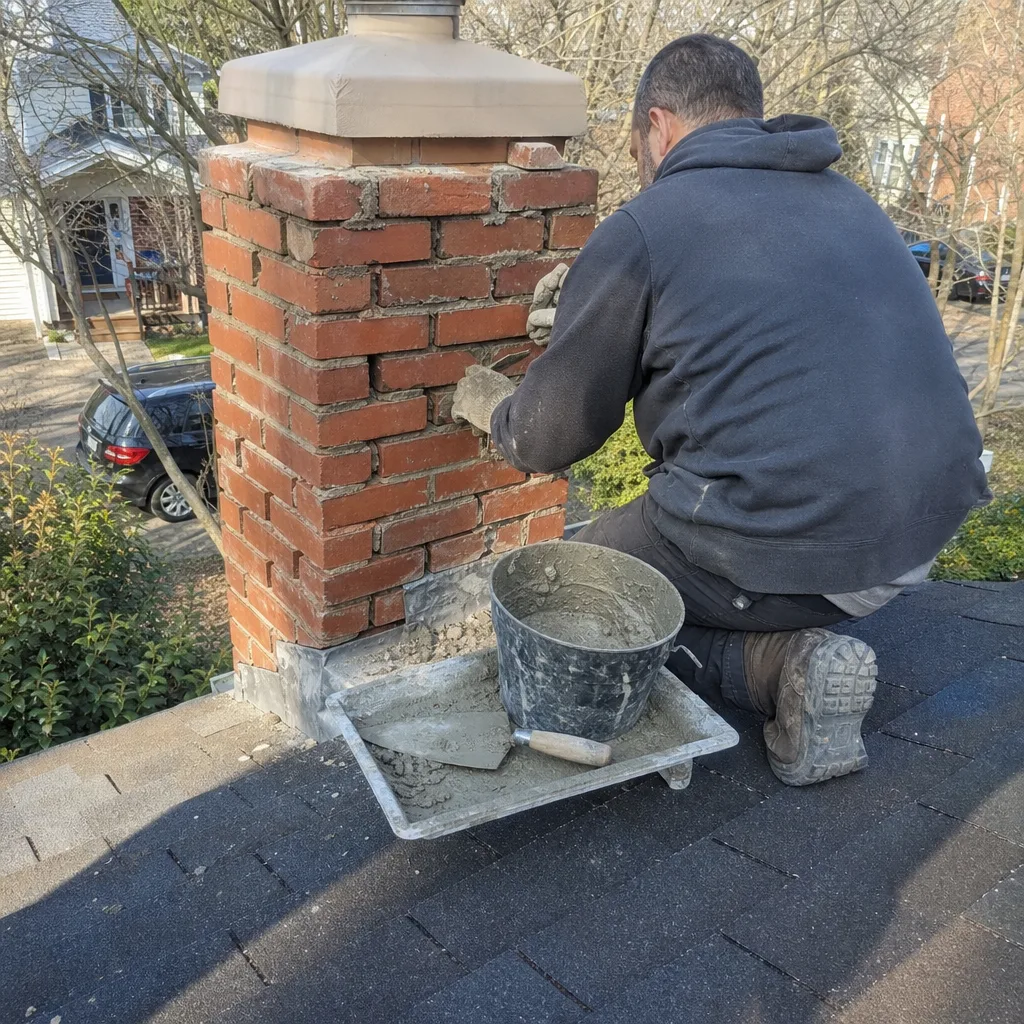
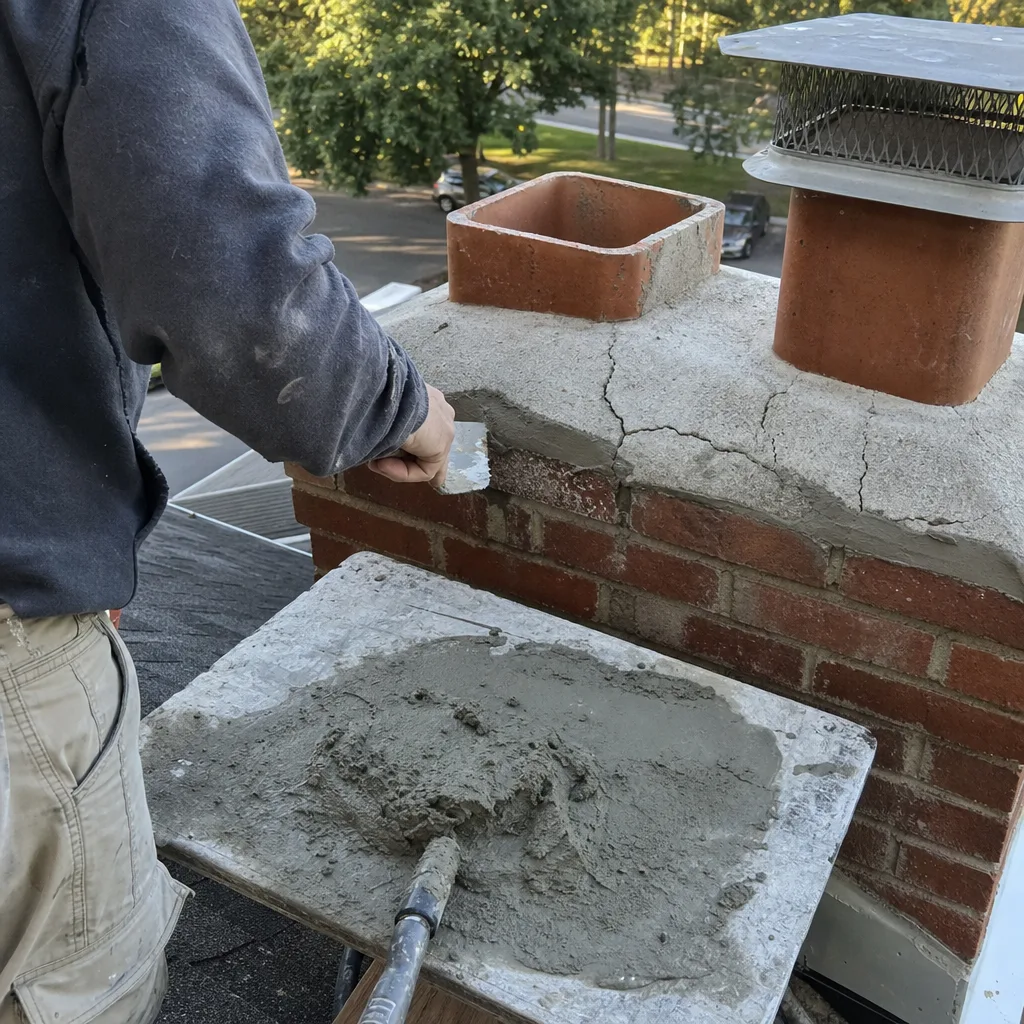
Level 1 sweep and inspection to the NFPA 211 annual standard - flue, crown, cap, and flashing checked and photographed
Chimney sweep logs do not sweep chimneys. They loosen some creosote - which then falls where a brush and vacuum still have to collect it.
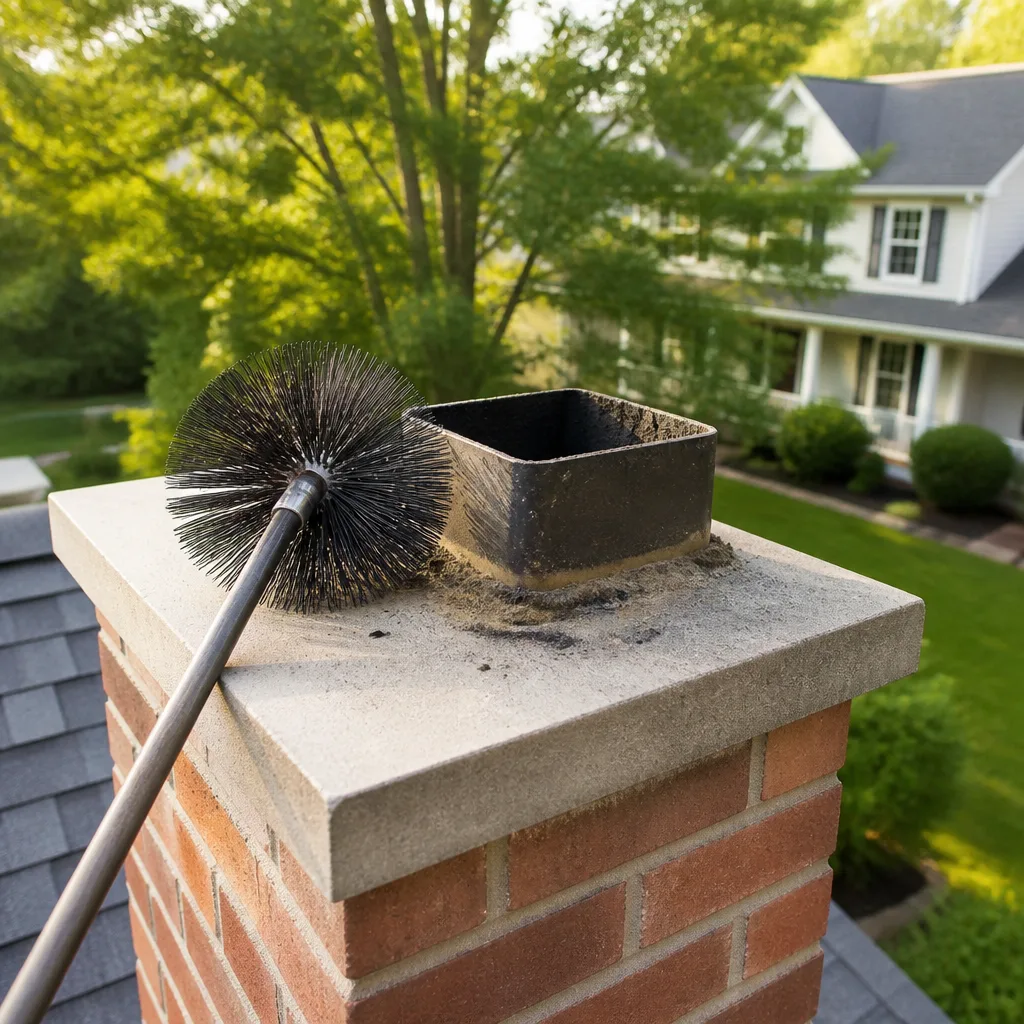
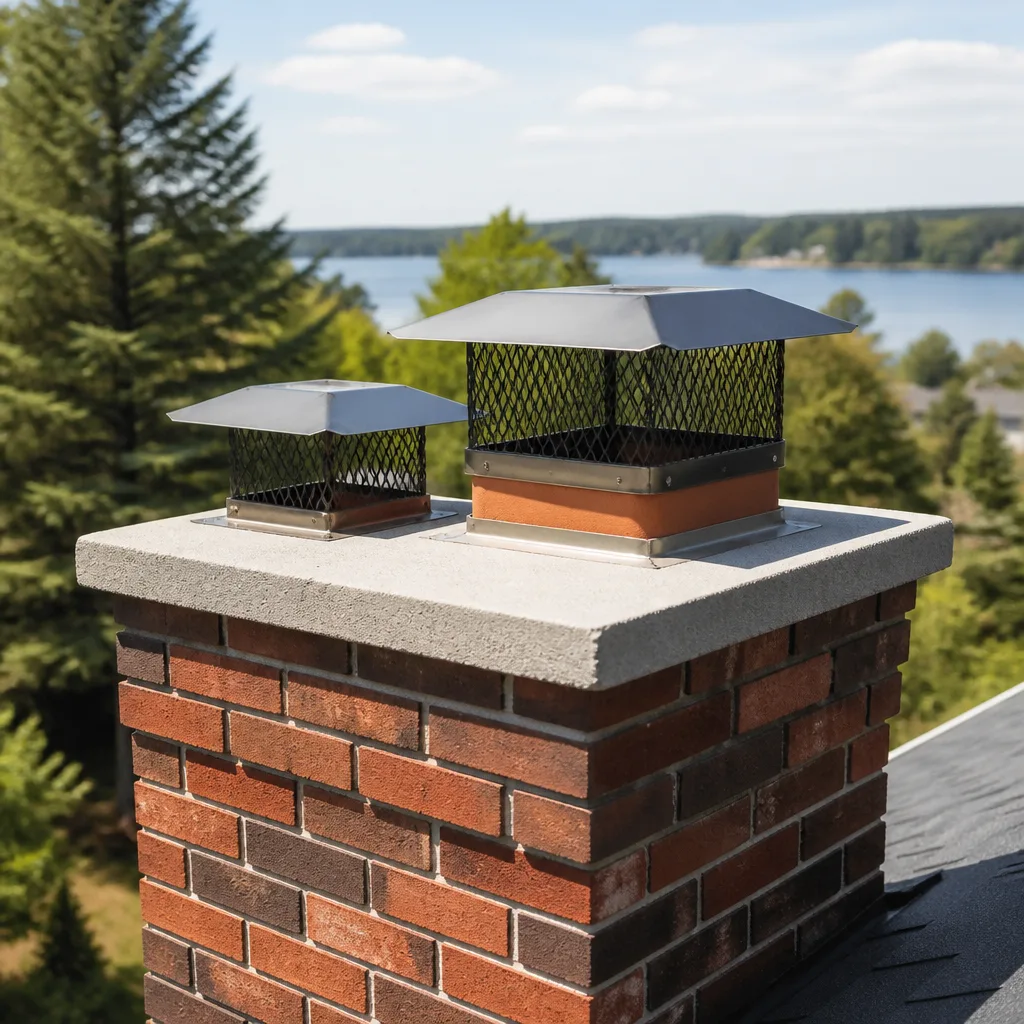
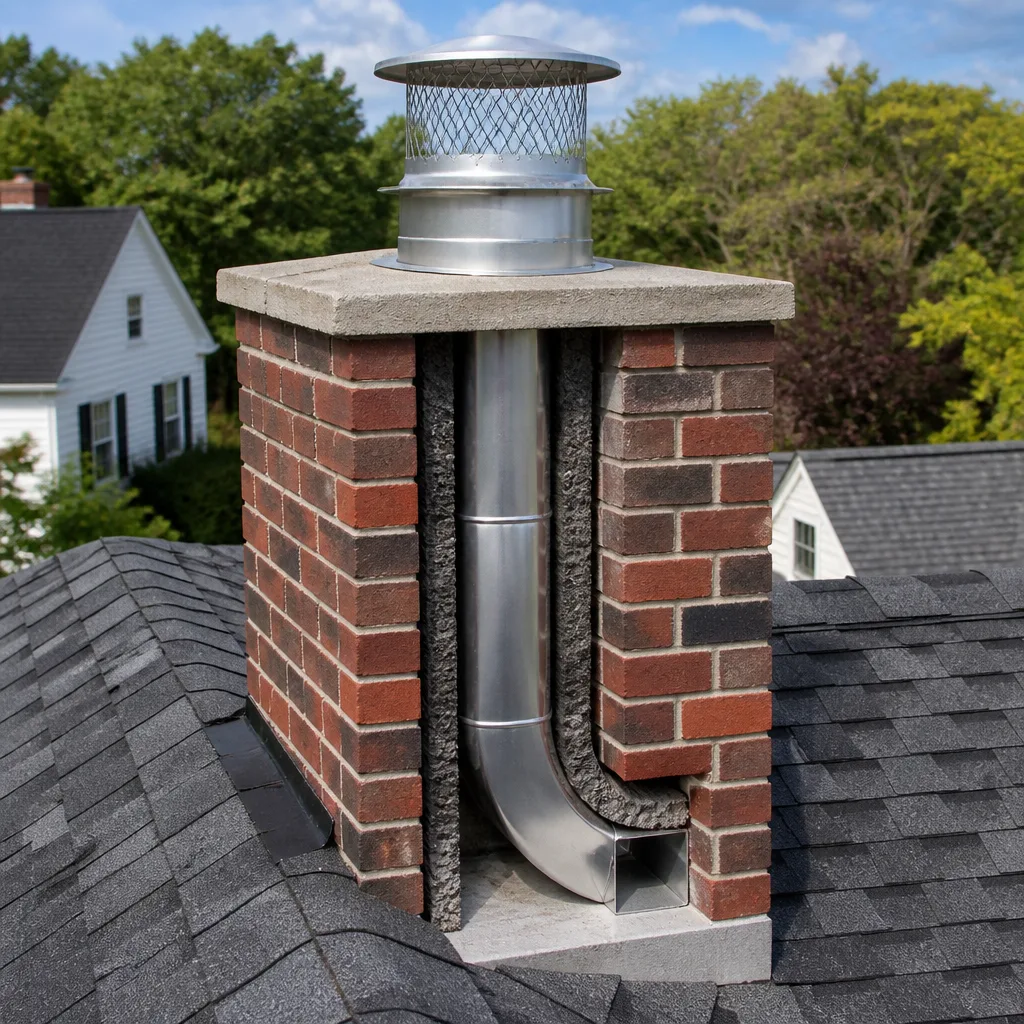
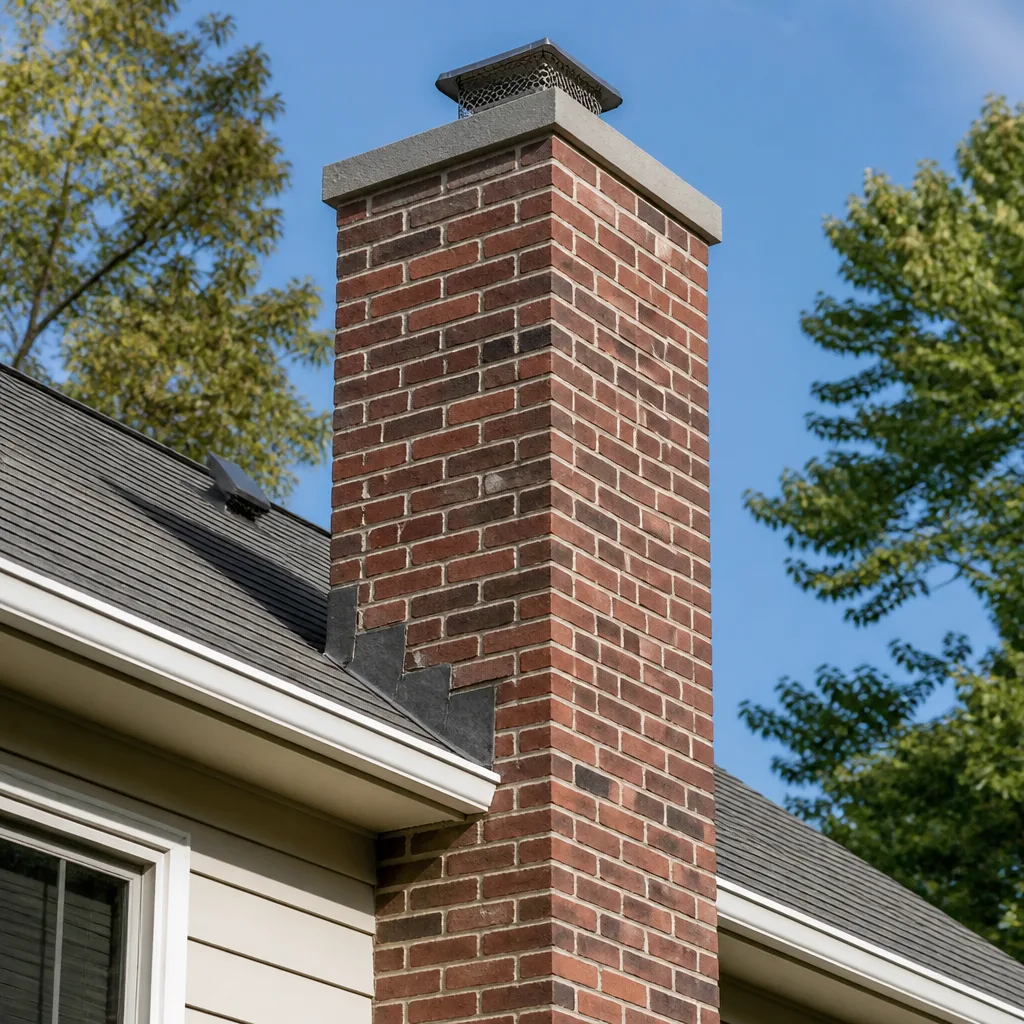
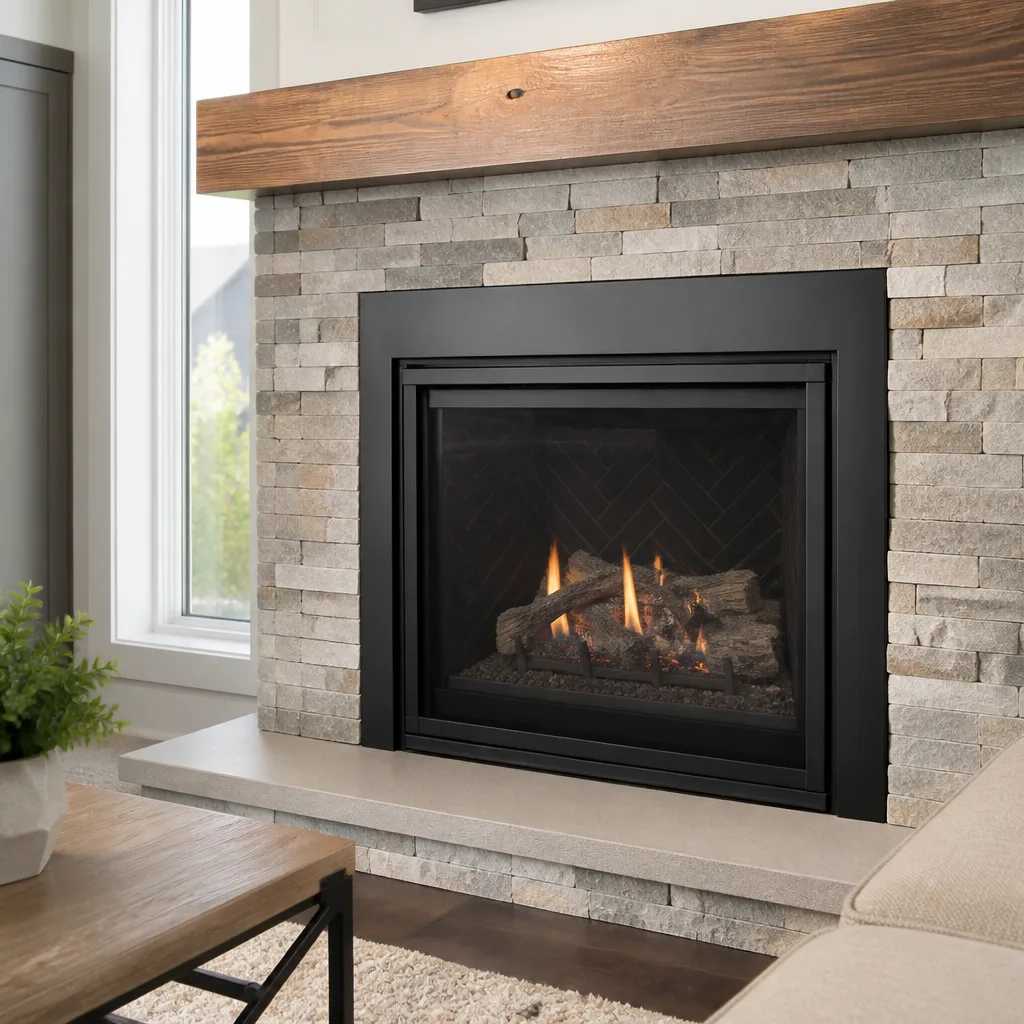
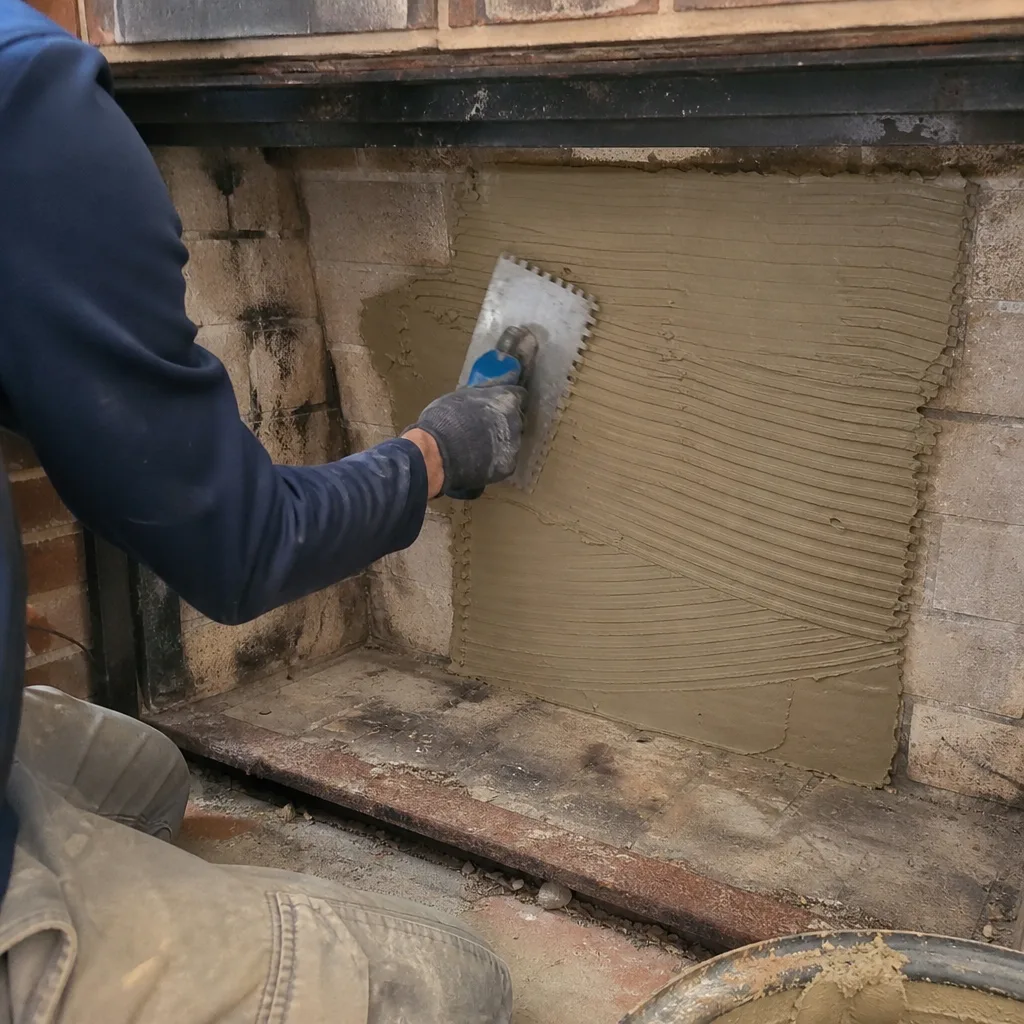
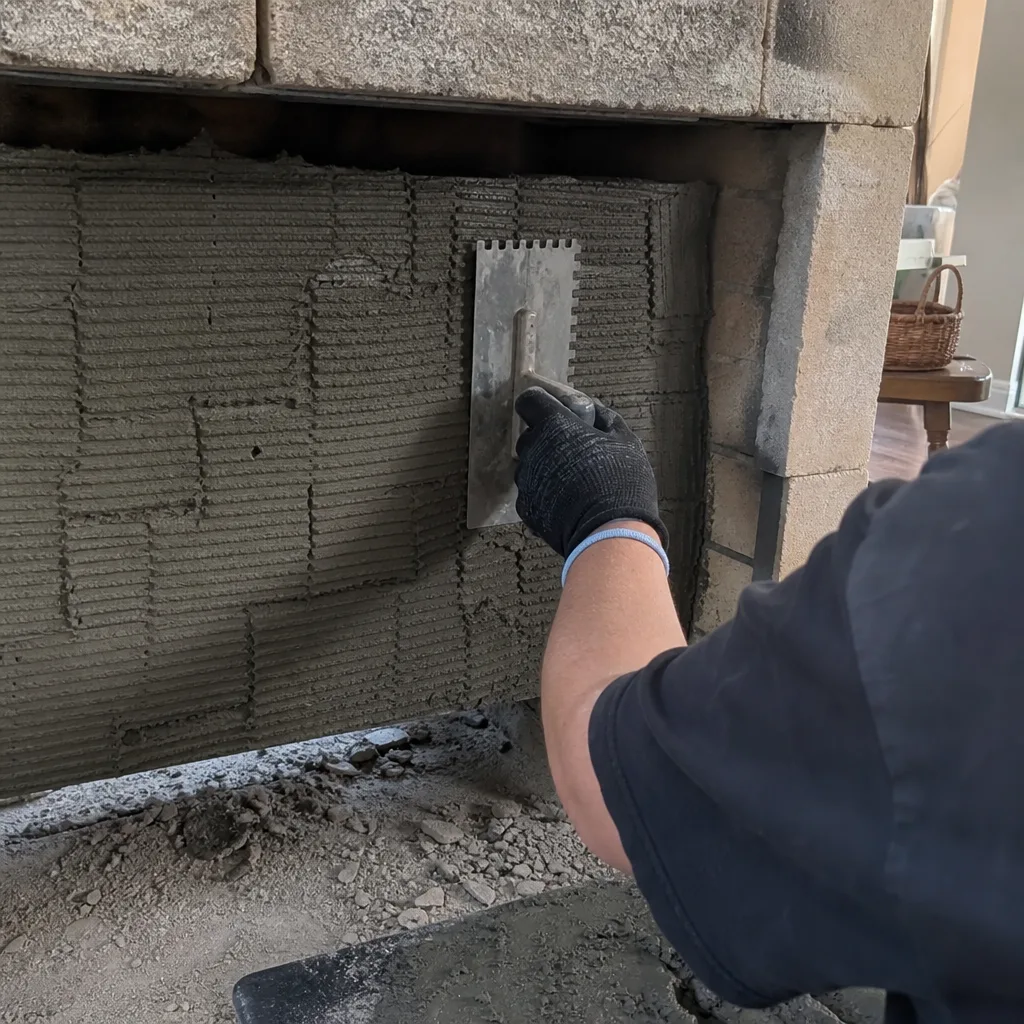
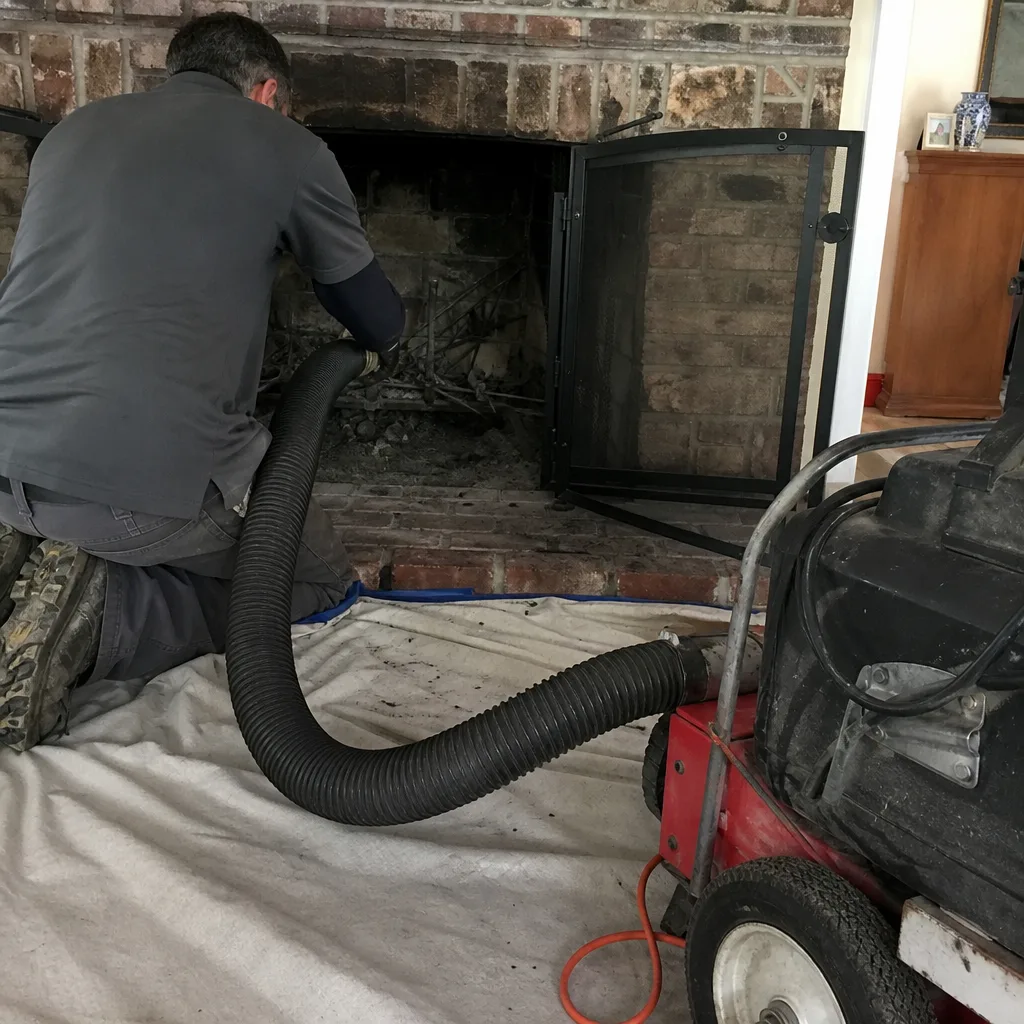 Before
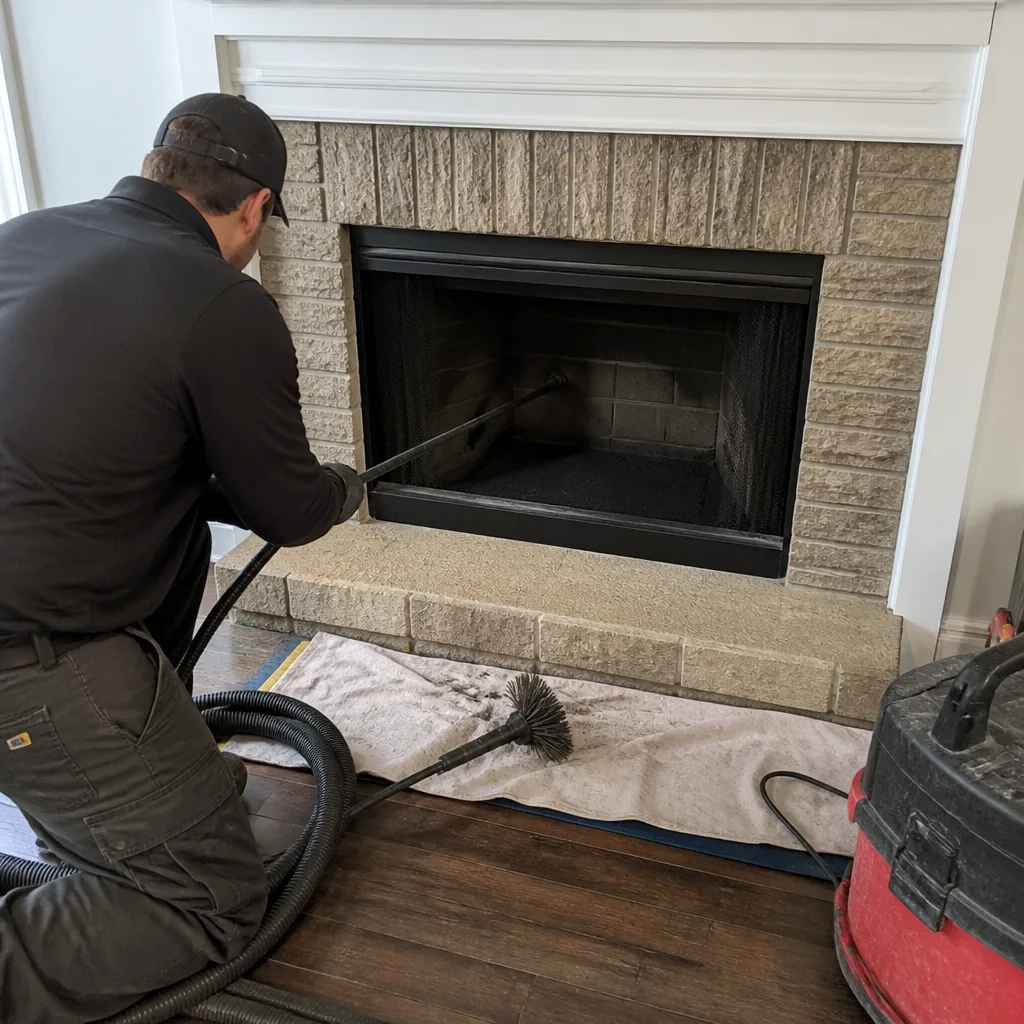 After
After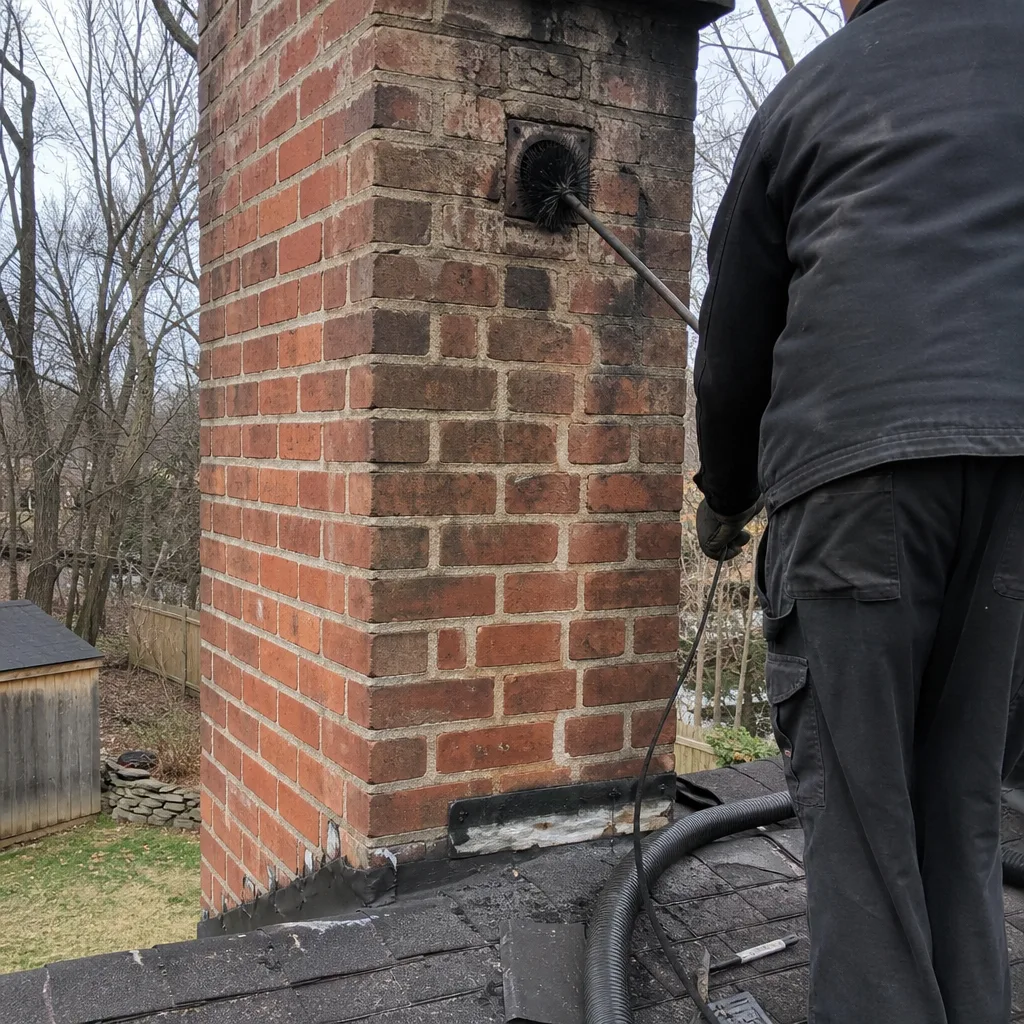 Before
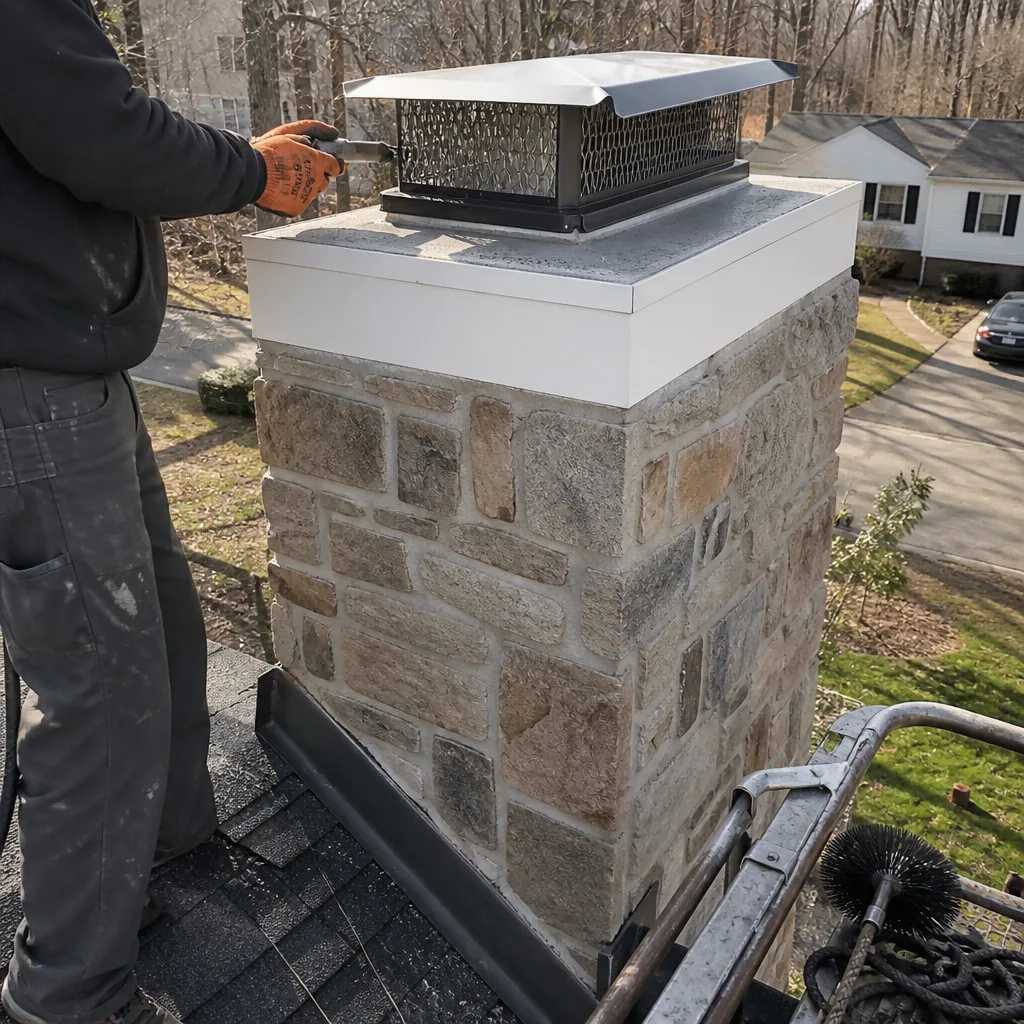 After
After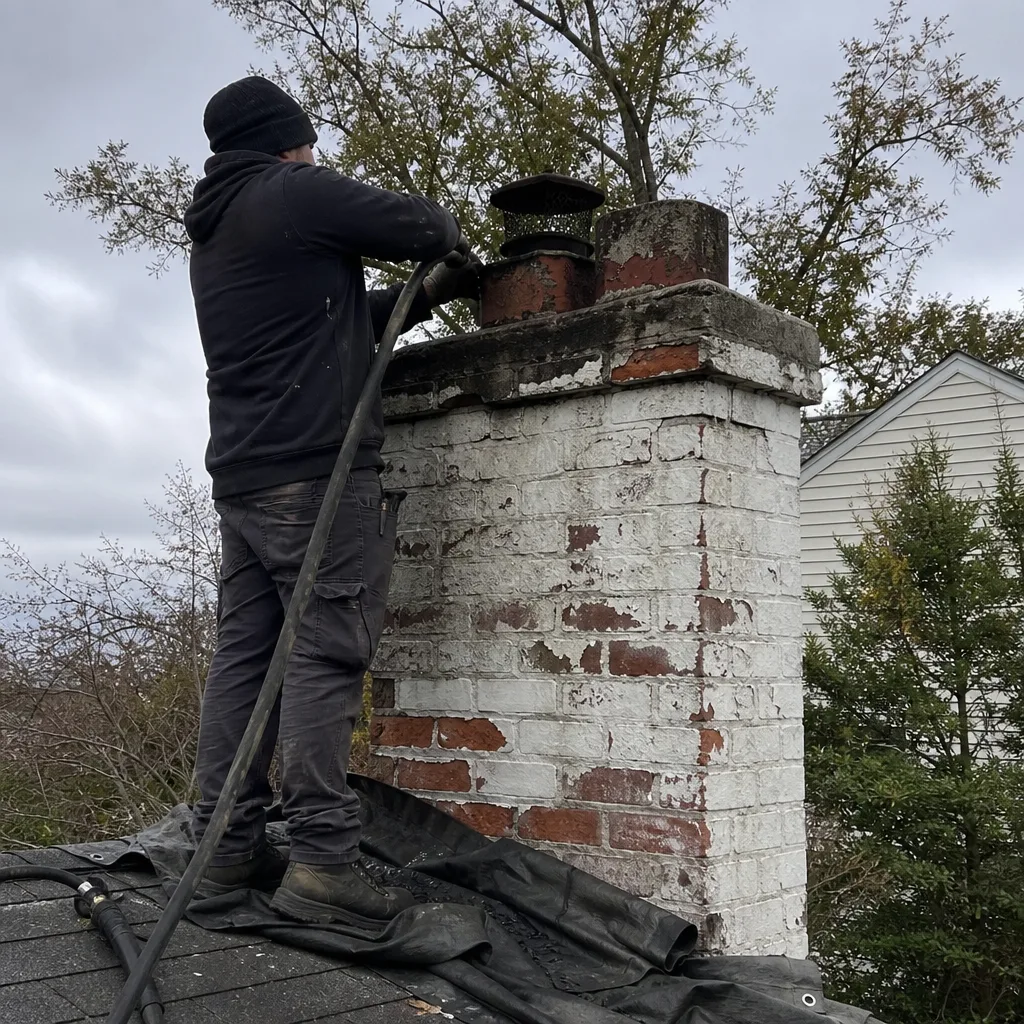 Before
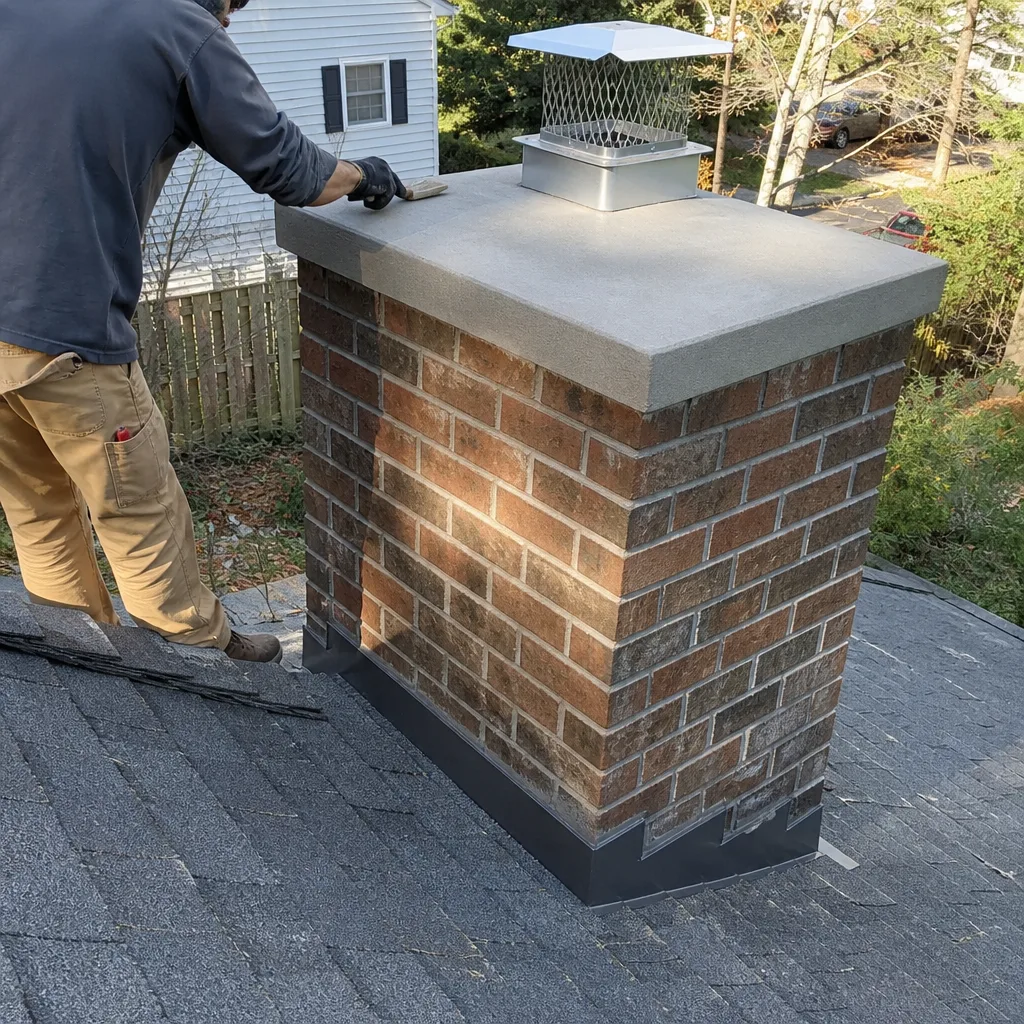 After
AfterChimney Cleaning Warning Signs: A Alexandria Homeowner’s Reference Guide
Here’s a fact most chimney guides won’t tell you: the most reliable warning signs aren’t the ones you see. They’re the ones you smell, hear, and feel. A chimney that drafts oddly on a mild day, smells like a damp campfire in August, or makes a hollow clunk when the damper closes is giving you diagnostic information long before any visual damage becomes obvious. This guide catalogs the observable signals Alexandria homeowners can detect at the firebox level, then assigns each one a specific next action-more detailed than our The Complete Guide to Chimney Cleaning in Alexandria but focused on diagnosis. Not just “call a sweep.” A specific action: schedule a Level 2 camera inspection, stop using the fireplace immediately, or book a standard cleaning in the next 30 days. Alexandria’s humid summers and cold, damp winters accelerate creosote degradation and masonry spalling in ways that a generic national guide will never address. We’ve inspected more than 38,000 chimneys since 2009, and the patterns we see in Old Town, Del Ray, and Seminary Hill are consistent: early detection at the firebox level saves homeowners thousands, and the signals are there if you know what they mean.
Quick Answer
The chimney cleaning warning signs Alexandria homeowners should never ignore are: a campfire smell when the fireplace hasn’t been used in months, smoke rolling back into the room during startup, visible dark crust or shiny tar-like glaze on the firebox walls, flaking brick or mortar inside the firebox, a damper that sticks or clunks when operated, and animal sounds or droppings in the firebox. Any of these indicates either creosote accumulation that needs professional removal or structural deterioration that requires a camera-scan inspection before further use. Most can wait for a scheduled appointment, but a few mean stop using the fireplace immediately.
Table of Contents
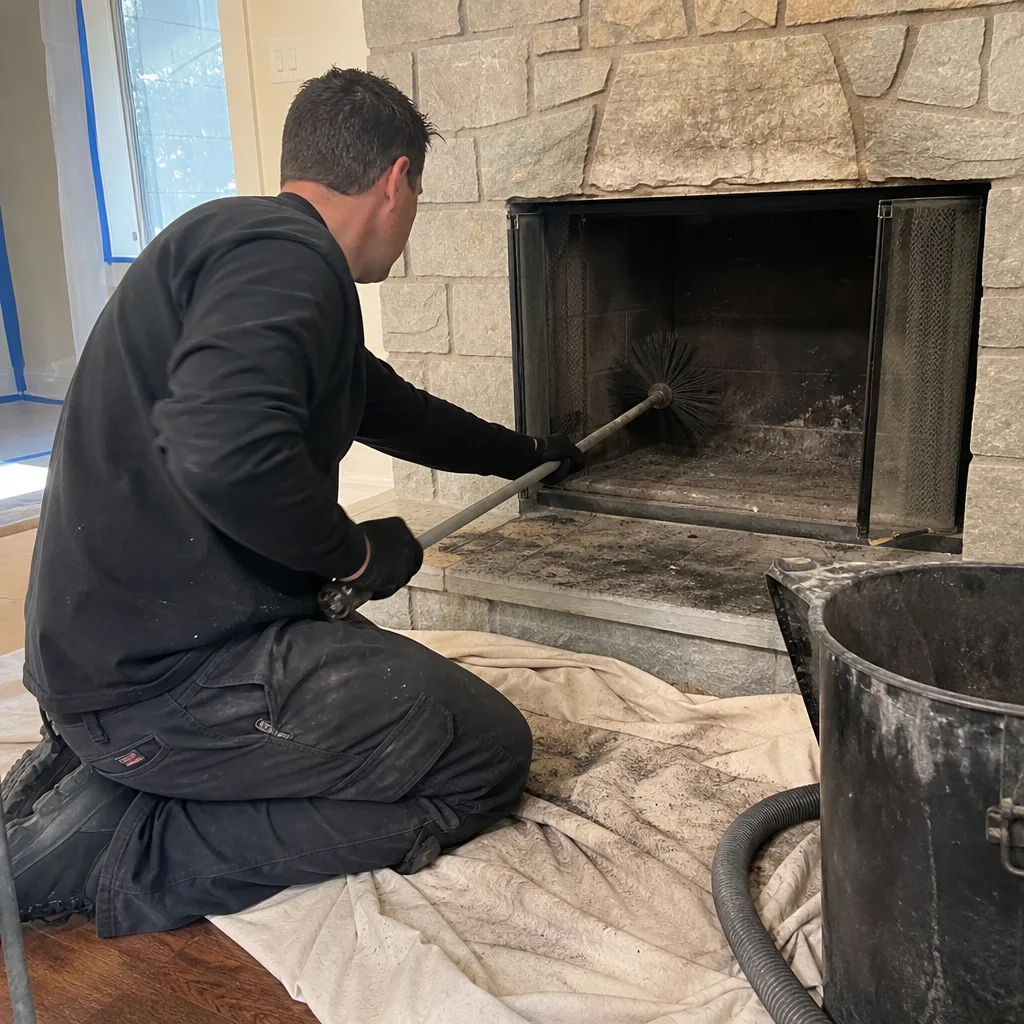
- Cleaning Warning Signs vs. Structural Damage Signs
- Smell Profiles: Creosote, Animal Intrusion, and Moisture
- Draft Behavior as a Diagnostic Tool
- Visual Signs at the Firebox Level You Can Photograph
- When to Stop Using the Fireplace Immediately vs. When to Schedule
- What Alexandria’s Climate Does to Chimneys
- Understanding Creosote Classes and What They Mean
- Common Mistakes to Avoid
- When to Call a Professional
- Frequently Asked Questions
BeforeAfterCleaning Warning Signs vs. Structural Damage Signs
Conflating “needs a cleaning” with “needs a structural repair” is the single most expensive mistake homeowners make with their chimneys. We see it in Alexandria constantly: a homeowner notices flaking material inside the firebox, assumes it’s creosote, books a $229 sweep, and the sweep discovers a cracked flue liner that costs $4,000 to replace. Or the reverse: a homeowner sees dark staining, panics about a new liner, and pays for repairs they didn’t need when $250 of professional creosote removal would have resolved it.
The distinction matters because the urgency and the cost are completely different. Here’s the breakdown:
- Cleaning signs are caused by combustion byproducts building up. They include dark brown or black crust on the firebox walls, a strong campfire odor even when the fireplace is cold, smoke that rolls back into the room more than it used to, and a spark screen that’s coated with a sticky film. These issues resolve with a professional sweeping, which in Alexandria typically costs between $200 and $350 depending on the level of creosote present and accessibility.
- Structural signs are caused by water intrusion, age, thermal stress, or poor initial construction. They include spalling brick (the face of the brick pops off, leaving a pitted surface), cracked or crumbling mortar joints in the firebox, a damper that won’t fully close or seal, visible gaps between the flue liner segments, and rust streaks on the firebox walls. These require a Chimney Repair in Alexandria assessment before any cleaning happens.
Here’s the problem: the two categories share symptoms. Creosote and a cracked liner can both produce dark residue. Moisture and creosote can both produce a smell. That’s why the camera inspection matters. A Level 2 inspection under NFPA 211 standards puts a camera down the flue and documents what’s actually there. Clause 4 of the Haven Standard requires a photo record on every job, which means you see exactly what we see. No estimate based on a flashlight look. No recommendation you can’t verify. In Old Town’s older rowhouses, where chimneys often share a party wall with the neighbor’s flue, the distinction between cleaning and structural work is even more critical because access is limited and repairs disrupt adjacent systems.
Smell Profiles: Creosote, Animal Intrusion, and Masonry Moisture
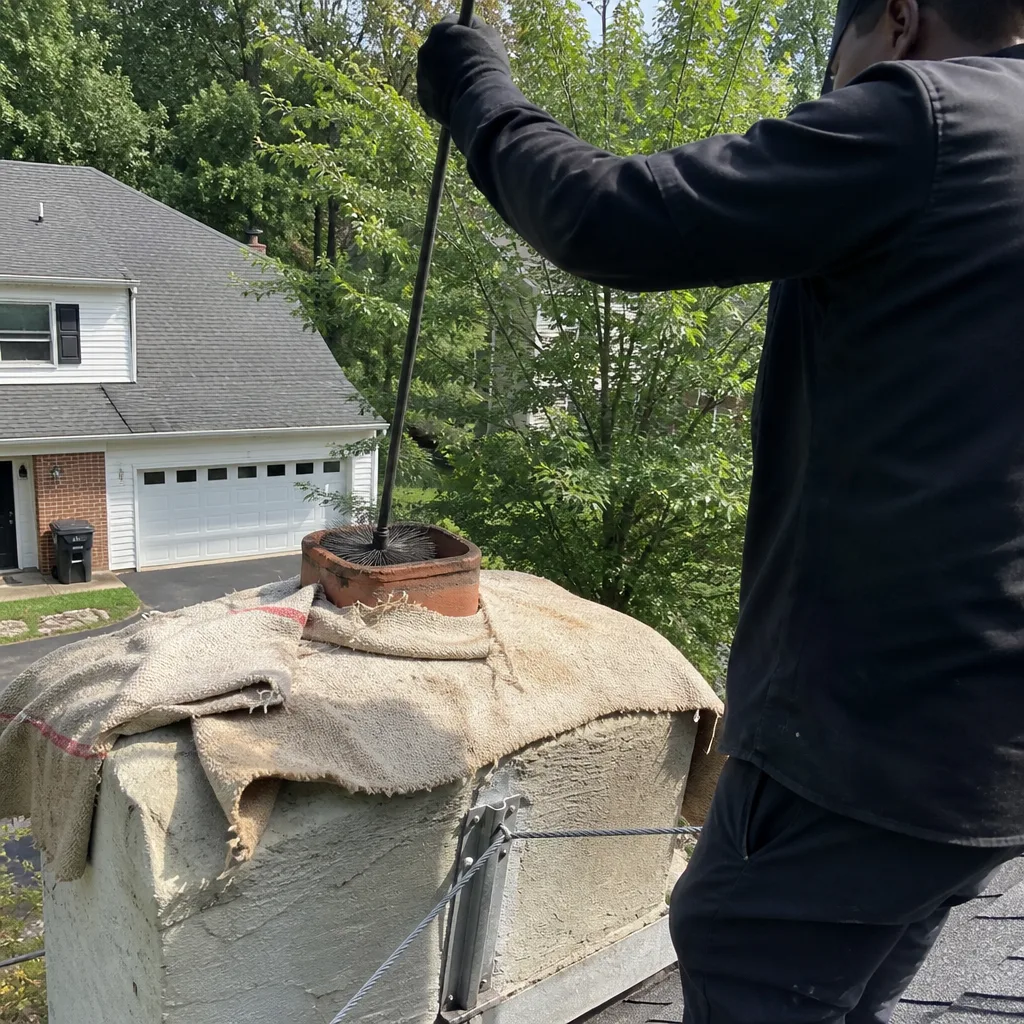
A chimney that smells like a campfire in August, when no fire has been lit since March, is signaling active creosote off-gassing through a liner that didn’t seal properly. That smell is not cosmetic. It’s a fire-risk indicator that passes unnoticed in most advice guides. In Alexandria’s humid summer months, creosote absorbs moisture from the air and releases volatile compounds. The smell is strongest on hot, muggy days, and it’s often more noticeable in upper-floor rooms nearest the chimney chase.
Three distinct smell profiles tell you three different things:
- Creosote smell is a sharp, acrid, almost asphalt-like campfire odor. It’s strongest in summer humidity and after rain. This indicates creosote buildup, likely Class II or Class III (more on classes below), and the fix is a professional cleaning. The urgency depends on the class: Class II can wait a few weeks; Class III is fuel for a chimney fire and should be addressed before the next burn.
- Animal intrusion smell is a distinctly rancid, organic odor. It might smell like a dead mouse in the wall, because that’s often exactly what it is. It may come with fluttering sounds in the chimney, scratching, or droppings visible at the firebox floor. Birds, squirrels, and raccoons all use Alexandria chimneys as nesting sites, and the smell gets worse as the nest decomposes in summer heat. This requires animal removal, then a cleaning, then a proper chimney cap to prevent recurrence. A good cap with a spark arrestor is standard practice, and we source ours from Copperfield and Olympia Chimney.
- Masonry moisture smell is musty, like a damp basement. It’s constant rather than intermittent, and it doesn’t smell like fire at all. This indicates water is entering the chimney structure, either through a failed crown, cracked masonry, a damaged cap, or a deteriorated flashing at the roofline. The longer it goes, the worse the spalling gets. In Alexandria, freeze-thaw cycles during winter turn trapped moisture into expanding ice that fractures brick faces. This needs a chimney crown and cap assessment, not just a cleaning.
Here’s the practical takeaway: if you’re noticing an odor and you’re not sure which profile it is, write down when you smell it, where in the house it’s strongest, and what it smells like when you get close to the firebox. That documentation makes the service call dramatically more efficient. A named technician arrives knowing where to point the camera.
Draft Behavior as a Diagnostic Tool
Your chimney’s draft is a mechanical system, not a mystery. When it works correctly, a column of warm air rises through the flue and pulls combustion gases with it. When it doesn’t work, the behavior of the smoke and flame tells you why. In our experience, Alexandria homeowners notice draft problems long before they notice visual damage, because draft problems are annoying: the living room fills with smoke, the fire won’t catch, the damper fights you.
Three specific draft behaviors are diagnostic:
- Slow ignition: kindling takes forever to catch, paper smolders instead of flaming, and the fire seems “lazy” even with dry wood. This usually indicates restricted airflow. The cause is often creosote narrowing the flue passage, a partially closed or malfunctioning damper, or a clogged spark arrestor cap. If the fire burns better with a window cracked open, the flue is restricted. Schedule a standard cleaning and inspection.
- Smoke rollout: smoke visibly enters the room instead of going up the flue, especially during startup or when the door is opened to add wood. This is a pressure differential problem: the flue can’t establish draft, and the room becomes the path of least resistance. In Alexandria’s taller rowhouses, negative pressure from bathroom fans, range hoods, or HVAC return vents can compound the issue. Rollout can also indicate a blockage (nest, dead animal, fallen masonry). If rollout happens only during startup and resolves once the fire is hot, the issue is likely airflow-related. If rollout persists throughout the burn, stop using the fireplace and schedule a camera inspection before the next fire.
- Damper flutter or rattle: the damper vibrates, rattles, or won’t hold its position. A damper that won’t seat properly can’t control airflow, which means the chimney can’t maintain proper draft. Flutter often indicates a warped damper plate, rusted hinges, or debris obstructing the seat. This is a repair item, not a cleaning item. The damper is part of the system’s draft control, and a failing one makes every fire inefficient and riskier.
The damper itself deserves more attention than most guides give it. When you open and close it, you should feel a smooth, full range of motion. If it clunks, sticks, or feels loose at the pivot points, that’s mechanical wear. In Del Ray and Rosemont, where many homes have original mid-century dampers, we regularly replace cast-iron damper assemblies that have warped from forty years of thermal cycling.
Visual Signs at the Firebox Level You Can Photograph
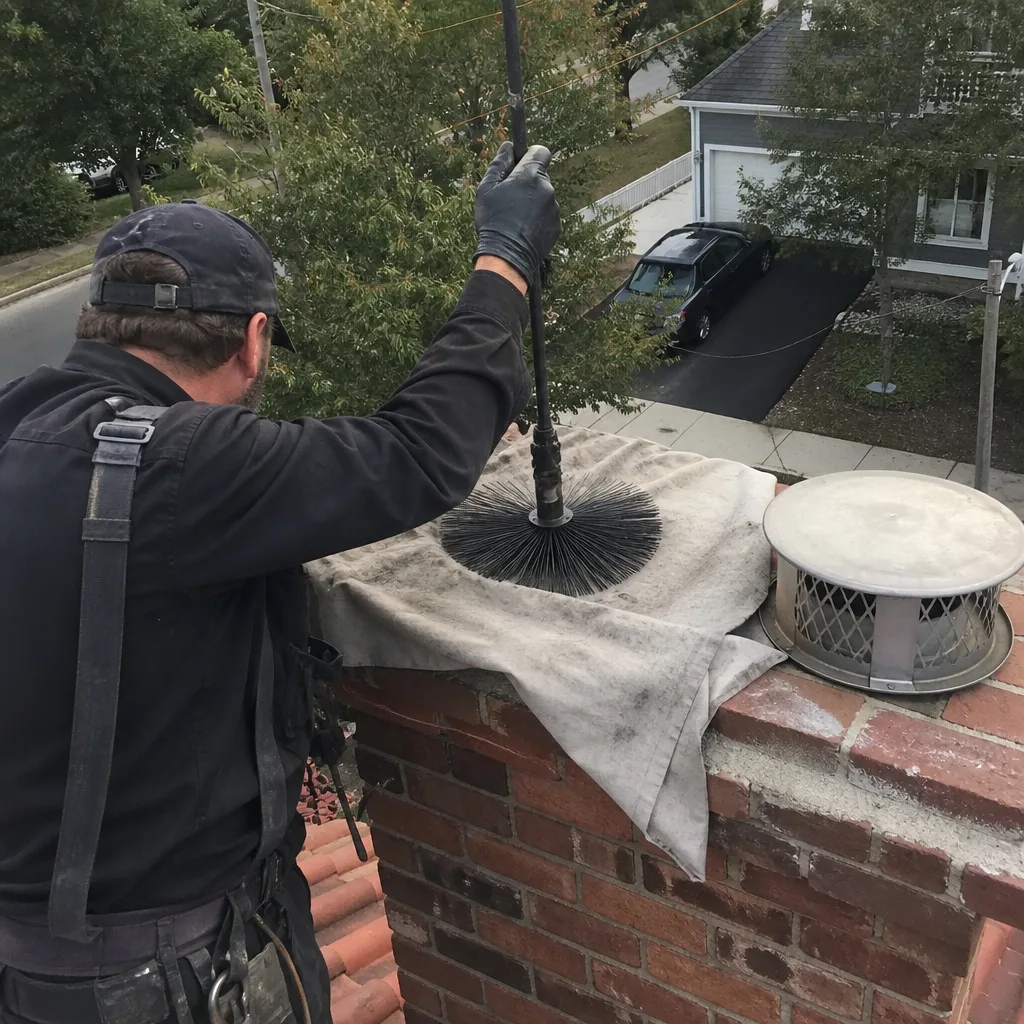
Before you call anyone, document what you see. A phone camera pointed at the firebox interior captures evidence that makes the service call faster and the estimate more accurate. Here’s what to look for and photograph:
- The firebox walls: look for black crust that’s thick, bubbled, or shiny. Shiny, tar-like glazing is Class III creosote and indicates the highest fire risk. Flaky, dark brown material is Class II. Both are photo-worthy.
- The damper plate: open the damper fully and photograph the plate and its frame. Rust, warping, or gaps between the plate and its seat are structural issues.
- The smoke chamber: if you can see up past the damper, photograph what’s visible. The smoke chamber is the transition zone between firebox and flue. Creosote accumulates here heavily, and in older Alexandria homes, the corbeled brick in this zone often has gaps that allow heat transfer to surrounding framing.
- The firebox floor: photograph the floor of the firebox, especially if you see fallen flakes of brick, mortar crumbs, or dark debris. Falling material indicates deterioration somewhere above.
- The exterior of the firebox opening: flaking brick faces, cracked mortar joints, or white efflorescence (salt deposits from moisture migration) are structural warning signs.
When you book a cleaning with Level Two Chimney Alexandria, the technician arrives with a camera that goes down the flue, and the photographic record continues from where your phone photos left off. The documentation you capture helps us prioritize what we inspect first. It’s not required, but it’s genuinely useful.
One more thing: don’t clean the firebox before you photograph it or before the sweep arrives. The creosote pattern, the ash distribution, and the debris composition are diagnostic evidence. Sweeping it clean destroys information. We’d rather see the dirty chimney first.
When to Stop Using the Fireplace Immediately vs. When to Schedule
Most chimney issues in Alexandria can wait for a scheduled appointment. A few cannot. Here’s the explicit criteria, without hedging:
Stop using the fireplace immediately if:
- You’ve had a chimney fire, even a small one, even if it put itself out. Chimney fires crack liners and compromise structural integrity. The next fire could breach the flue.
- You see shiny, tar-like glazing on the firebox walls. Class III creosote is concentrated fuel. One hot fire can ignite it.
- Smoke is rolling into the room and doesn’t stop once the fire is established. This indicates a blockage or a draft failure that’s actively putting combustion gases into your living space.
- You smell gas in the room when the fireplace is not in use, especially if the fireplace is gas-log equipped. This is a gas line issue, not a chimney issue, and requires immediate professional attention.
- You’ve found dead animals in the firebox. The carcass is a health hazard, and the nest material behind it is a fire hazard.
- You can see daylight through cracks in the firebox walls. This means the firebox interior is compromised, and heat can reach the surrounding structure.
Schedule a cleaning or inspection in the next 30 days if:
- You smell musty odors from the chimney but have no other symptoms. Moisture issues are progressive but not immediately dangerous.
- You notice a mild campfire smell in summer but no visual creosote buildup. A cleaning is prudent, but the house is not at imminent risk.
- The damper is sticky but functional. This is a repair item that can be addressed during a routine visit.
- You haven’t had the chimney inspected in more than two years and you use the fireplace regularly. Preventive maintenance beats reactive repairs.
- You see Class II creosote (flaky, dark brown) without glazing. Cleaning before the next burn is the right call, but you have time to schedule.
Here’s the reasoning: chimney fires are the danger. Everything else is a cost. Class III creosote, a cracked liner from a previous chimney fire, a blocked flue: these set the conditions for a chimney fire. If the flue is intact and the creosote is Class II or below, you have time. If you’re not sure which situation you’re in, that’s what the camera inspection is for.
What Alexandria’s Climate Does to Chimneys
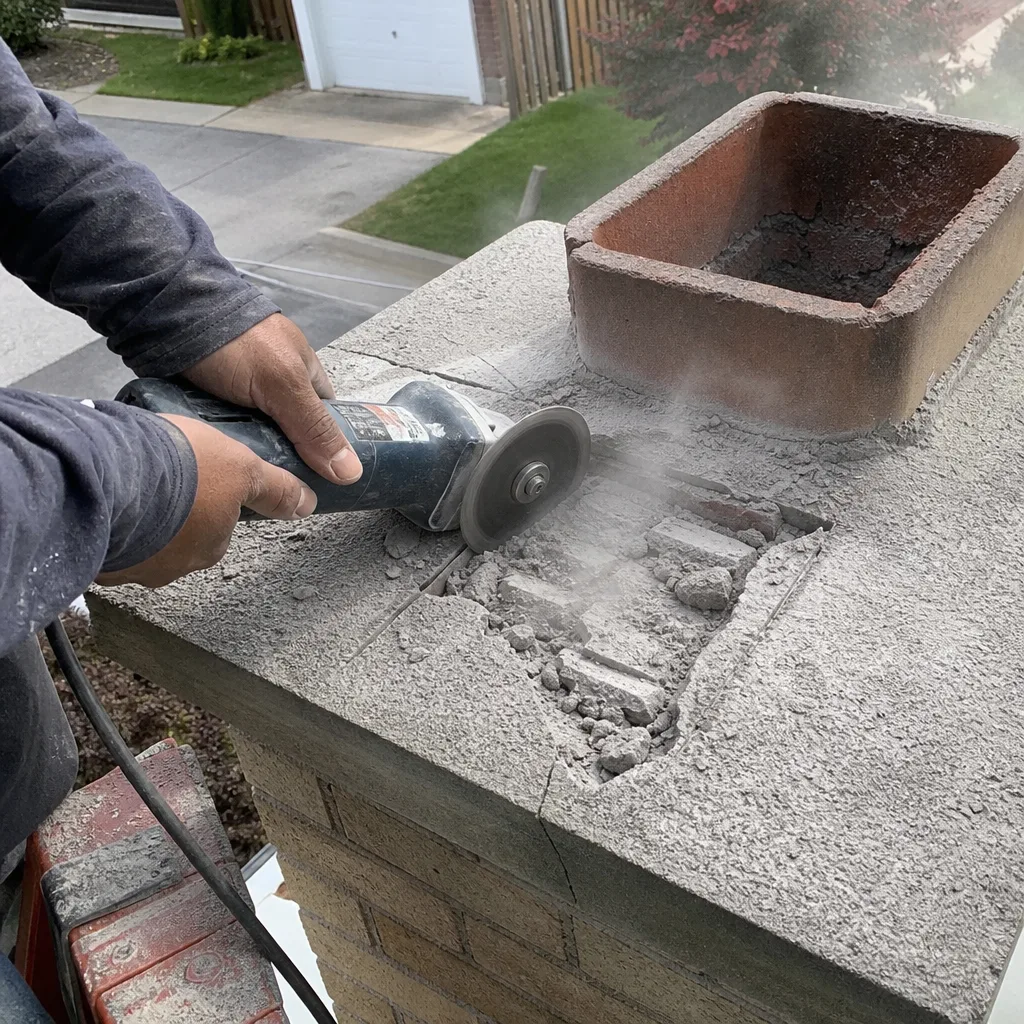
Alexandria sits in a humid subtropical climate zone. That phrase sounds academic, but for chimneys it means three specific things:
First, summer humidity is a creosote amplifier. Creosote is hygroscopic: it absorbs moisture from the air. In July and August, when Alexandria’s humidity consistently runs above 70%, creosote deposits swell and release volatile organic compounds. This is why the campfire smell is strongest in summer. It’s also why creosote degrades masonry faster here than in drier climates: moist creosote is acidic, and acid attacks mortar and brick over time.
Second, winter freeze-thaw cycles are a masonry destroyer. Alexandria’s winters oscillate around the freezing point. Water penetrates tiny cracks in the crown or brick faces, freezes overnight, and expands by about 9% in volume. That expansion force fractures the masonry further, which lets more water in, which freezes and expands again. Over a decade, this cycle turns hairline cracks into structural gaps. The chimneys we see in Seminary Hill and the West End, built in the 1980s and 1990s with less durable crown materials, often show significant spalling by year 30.
Third, tall trees and old neighborhoods mean animal pressure. Alexandria’s mature tree canopy in neighborhoods like Del Ray, Beverley Hills, and North Ridge creates chimney habitat for squirrels, raccoons, and chimney swifts. The birds are federally protected while nesting; the raccoons are merely persistent. A chimney cap with a proper spark arrestor is the standard solution, and if you’re having one installed, materials from Copperfield or Gelco are our preference for durability in this climate.
None of this is unique to Alexandria, but the combination of humidity, freeze-thaw cycles, and animal pressure creates a specific failure profile. If you’ve owned your home since 2015 and have never had the chimney inspected, you’re past due. The climate has been working on it whether you used the fireplace or not.
Understanding Creosote Classes and What They Mean
Creosote isn’t one substance; it’s three. The chimney industry classifies creosote into three grades, and the grade determines the cleaning method, the cost, and the urgency. Here’s what each class means for your Alexandria home:
- Class I creosote (powdery): a fine, sooty powder that’s mostly carbon. It brushes off easily with standard sweeping equipment. This is the normal byproduct of complete combustion. A chimney with only Class I creosote needs a routine cleaning, and in Alexandria that typically runs $200 to $275.
- Class II creosote (flaky): dark brown or black flakes that resemble granola or coffee grounds. They’re crunchy beneath a brush and more stubborn to remove. Class II forms from incomplete combustion, often from burning unseasoned wood, restricted airflow, or cooler flue temperatures. It requires more aggressive mechanical removal, and a cleaning for Class II typically falls in the $250 to $325 range in Alexandria.
- Class III creosote (glazed): shiny, tar-like, and hard as glass. It forms when creosote is exposed to high heat and condenses into a dense, high-energy fuel. Class III is what burns in a chimney fire, and it’s extremely difficult to remove with standard brushes. Glazed creosote may require chemical treatment, specialized rotary cleaning tools, and in some cases, the use of products like HeatShield to address liner damage. A chimney with Class III creosote is not safe to use until professionally cleaned.
Why does the distinction matter for cost? Because a standard sweep removes Class I and Class II. Class III requires a different, more time-intensive process, and sometimes reveals underlying liner damage that requires repair. The honest way to handle this is to inspect first, document what’s there, and quote in writing before any work starts. That’s how we’ve done it since 2009, and the written quote means you see the Class III evidence in our camera photos before you approve anything.
One clarification: the presence of creosote doesn’t mean you did something wrong. Wood fires produce creosote. The goal is to manage it, not eliminate it entirely. But if your chimney consistently builds Class II or III creosote in a single season, there’s likely an airflow problem, a drafting problem, or a wood-moisture problem that’s worth diagnosing. The cleaning is the immediate fix; the underlying cause needs attention too.
What Fireplace Services Actually Include
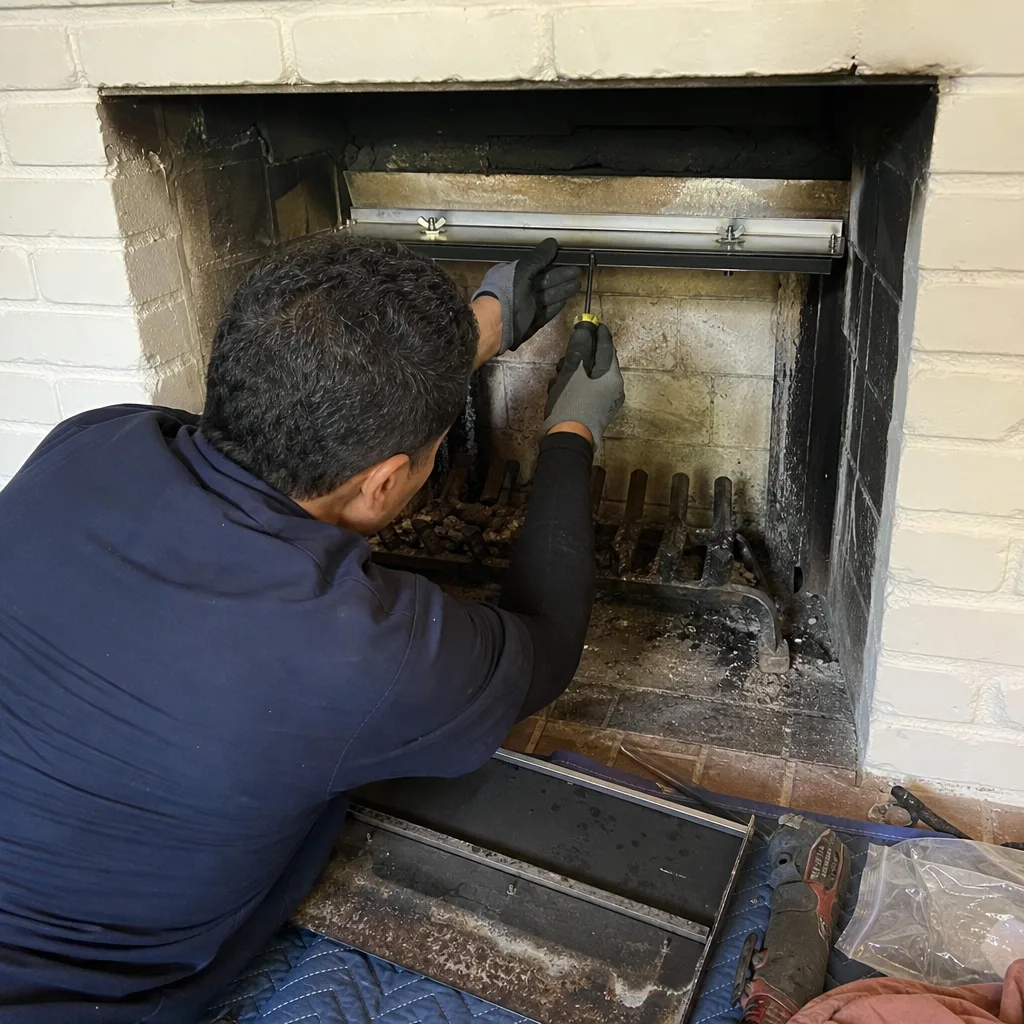
One of the most common questions we get in Alexandria is what a sweep actually does beyond brushing the flue. The answer depends on the company. When you book a Chimney Cleaning & Sweep in Alexandria, a thorough service should include more than the brush work. Here’s what we do on every visit, and it’s worth asking any company you’re considering to confirm they do the same:
- Full firebox cleaning: ash removal, creosote removal from the firebox walls and floor, and cleaning of the damper plate and frame.
- Flue brushing: mechanical removal of creosote from the flue liner, sized to the liner and the creosote class present.
- Smoke chamber access: many companies skip this zone because it’s harder to reach. A proper cleaning includes the smoke chamber, where creosote accumulates heavily.
- Camera documentation: a camera-scan inspection of the flue, with photos you can view during the visit and keep afterward. Clause 4 of the Haven Standard requires this photo record on every job.
- Damper function check: open, close, and verify the damper operates across its full range.
- Cap and crown check: from the roof or via camera, verify the cap is present, intact, and the crown isn’t cracked. Alexandria’s storm seasons mean caps and crowns take a beating.
- Written report: what was found, what was done, and what (if anything) needs attention before further use. The report is delivered in writing, not just verbally.
If you’re comparing quotes, ask specifically whether the smoke chamber is included, whether the camera inspection is standard or an add-on, and whether the final report is written. The answer tells you whether the price is actually comparable. A $150 flash-and-brush special doesn’t include most of the above, and if the smoke chamber and liner aren’t inspected, the cleaning is incomplete.
For homeowners with fireplaces that need more than cleaning, Fireplace Services in Alexandria covers gas log installation, fireplace conversion, and cosmetic or functional repairs. The same documentation standard applies: written scope, written price, photo record.
Common Mistakes to Avoid
- Cleaning the firebox before the sweep arrives. We covered this above, but it’s worth repeating: the creosote pattern, ash distribution, and debris are diagnostic evidence. Clean it out, and the technician loses information about how the chimney has been performing.
- Assuming a chimney that’s “never been used” doesn’t need inspection. Moisture, animals, and time don’t care whether you’ve burned a fire. In Alexandria’s climate, an unused chimney still takes on water, still hosts animals, and still deteriorates. If you bought the home in 2020 and never use the fireplace, you still don’t know what condition the flue is in.
- Burning unseasoned wood to save money. Green or wet wood doesn’t burn completely, which means more creosote, more smoke, and more cleaning cost. The money saved on unseasoned wood is spent on the next sweep, with interest. Seasoned hardwood with less than 20% moisture content is the standard for a reason.
- Ignoring a summer smell because “the fireplace isn’t in use.” The smell is the creosote, and the creosote is the fire risk. Summer is actually the best time to clean, when the creosote is dry and more easily removed, and when you’re not waiting on a cold-weather backlog.
- Treating a sticky damper as a minor annoyance. The damper controls the draft that keeps smoke moving up the flue. A damper that won’t seat properly can’t control the burn, and the inefficiency compounds with every fire.
- Getting a cleaning without a camera inspection, then assuming the chimney is “fine.” A brush removes creosote; it doesn’t tell you whether the liner is cracked, the smoke chamber is compromised, or the crown is failing. The camera is the diagnostic tool. Cleaning without inspection is like changing the oil without checking for leaks.
- Scheduling work based on price alone, without verifying what’s included. A $150 sweep that skips the smoke chamber and the camera inspection is not a deal. It’s a partial service. Written price matters, but so does written scope. A legitimate quote itemizes what’s included.
When to Call a Professional
Call a professional sweep company if you’ve identified any of the signs in this guide and you want a documented answer about what’s happening in your chimney, not a guess-our How to Hire a Chimney Cleaning Contractor in Alexandria: A Step-by-Step Guide explains exactly what to ask before you book. Specifically: you smell a campfire odor when the fireplace is cold, you see Class II or Class III creosote in the firebox, the damper is malfunctioning, smoke enters the room during use, or no one has inspected the chimney since you bought the home in Alexandria.
Level Two Chimney Alexandria offers free estimates throughout Alexandria and the surrounding areas, with a written price, written scope, and written warranty delivered before any work starts. Every job includes a camera-scan inspection and a documented photo record under Haven Standard Clause 4. Call (240) 290-6726 for a free estimate, or visit our Level Two Chimney Alexandria home page to learn more about how we work.
Frequently Asked Questions
A standard chimney sweep in Alexandria typically costs between $200 and $350, depending on the creosote class present, the accessibility of the flue, and whether the service includes a camera inspection and smoke chamber access. Class I or light Class II creosote falls toward the lower end; heavy Class II or Class III creosote requires more time and specialized tools, pushing the cost higher. Always confirm that the written quote includes the full scope: firebox cleaning, flue brushing, smoke chamber access, camera documentation, and a written report. Call (240) 290-6726 for a free, itemized estimate before you book.
Not always, and you should never accept that recommendation without visual evidence. A cracked or deteriorated flue liner is a documented condition that should be visible on camera footage. Ask to see the photos. If the liner is intact but coated with Class III creosote, a professional cleaning may be sufficient. If the liner is actually cracked, spalling, or separated at the joints, repair or replacement (often using HeatShield or DuraFlex materials) is legitimate. The difference is visible. Get the camera evidence, and if the recommendation seems aggressive, get a second opinion. A written estimate from any company is worth bringing to us for a free second-opinion review.
The National Fire Protection Association (NFPA 211) states that chimneys should be inspected annually and cleaned when creosote reaches 1/8 inch of accumulation or when a significant glaze is present. For Alexandria homeowners who burn wood regularly through the winter, once-yearly cleaning is the standard. For occasional users (under 20 fires per year), every 2 to 3 years may be sufficient. The honest answer is that frequency depends on burn frequency, wood quality, and draft efficiency, which is why the annual inspection matters: it tells you whether you need a cleaning this year, not whether the calendar says so.
Creosote accumulates. That’s a fact, not a scare tactic. Class I becomes Class II, and Class II becomes Class III under the right heat conditions. Class III creosote is concentrated fuel, and a hot fire can ignite it. A chimney fire burns at temperatures that crack clay liners, warp metal liners, and can breach into the home’s framing. Even without a fire, acidic creosote degrades masonry over time, and a blocked flue from animal nesting or fallen debris can send carbon monoxide into the living space. The quiet part that no one likes to say: the risks are incremental and invisible until they’re not. A $250 cleaning prevents whatever conversation comes after.
We don’t recommend it-our DIY vs Professional Chimney Cleaning: The Alexandria Homeowner’s Decision Guide breaks down why. A DIY chimney cleaning from the top requires roof access, which on Alexandria’s older rowhouses is often steep, slate, or otherwise hazardous. From the bottom, you can’t effectively reach the flue or the smoke chamber without professional rotating brushes and vacuum systems. More importantly, cleaning without camera inspection doesn’t tell you whether the liner is intact. A professional service in Alexandria includes documentation of the flue condition, which is the part that actually protects your home. The cleaning is the easy part. The inspection is the value.
Yes, Level Two Chimney Alexandria serves all of Alexandria, including Old Town, Del Ray, Rosemont, Seminary Hill, the West End, and Beverley Hills. Old Town’s historic rowhomes present specific challenges, including shared chimney stacks, older clay liners, and strict exterior work requirements, and we’ve handled thousands of them since 2009. Every job starts with a camera inspection, and every quote is delivered in writing before work begins. Call (240) 290-6726 to schedule.
- 1
A real person answersNo phone trees - you reach a local pro.
- 2
You get an upfront price rangeHonest numbers before anyone is dispatched.
- 3
A background-checked tech heads outLicensed & insured, dispatched right away.
- 4
You approve before work beginsNothing starts until you say go.
The Bottom Line
The warning signs that matter in Alexandria are smell, draft behavior, damper function, and visible creosote class. None of them are ambiguous once you know what to look for, and none of them require guesswork. Smell a campfire in August? That’s creosote, and it’s a cleaning signal. Smoke rolling into the room? That’s a draft failure, and it needs a camera diagnosis. Flaking brick inside the firebox? That’s structural, not just dirty. The next step is always the same: a documented inspection that shows you what’s actually happening. For ongoing maintenance, see our more guides & resources. Written scope, written price, camera evidence. That’s the standard, and it’s not optional.
Written by Corrine Halstead, Owner at Level Two Chimney Alexandria, serving Alexandria since 2009.