
Last updated September 20, 2026
Level 1 sweep and inspection to the NFPA 211 annual standard - flue, crown, cap, and flashing checked and photographed
Chimney sweep logs do not sweep chimneys. They loosen some creosote - which then falls where a brush and vacuum still have to collect it.
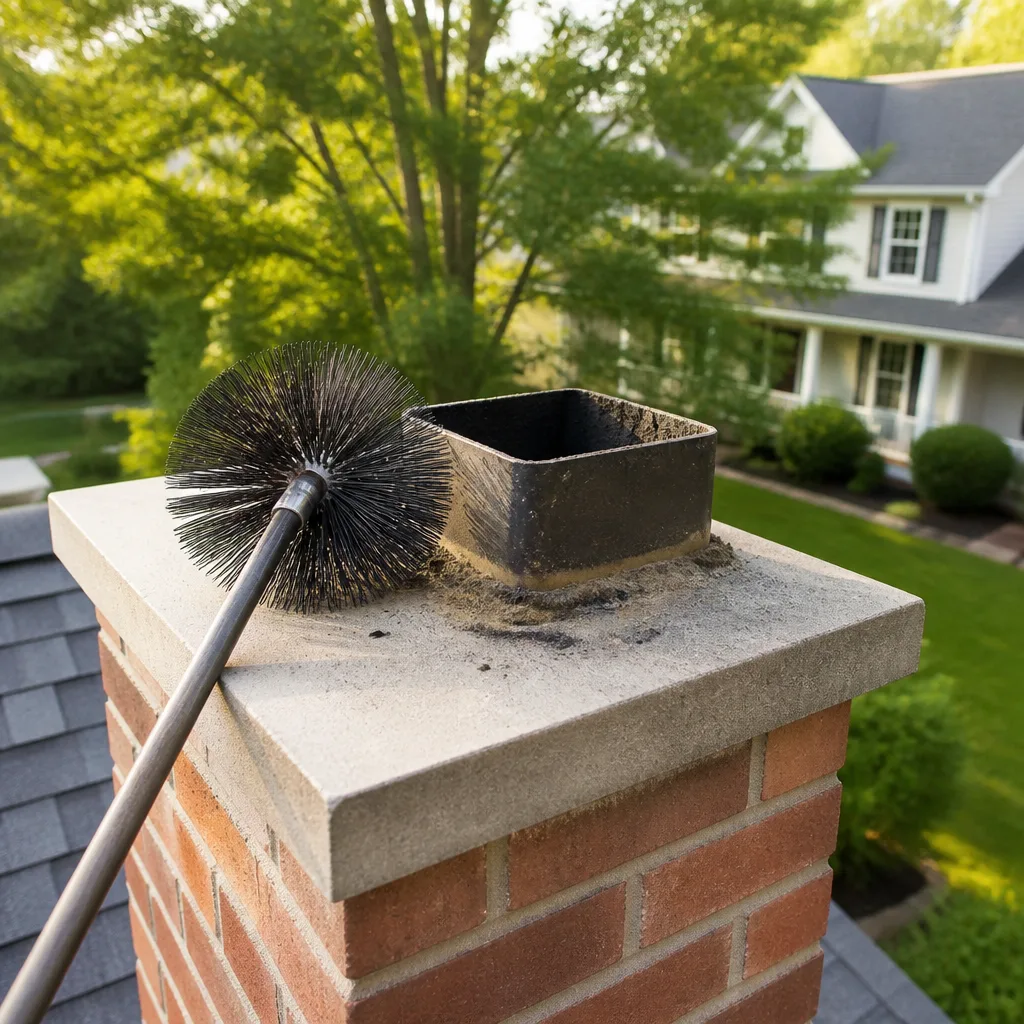
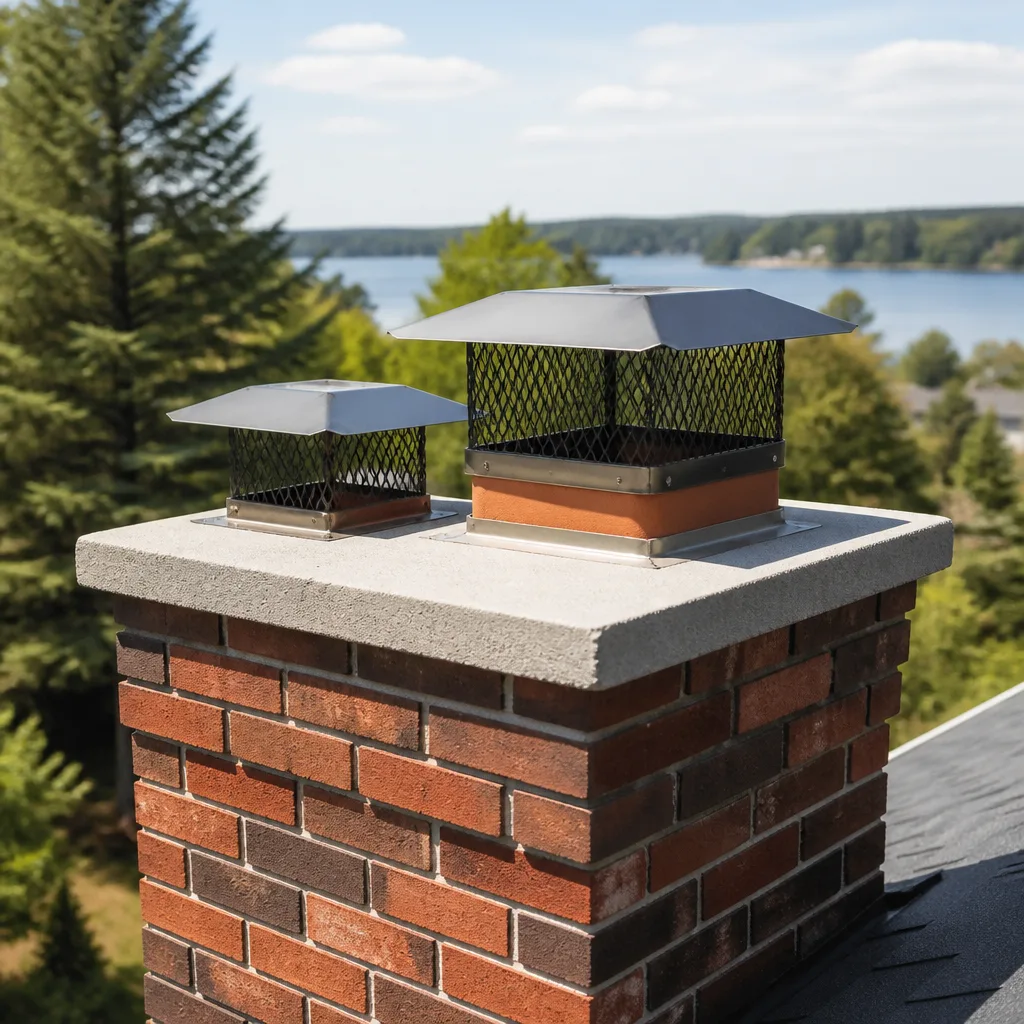
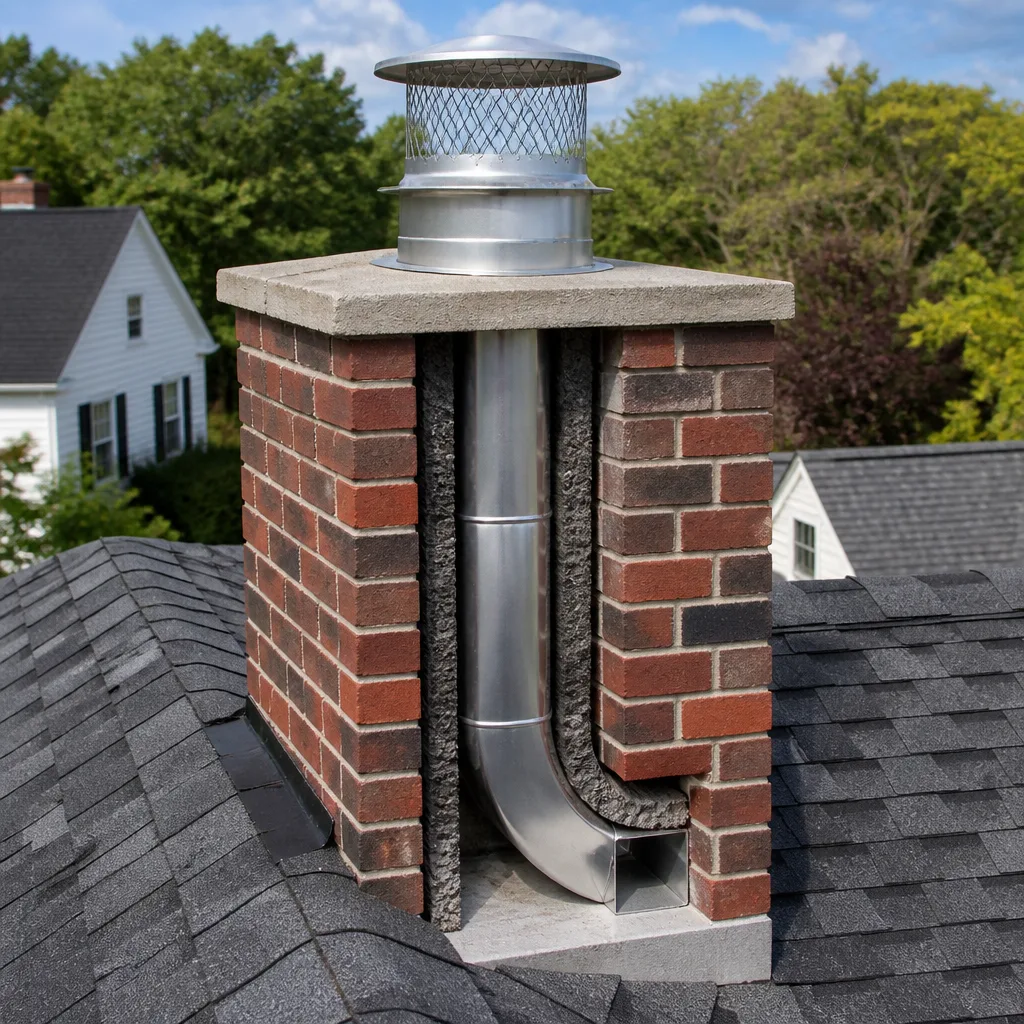
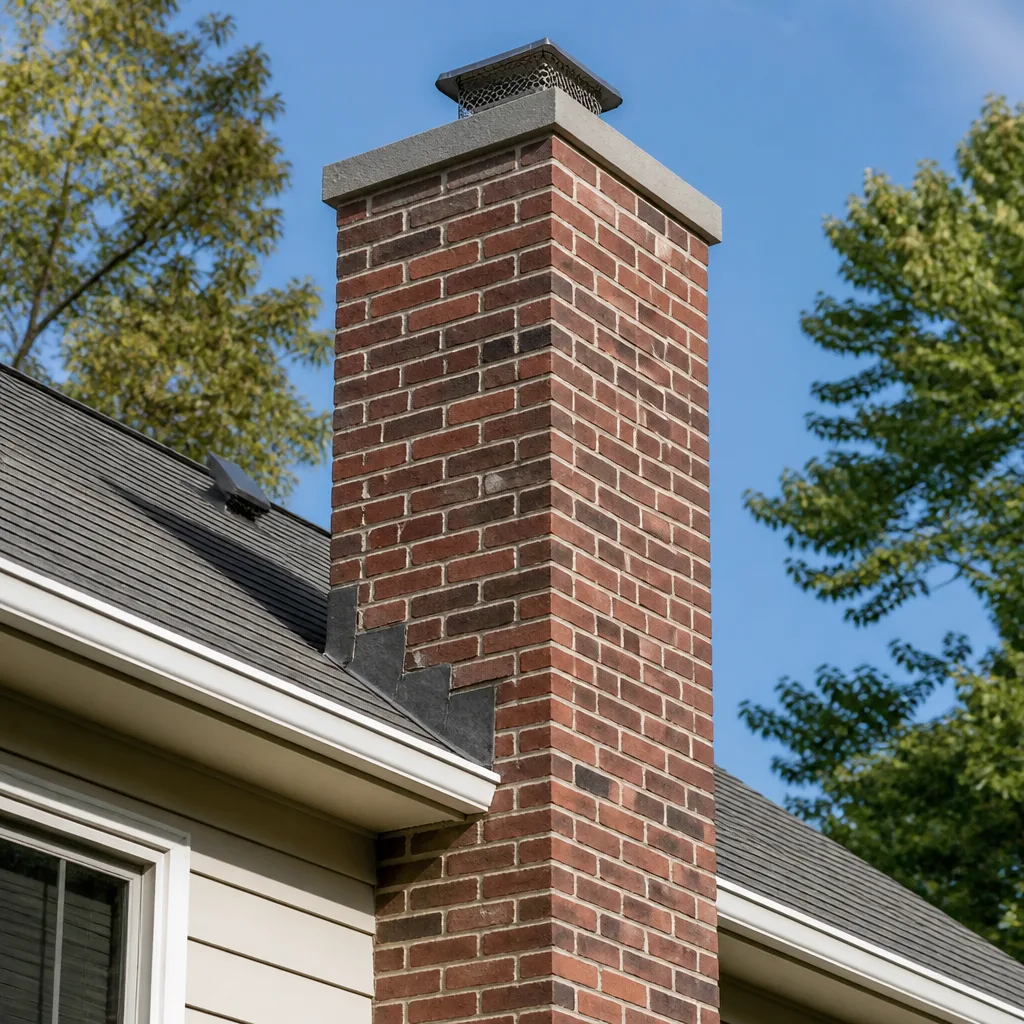
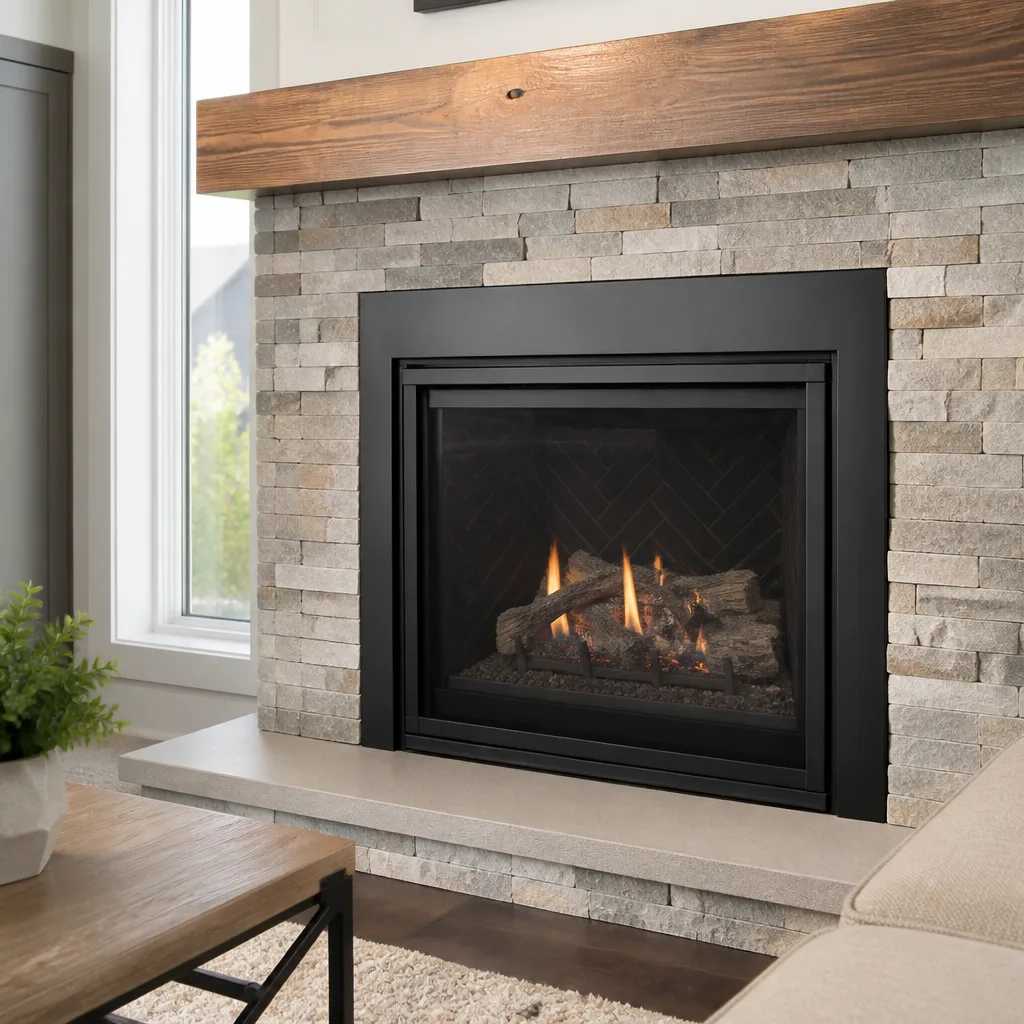
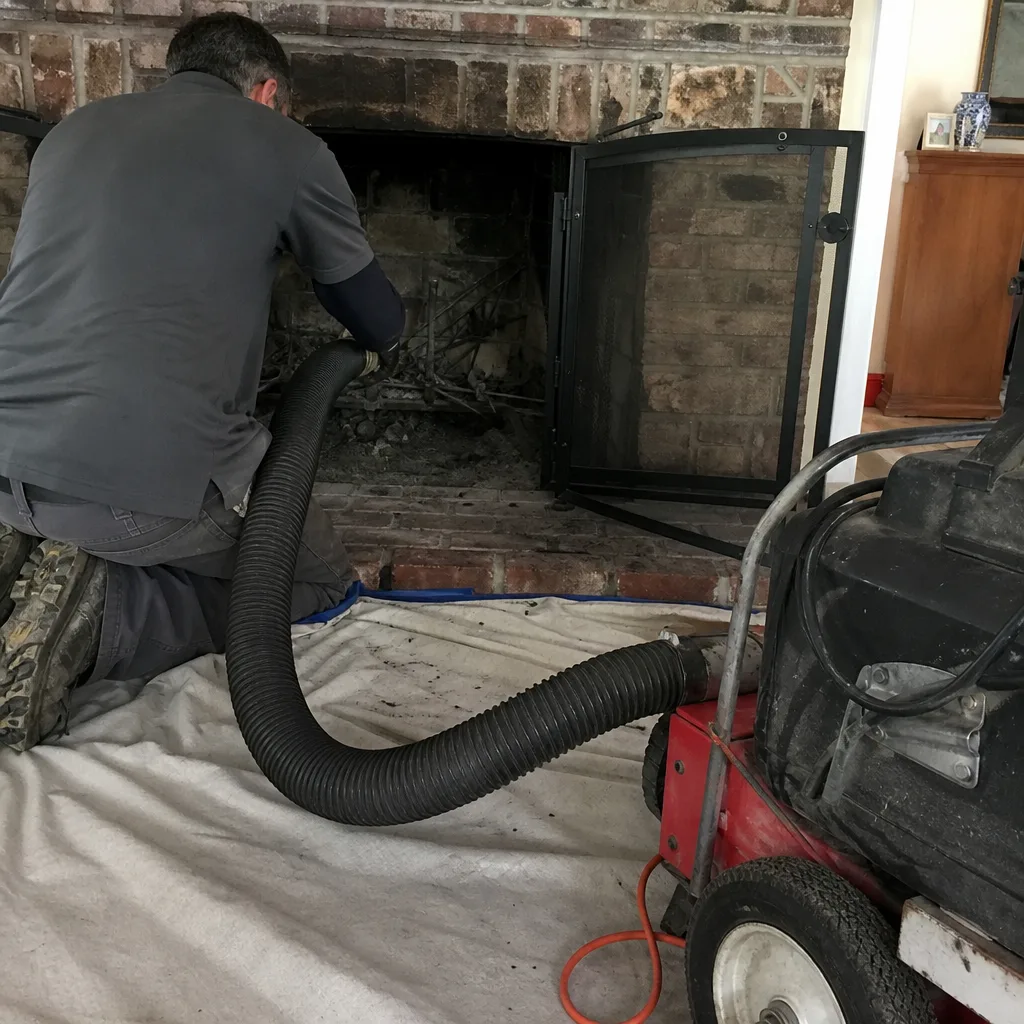 Before
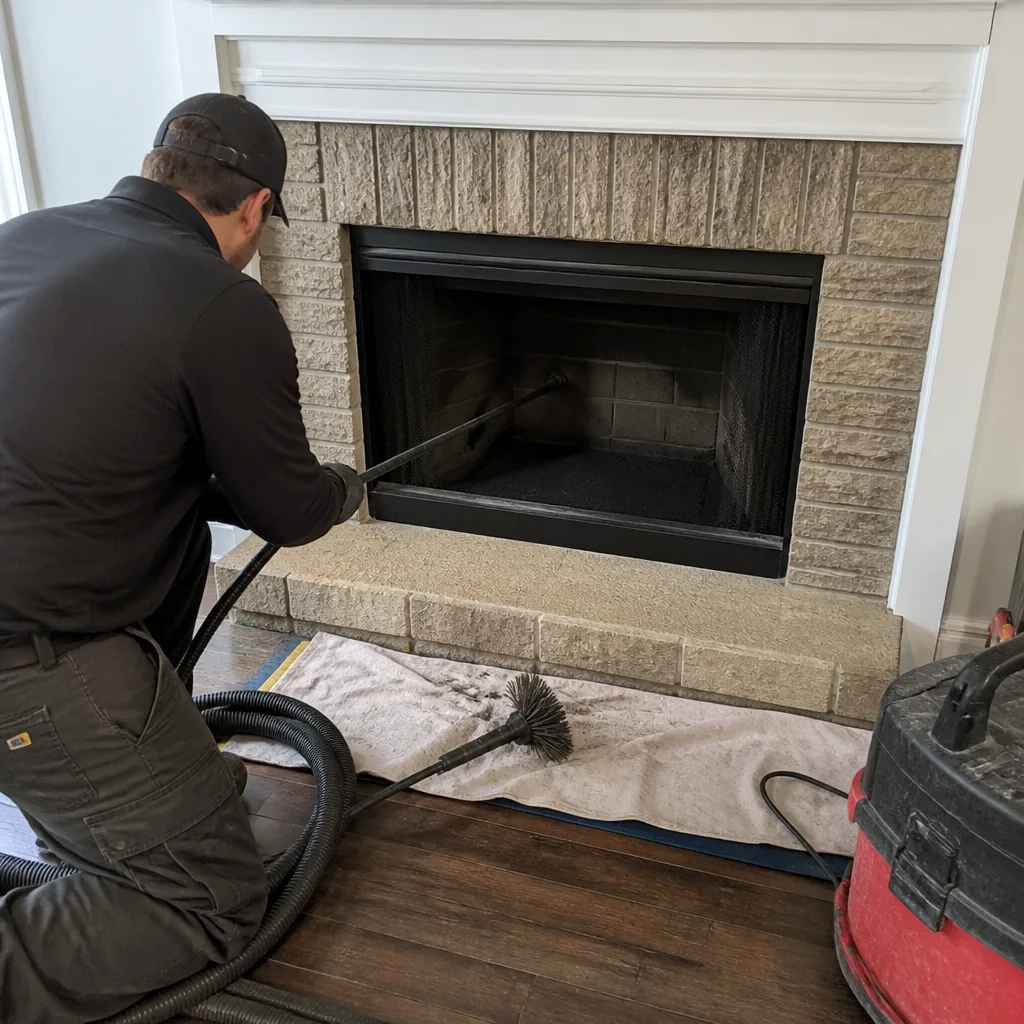 After
After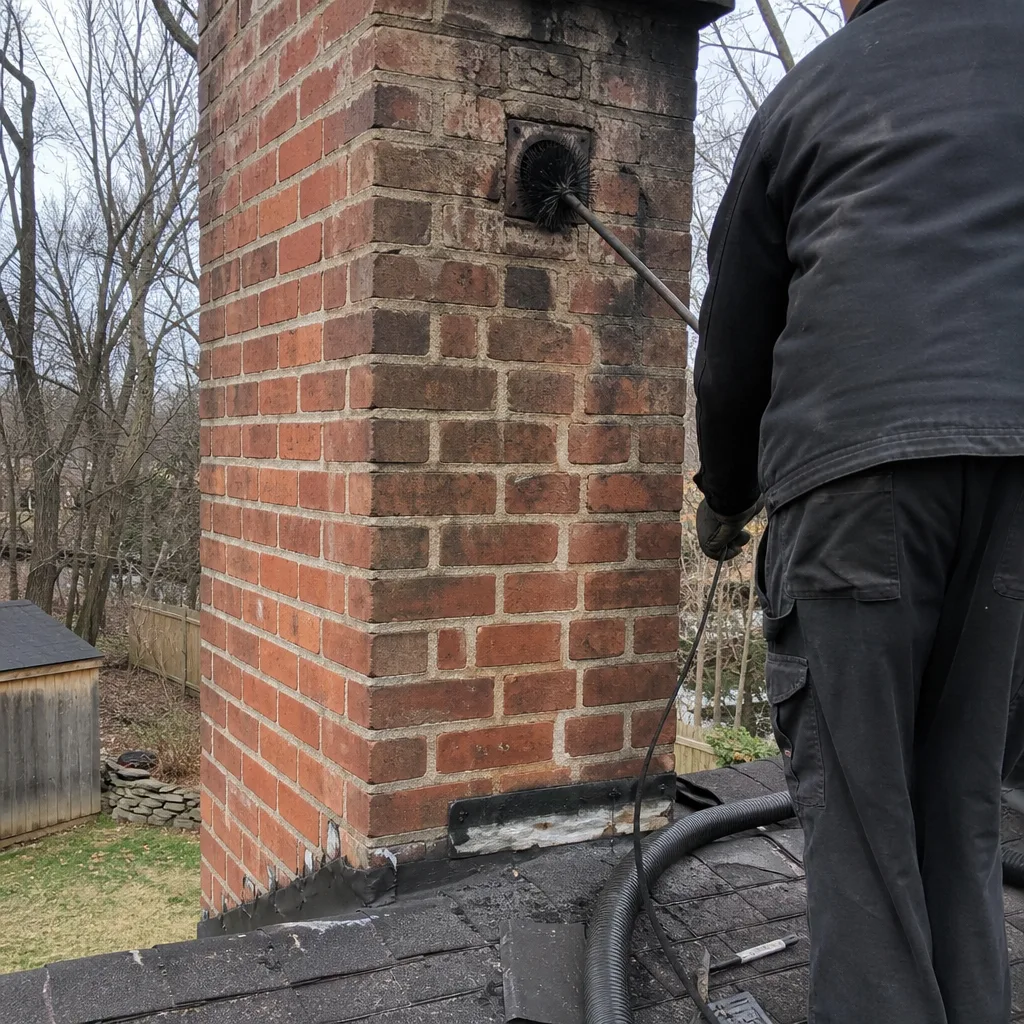 Before
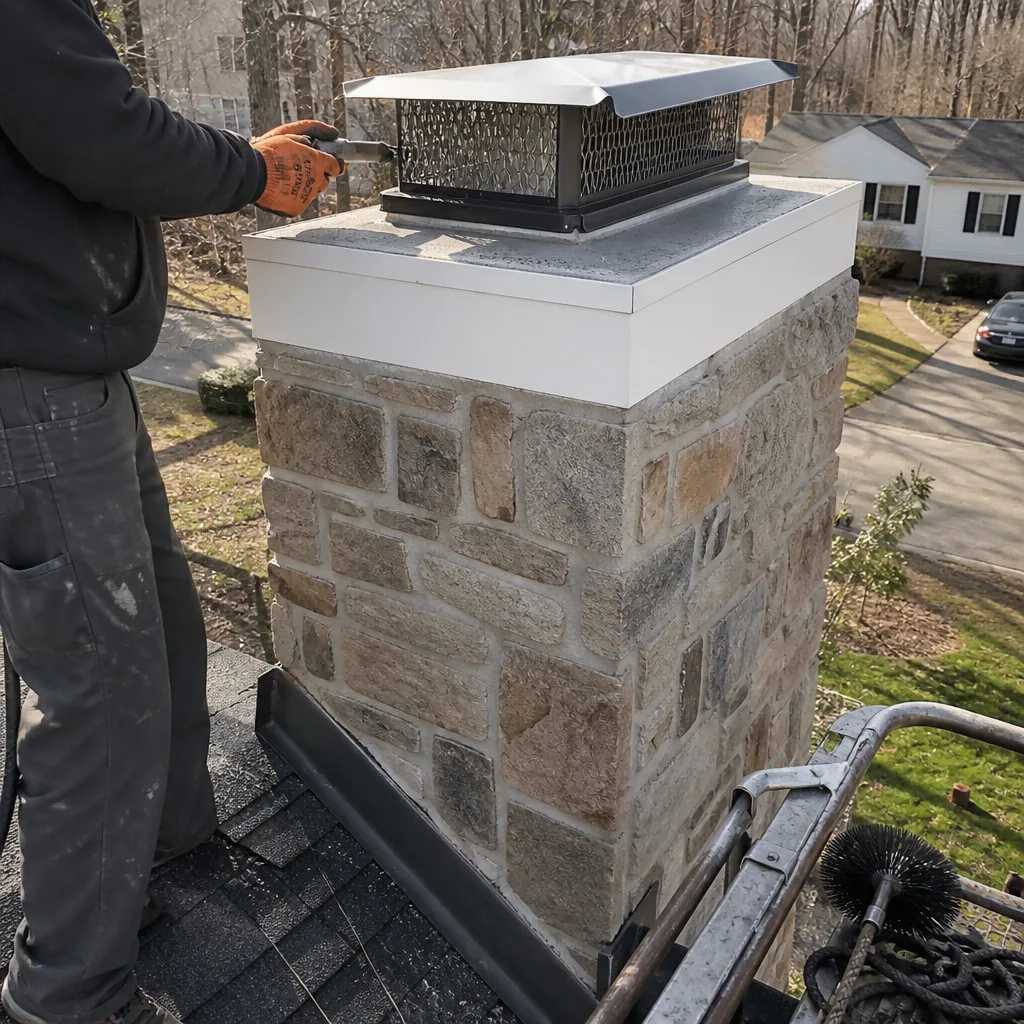 After
After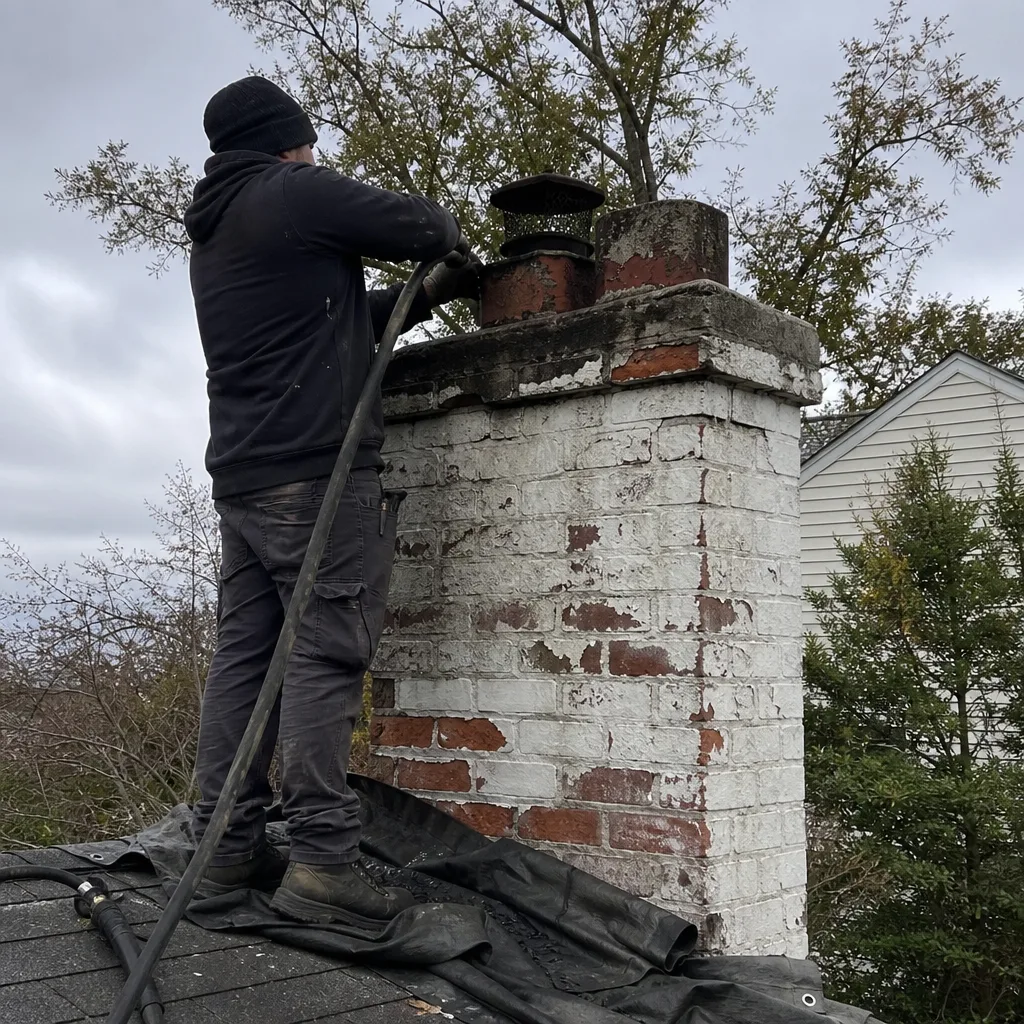 Before
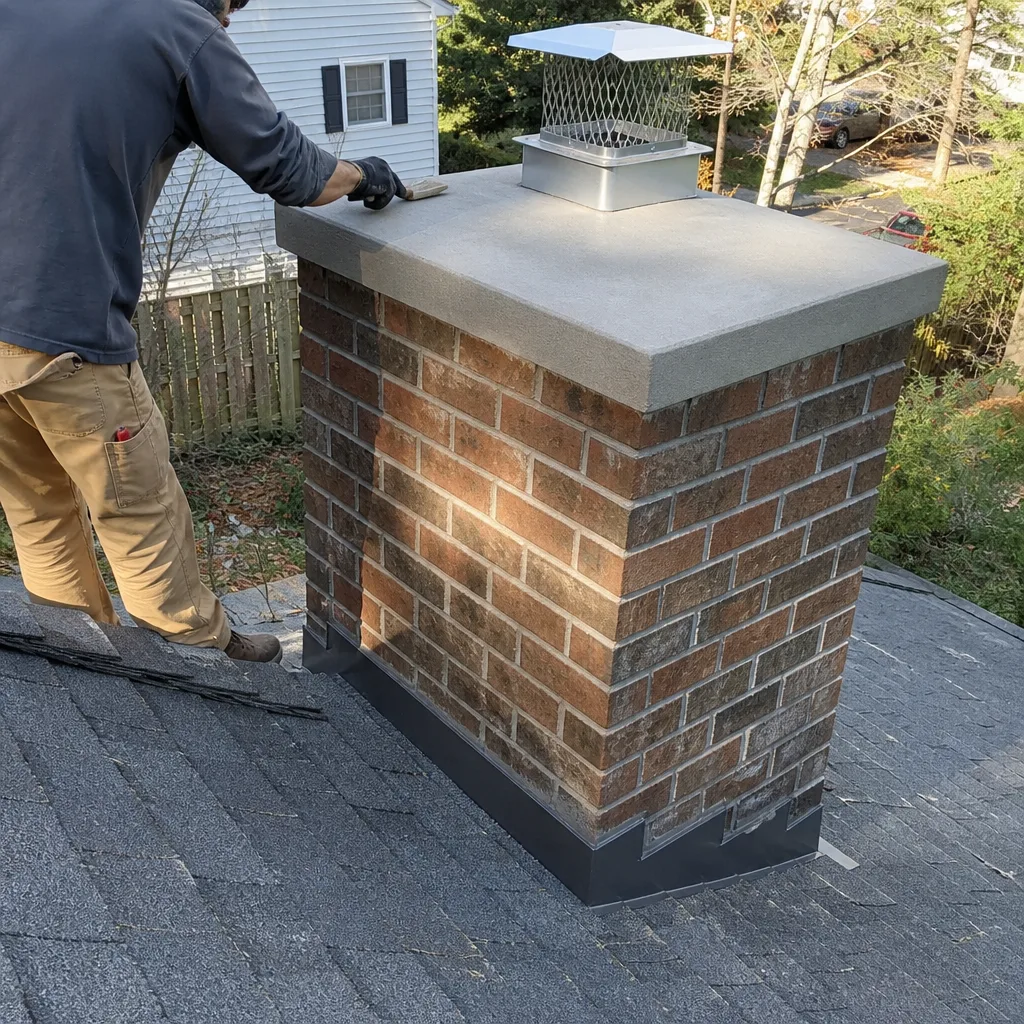 After
AfterThe Complete Guide to Chimney Cleaning in Alexandria
Most Alexandria homeowners have never seen the inside of their own chimney. We have, on more than 38,000 occasions since 2009, and here’s the part that should get your attention: the National Fire Protection Association estimates roughly one in four home heating fires involves a chimney that had been inspected and cleared. Not ignored. Cleared. The gap between what a flashlight sees and what a camera documents is exactly where house fires start in Alexandria’s aging brick colonials and mid-century ramblers. This guide walks you through a proper chimney cleaning from the camera scan forward, written for the homeowner who wants to see proof, not hear promises.
Quick Answer
A proper chimney cleaning in Alexandria costs between $189 and $349 for a standard open-flue sweep, rises to $249-$449 when a Level 2 camera-scan inspection is included, and should always produce a written price before work starts plus a documented photo record when it’s done. If your flue has never been camera-scanned, the honest answer is that nobody can tell you it’s actually clean.
Table of Contents
- Why Alexandria Chimneys Fail Differently
- Level 1 vs. Level 2 Cleaning: What Your Insurance Assumes
- What Creosote Looks Like on Camera vs. by Flashlight
- The Cleaning Process, Step by Step
- How to Read Your Post-Cleaning Report
- Gas Logs vs. Wood-Burning: Different Cleaning Protocols
- How Often Should Alexandria Chimneys Be Cleaned?
- What Alexandria Homeowners Actually Pay
- Common Mistakes to Avoid
- When to Call a Professional
- Frequently Asked Questions
- The Bottom Line
BeforeAfterWhy Alexandria Chimneys Fail Differently
Alexandria’s housing stock skews toward brick construction built between the 1940s and late 1970s. That matters because nearly all of those chimneys were built with clay tile flue liners, and clay tile behaves differently than the stainless steel systems installed in newer construction. Clay tiles absorb heat, expand, and contract. Over 50 or 60 years of Alexandria’s freeze-thaw winters and humid summers, the mortar joints between tiles crack, tiles spall (chip and flake), and gaps open up where heat, gas, and creosote can reach the brickwork behind the liner.
We see this pattern week after week in neighborhoods like Seminary Hill, Beverley Hills, and Rosemont. A homeowner calls us for a simple cleaning, and the camera scan reveals cracked flue tiles that no surface inspection could have caught. Clay tile liner degradation is not a sign of homeowner neglect. It is what time does to a material never designed to last this long in this climate. Level Two Chimney Alexandria home inspections have documented thousands of these failures, and the consistent theme is that they were invisible until a camera went down the flue.
What this means for cleaning intervals is concrete: an older clay-tile chimney in Alexandria that gets regular wood-burning use should be camera-scanned every single year, even if a visual sweep is technically “sufficient.” The incremental cost of the scan is trivial compared to the cost of discovering a crack by way of a chimney fire. If you burn wood more than two dozen times a year, your cleaning interval should not exceed 12 months. If you burn only occasionally, every 18 to 24 months is defensible, but the camera scan should still happen annually once the chimney passes 40 years old.
Level 1 vs. Level 2 Cleaning: What Your Insurance Assumes
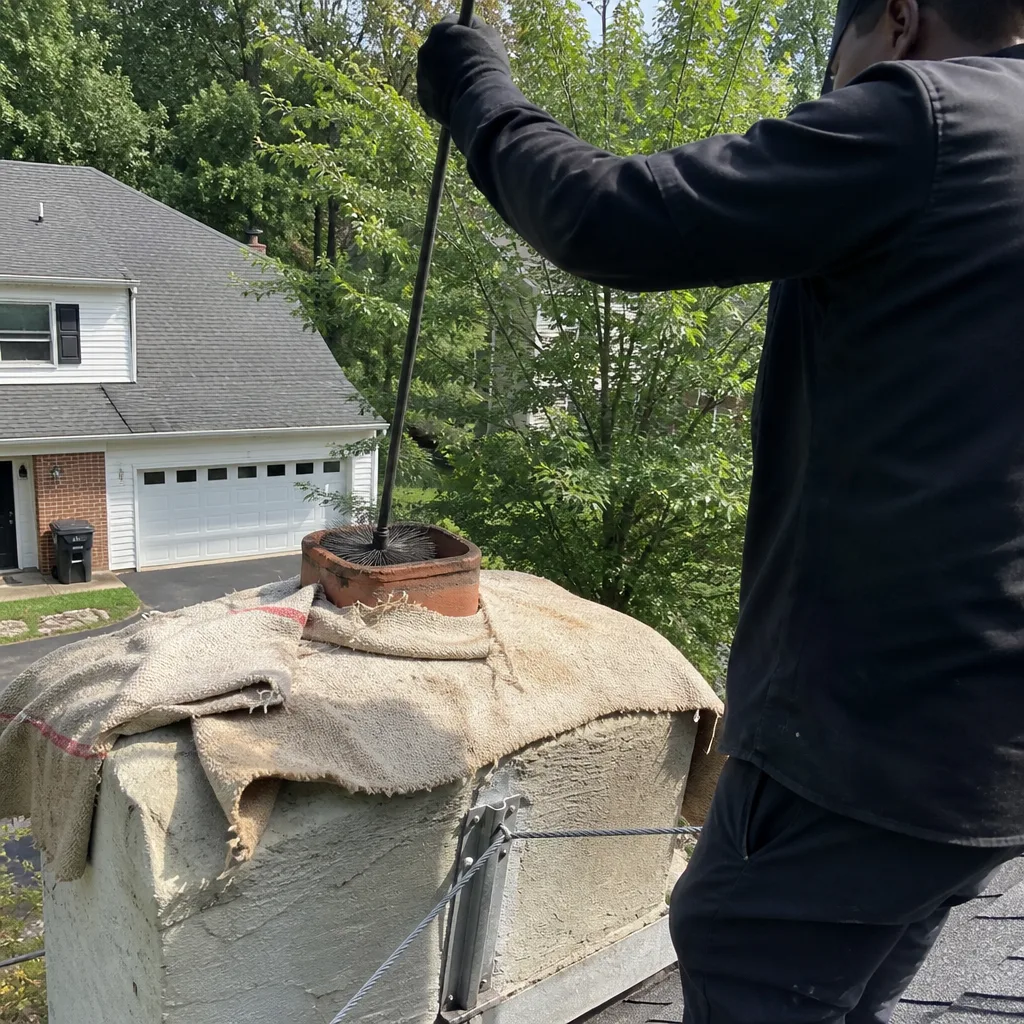
The distinction between a Level 1 and Level 2 inspection is the single most misunderstood fact in chimney care. A Level 1 inspection is a visual check of the accessible portions of the chimney: the firebox, the damper, and whatever the technician can see looking up the flue with a flashlight. It happens as part of a routine cleaning when nothing about the system has changed. A Level 2 inspection adds a video camera scan of the entire flue interior, plus an inspection of the attic, crawlspace, and exterior chimney structure. NFPA 211 requires a Level 2 inspection when the home is sold, when the fuel type changes, or after any event that could have damaged the chimney.
Here is the part Alexandria homeowners rarely hear: most insurance policies assume a Level 2 standard of care when you file a claim after a chimney fire. If your last documented service was a Level 1 flashlight sweep by a company that never put a camera down the flue, you may discover that your “maintained” chimney does not meet the standard your insurer expected. We have written about this dynamic extensively on our Chimney Cleaning & Sweep in Alexandria page, and the short version is this: a camera scan is not optional documentation. It is the difference between “we looked” and “we can prove what we saw.”
Level Two Chimney Co. made camera-scan documentation the default on every visit starting in 2009, years before regulators and insurers began asking for it. That practice became Clause 4 of the Haven Standard: a documented photo record on every job, not an upsell. Every cleaning we perform in Alexandria includes a Level 2 camera scan and a photo record the homeowner keeps. You should expect the same from any sweep you hire, and you should be suspicious of any company that charges extra for it.
What Creosote Looks Like on Camera vs. by Flashlight
Creosote forms when wood smoke condenses on the cooler walls of the flue. It accumulates in stages, and understanding those stages explains why a flashlight inspection can pronounce a chimney “fine” while a camera finds a fire hazard.
Stage 1 creosote is a light, flaky soot that brushes off easily. It is visible with a flashlight. A standard sweep removes it without drama.
Stage 2 creosote is the problem child. It appears as shiny black flakes, often hardened, sometimes described as looking like tar or roasted coffee. Stage 2 accumulates in the upper third of the flue where it is cooler, which is precisely where a flashlight aimed from the firebox below cannot see it. A technician standing at the firebox looking up sees gray flue tile and reports clean. A camera inserted from the top sees glazed, corrugated black deposits that can ignite at 2,000°F.
Stage 3 creosote is a hardened, tar-like glaze, often with a honeycomb texture. It requires rotary tools, chemical treatment, or both to remove. Stage 3 is almost never visible from below.
We have pulled camera footage from Alexandria chimneys where the bottom 10 feet looked spotless and the top 15 feet were glazed with Stage 3 creosote. The homeowner had a cleaning certificate from a flashlight sweep six months earlier. This is not an exotic scenario. This is the single most common find in our 38,000-plus documented inspections. If your flue is clay tile, over 40 years old, and has never been camera-scanned, the probability that you have Stage 2 or Stage 3 creosote hiding above the sightline is not negligible. It is likely.
The Cleaning Process, Step by Step
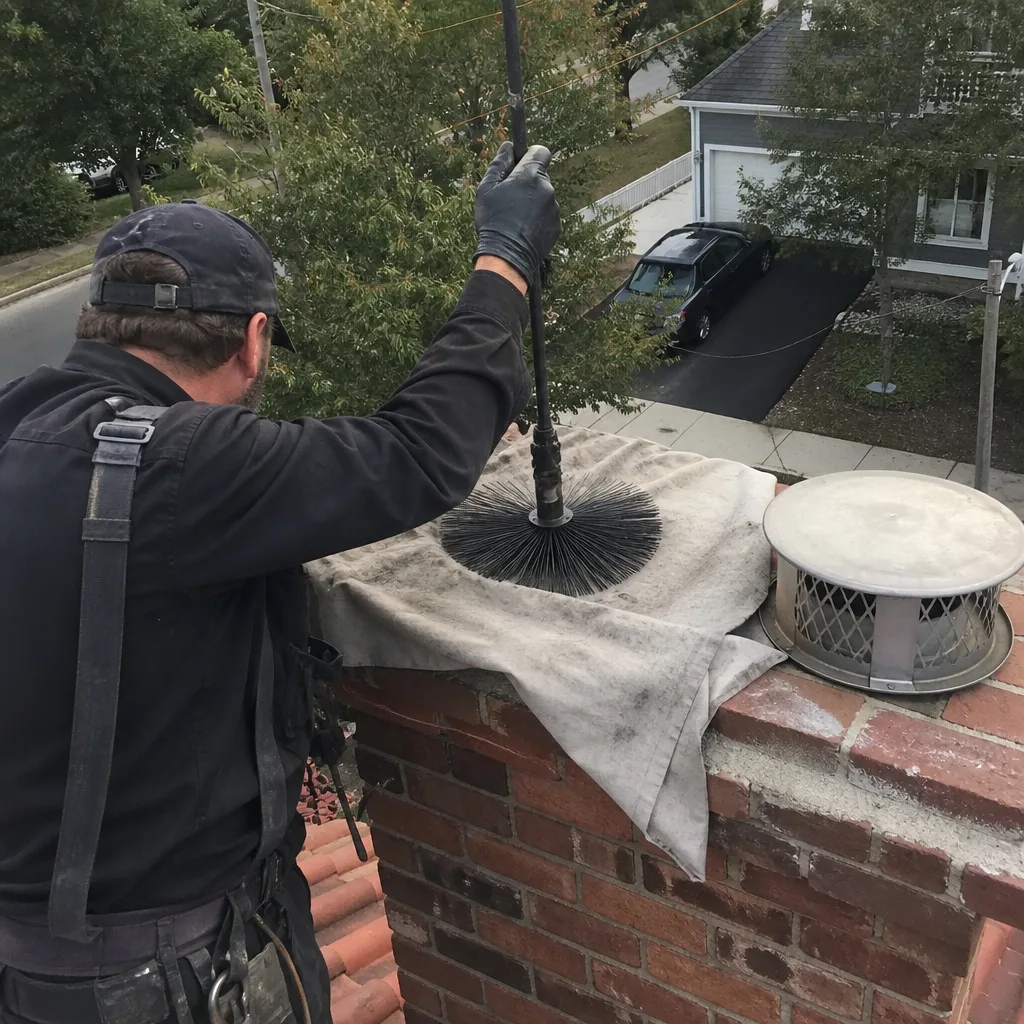
Here is what a proper chimney cleaning and sweep in Alexandria should look like from the moment the technician arrives. We follow this sequence on every job, and you should hold any company you hire to the same standard.
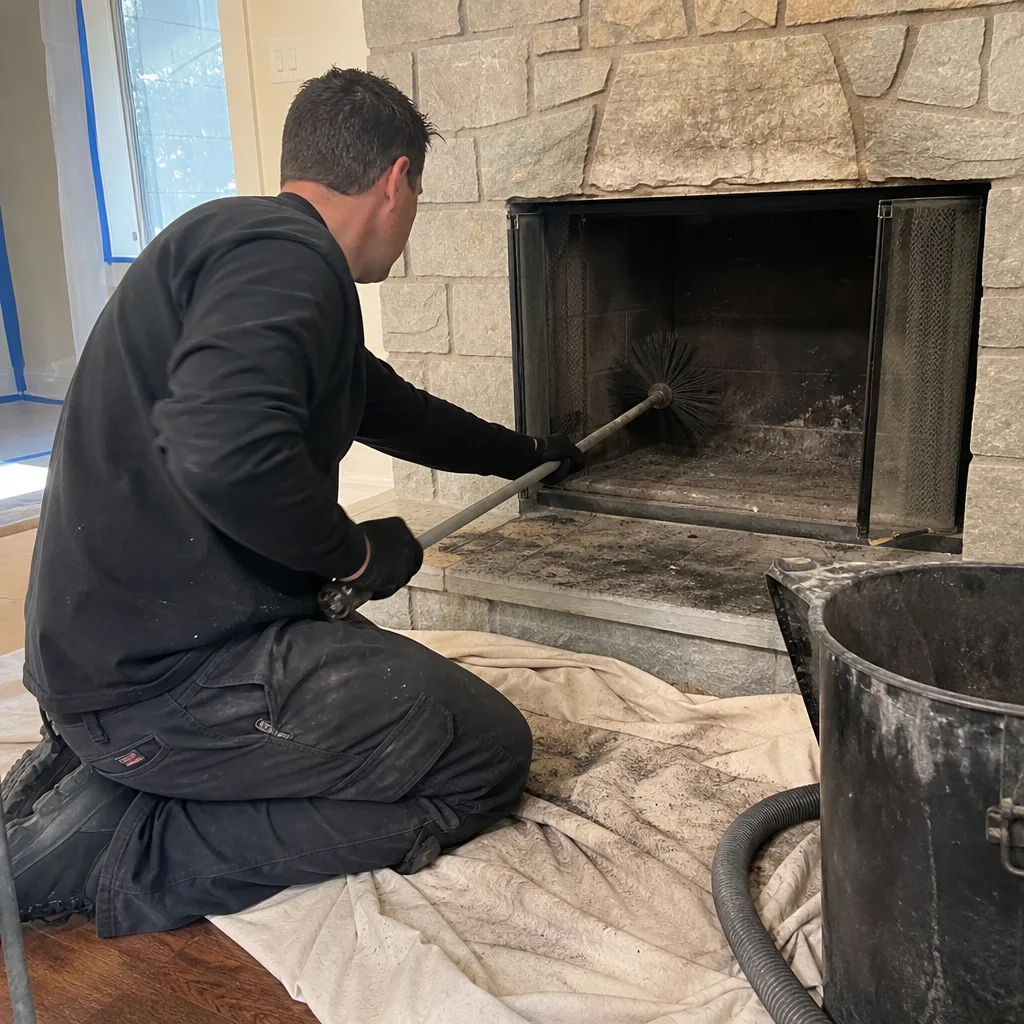
- Arrival and protection. The technician lays down drop cloths, runs a HEPA-filtered vacuum, and seals the firebox opening before any brushing begins. If a company does not seal the firebox, they do not respect your furniture.
- Pre-cleaning camera scan. The flue gets a full video pass, top to bottom. This establishes baseline condition and captures any cracks, gaps, or glazed creosote before cleaning changes the picture.
- Written confirmation of scope. If the pre-scan finds a condition beyond cleaning, you get a written price for that specific repair before any work proceeds. Haven Standard Clause 1: a written price, written scope, and written warranty before anyone starts. No exceptions.
- Mechanical brushing. Steel or poly brushes sized to the flue run the full length of the liner. Stage 1 and most Stage 2 creosote comes off here.
- Rotary treatment for Stage 3. If glazed creosote is present, a rotary whip head with metal chains breaks the glaze. A chemical treatment may follow for residual tar. This step is skipped by every flashlight-only sweep because they never find the Stage 3 in the first place.
- Smoke chamber and damper cleaning. The smoke chamber above the firebox collects creosote and is frequently missed. It gets brushed and vacuumed.
- Post-cleaning camera scan. The flue gets a second full video pass. This is the proof. You see the before and after footage yourself.
- Photo report and written warranty. You walk away with photos, findings, and a written warranty for the work performed. If the cleaning revealed a repair need, you also have a written quote for that repair, decided in daylight, not under sales pressure.
The entire process on a standard Alexandria single-flue chimney takes 60 to 90 minutes for the cleaning alone, longer if a rotary treatment is required. If a company is in and out in 30 minutes and hands you a receipt with no photos, ask for the footage. A camera is not optional equipment in 2026.
How to Read Your Post-Cleaning Report
A post-cleaning report is only as useful as the evidence it contains. We have seen “inspection reports” from Alexandria-area competitors that are one paragraph long and include not a single photo. That is not a report. That is an opinion with a letterhead.
Your post-cleaning documentation should include the following, and you should not pay final invoice until you have all of it:
- Pre-cleaning video stills showing the flue condition before work began. If you are being told you need a repair, these photos should show the defect clearly enough that a neighbor could identify it.
- Post-cleaning video stills showing the same flue sections after brushing. Side-by-side is even better.
- Written findings in plain language. Not just “flue cleaned.” You want terms like “Stage 2 creosote removed from upper 12 feet of flue” or “cracked flue tile at the 14-foot mark, requires replacement” (followed by a referral to a chimney repair service in Alexandria).
- Measurements. Flue diameter, liner height, clearances to combustibles. These numbers matter for repair quotes and for any future insurance documentation.
- Written warranty. What is covered, for how long, and under what conditions. If a company will not put the warranty in writing, it does not exist.
Haven Standard Clause 4 requires a documented photo record on every visit. We have maintained that archive since 2009. When a homeowner in Alexandria asks us to look back at a chimney from three years ago, we can pull the footage and compare. That continuity is not a marketing point. It is the difference between a service record and a receipt.
Gas Logs vs. Wood-Burning: Different Cleaning Protocols
Alexandria has a distinct split in fireplace systems. Older homes in Del Ray and Old Town often still run original wood-burning fireplaces, while homes renovated in the last 15 years frequently have gas log sets or direct-vent inserts. The cleaning protocol for each is different, and treating them the same is a common failure point.
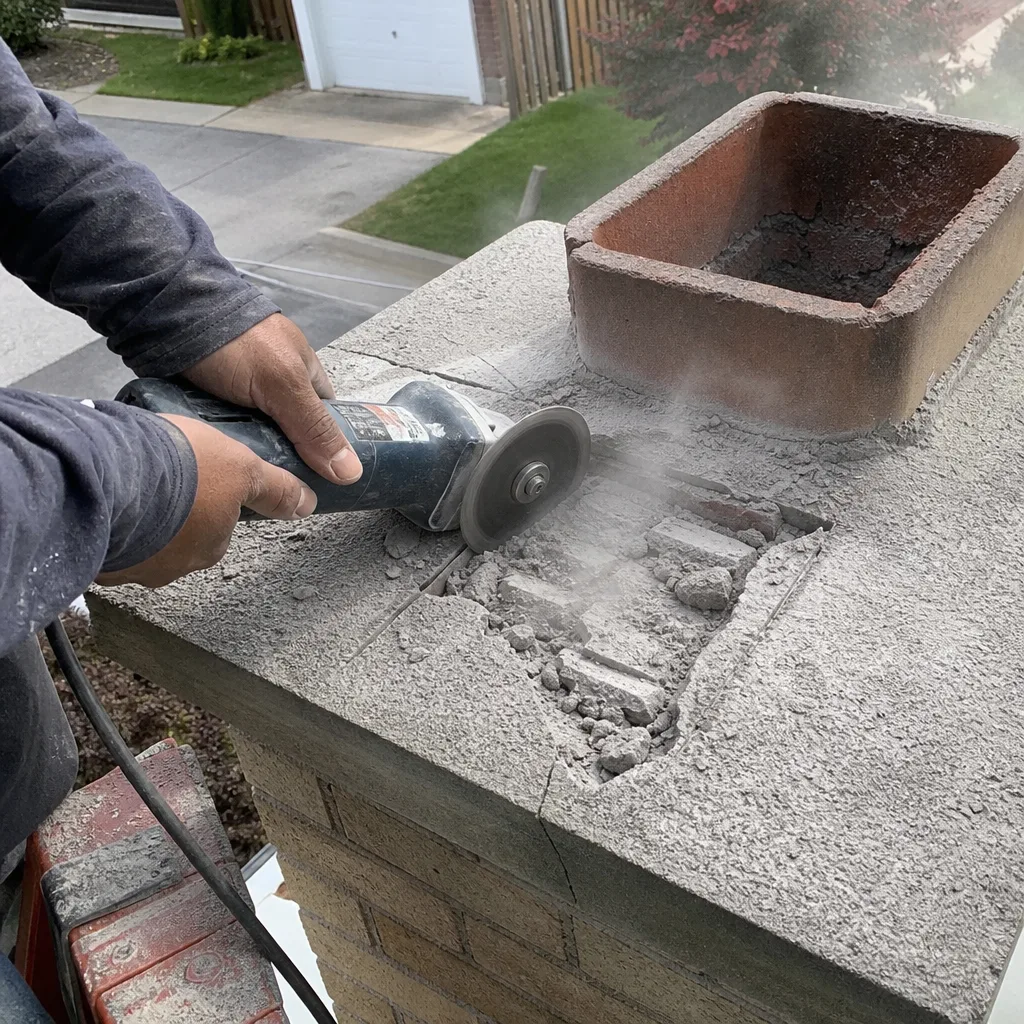
Wood-burning fireplaces produce creosote with every burn. The cleaning focus is mechanical: brush the flue, clean the smoke chamber, inspect the firebox for cracks, and verify the crown and cap are keeping water out. These chimneys get the full sweep protocol every year in heavy-use homes.
Gas log sets do not produce creosote, but they are not maintenance-free. Gas combustion produces acidic water vapor that can attack clay tile liners over years. We regularly see gas-log chimneys in Alexandria with spalling clay tiles caused by decades of gas condensation, not wood heat. Gas systems also have their own failure points: the log set positioning, the gas valve, and the venting configuration all need verification. A gas-log chimney still gets a camera scan, but the brushing is lighter and the inspection focus shifts to venting and tile condition.
Wood stoves and inserts, common in Alexandria’s split-levels and raised ranches, represent a third protocol. The stainless liner inside the original masonry flue gets a different brush type, and the stove connector pipe gets inspected separately. Liner manufacturers like Olympia Chimney and DuraFlex produce stainless systems with specific clearances that a technician must verify against the installation. We source materials from both manufacturers through Haven’s buying network specifically to keep replacement costs honest for Alexandria homeowners.
The mistake is assuming that because gas logs do not make creosote, the chimney does not need service. Gas combustion attacks clay tile differently but no less seriously. Annual inspection for gas systems, annual sweep for wood systems. That is the rule we give every Alexandria homeowner.
How Often Should Alexandria Chimneys Be Cleaned?
The honest answer depends on three variables: what you burn, how often you burn it, and what your flue is made of. Here is the breakdown we give on-site, adjusted for Alexandria’s climate and housing stock.
- Wood-burning, more than 24 fires per year: Clean and camera-scan every 12 months. No exceptions. Clay tile liners in 1950s-to-1970s Alexandria homes accumulate Stage 2 creosote in the upper flue faster than homeowners expect.
- Wood-burning, occasional use (less than 24 fires per year): Clean every 18 to 24 months, but camera-scan annually if the chimney is over 40 years old. The scan is cheap insurance against hidden tile cracks.
- Gas logs only: Camera-scan inspection annually. Lighter cleaning every 2 to 3 years unless the scan finds a problem. Gas condensation attacks tile slowly but steadily.
- Wood stove or insert: Follow the 12-month rule. Stoves burn hotter and produce fine particulate creosote that deposits in the stainless liner.
- Unused fireplace, new homeowner: Sweep and full Level 2 scan before first use. You have no idea what the previous owner burned or what condition the liner is in. In Alexandria’s real estate market, Home inspectors do not camera-scan chimneys.
We also adjust for local conditions. Alexandria’s humid summers accelerate spalling on already-cracked tiles. The freeze-thaw cycle from November through March works on crown cracks and masonry joints. A chimney that looked fine in April can show new damage by November. The 12-month camera interval is not a cash grab. It is calibrated to what Alexandria’s climate actually does to brick and clay.
What Alexandria Homeowners Actually Pay
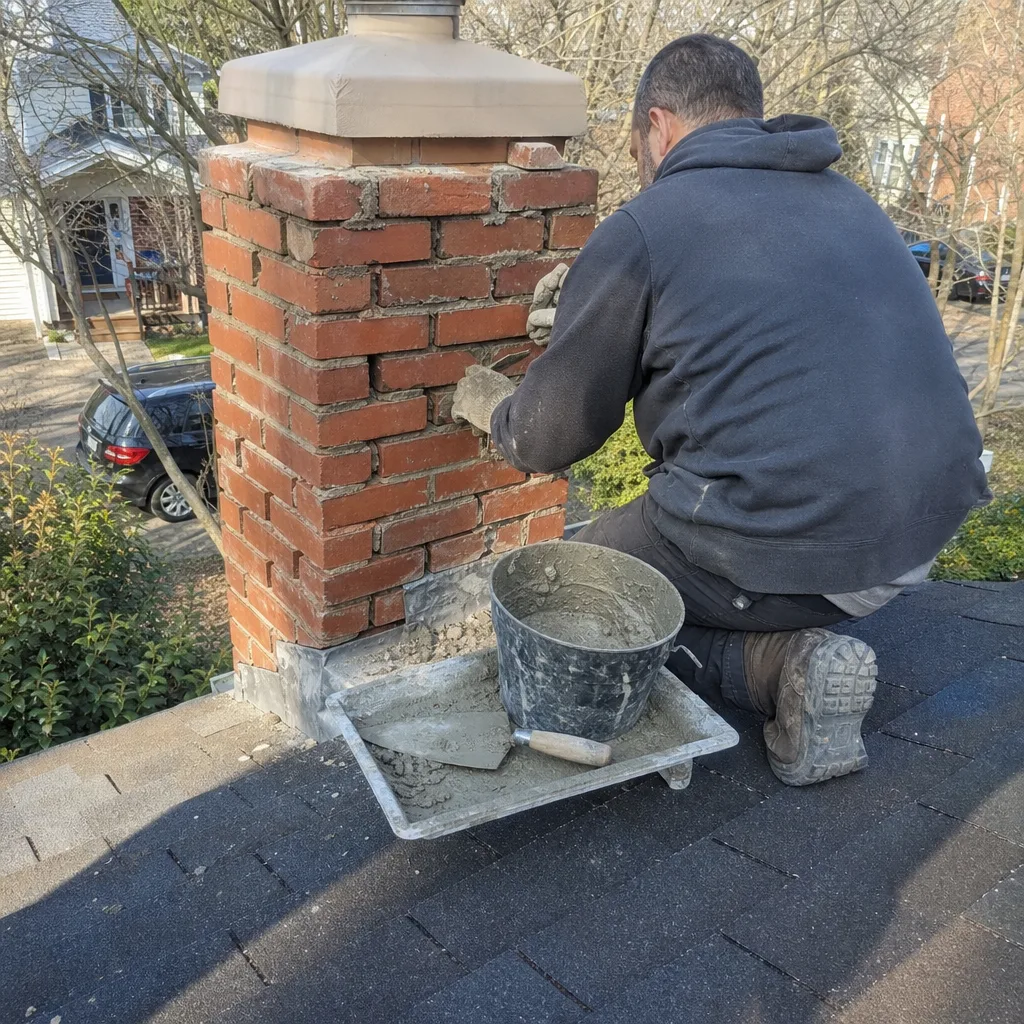
Alexandria chimney cleaning prices range from $189 to $349 for a standard single-flue sweep, with the variance driven by flue height, creosote stage, and access difficulty. A cleaning that includes a Level 2 camera scan and documented photo report runs $249 to $449. These are the numbers we quote in writing before work starts, and they are consistent with what other reputable fireplace services in Alexandria charge. If a quote comes in below $150 for a “full cleaning and inspection,” be skeptical about what equipment is actually coming off the truck.
| Service | Typical Alexandria Price | Notes |
|---|---|---|
| Standard chimney sweep (single flue, Level 1) | $189 - $249 | Flashlight-only. Not recommended. |
| Sweep with Level 2 camera scan and photo report | $249 - $349 | The standard we perform on every job. |
| Sweep with rotary treatment (Stage 3 creosote) | $349 - $449 | Additional labor and chemical treatment. |
| Chimney cap and crown repair | $250 - $750 | Varies by material and access. |
| Stainless liner installation | $2,500 - $5,500 | DuraFlex or Olympia Chimney systems. |
| Full chimney rebuild (crown down) | $6,000 - $15,000 | Rare in Alexandria unless significant spalling. |
The liner numbers deserve a moment. When a camera scan in an Alexandria 1960s colonial reveals cracked clay tiles, the fix is a stainless liner from a manufacturer like DuraFlex, not a patch job. A liner install is a $2,500 to $5,500 project, and every Alexandria homeowner’s first question is “can I wait?” The answer depends on what the camera showed. Hairline cracks with no spalling and no creosote penetration behind the tile can sometimes be monitored. Gaps between tiles, missing tile pieces, or creosote visible in the void between liner and brick means the system cannot safely wait another season. We will show you the footage and let you decide. If we tell you it can wait, we will tell you in writing and document why.
One more pricing point worth making plainly: a camera scan is not an upsell. Any Alexandria sweep quoting you a cleaning without a camera scan is selling you a partial service at a partial-service price, and your insurance company will treat it that way if something goes wrong. Pay for the scan. It is the cheapest liability insurance you will ever buy.
Common Mistakes to Avoid
- Accepting a flashlight-only “inspection” as proof of a clean flue. Stage 2 and Stage 3 creosote accumulate in the upper flue where a flashlight from below cannot reach. If your sweep did not send a camera down, you got a glance, not an inspection.
- Skipping the pre-cleaning scan. A post-cleaning photo without a pre-cleaning photo tells you nothing about what was actually removed. You cannot verify the before state if it was never documented.
- Burning pine and unseasoned wood in an Alexandria clay-tile chimney. Softwoods and green wood produce heavy creosote loads. Seasoned hardwood (oak, hickory, maple) burns cleaner. Stack firewood off the ground and let it season 12 months minimum in Alexandria’s humidity.
- Ignoring the chimney cap. A missing or damaged cap lets rain into the flue, and rain plus creosote creates an acidic slurry that eats mortar joints. A $250 cap replacement is cheap compared to a $4,000 liner job. We install Famco and Copperfield caps regularly.
- Deferring a liner replacement after a camera scan flagged it. Cracked clay tiles do not self-heal. Every burning season widens the gap. The house fire math is not complicated.
- Hiring based on the lowest quote without asking about documentation. The difference between a $189 flashlight sweep and a $289 camera-documented sweep is the single most important $100 in chimney maintenance. Ask what you will receive in writing before you pay.
- Not keeping your chimney records. Your photo report and written warranty are the documentation your insurer will want if you ever file a claim. Keep them with your home’s maintenance records.
When to Call a Professional
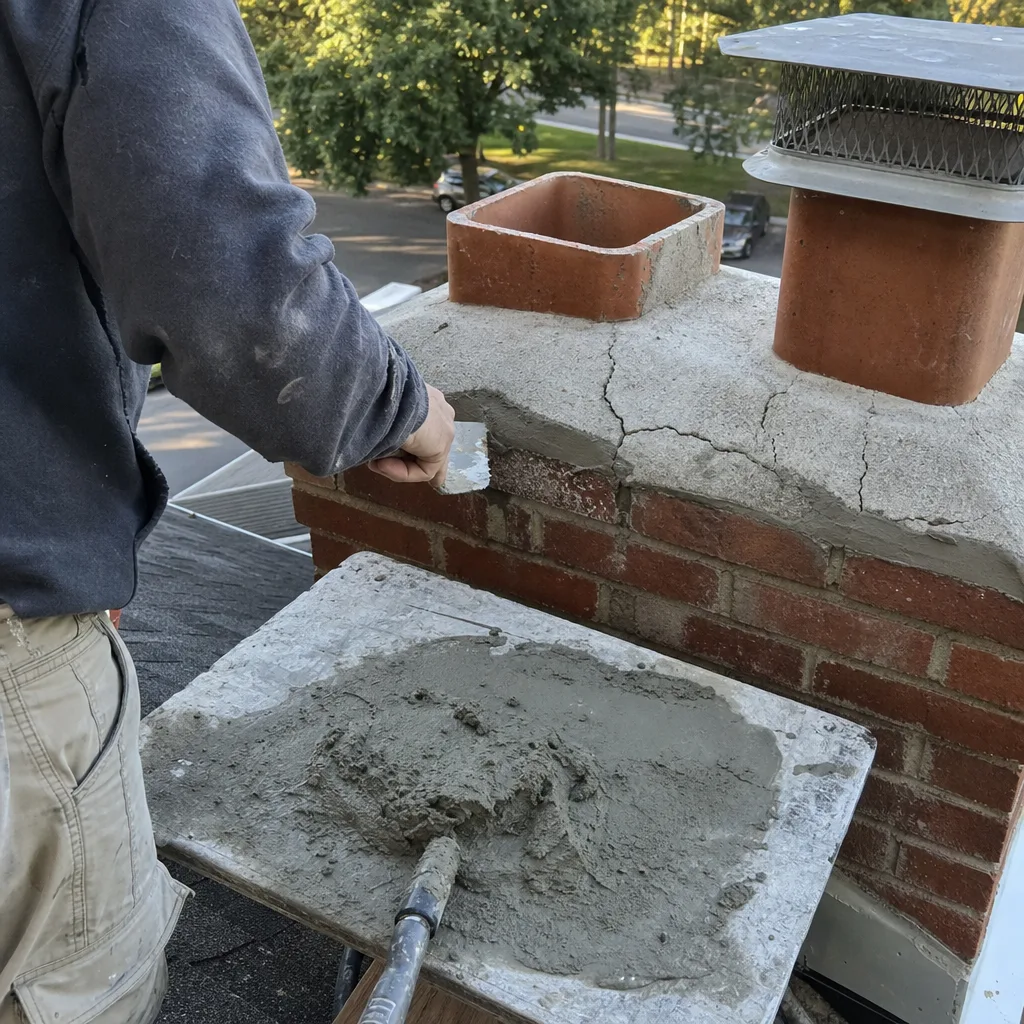
Chimney cleaning is not a DIY project. The risks are not just falling off a roof; they include disturbing creosote deposits without proper vacuum filtration, failing to catch liner damage that a trained eye would catch, and leaving the system in a condition you wrongly believe is safe. Call a professional if you have not had your chimney camera-scanned in the past 12 months, if you notice a smoky odor when the fireplace is not in use, if you see flaking masonry or a rusted damper, or if you have burned more than one cord of wood since your last service. High-tension components like dampers and chase covers require proper equipment and training, and roof access on Alexandria’s steep-pitched capes and colonials is genuinely dangerous without fall protection. Level Two Chimney Alexandria offers free estimates throughout Alexandria, including Old Town, Del Ray, Rosemont, and Seminary Hill. Call (240) 290-6726 to schedule a cleaning or to ask a question about a report you received from another company.
Frequently Asked Questions
A standard chimney sweep in Alexandria costs $189 to $249 for a single-flue visual cleaning, and $249 to $349 when a Level 2 camera scan and photo report are included, as they always are with our service. Rotary treatment for Stage 3 creosote pushes the total to $349 to $449. Every quote is provided in writing before work starts, and a written warranty comes with every completed job. Call (240) 290-6726 for a free, exact estimate on your Alexandria home.
If you burn wood more than 24 times per year in an Alexandria home, your chimney should be cleaned and camera-scanned every 12 months. Occasional wood burners can stretch to 18-24 months between cleanings, but chimneys over 40 years old should still get an annual camera scan regardless. Gas-log fireplaces need an annual inspection but lighter cleaning every 2-3 years.
A Level 1 inspection is a visual check of the accessible chimney portions using a flashlight, while a Level 2 inspection adds a full video camera scan of the flue interior plus exterior and structural checks. Alexandria homeowners should expect a Level 2 scan as the default on every cleaning. We have provided camera-scan documentation on every visit since 2009, a practice that became Clause 4 of the Haven Standard.
Gas chimneys do not produce creosote, but gas combustion creates acidic condensation that slowly attacks clay tile liners. We document spalled and cracked tiles in gas-log chimneys across Alexandria regularly. Gas systems need an annual camera inspection and lighter cleaning on a 2-3 year cycle, not zero maintenance.
Creosote accumulates in stages, with Stage 2 and Stage 3 deposits building in the upper flue where they are invisible from the firebox. Skipping cleanings allows glazed creosote to form, and glazed creosote burns at 2,000°F when ignited. The result is a chimney fire that can crack clay tiles, damage the liner beyond repair, and spread to the house structure. The cleaning plus camera scan costs less than $350 in Alexandria; the liner replacement after a chimney fire is $2,500 to $5,500, assuming the house is still standing. Call (240) 290-6726 to schedule an inspection before burning season starts.
You want a company that provides a written price before work starts, a documented photo record when the job is done, and a written warranty on the work, all of which are requirements of the Haven Standard we follow. Ask directly whether a camera scan is included and what documentation you will receive. If the answer is vague about photos or a lower quote excludes the camera, you are comparing a partial service to a complete one.
The Bottom Line
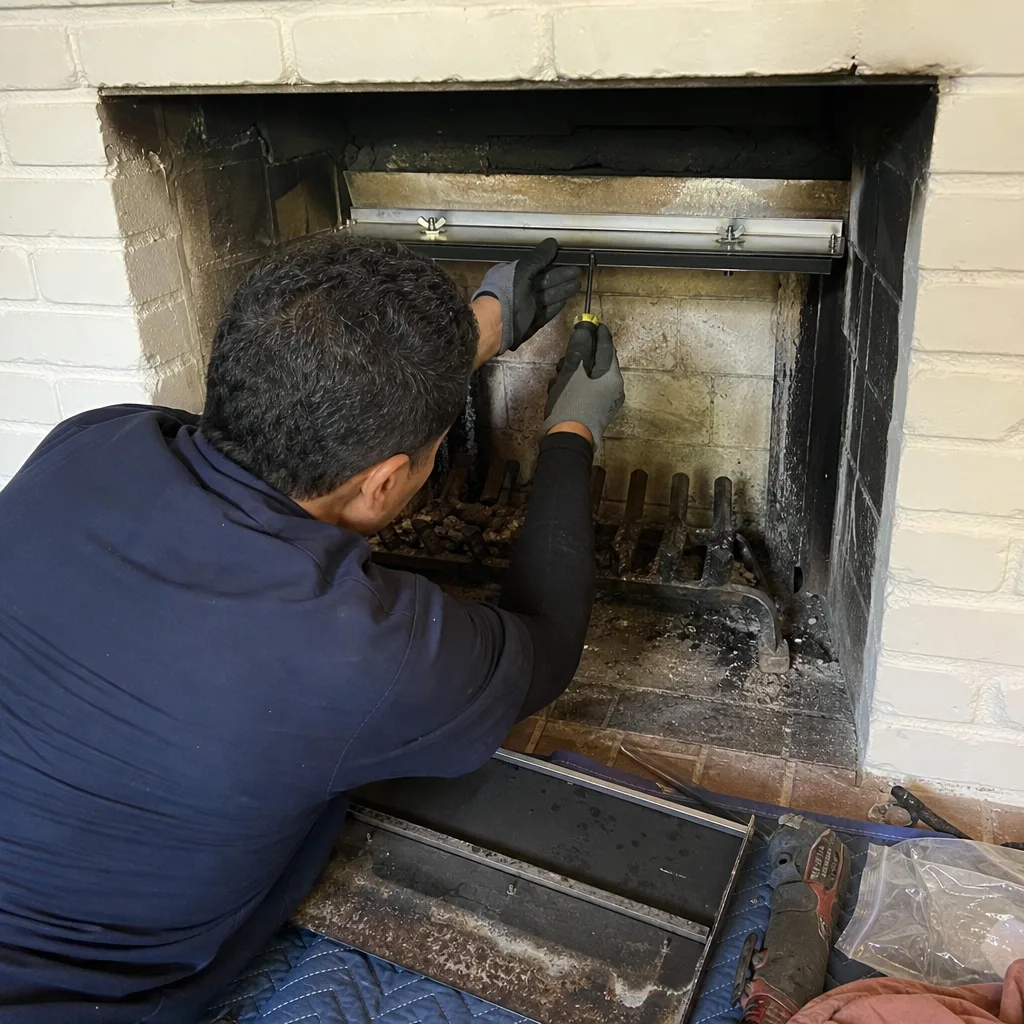
Alexandria’s older housing stock, clay tile liners, and humid climate combine to make chimney cleaning a higher-stakes service here than in most markets. The difference between a safe chimney and a hidden fire hazard is not the broom, it is the camera. A flashlight inspection cannot see Stage 2 or Stage 3 creosote in the upper flue, cannot see cracked clay tiles behind the glazed surface, and cannot produce the documentation your insurer will expect if something goes wrong. A proper cleaning includes a pre-cleaning scan, a post-cleaning scan, a written scope, and a written warranty. That is what we have done on every job since 2009, across more than 38,000 visits, and it is what you should demand from any company touching your chimney in Alexandria.
Call (240) 290-6726 for a free estimate, or to ask about a report you received from another sweep. We answer the phone at all hours, and every quote is in writing before anybody starts. Bring us a competitor’s written estimate and we’ll give you a free second opinion in Alexandria, no obligation.
Written by Corrine Halstead, Owner at Level Two Chimney Alexandria, serving Alexandria since 2009.