
Last updated September 20, 2026
Level 1 sweep and inspection to the NFPA 211 annual standard - flue, crown, cap, and flashing checked and photographed
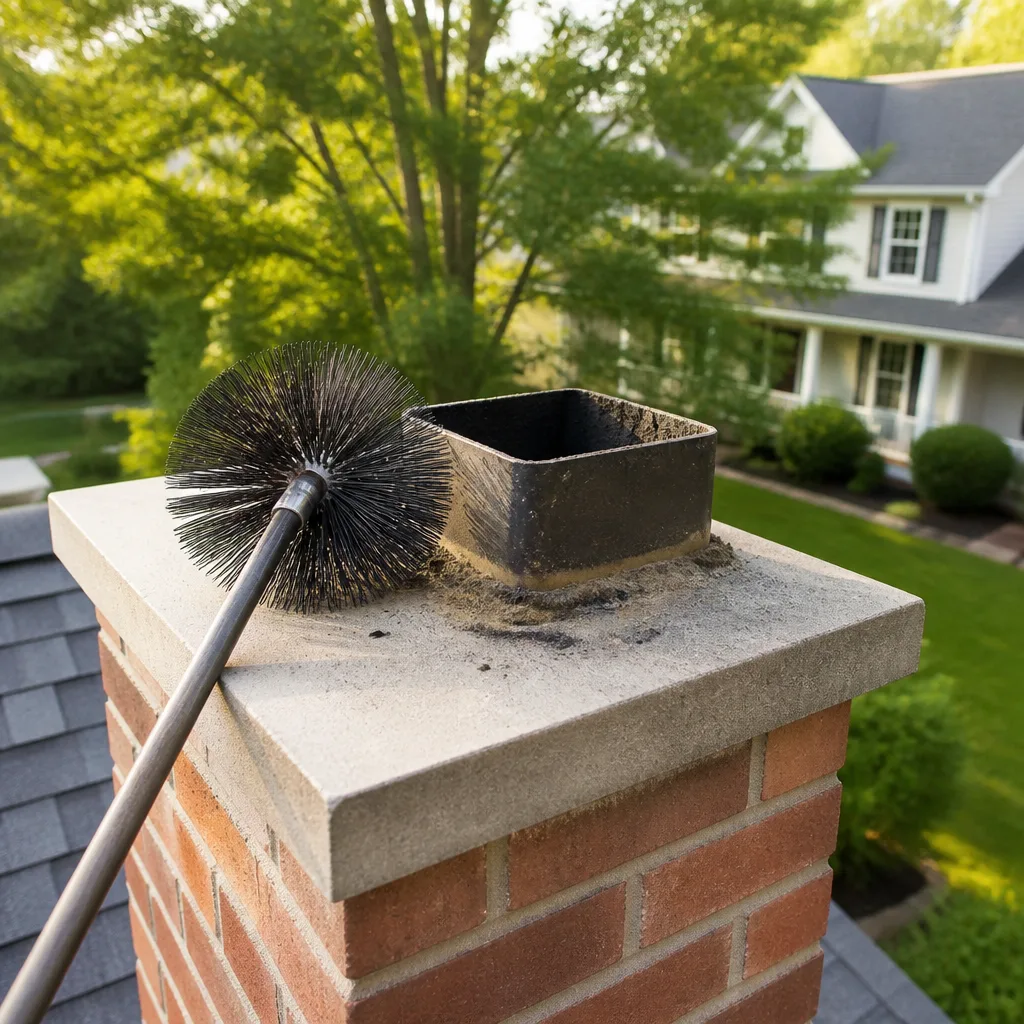
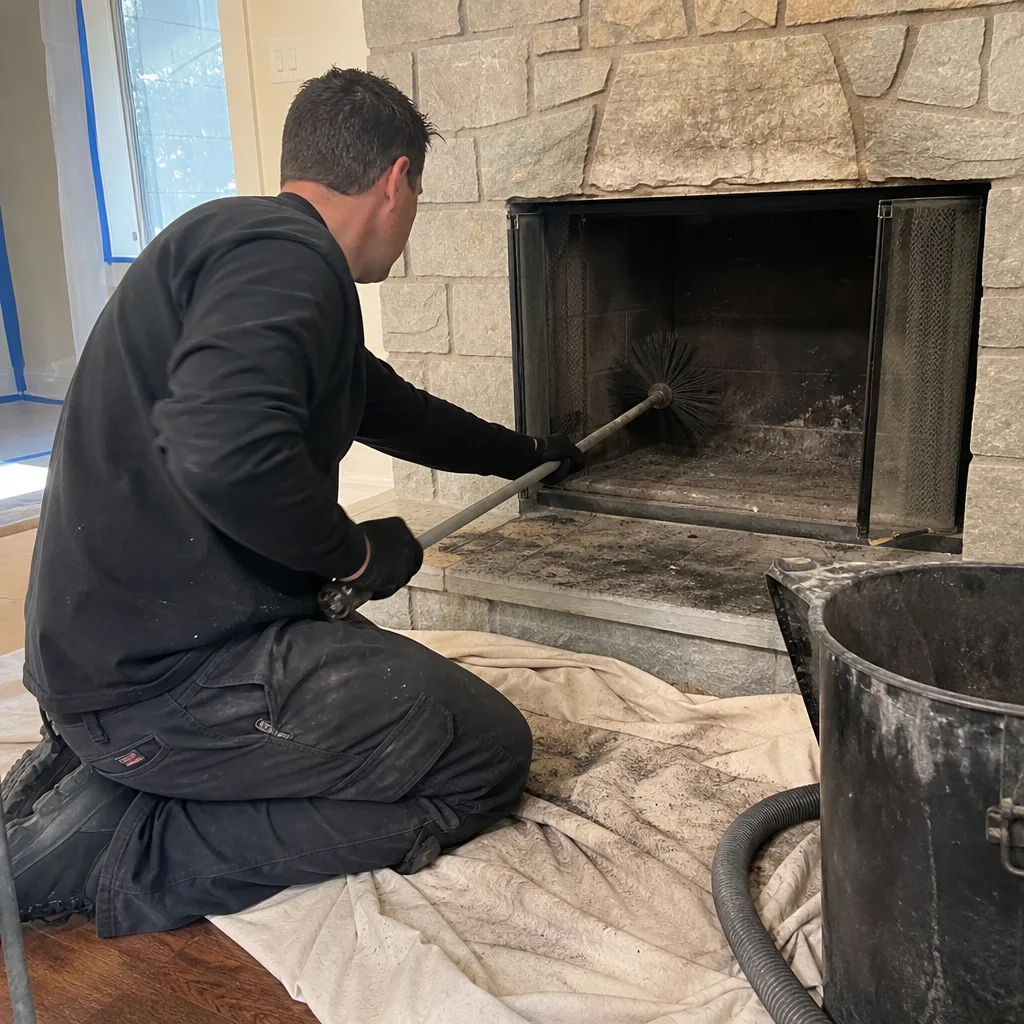
Chimney sweep logs do not sweep chimneys. They loosen some creosote - which then falls where a brush and vacuum still have to collect it.
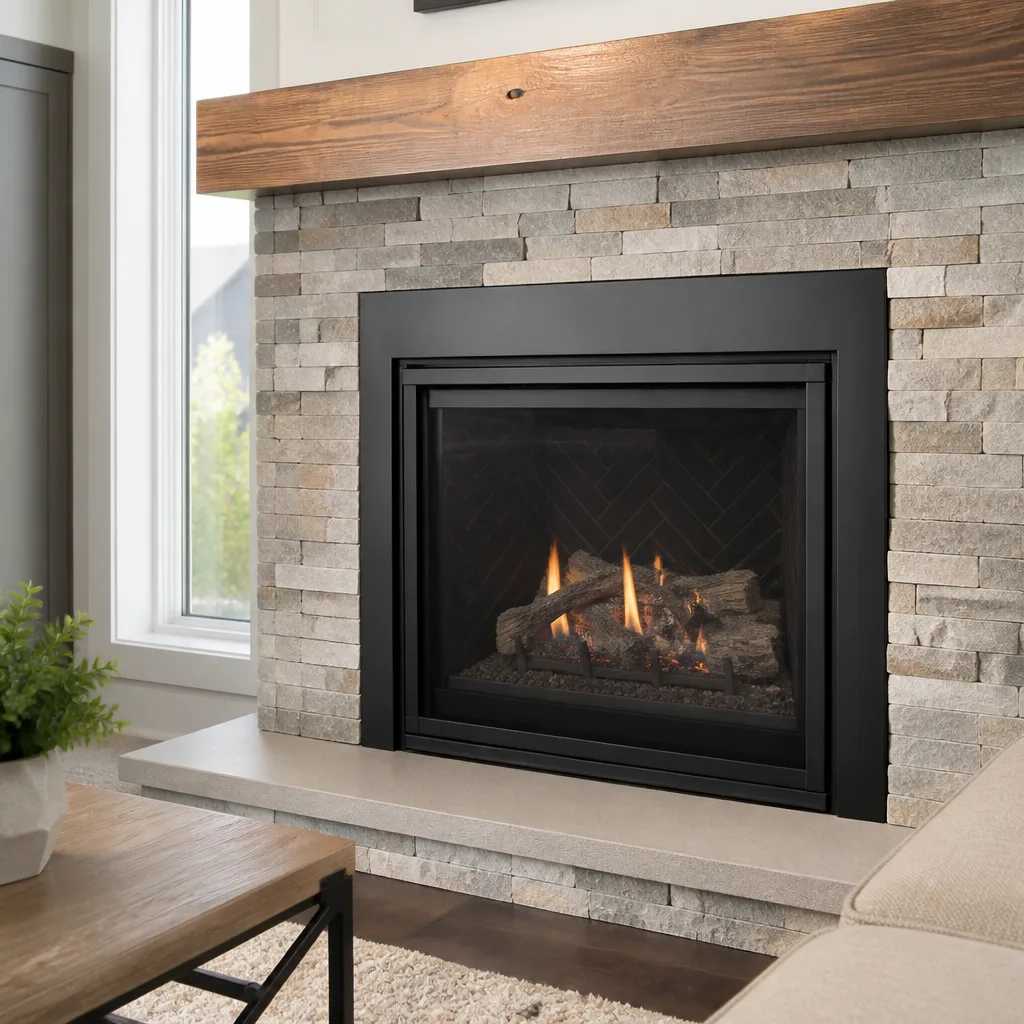
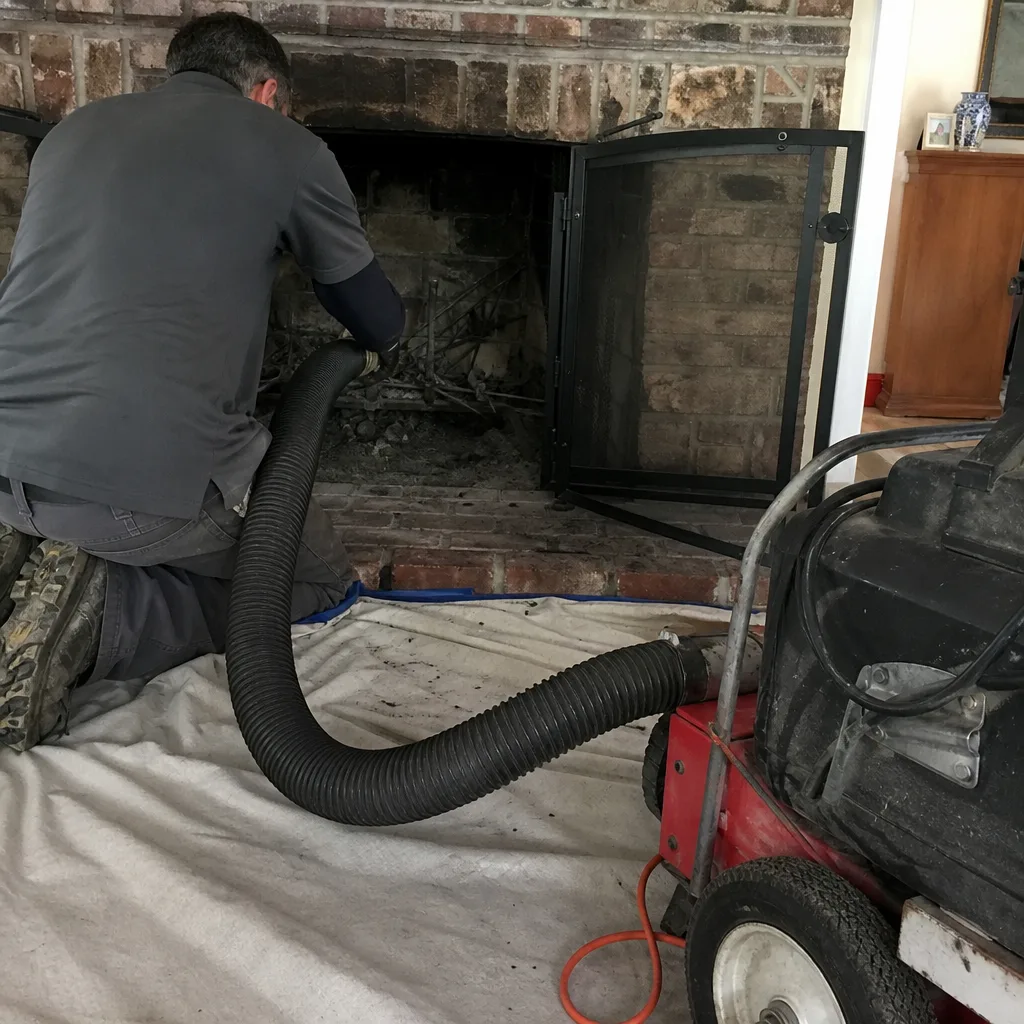 Before
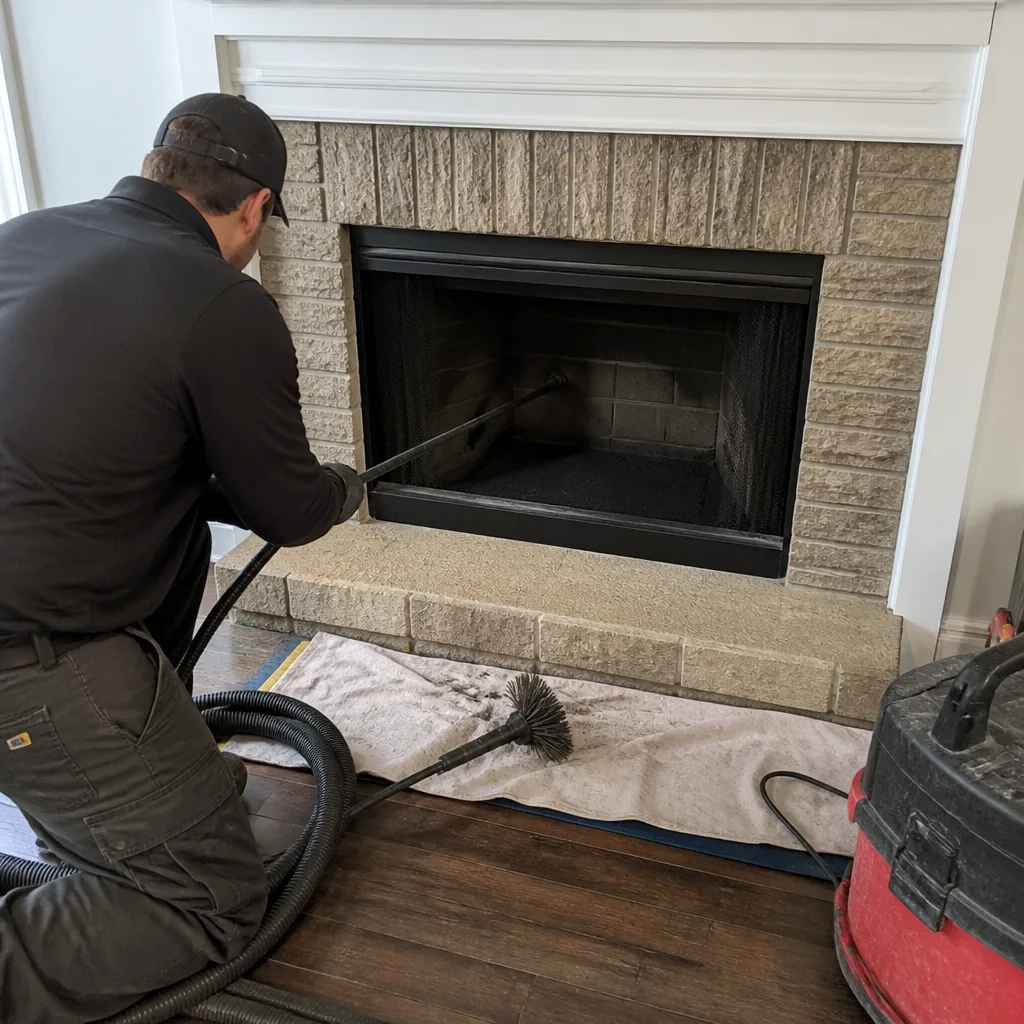 After
After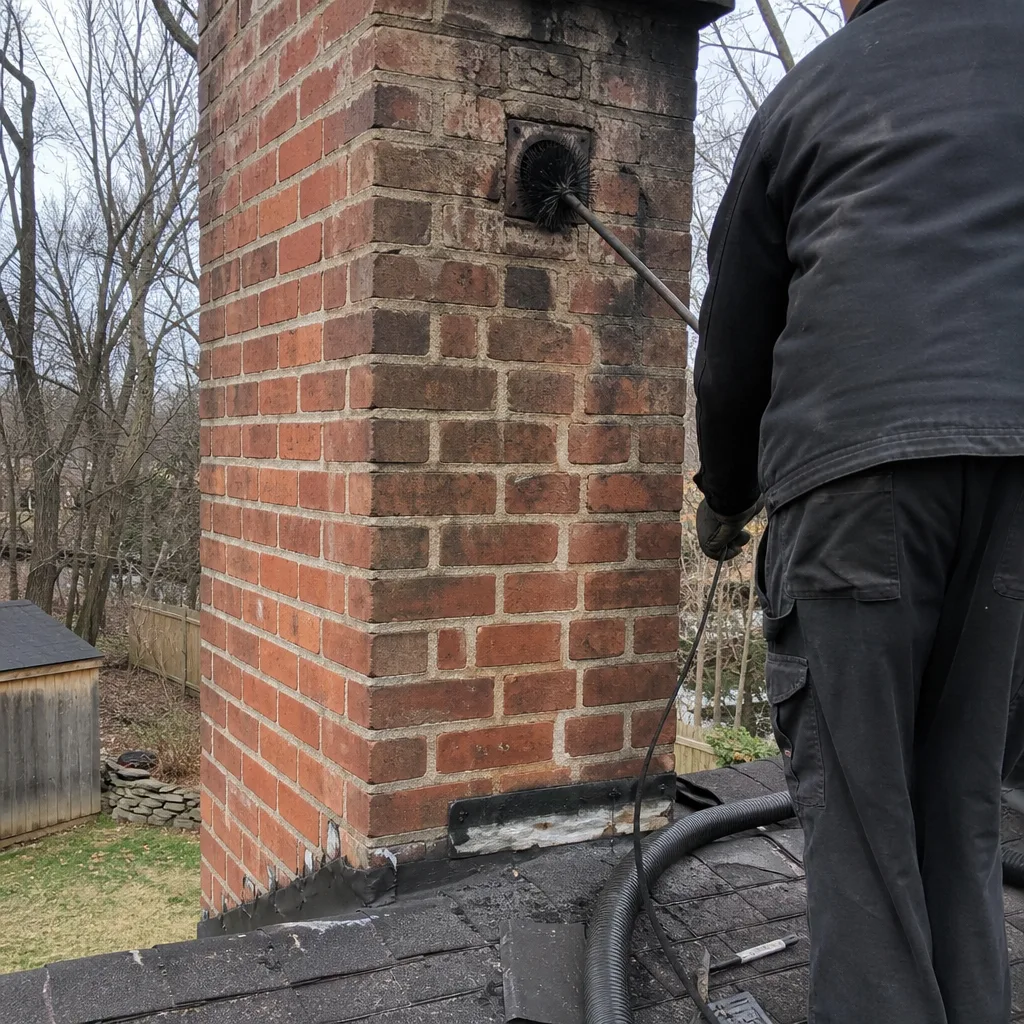 Before
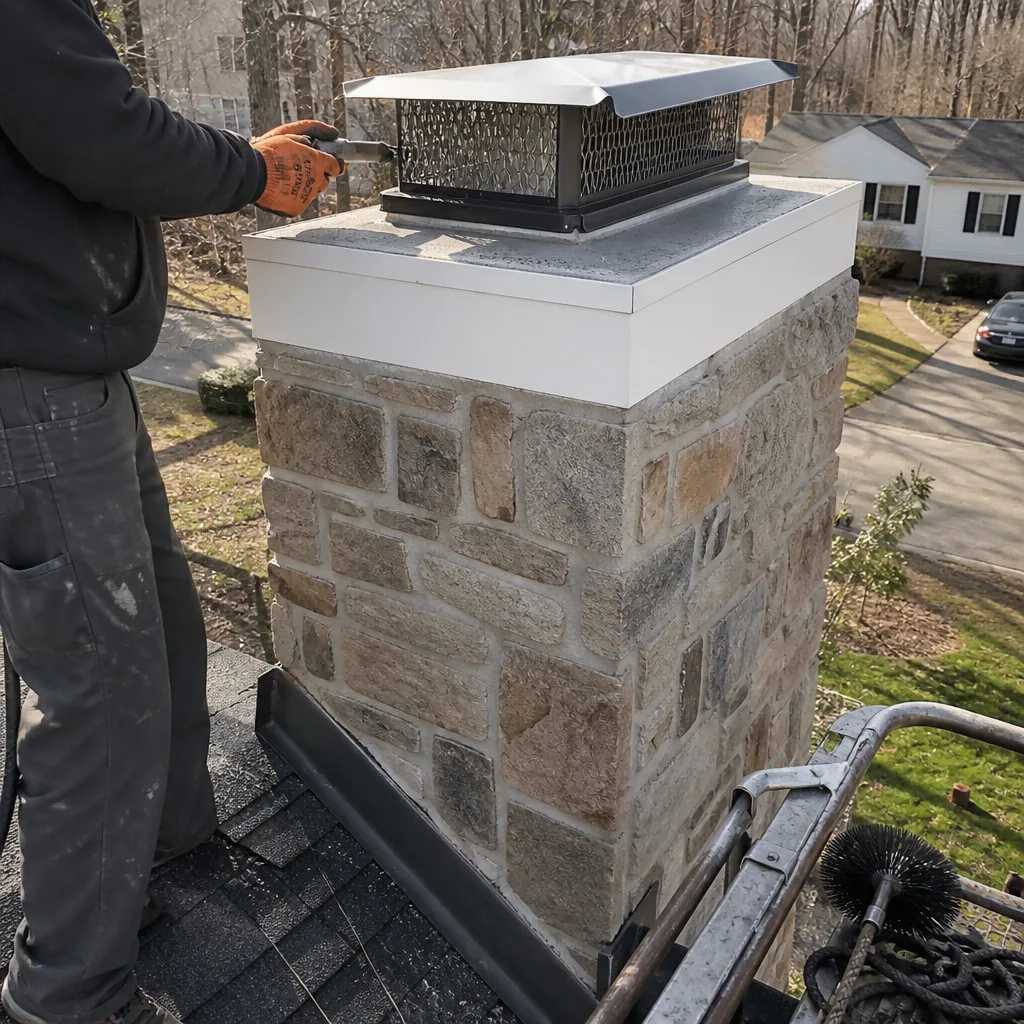 After
After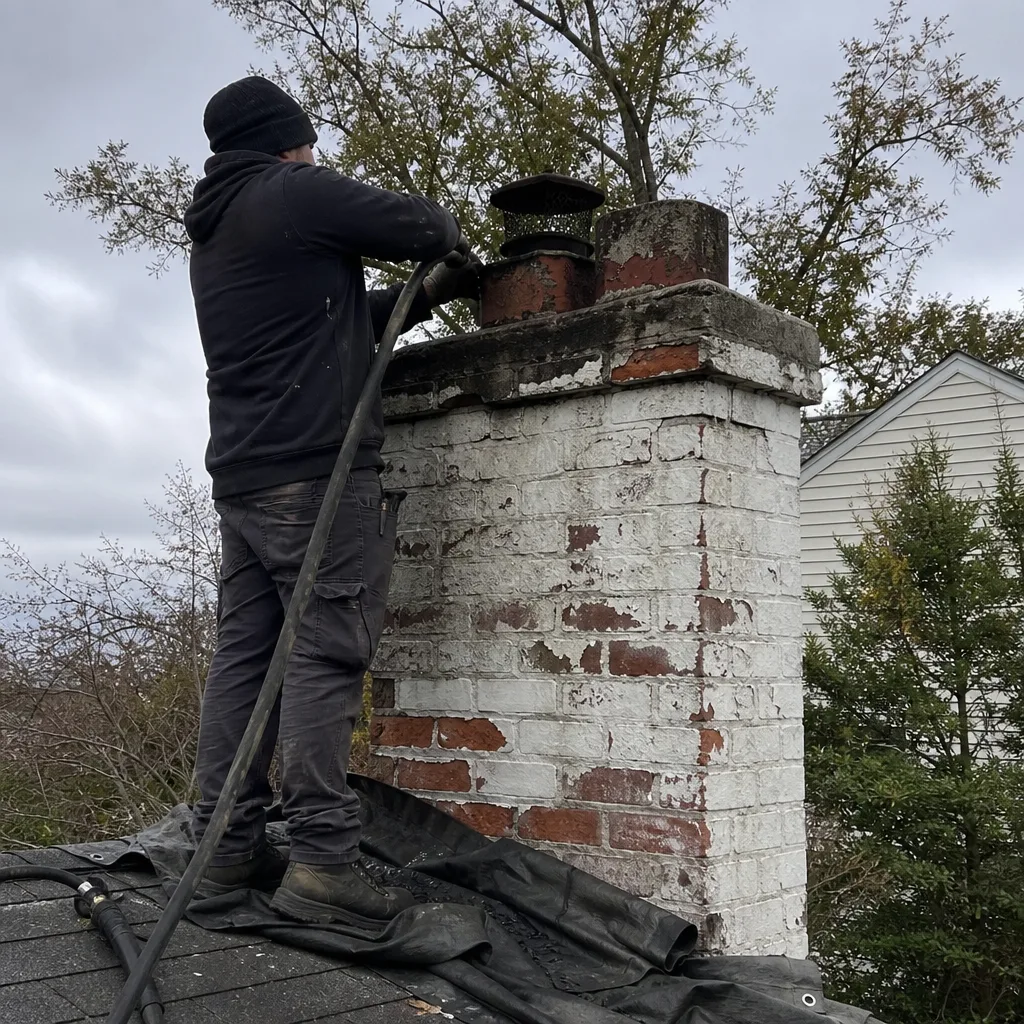 Before
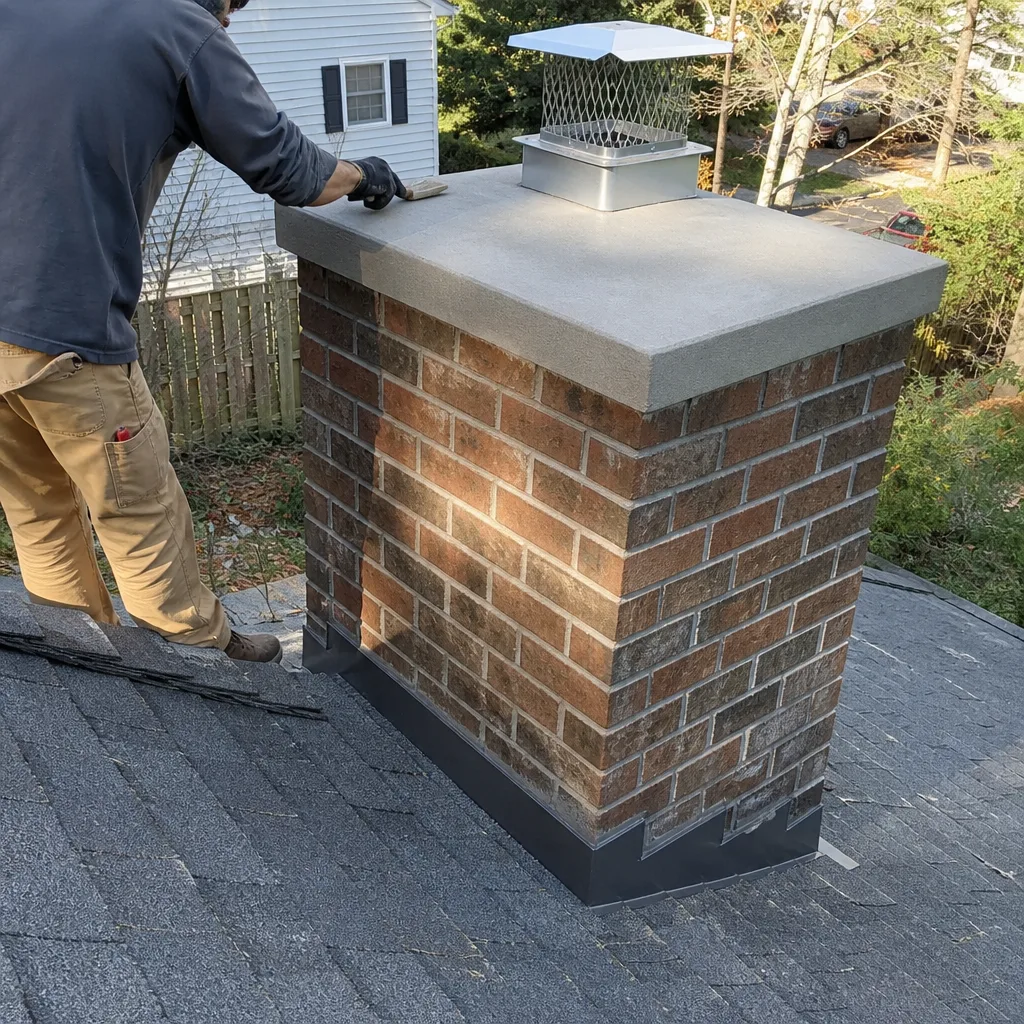 After
AfterSeasonal Chimney Cleaning Care for Alexandria: Year-Round Homeowner’s Guide
Most Alexandria homeowners schedule their chimney sweep the way they schedule a flu shot: sometime in October, right before the first fire. That timing feels responsible. It is also about five months late for the damage that actually costs money. The freeze-thaw cycling that cracks crowns and shifts clay tile liners happens from November through March. The water that gets inside those cracks does its worst work from April through June, after the heating season ends and sustained moisture settles into the masonry. By the time fall cleaning season arrives, the crown fracture you’d have caught in May for a few hundred dollars has become a liner replacement conversation in the thousands. This guide is a month-by-month framework built for Northern Virginia’s specific climate, and it will change how you think about chimney maintenance in Alexandria-though you may also want to explore more guides & resources for year-round care.
Quick Answer
The most consequential chimney care in Alexandria happens in spring, not fall. A Level 2 camera inspection in April or May catches freeze-thaw damage, animal nesting, and mortar deterioration before they compound into expensive repairs, and the warm months give you time to fix problems at your pace. Fall remains important, but as the scheduling window, not the diagnostic moment. Sweep the chimney annually, inspect the crown and liner every spring with a camera, and keep a dated photo record of every visit. If you do nothing else this year, get a camera down your flue between April 1 and June 15.
Table of Contents
- Alexandria’s Chimney Calendar: Why the Shoulder Seasons Matter Most
- The Freeze-Thaw Problem: What Alexandria Winters Actually Do to Your Chimney
- The Post-Season Spring Inspection: Your Most Valuable Chimney Visit
- Summer Conditions: Nesting, Dampers, and the Slow Season That Isn’t Slow
- The Fall Scheduling Window: Why Booking Before October Is Logistical, Not Just Advice
- Building a Year-Round Documentation File: What Your Future Self Needs
- What a Sweep Costs in Alexandria, and What It Should Include
- Common Mistakes to Avoid
- When to Call a Professional
- Frequently Asked Questions
BeforeAfterAlexandria’s Chimney Calendar: Why the Shoulder Seasons Matter Most
Generic chimney advice says “have it cleaned once a year.” That advice assumes a uniform climate. Alexandria does not have a uniform climate. We get 14 to 18 inches of snow in an average winter, 40-plus inches of rain spread across the year, and enough freeze-thaw cycles to cycle brick and mortar through expansion and contraction dozens of times between December and March. The Potomac’s humidity keeps masonry damp longer than in drier inland climates, which means water that gets into a hairline crack in January is still working on that crack in April.
The shoulder seasons, April through June and September through early November, are when the real work happens. In spring, the chimney is done with thermal stress for the year, and you can finally see what winter did. In fall, you’re preparing for the next freeze cycle, but you’re also competing with every other homeowner in the DMV for a sweep slot before Thanksgiving. Alexandria homeowners who understand this rhythm schedule differently than everyone else and save real money as a result.
The Alexandria Chimney Year at a Glance
- January - March: Heating season. Creosote accumulates. Freeze-thaw cycles stress the crown and liner. Watch for water stains on the ceiling near the chimney.
- April - June: Post-season inspection window. The crown, flashing, and liner tell you exactly what winter did. This is when camera inspection catches problems at their cheapest.
- July - August: Nesting season peaks. Chimney swifts and squirrels are active in Northern Virginia. Damper function and cap integrity matter most now.
- September - October: Pre-season sweep and repair window. Book by late September if you want flexibility. October slots fill fast across Alexandria, Arlington, and Fairfax County.
- November - December: Burn season begins. A clean, documented chimney is what lets you light the first fire without holding your breath.
A homeowner who follows this rhythm gets two high-value visits a year: a camera inspection in spring, and a sweep in early fall. It’s not twice the cost of a standard annual sweep. It’s the same sweep moved to fall, plus a targeted inspection in spring that costs a fraction of what it saves.
The Freeze-Thaw Problem: What Alexandria Winters Actually Do to Your Chimney
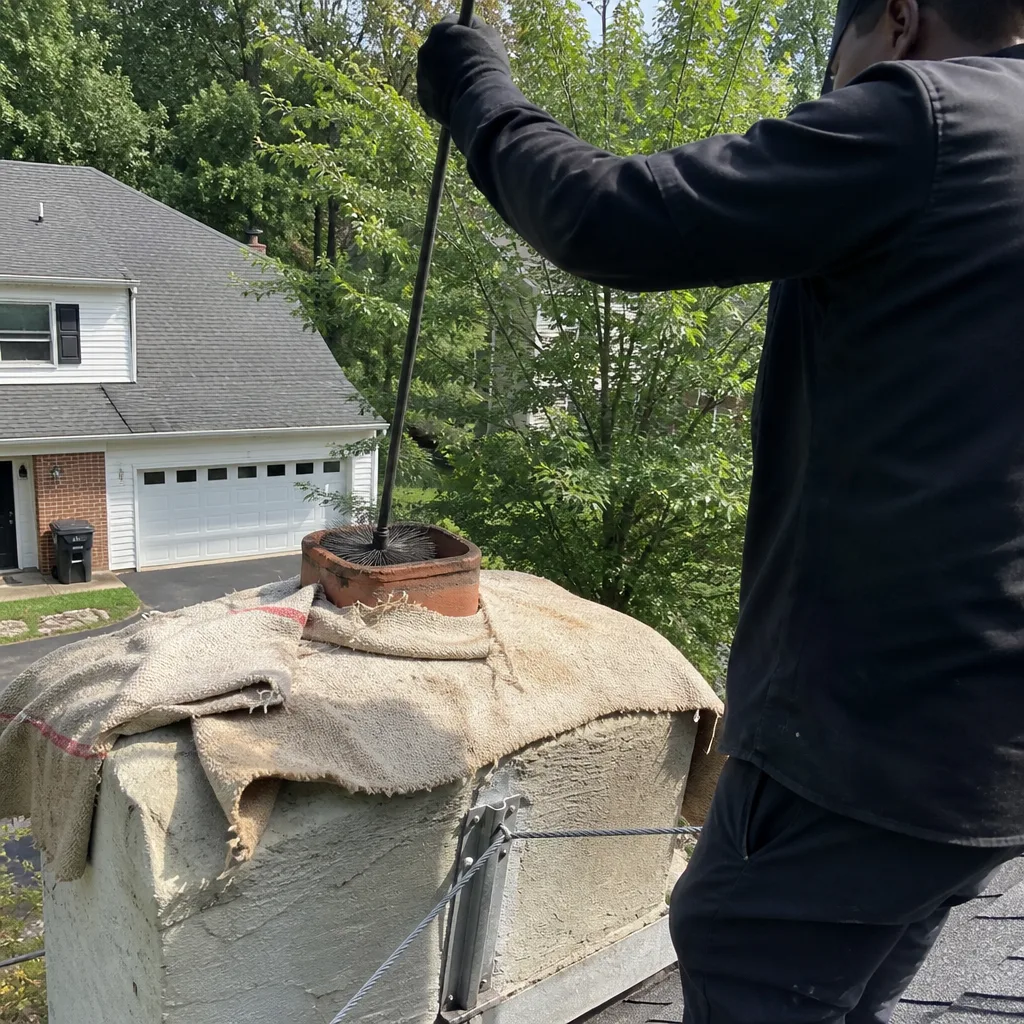
Water expands by about 9 percent when it freezes. That sounds small. Inside a clay tile flue liner or a hairline crack in a concrete crown, 9 percent is enough to turn a pencil line into a structural fracture. A freeze-thaw cycle happens every time the temperature crosses 32 degrees while moisture is present. Alexandria averages 30 to 40 of these crossings per winter, depending on the year and your specific neighborhood’s microclimate. Homes in Del Ray and Old Town near the Potomac get more humidity and more cycles than homes further west in the Franconia or Landmark areas, but the difference is one of degree, not kind.
What Freeze-Thaw Actually Does Over Five Years
We’ve pulled camera footage from thousands of Alexandria chimneys, and the pattern is consistent. A clay tile liner that’s intact in year one often shows small spalling, the flaking and chipping of the clay surface, by year three or four. By year five with no documented intervention, those small spalls have become cracks that allow flue gases to escape into the chimney chase. Here’s what that progression looks like:
- Year 1: Hairline cracks in the concrete crown. Invisible from the ground. Water sits on the crown and pool-fills the crack.
- Year 2: The crack widens through freeze expansion. Water now reaches the top courses of brick and the top of the clay flue liner.
- Year 3: Spalling begins on the flue liner surface. The crown shows visible chipping. Efflorescence, the white powdery mineral residue, appears on the brick below the crown.
- Year 4: Liner cracks deepen. Any chimney professional will now recommend liner evaluation. Water stains appear on the ceiling if the flashing has also leaked.
- Year 5: The liner may no longer be structurally sound, and the repair conversation is a full liner replacement rather than a crown resurfacing.
The frustrating part is this: a crown crack caught in year one costs a few hundred dollars to seal with a proper product. A liner replacement in year five runs several thousand. The difference is one spring camera inspection. Alexandria’s freeze-thaw math is unforgiving, but it’s also predictable.
The Post-Season Spring Inspection: Your Most Valuable Chimney Visit
The most common time Alexandria chimneys sustain consequential water damage is April through June. The heating season has ended. Creosote has stopped accumulating. The freeze-thaw cycling has stopped. What remains is sustained moisture working through every crack and joint winter opened up. This is the moment when a camera inspection shows you the most, and when the repair ladder is at its lowest rung-exactly why our Chimney Cleaning & Sweep Maintenance Checklist for Alexandria Homeowners puts spring first.
Here’s what a post-season spring inspection should cover, and what it commonly finds in Alexandria homes:
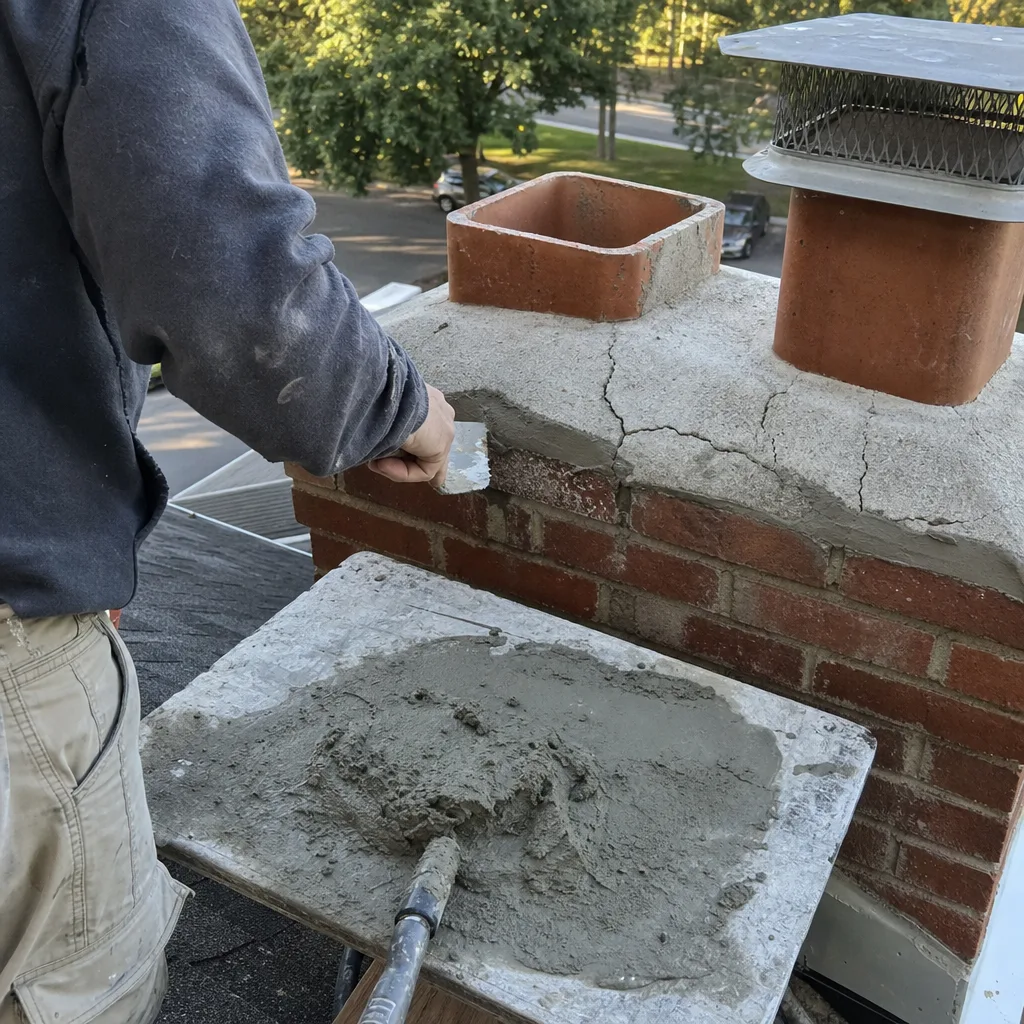
- Crown condition: Cracks, spalling, or pooling water on the crown surface. A crown is designed to shed water away from the flue. When it stops doing that, everything below it suffers.
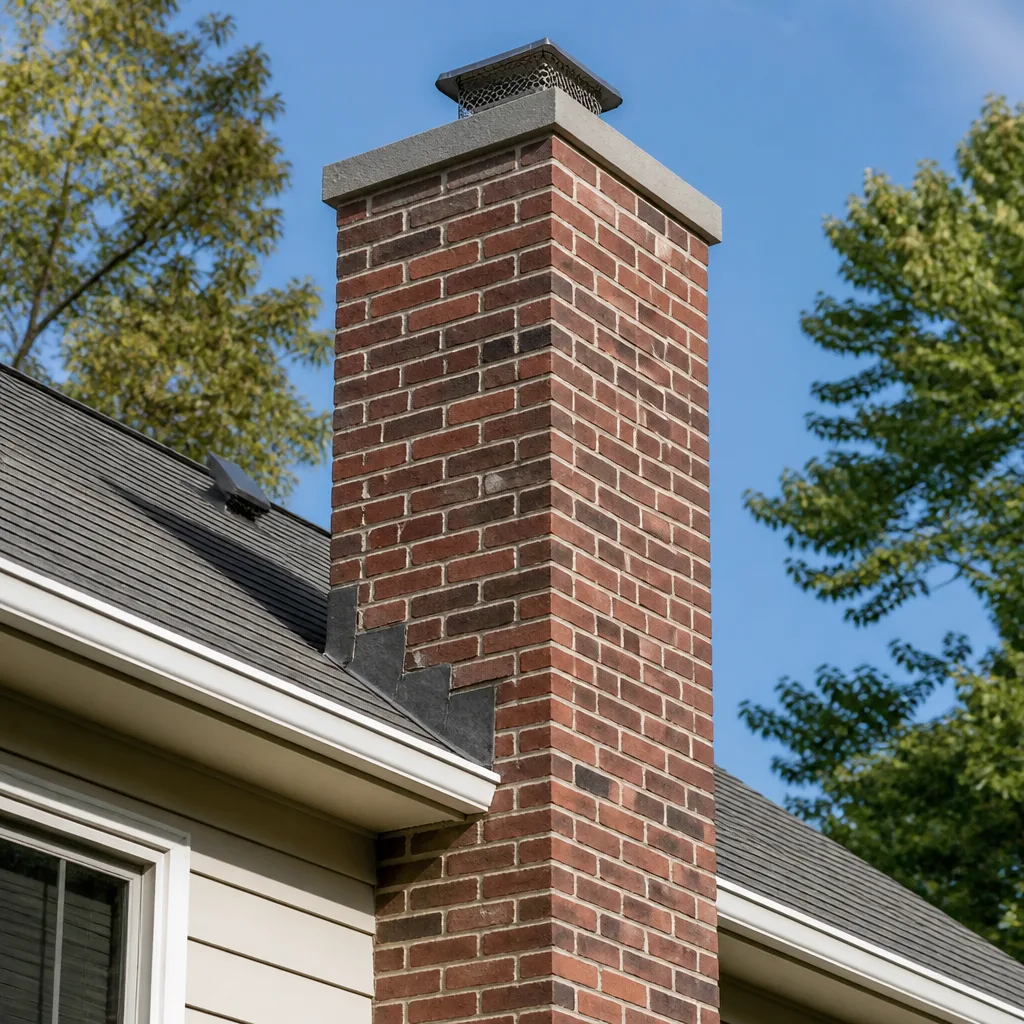
- Flashing integrity: The metal where the chimney meets the roofline. Old Town and Del Ray homes with older roofs frequently show flashing failure in spring. Water marks around the chimney on your ceiling are the tell.
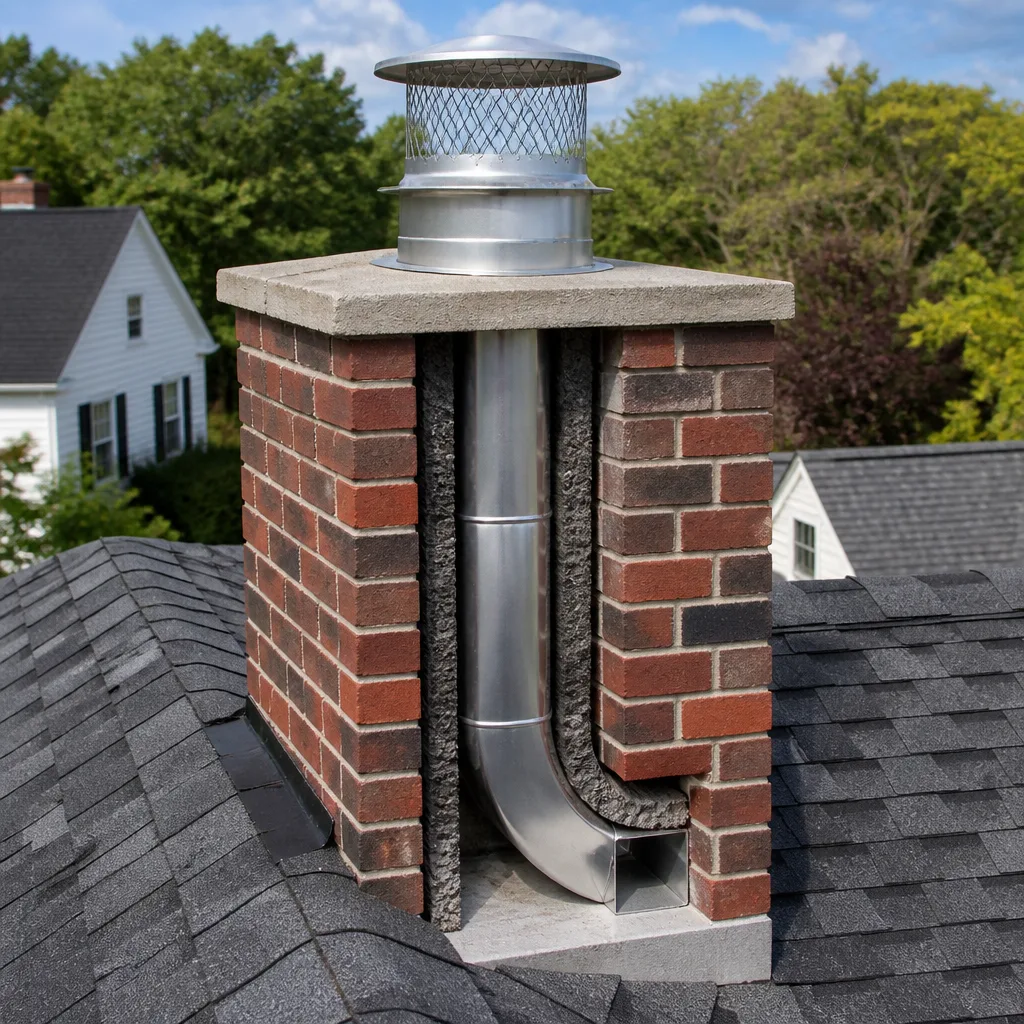
- Flue liner condition: Class I, II, or III creosote levels matter for fire risk. But in spring, the more useful reading is liner surface condition: spalling, cracking, or missing sections.
- Animal activity: Spring is when chimney swifts return to Northern Virginia and squirrels are looking for nesting sites. A cap that’s loose or missing invites them in.
- Damper operation: The damper has worked hard all winter. In spring, it either seals tightly or it doesn’t, and that affects your cooling bill all summer.
A meaningful spring inspection includes a camera down the flue, not a flashlight from the top or a mirror from the bottom. At Level Two Chimney Alexandria, every visit includes a documented photo record under Clause 4 of the Haven Standard. You walk away with images of your own chimney’s condition, not someone’s verbal summary. That record is what lets you compare next year’s condition to this year’s and know whether something is stable or deteriorating.
Summer Conditions: Nesting, Dampers, and the Slow Season That Isn’t Slow
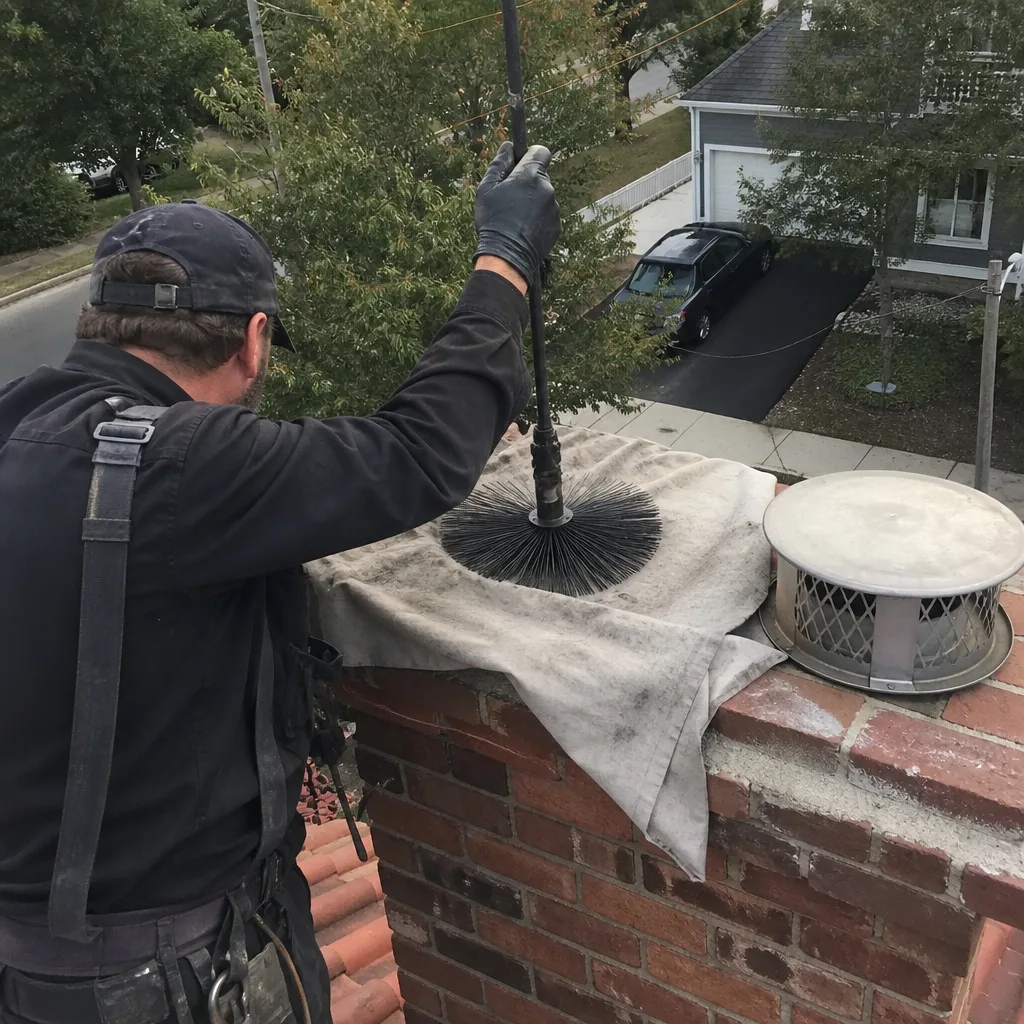
Summer is when Alexandria homeowners think about their chimneys the least. It’s also when the chimney ecosystem is most active. Chimney swifts, which are protected under the Migratory Bird Treaty Act, nest in uncapped chimneys from May through August across Northern Virginia. Squirrels and raccoons use summer chimneys as den sites when they can. The practical result for a homeowner is a blocked or partially blocked flue, nesting material that becomes a fire hazard when fall arrives, and a damper that’s been jimmied open by an animal’s passage.
What summer-specific chimney conditions look like in Alexandria:
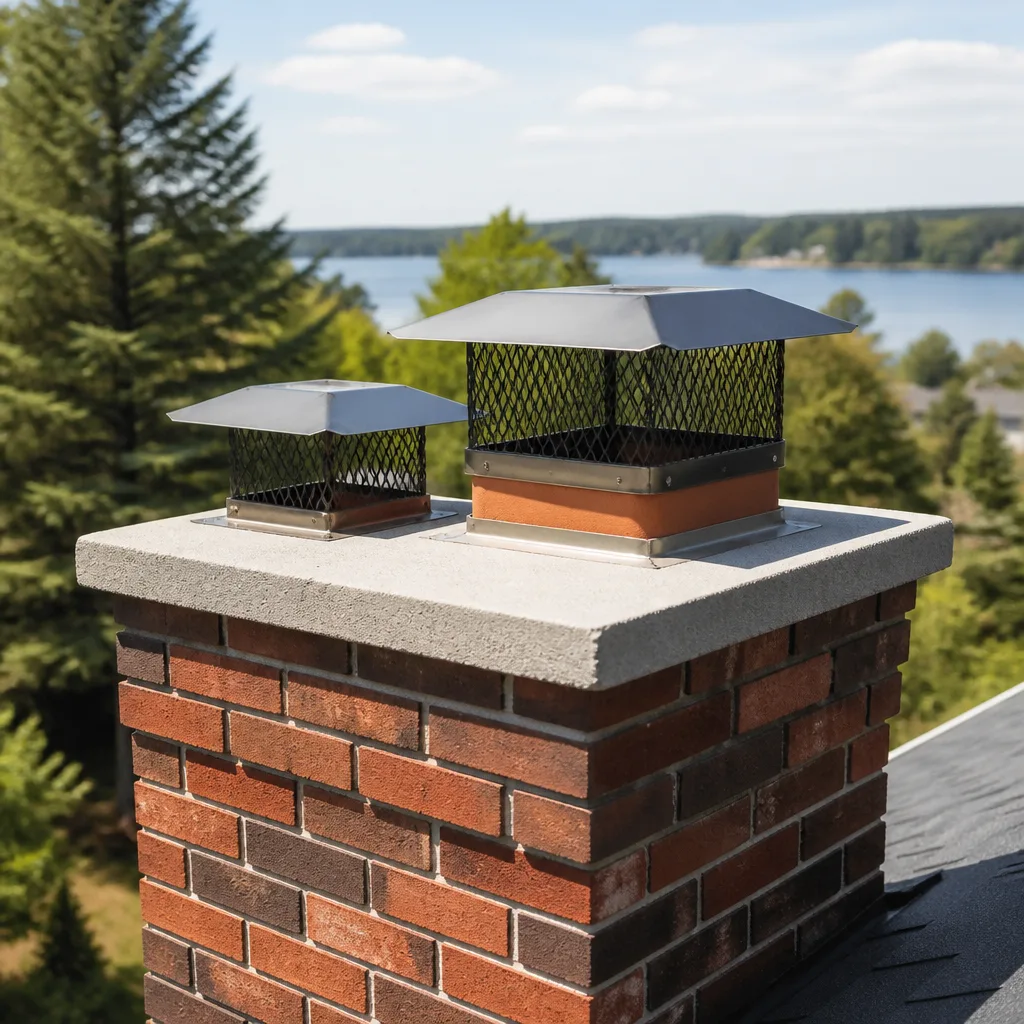
- Chimney swifts: If you hear chattering from your fireplace in July, you likely have swifts. Federal law prevents removing active nests. The solution is prevention: a properly fitted cap installed before nesting season, or the nest is removed after the birds migrate in late summer.
- Squirrels in the chase: Squirrels will chew through a deteriorated chase cover and nest in the void between the flue and the outer chimney structure. The scratching sound is not subtle.
- Damper seal failure: A damper that doesn’t seal lets conditioned air escape up the flue all summer. Alexandria’s humid summers mean that open damper costs you comfort and cooling dollars, and it can also let warm humid air down into the house, which shows up as musty smells around the fireplace.
- Off-season chimney odors: Warm, humid air moving across creosote deposits in the flue produces that harsh, acrid smell that seeps into living areas. It’s a signal that last year’s sweep may not have happened or wasn’t thorough.
A July chimney visit in Alexandria is typically quick: a visual check of the cap, a damper function test, and a camera pass to see what’s accumulated since spring. It’s not a sweep. It’s a status check, and it catches the animal entry early enough that the fix is a cap replacement rather than a full debris removal and flue relining come September.
The Fall Scheduling Window: Why Booking Before October Is Logistical, Not Just Advice
Every chimney company in the DMV is busy from early October through December. That’s not a marketing line. It’s the logistics of supply and demand. There are a finite number of certified chimney technicians in Alexandria, Arlington, and Fairfax County, and roughly 40 percent of the region’s annual sweep volume happens in a ten-week window. If you call in mid-October, you’ll get a slot. If you call in early September, you’ll get the slot you want, on the day you want it, and you’ll have the repair buffer you need if the sweep turns up something that requires follow-up work.
Here’s the practical sequence for an Alexandria homeowner who plans ahead:
- Late August or early September: Schedule the pre-season sweep. Book before Labor Day and you have maximum flexibility.
- Allow for repair time: If the camera inspection during the sweep finds crown damage or a liner issue, you have six to eight weeks to get a written quote, make a decision, and schedule the repair before burn season.
- October: Repairs get done. Your chimney is ready.
- November: First fire. You’re lighting it with documentation in hand, not a prayer.
Booking before October also matters because Alexandria’s fall weather lets technicians work faster. A crown repair needs above-freezing temperatures and dry conditions for proper curing. October in Alexandria averages highs in the 60s and low 70s, ideal working weather. By late November, that window has narrowed. The chimney care calendar is not arbitrary here, it’s built around what the materials actually need to cure properly.
Building a Year-Round Documentation File: What Your Future Self Needs
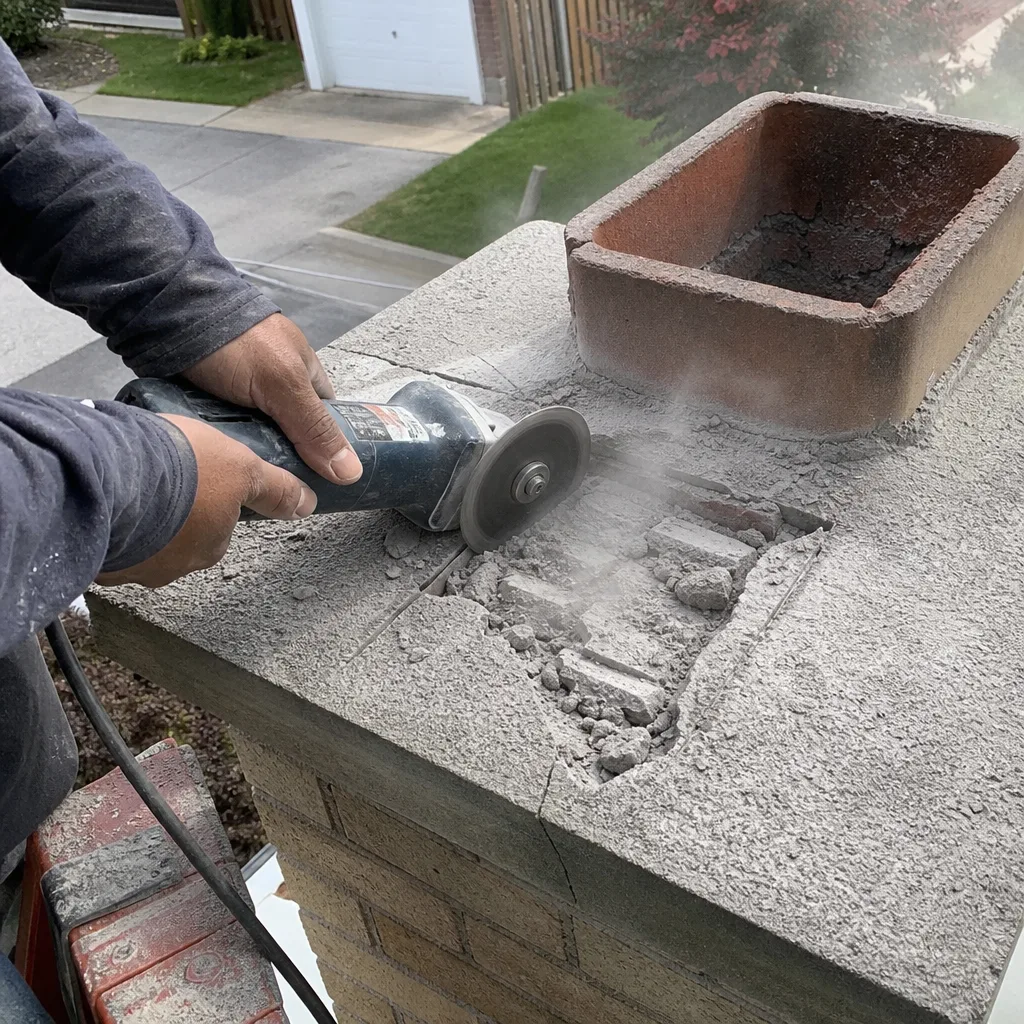
You’ll sell this house eventually. Or file an insurance claim. Or need to prove to a contractor that the liner was in good condition when they started working on the roof. What changes each of those conversations is a dated photo record of your chimney’s condition over time. Not a receipt. Not a verbal summary. Actual images.
Level Two Chimney Alexandria made camera-scan documentation the default on every visit in 2009. That practice became Clause 4 of the Haven Standard, and it has been running continuously for more than 38,000 inspections and cleanings since. What that means for you as an Alexandria homeowner is a file that accumulates:
- Dated interior flue images: Every camera pass produces images you keep. Next year’s images are compared against them.
- Condition notes: What the tech found in plain language: crown crack at the front left, Class II creosote in the upper third, flashing lap failure on the east side.
- Written scope and pricing: Any recommended work is written down, with a price attached, before you decide anything. No verbal-only estimates.
- Written warranty: When work is done, the warranty is in writing and part of the file.
That documentation changes the conversation with a home inspector or buyer. When you can hand over three years of dated flue photographs showing a stable liner or a repaired crown, the negotiating position is different. The chimney stops being an unknown and becomes a maintained system. In an Alexandria market where buyers are attentive and inspectors are thorough, that’s worth real money.
What a Sweep Costs in Alexandria, and What It Should Include
In the Alexandria and greater DMV market, a standard chimney sweep typically runs between $220 and $390. A Level 2 camera inspection, which is the relevant standard for real documentation, adds $150 to $350 depending on the chimney’s height, accessibility, and what’s being checked. If you’re being quoted under $150 for a full sweep, ask what’s excluded. Usually it’s the camera work, and without the camera, you’re paying for a maintenance task without the diagnostic that actually protects you.
What a properly documented sweep in Alexandria includes:
- Mechanical brushing of the full flue length to remove creosote and soot
- Creosote classification after removal, from Class I (combustible surface deposits) to Class III (glazed, hard, fuel-like)
- Camera pass down the flue with photo documentation provided to you
- Smoke chamber and damper inspection
- Crown and cap condition check
- Written price for any recommended work, delivered before you decide
- Written warranty on the work that was performed
Level Two Chimney Alexandria named its pricing practice over a decade ago: a written price, written scope, and written warranty are delivered before anyone starts. That’s Haven Standard Clause 1, and it’s not a perk. It’s the minimum a homeowner should accept. If someone is putting a brush in your flue in Alexandria without a written price first, they’re working outside the standard anyone in this market should hold them to. For what legally applies, see Chimney Cleaning Permits, Codes & Inspections in VA: What You Need to Know.
Common Mistakes to Avoid
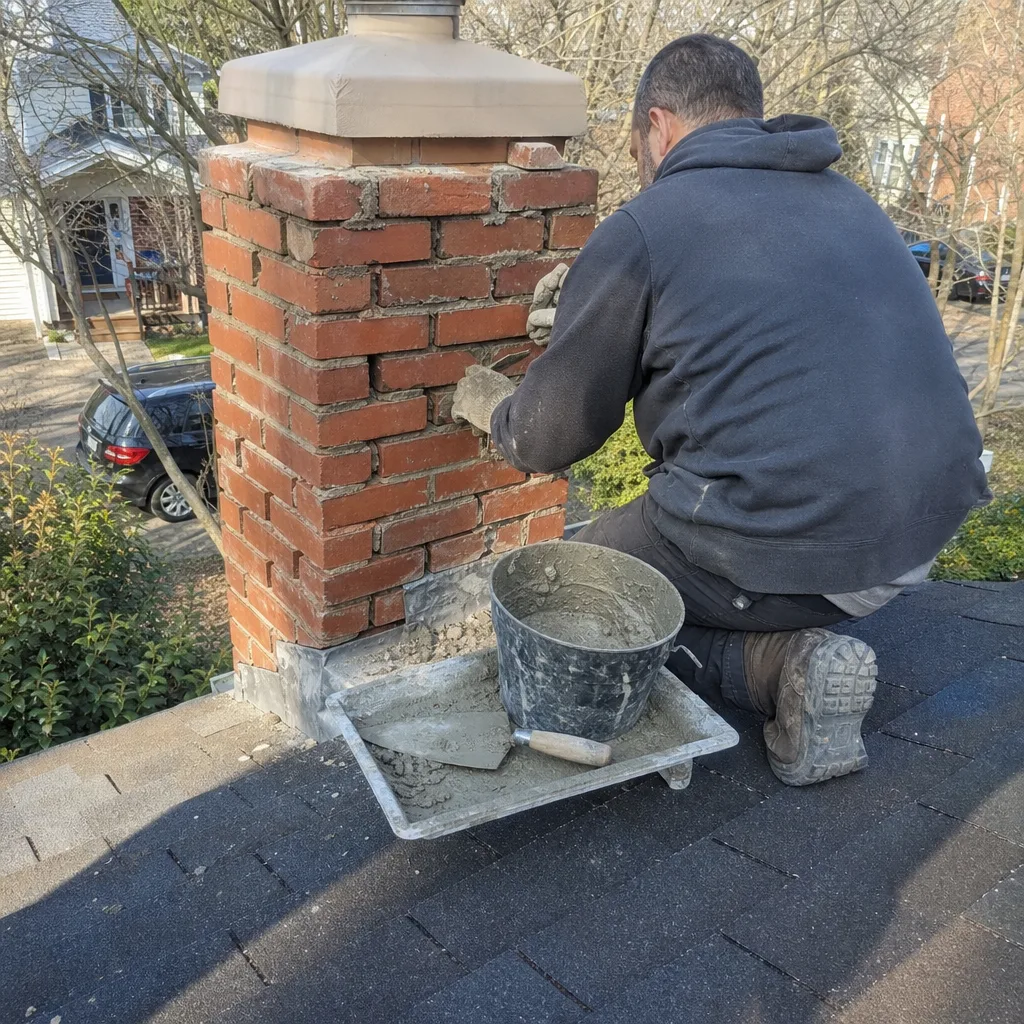
- Thinking fall is the season for inspection. Fall is for sweeping and final readiness. Inspection belongs in spring, when winter’s damage is visible and repair costs are lowest. Alexandria’s climate makes this timing math, not preference.
- Skipping the camera. A visual sweep without a camera pass tells you the flue is clean. It tells you nothing about liner condition, crown integrity, or hidden animal activity. In Alexandria’s freeze-thaw environment, that’s the information that matters.
- Replacing the liner on a verbal recommendation alone. If someone tells you the liner needs replacing and cannot show you footage of the deterioration, get a second opinion. The camera image is the evidence. No evidence, no decision.
- Ignoring the damper in summer. A damper that doesn’t seal costs you cooling dollars and invites humid air into the house all summer. It’s a ten-minute check that most homeowners never schedule.
- Waiting until October to book. You’ll get a slot, but you’ll be in the rush. Book by Labor Day if you want flexibility on scheduling and time to address findings before Thanksgiving.
- Not keeping the photo record. The images from each visit are yours. File them. They’re the difference-maker when you sell or file a claim.
- Assuming animal activity means the cap alone is fine. Animals get in through gaps in the chase, deteriorated masonry, and old caps. Remove the animal, then find out how it got in. Fixing only the symptom means a return visit next year.
When to Call a Professional
Call a chimney professional in Alexandria when you notice water staining on the ceiling near the chimney, when you hear animal sounds from the flue, when you see efflorescence or spalling brick on the exterior chimney, or when you smell chimney odors inside the house during humid weather. These are not cosmetic issues. They are the early signals of structural or safety problems that get more expensive by the month. If it’s been more than 12 months since your last documented sweep, schedule one. If you’ve never had a camera down your flue, schedule that specifically. Level Two Chimney Alexandria offers free estimates in Alexandria. Call (240) 290-6726 and talk to a live person, any day of the week, at any hour.
Frequently Asked Questions
Once a year if you burn regularly, and ideally in early fall before the heating season. If you burn more than three cords a season or use the fireplace as a primary heat source, a mid-season camera check in January is worth scheduling. Alexandria’s high humidity also means you should consider a spring inspection even if you don’t think you need a second sweep.
Yes, and it’s not close. A Level 2 inspection, defined by NFPA 211 as one that includes camera scanning of the flue interior, is the difference between knowing your chimney is clean and knowing it’s sound. In Alexandria, where freeze-thaw cycling is aggressive, the camera is the tool that catches crown cracks and liner spalling before they become four-figure repairs. Every visit Level Two Chimney Alexandria performs includes the camera scan and a photo record.
Expect $220 to $390 for a standard sweep in Alexandria, with a Level 2 camera inspection adding $150 to $350 depending on chimney size and access. The total is typically $400 to $700 for a documented sweep and inspection. Anything under $150 for a sweep almost certainly excludes camera work, which means you’re paying for maintenance without the diagnostic that identifies real problems.
Only if the camera footage shows deterioration that compromises the liner’s function as a barrier between flue gases and the home. A verbal recommendation is not evidence. Ask to see the images. If the footage shows cracking, spalling, or separation, then yes, the liner needs attention, and the trade’s materials like HeatShield resurfacing or a DuraFlex replacement liner are the standard paths. If the technician can’t produce images, get a second opinion.
Creosote accumulates and becomes a fire risk at Class III. Water infiltrates through crown cracks and freeze-thaw widens them. The liner loses integrity, and eventually flue gases or sparks reach combustible materials in the chase. The repair bill compounds. A crown seal that’s a few hundred dollars in year one becomes a liner replacement in year five. Skipping maintenance in Alexandria is not cheaper, it’s deferred cost with interest.
Yes, but spring should be when the inspection happens and fall when the sweep happens. A spring sweep after the season’s last fire is useful for odor control in the summer. The camera inspection in spring is the part that matters most, because it’s when freeze-thaw damage is visible and repairable. Do both: inspect in spring, sweep in early fall.
Ready for an exact quote on your chimney in Alexandria? Call (240) 290-6726 and we’ll put it in writing.
The Bottom Line
Alexandria’s climate demands a chimney calendar that most national advice skips. The freeze-thaw cycles hammer your crown and liner every winter. The spring shoulder season is when that damage becomes visible and cheapest to fix. Summer brings animals and damper issues that go unnoticed precisely because no one is using the fireplace. Fall is the scheduling race, and the people who win it booked before Labor Day. Across all of it, the one thing that changes outcomes is documentation: dated camera footage, written prices, written warranties. That file is your leverage as a homeowner, a seller, and an insurance claimant. Inspect in spring, sweep in early fall, keep the record, and you’ll spend less over the life of the home than the neighbor who only calls in October.
Written by Corrine Halstead, Owner at Level Two Chimney Alexandria, serving Alexandria since 2009.