
Last updated September 20, 2026
Level 1 sweep and inspection to the NFPA 211 annual standard - flue, crown, cap, and flashing checked and photographed
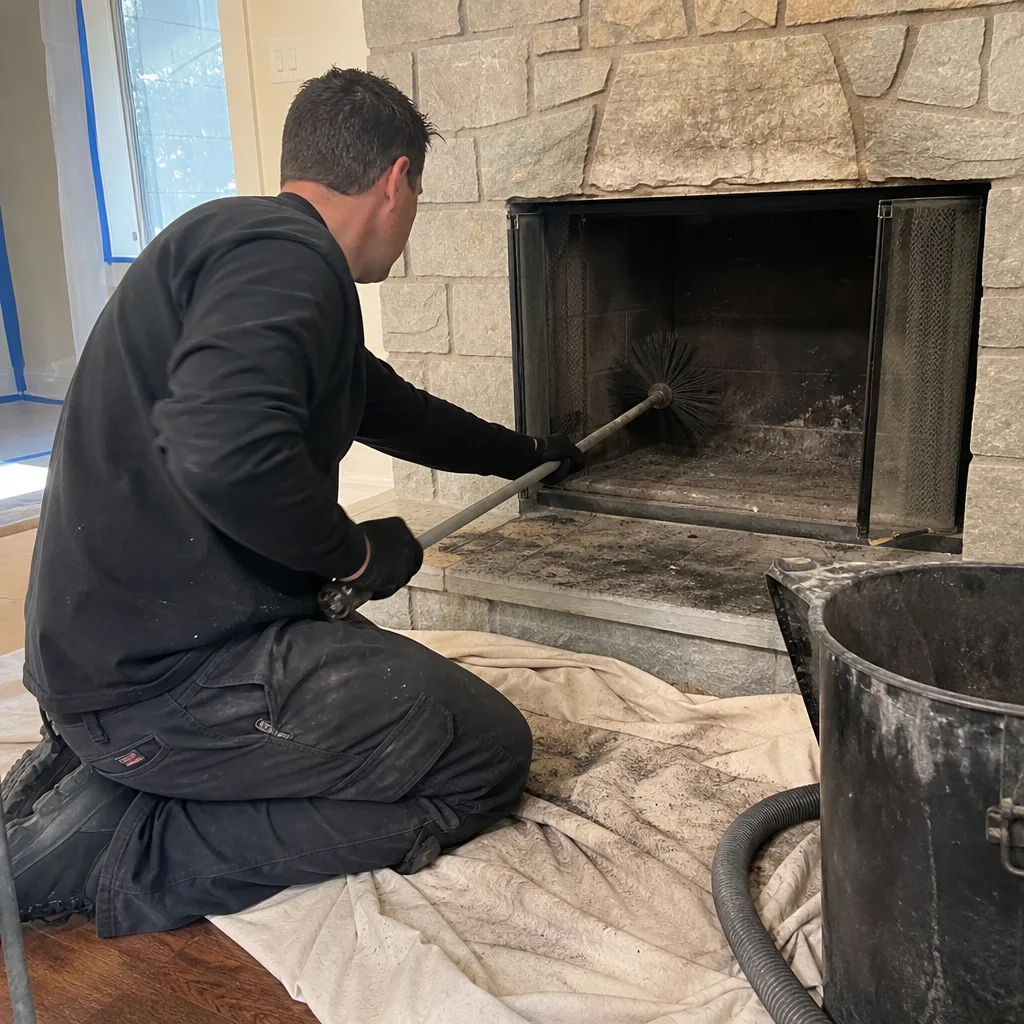
Chimney sweep logs do not sweep chimneys. They loosen some creosote - which then falls where a brush and vacuum still have to collect it.
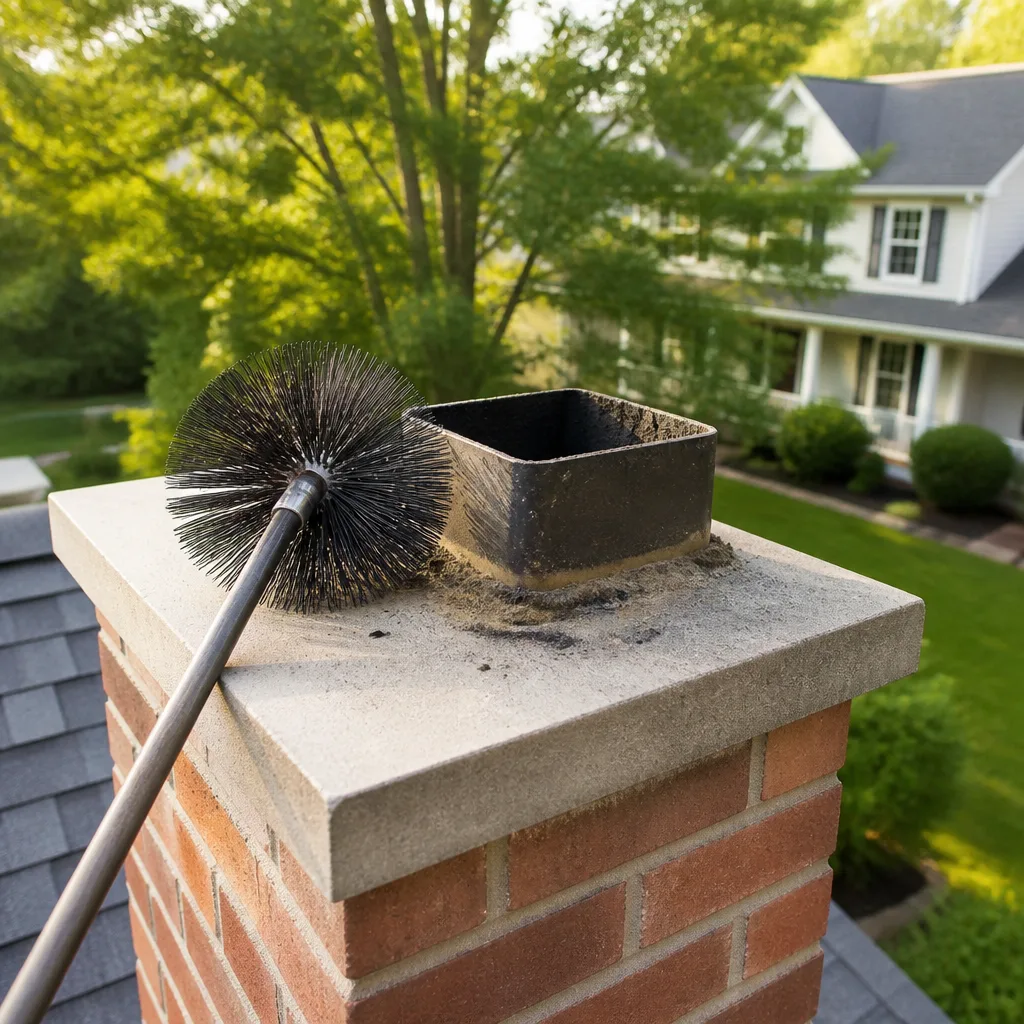
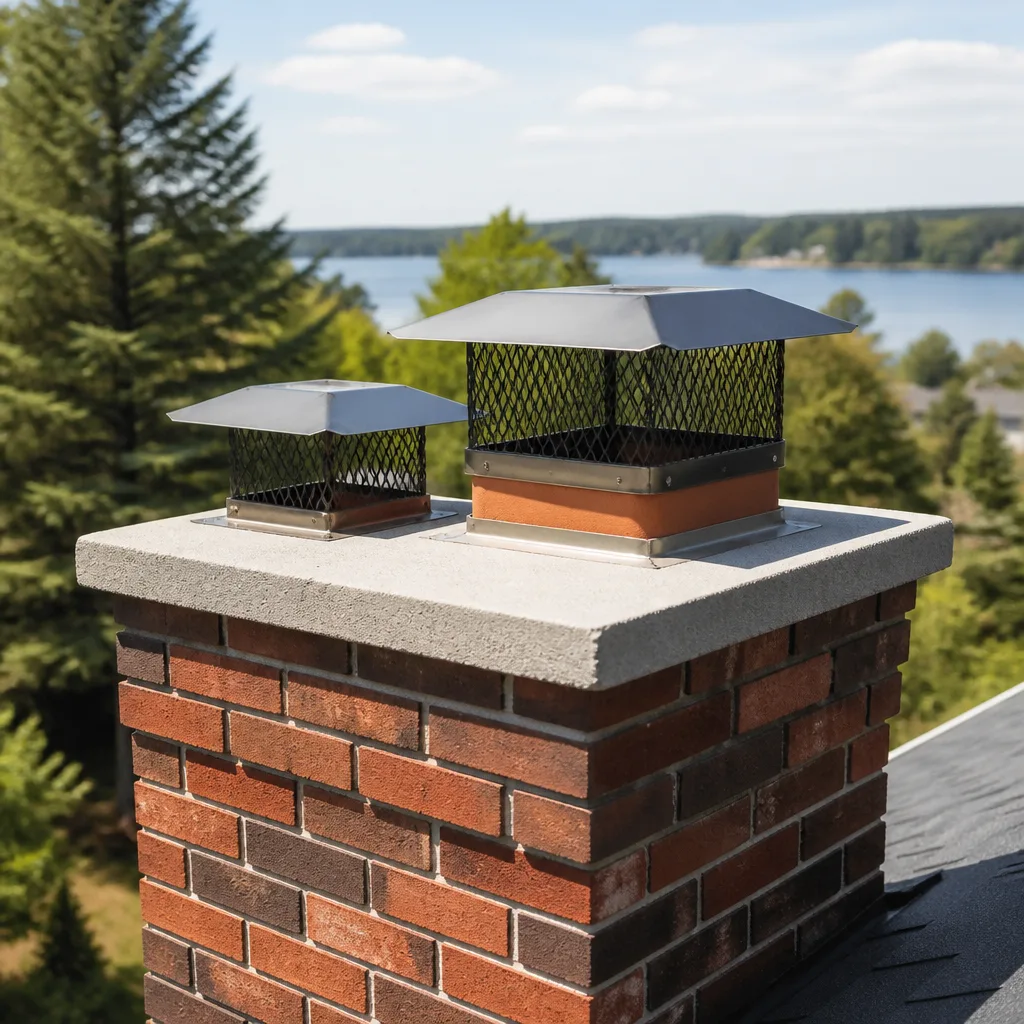
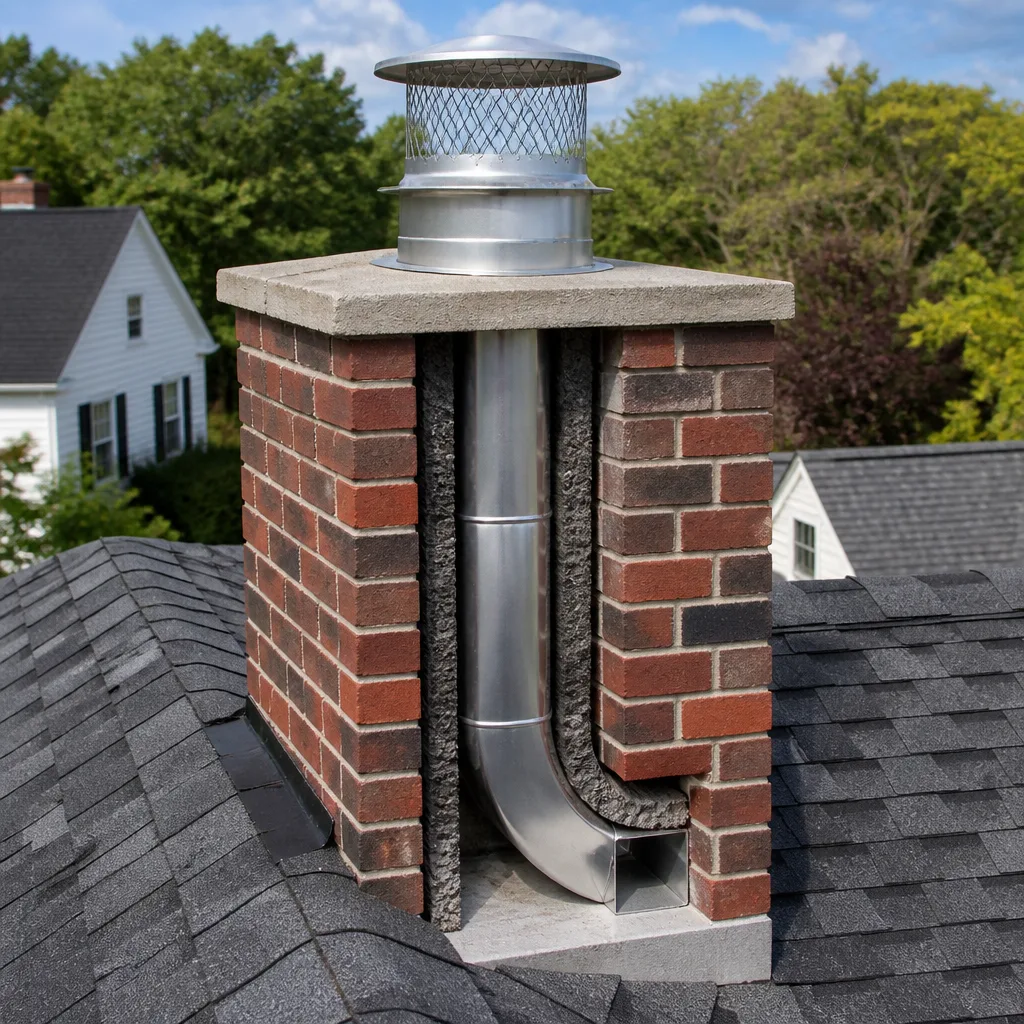
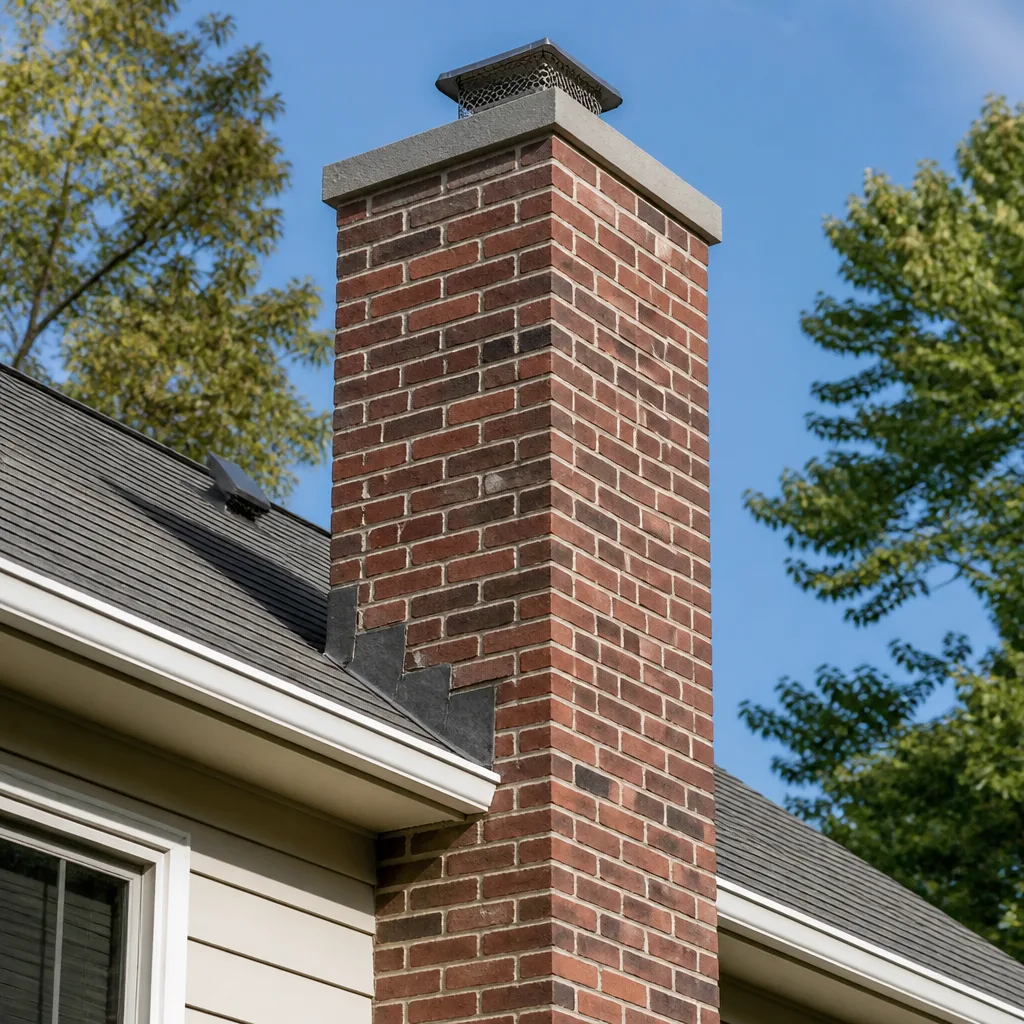
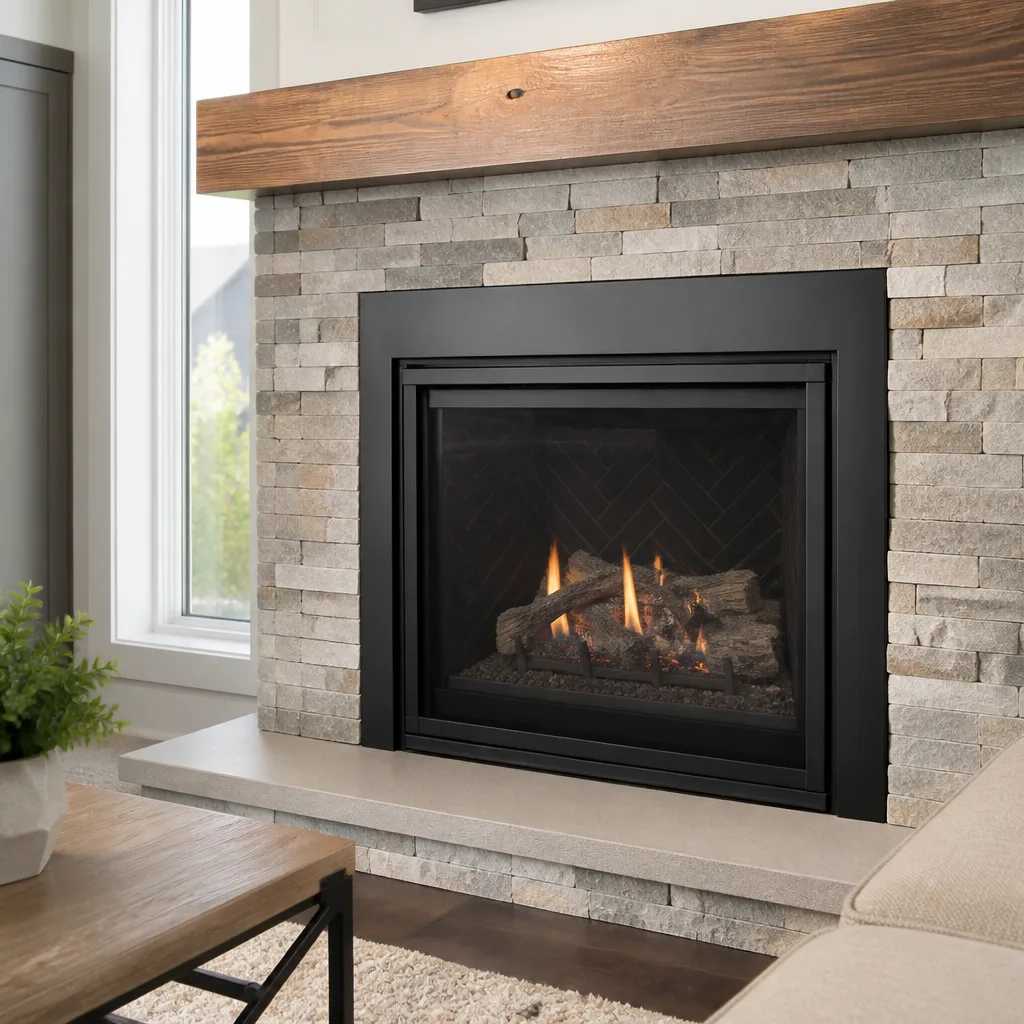
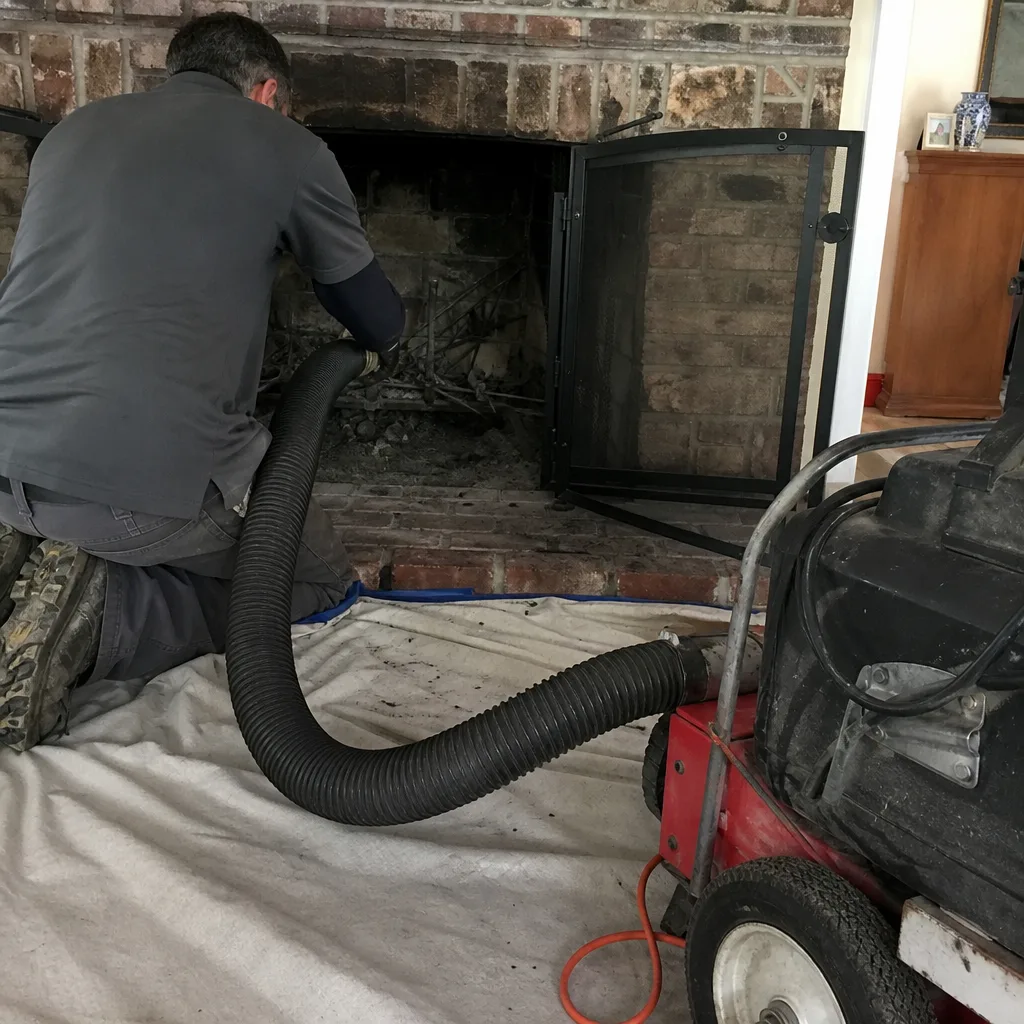 Before
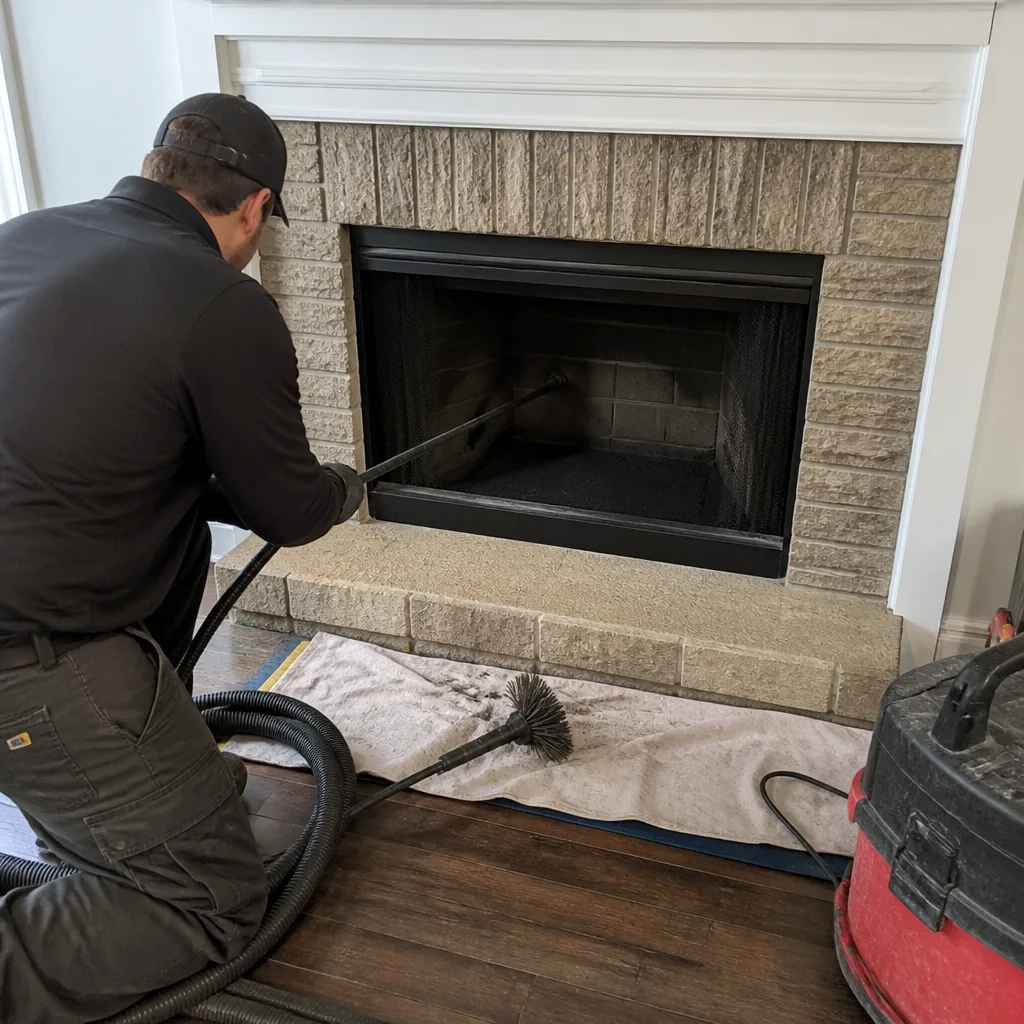 After
After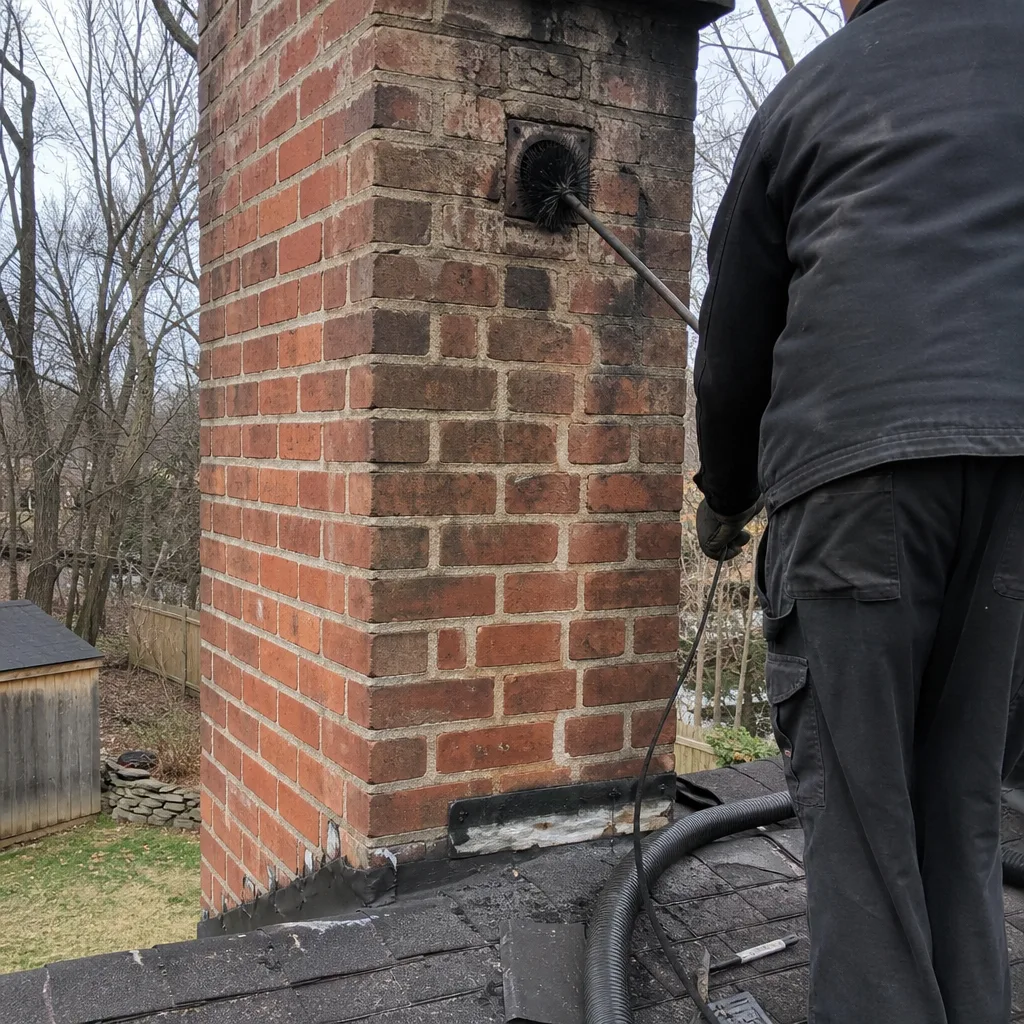 Before
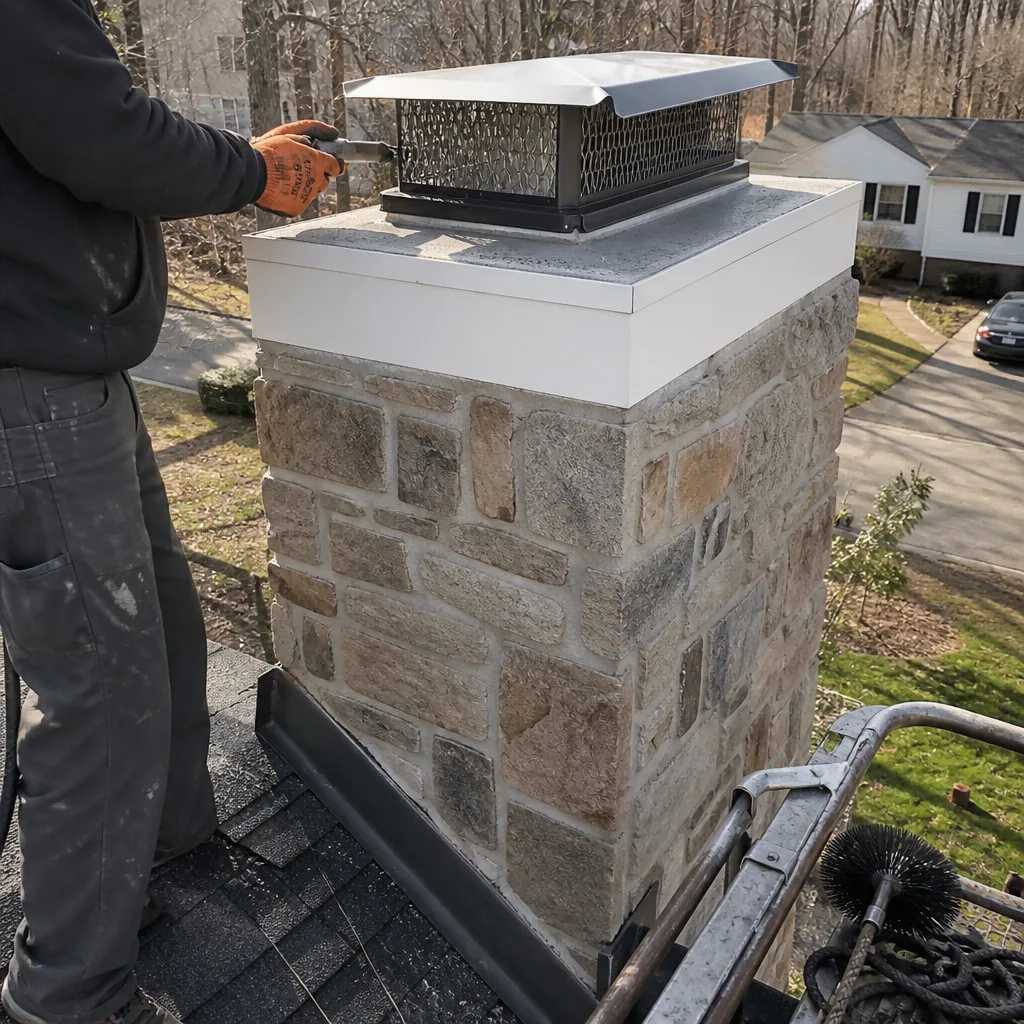 After
After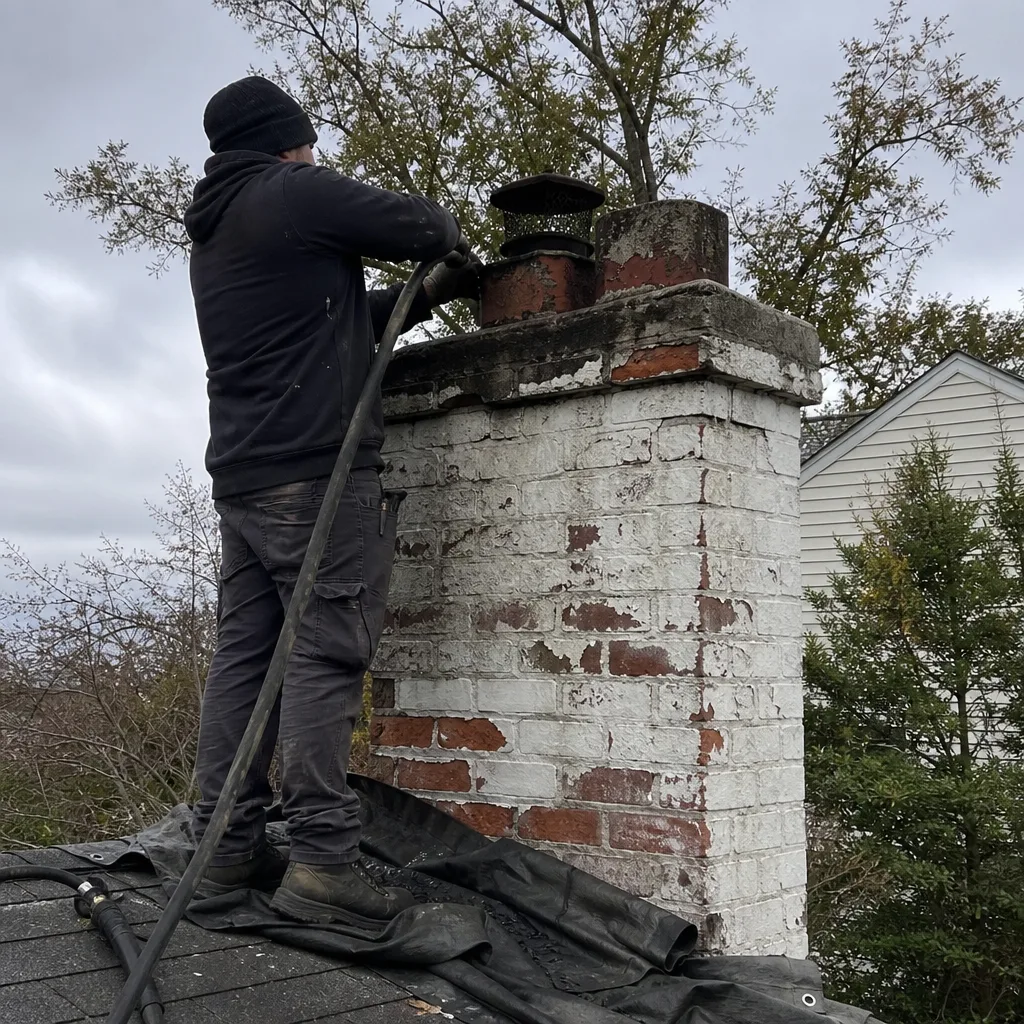 Before
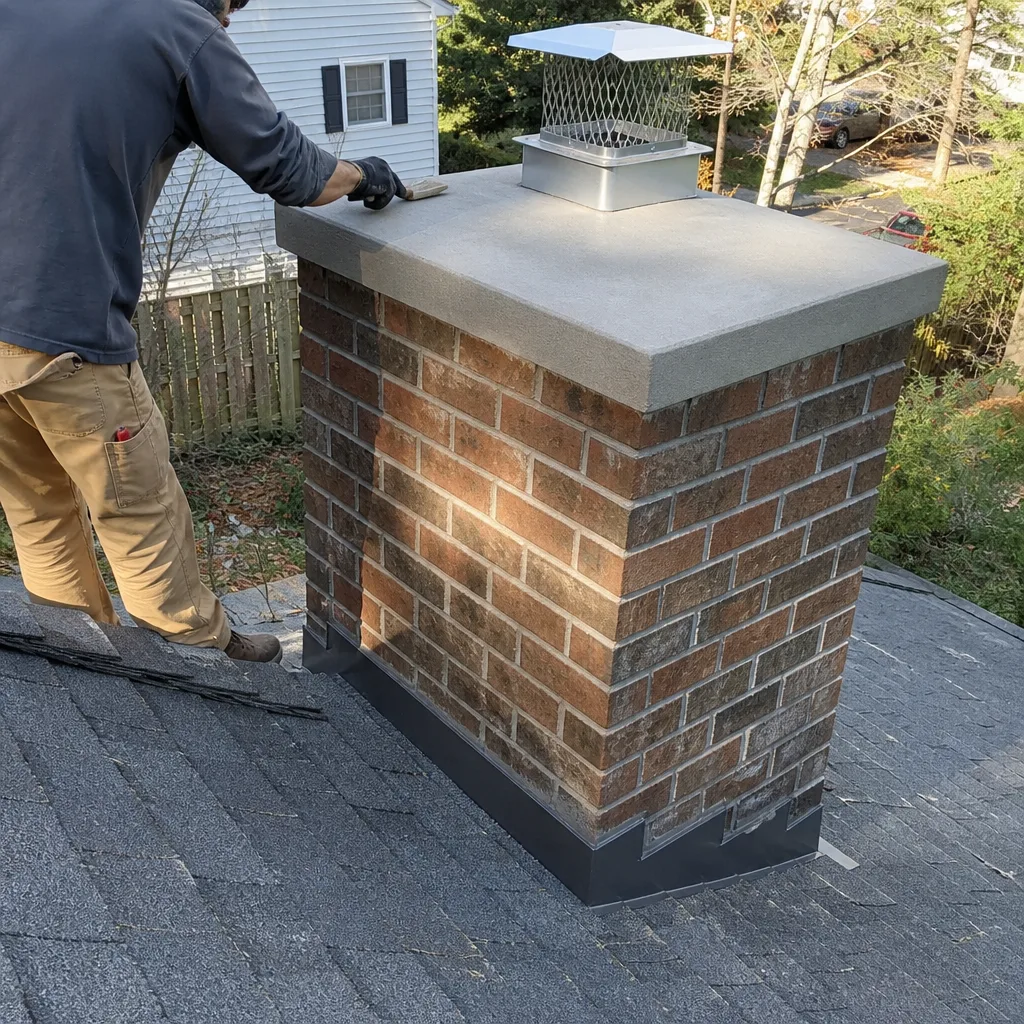 After
AfterChimney Cleaning Permits, Codes & Inspections in VA: What You Need to Know
A chimney relining job in Virginia that proceeds without a permit doesn’t just risk a fine. It creates a gap in the property record that title companies and insurers can flag at sale, sometimes years after the work was done. We’ve watched homeowners in Alexandria lose weeks of escrow time over a liner replacement that looked fine on the surface but had no paper trail behind it. This guide maps exactly where the permit line sits in Virginia, what the codes actually require, and what documentation separates a compliant chimney job from a liability you’ll carry until you sell.
Quick Answer
Chimney cleaning and routine sweeping do not require a permit in Virginia. But most structural chimney work, including liner replacement, firebox rebuilds, and some crown repairs, does require a permit under the Virginia Uniform Statewide Building Code (USBC), and that permit must come from your local building department, not the contractor’s word.
Table of Contents
- What Virginia’s USBC Actually Says About Chimney Work
- Maintenance vs. Alteration: Where the Permit Line Sits
- How Alexandria Enforces Chimney Codes on Top of State Law
- NFPA 211 and What a Level 2 Inspection Legally Means
- How Unpermitted Chimney Work Shows Up at Resale
- What a Compliant Virginia Chimney Contractor Should Hand You
- What Happens When Contractors Skip the Permit
- Common Mistakes to Avoid
- When to Call a Professional
- Frequently Asked Questions
- The Bottom Line
BeforeAfterWhat Virginia’s USBC Actually Says About Chimney Work
The Virginia Uniform Statewide Building Code, which most people call the USBC, is the controlling document for nearly all construction and alteration work in the state. What surprises most homeowners is that the USBC doesn’t categorize chimneys as a single thing. A chimney is a system: foundation, firebox, smoke chamber, flue liner, crown, cap, and the structure that surrounds them. Different parts of that system fall under different permit rules.
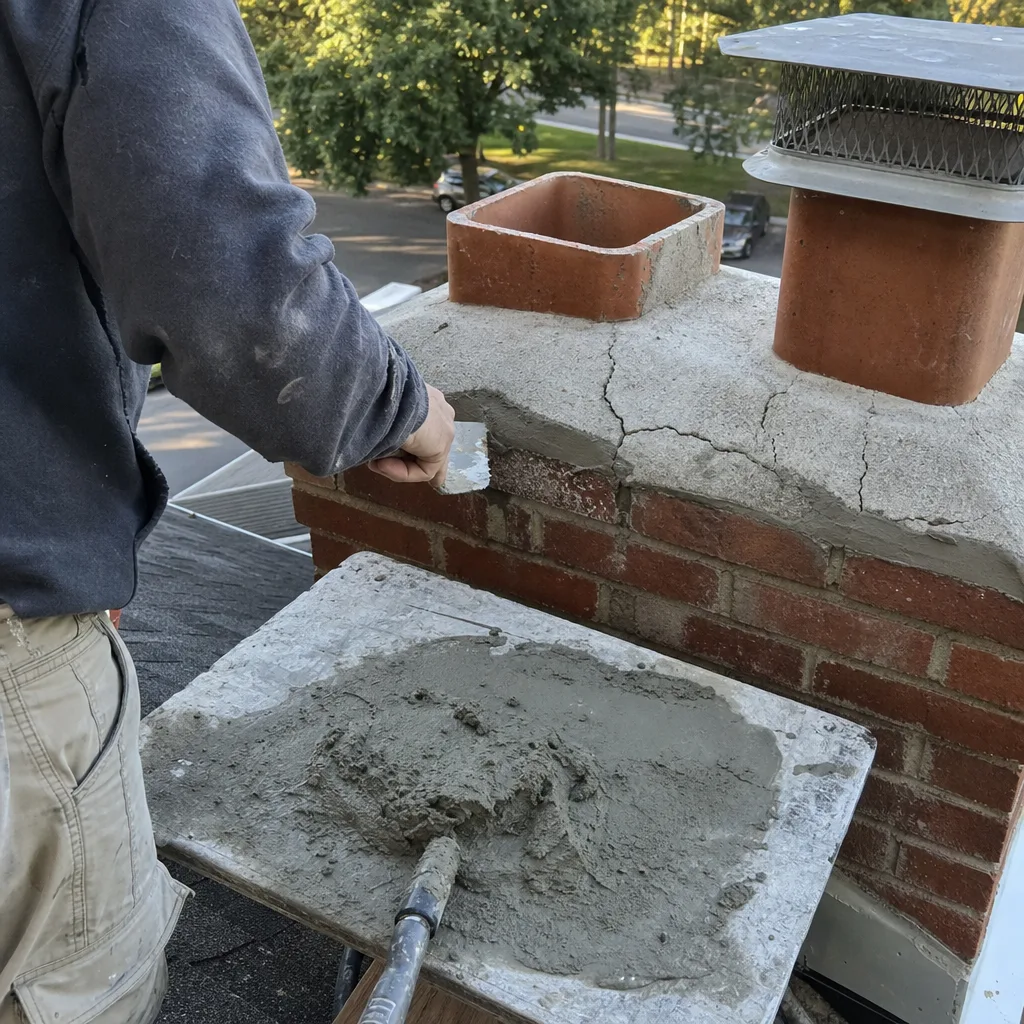
Under the USBC, work that falls into the “ordinary repairs” category is exempt from permit requirements. The state defines ordinary repairs as work that replaces existing materials with like materials without altering the structure, arrangement, or function. So sweeping a flue, replacing a damaged chimney cap with a similar model, or repointing a few loose bricks falls on the repair side. That work needs no permit.
But here’s the line most homeowners never see coming. When a chimney professional pulls a camera down a flue in an Alexandria home built in the 1960s and finds a cracked terracotta liner, the fix typically involves removing that liner and installing a stainless steel replacement-one of the chimney cleaning warning signs Alexandria homeowners should watch for. That’s not a repair. That’s an alteration of the system’s structure and function. It changes how the chimney drafts, what clearance to combustibles is required, and what the manufacturer’s listing conditions are. Under the USBC, that alteration triggers a permit, and it triggers an inspection by the local building official.
For anyone reading this from Alexandria, note that Alexandria operates as an independent city. It doesn’t fall under Fairfax County’s permitting authority the way most of Northern Virginia does. That means Alexandria City’s Permit Center issues its own permits, its own inspectors review chimney work, and its own records office holds the paper trail. We’ll get into what that means operationally in a moment.
Maintenance vs. Alteration: Where the Permit Line Sits
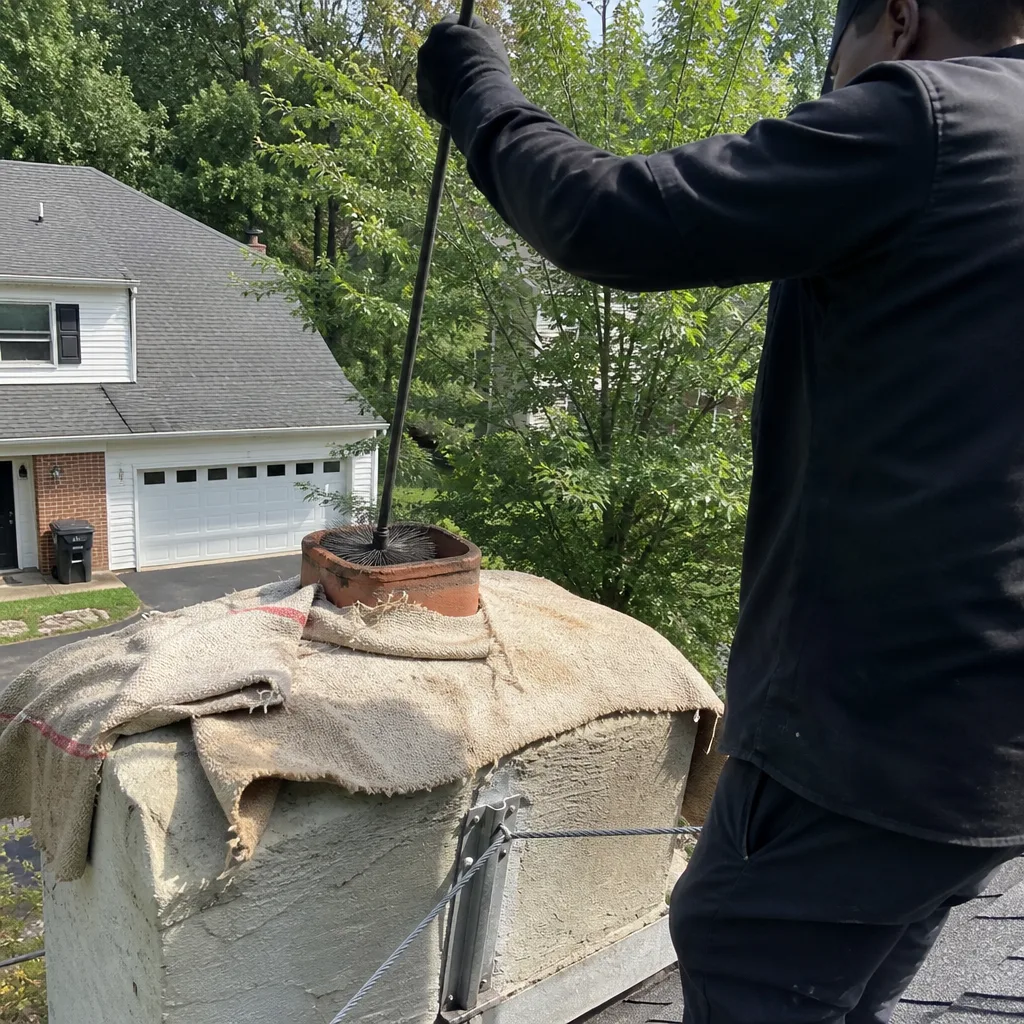
The single most useful question a Virginia homeowner can ask before chimney work begins is this: “Does this job change what the chimney system does, or does it keep it doing what it already does?” Maintenance keeps. Alteration changes. That distinction, more than any list of work types, determines whether a permit is required.
Here are the jobs that fall on the maintenance side of the line:
- Chimney sweeping of any creosote level, including Class III glazed creosote removal by chemical or mechanical means
- Smoke chamber parging, but only when it’s a surface-level smoothing and not a structural rebuild
- Chimney cap replacement with a like-sized, like-material unit
- Flashing repair around the roofline when it’s resealed or re-caulked without structural alteration
- Crown sealing with an appropriate elastomeric or cementitious sealant where the crown remains intact
- Damper replacement with a compatible unit of similar type and function
And here are the jobs that shift to the alteration side:
- Flue liner replacement, whether cast-in-place or stainless. The new liner’s dimensions, material, and listing status must match code and manufacturer requirements. This is the most common chimney permit trigger in Virginia.
- Firebox rebuild, including any work that removes firebrick beyond surface repointing and replaces it with new material. Firebox geometry affects flame behavior and clearances.
- Chimney tear-down and rebuild above the roofline. This changes bearing conditions and flashing details that the USBC regulates directly.
- Relocation of any chimney opening, whether enlarging a firebox opening or adding a new thimble for a stove.
- Any work that changes fuel type. Converting a wood-burning fireplace to gas or installing a gas insert with a new flue configuration alters the entire combustion system.
In Alexandria specifically, we see a common soft spot: older row houses in Del Ray and Old Town that share party-wall chimneys. A liner replacement on one side of a shared masonry mass can affect the adjacent unit’s draft unless the flue is fully isolated. Alexandria’s inspectors are attuned to that condition, and they review it more closely than many homeowners expect.
How Alexandria Enforces Chimney Codes on Top of State Law
Alexandria is one of Virginia’s older independent cities, and its building stock runs from 18th-century brick in Old Town to mid-century split levels in Seminary Hill and modern townhome clusters in Potomac Yard. That range matters because Alexandria’s code enforcement operates on a layer-by-layer model: the state USBC sets the floor, the city’s code administration adds its own review standards, and in some historic districts, the Board of Architectural Review adds a third layer for any exterior-visible work.
The practical result for a homeowner in Alexandria is this: if your chimney project requires a permit, the contract price typically gets reviewed by a city plans examiner before the permit is issued. Alexandria’s inspectors check the manufacturer’s listing for any liner being installed, verify that clearances to combustibles match the USBC and the listing, and confirm that the contractor pulling the permit matches the contractor doing the work.
For home buyers, Alexandria’s property records system is searchable online. Before closing, you can request the permit history on any address through the city’s Permit Center. A re-lined chimney from 2019 should show a permit with a final inspection sign-off. If it doesn’t, that’s a finding worth raising with the seller before you sign.
One more Alexandria-specific point worth naming: the city treats chimneys on historically designated properties under a different review path. If you own in the Old and Historic District or in one of the city’s smaller historic districts, even a chimney cap change visible from the street can require pre-approval. Your contractor should know whether your block falls inside that boundary before ladders go up.
NFPA 211 and What a Level 2 Inspection Legally Means
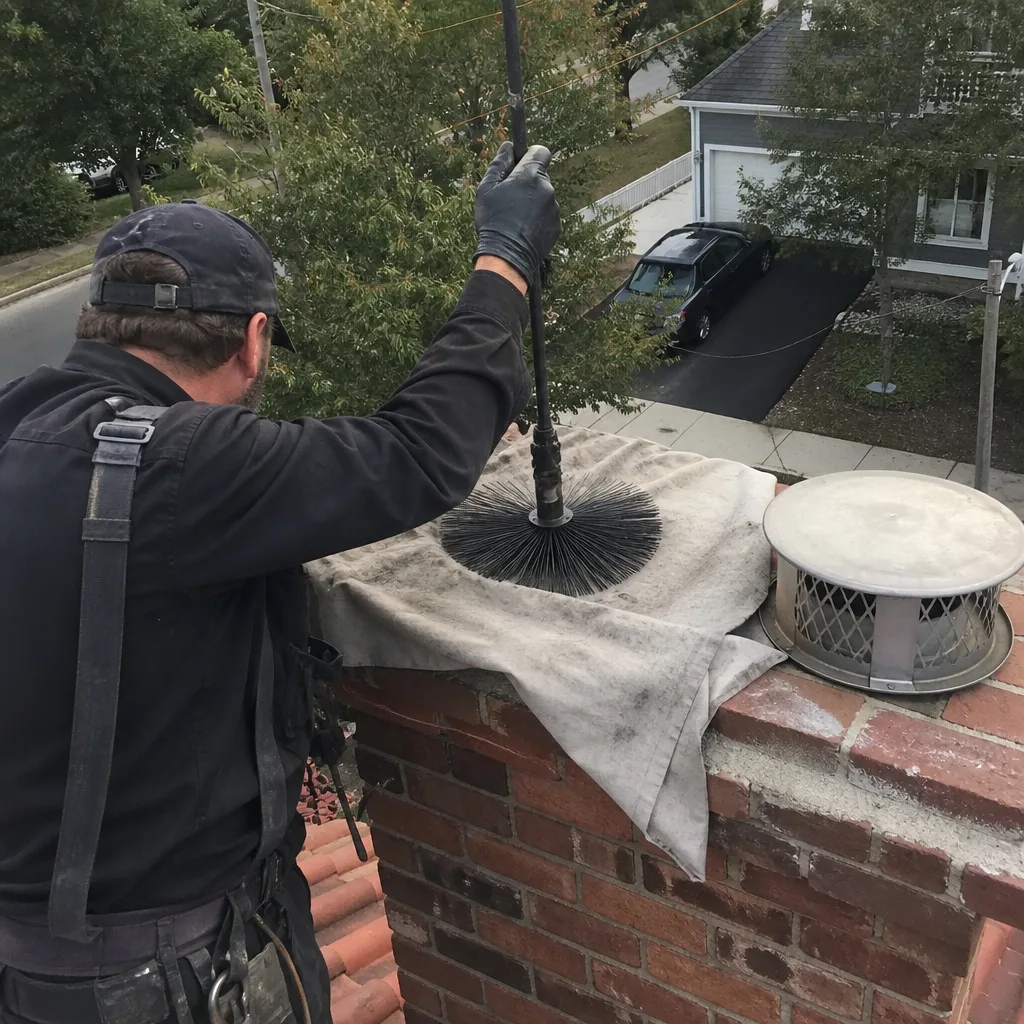
NFPA 211 is the National Fire Protection Association standard for chimneys, fireplaces, vents, and solid fuel-burning appliances. It isn’t a law in Virginia the way a legislative bill is a law. Instead, it’s referenced by the USBC as the accepted standard of care, and most Virginia insurers write their coverage language to mirror it. That’s the legal reality: when a Virginia insurer asks what standard applies to a chimney system after a fire or a claim, the answer is usually NFPA 211.
NFPA 211 defines three inspection levels. Level 1 is for systems that are in continuous use under the same conditions, and it’s what happens during a routine sweep: a visual check of the accessible portions of the chimney interior and exterior. Level 2 is triggered when a property changes hands, when the system’s function changes, or after an event like a chimney fire. It adds camera scanning of the flue interior, inspection of accessible attics and crawl spaces where the chimney passes, and a closer look at clearances.
Level 3 is the invasive inspection, used when a Level 2 finds something that requires removing building components to examine.
Operationally, the difference between Level 1 and Level 2 in an Alexandria home comes down to evidence. A Level 1 sweep tells you the flue is clean and the visible parts look intact. A Level 2 inspection produces a camera record of the liner’s full interior length. Since 2009, we’ve made that camera-scan record the default on every chimney visit, not an add-on. It’s the practice that became Clause 4 of the Haven Standard, and it means an Alexandria homeowner walks away with photo documentation of the flue’s actual condition, not a tech’s verbal summary.
When a home inspection report says “chimney requires Level 2 inspection,” what that means practically in Virginia is that the buyer should not rely on the visual check alone. The camera scan is the evidence an insurer wants to see before binding coverage on an older system.
How Unpermitted Chimney Work Shows Up at Resale
Virginia is a seller-disclosure state. That doesn’t mean sellers always know what to disclose. We’ve seen the same sequence enough times in Alexandria to describe it plainly. A homeowner lists a house in the spring. A buyer’s inspector flags the fireplace or chimney. The buyer asks for evidence that the liner replacement done five years ago was permitted. The seller discovers, for the first time, that the contractor never pulled a permit. The title company notes the gap in the property’s permit record. The closing stalls while everyone argues about remediation.
What remediation looks like after the fact is not the same in every case. If the work was done correctly but never permitted, Alexandria’s code office may allow the owner to apply for an after-the-fact permit, accompanied by documentation of what was installed. That typically requires the original contractor’s invoice, the manufacturer’s listing for the liner or component, and photographs from the installation. If those records exist, the process can move in weeks. If they don’t, the owner may be looking at a Level 2 inspection of the flue to document what’s inside the chimney, then a permit application built on that evidence.
If the work was not done correctly, the after-the-fact path gets harder. A liner with insufficient clearance, an unlisted product, or a firebox rebuilt without the right refractory material may need to be removed and replaced to pass current code. That’s a second payment for the same job, except this time the owner knows to verify the permit before the first brick moves.
What a Compliant Virginia Chimney Contractor Should Hand You
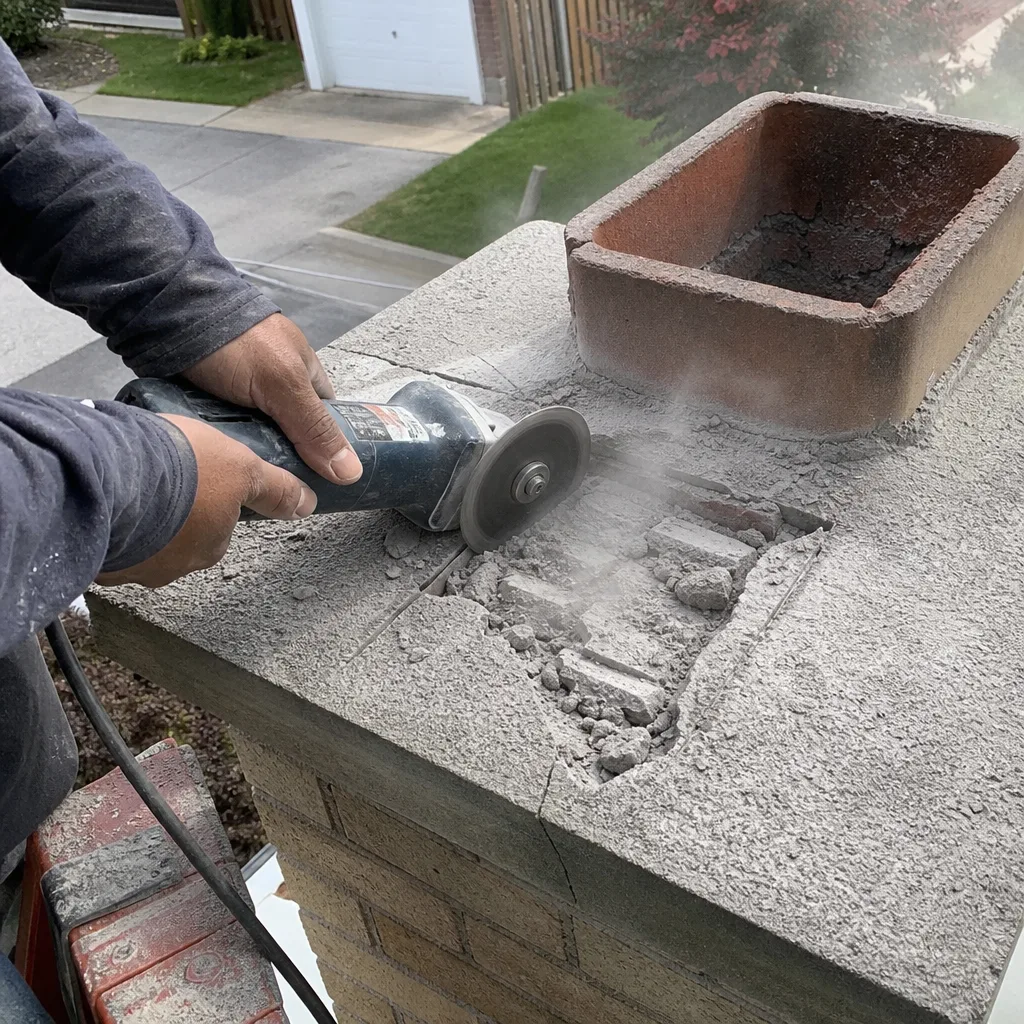
The documentation a homeowner receives from a chimney job is not paperwork theater. It’s the difference between a system that survives a title review and one that creates a sale contingency. A compliant Virginia chimney contractor should provide, at minimum:
- A written scope of work that names the exact product being installed, by manufacturer and model where applicable
- A copy of the permit application and permit number when the job falls on the alteration side of the line, before any work starts
- Manufacturer’s listing documentation for any liner, cap, or appliance component being installed
- Photographic record showing the pre-existing condition and the completed work. Under Clause 4 of the Haven Standard, this is required on every job, and it’s the single most useful evidence if resale questions arise.
- A written warranty that states what’s covered, for how long, and whether the warranty is tied to code compliance
- The final inspection sign-off from Alexandria’s building office on any permitted work
Two of these are worth emphasis. The permit application should be in your hand before work begins, not after. And the final inspection sign-off is not the same as the contractor’s own invoice. It comes from the city inspector, it’s on the city’s letterhead or system, and it’s the document a title company will actually pull during a sale.
What Happens When Contractors Skip the Permit
The contractor who tells you a permit isn’t needed for a liner replacement is often right about the work being straightforward. What they’re wrong about is the consequence, and it lands on you, not them. Virginia code enforcement can impose fines for unpermitted work, but the more consistent cost is the one we described at the top: the title gap, the sale delay, and the remediation cycle.
There’s also the insurance angle. Virginia homeowners policies commonly exclude losses caused by work that violates code. If an unpermitted liner replacement fails and causes a chimney fire, the insurer’s questions will start with who installed it, what standard it met, and where the permit record sits. If the answers are thin, the claim gets thinner.
Contractors who routinely skip permits also tend to skip the manufacturer’s installation requirements. That’s not a coincidence. A liner produced by Olympus Chimney, a cap from Famco, or a component sourced from Copperfield all carry listing conditions: specific clearances, specific connection methods, specific header and termination rules. The permit process is what forces those conditions onto the inspection record. Skip the permit and you’re relying on the installer’s memory of a spec sheet.
The practical filter, if you’re sitting in an Alexandria living room with a quote in hand: ask the contractor to name the permit trigger on your specific job. If they can’t articulate why a permit is or isn’t required, get a second opinion. A written estimate is what any serious contractor should produce before you commit. We’ve aligned the entire scope of our work around that practice, because name-your-price ambiguity is where permit corners get cut.
Common Mistakes to Avoid
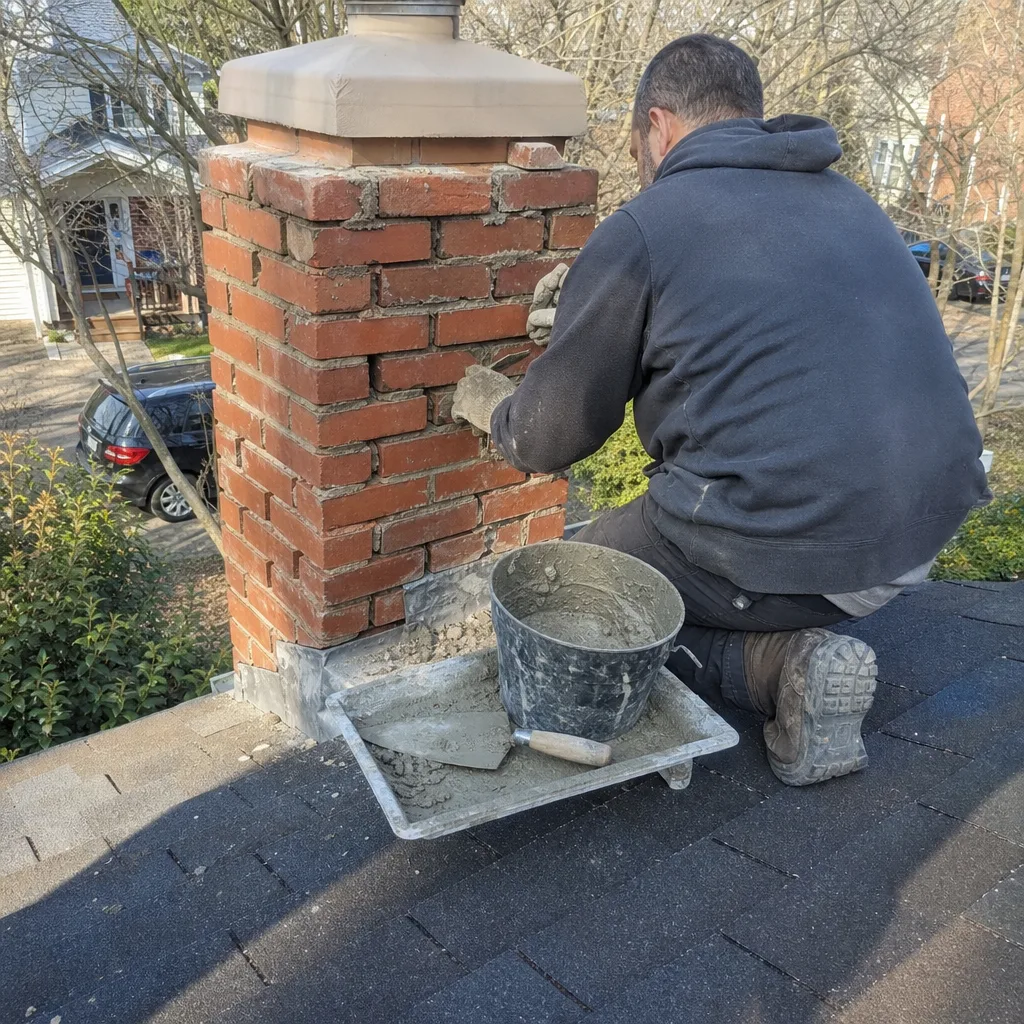
- Accepting “we don’t need a permit for that” without asking why. The why should reference the specific USBC provision or Alexandria code path. A contractor who can’t name the rule hasn’t checked the rule.
- Buying a home with a decade-old fireplace and trusting the home inspection to cover the flue. Standard home inspections almost never include camera scanning of the flue interior. A Level 2 inspection is a separate event, and in a 1960s or 1970s Alexandria home, it’s worth doing before close.
- Assuming a clean chimney means a safe chimney. Sweeping clears creosote, but it doesn’t document the liner’s structural condition. Those are two different questions with two different answers.
- Paying for a liner replacement without seeing the post-installation camera record. If the contractor can’t show you the inside of the flue after the job, you own a blind system.
- Filing an insurance claim after unpermitted work fails. The claim will likely be denied or reduced. The time to verify permitting is before the work, not during the claim.
- Skipping the permit history check on an older Alexandria row house. Party-wall chimneys carry shared conditions. What your neighbor did to their side matters to yours.
When to Call a Professional
Chimney sweeping is routine maintenance, but the decision tree around it is not. Call a professional when you’ve bought a home with a fireplace and have no record of the last sweep or inspection. Call when you’re switching the fuel source from wood to gas or installing an insert, because the flue’s condition and listing compatibility have to be verified against the current code. Call when you see spalling brick or a damaged crown from the street, because what’s visible on the outside is a sign of what may be degrading inside the flue. And call when a contractor has told you a liner replacement is needed but hasn’t shown you camera evidence. The scan is the proof, not the claim.
Level Two Chimney Alexandria offers free estimates in Alexandria, with a documented camera record on every visit. Call (240) 290-6726.
Frequently Asked Questions
In Alexandria, a standard chimney sweep and Level 2 camera inspection typically runs between $225 and $395 depending on the chimney’s height, access, and creosote buildup. Our chimney cleaning and sweep in Alexandria includes the camera record as standard, not an add-on. Call (240) 290-6726 for a written quote before any work is scheduled.
Yes. Replacing a flue liner changes the structure and function of the chimney system, which moves the job from the repair category to the alteration category under the Virginia USBC. That triggers a permit from the local building office, which in Alexandria means the city Permit Center. A contractor who tells you otherwise is not reading the same code book.
NFPA 211, the standard most Virginia insurers reference, recommends annual inspection and cleaning as needed. For a wood-burning fireplace used regularly through an Alexandria winter, that usually means a sweep every one to two years. The threshold that matters is not time but buildup: a quarter inch of creosote changes the fire risk equation enough that a sweep is due.
Creosote builds in the flue, and creosote is combustible. A heavy enough buildup allows a hot fire to ignite the lining itself, which is a chimney fire. Those fires can move into the house structure. A few years of skipped cleaning in a heavily used fireplace is not a filing error: it’s the sequence that produces the worst outcome. The sweep is cheap insurance, and the camera record shows you exactly what’s inside.
Only camera evidence settles this question. If a contractor recommends a liner replacement without showing you the scan, get another scan. At Level Two Chimney Alexandria, we don’t quote a liner job until the camera has been down the flue and you’ve seen the footage. That evidence-first rule is baked into our operating practice, and it’s why our chimney repair in Alexandria quotes always come with the photo record attached. Call (240) 290-6726 for a second opinion on any liner recommendation.
Pull the permit history from the city’s records system for any chimney work done in the past decade, especially liner replacement, and check our more guides & resources for additional help. Then get a Level 2 inspection with camera documentation if the system is more than 20 years old. Those two steps catch most of the resale problems we see in Alexandria real estate transactions, from unpermitted liners to hidden flue damage that standard home inspections never touch.
The Bottom Line
Virginia draws a clear line between chimney maintenance and chimney alteration, and that line is where permits live. Routine sweeping needs none. Liner replacement, firebox rebuilds, and fuel conversions do, and the permit must come from your local building office. In Alexandria, that’s the city Permit Center, which layers its own review standards on top of the USBC. The documentation you want from any contractor is written scope, permit number, manufacturer listing, photo record, and final inspection sign-off. Get those things in writing before work starts, and your chimney system won’t just be clean; it’ll have a paper trail that survives the title search. Fireplace services in Alexandria that skip the paperwork cost more than the fee. Call (240) 290-6726 with questions about your chimney’s permit status, or contact us through our Alexandria chimney services home page.
Written by Corrine Halstead, Owner at Level Two Chimney Alexandria, serving Alexandria since 2009.