
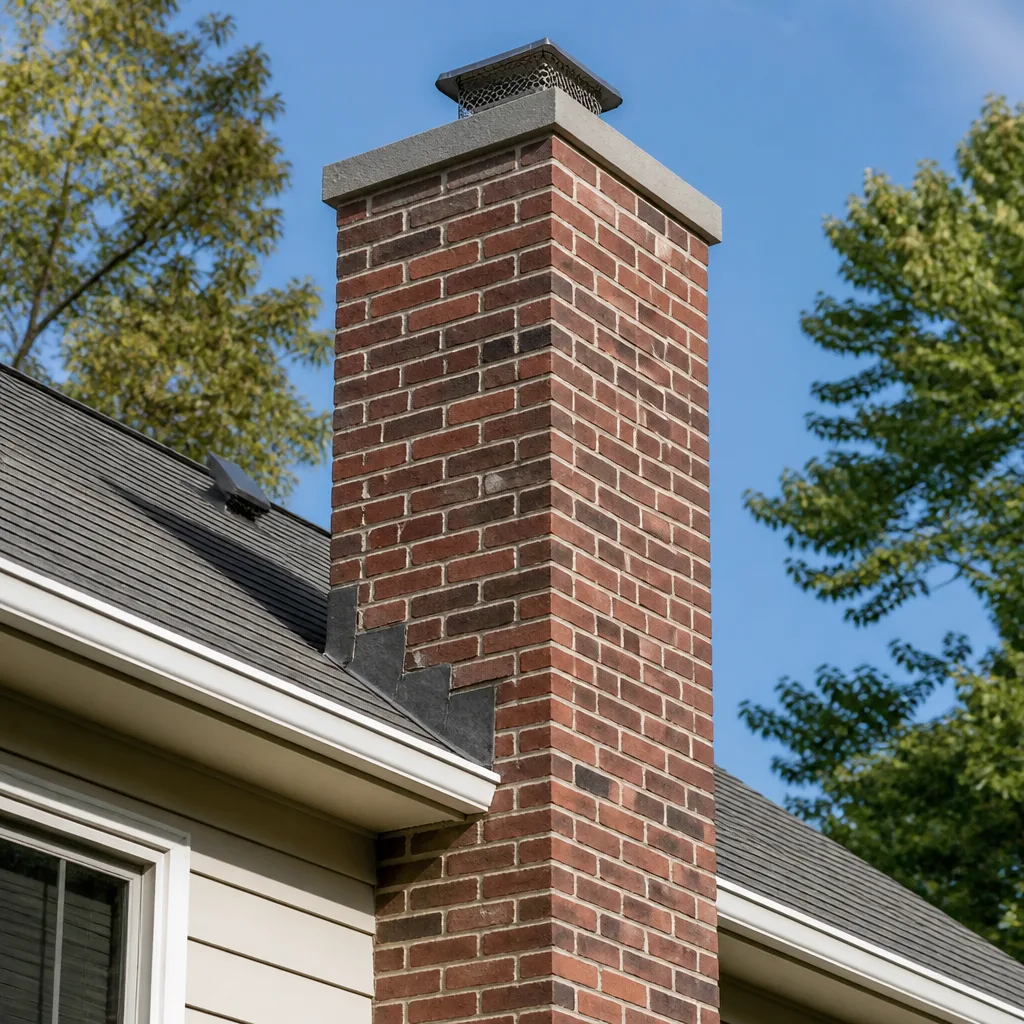
Level 1 sweep and inspection to the NFPA 211 annual standard - flue, crown, cap, and flashing checked and photographed
Chimney sweep logs do not sweep chimneys. They loosen some creosote - which then falls where a brush and vacuum still have to collect it.
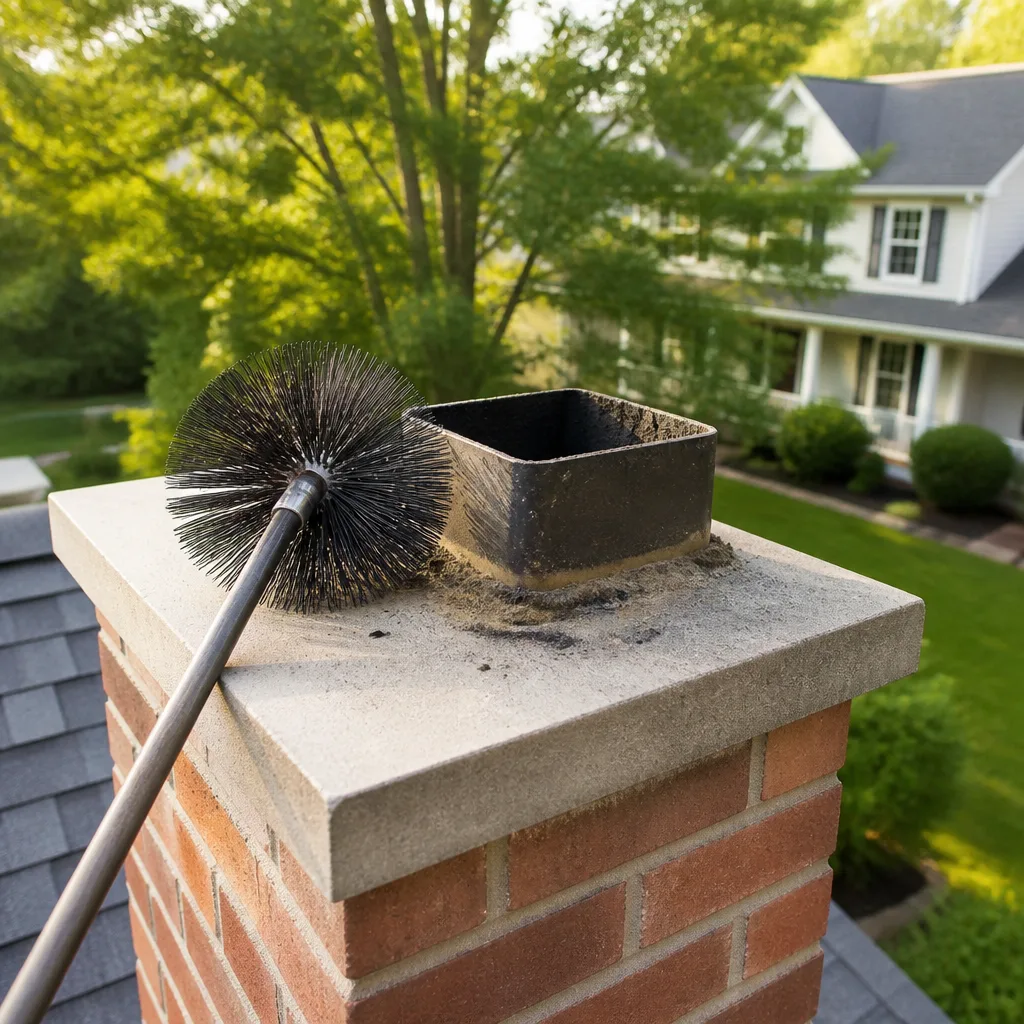
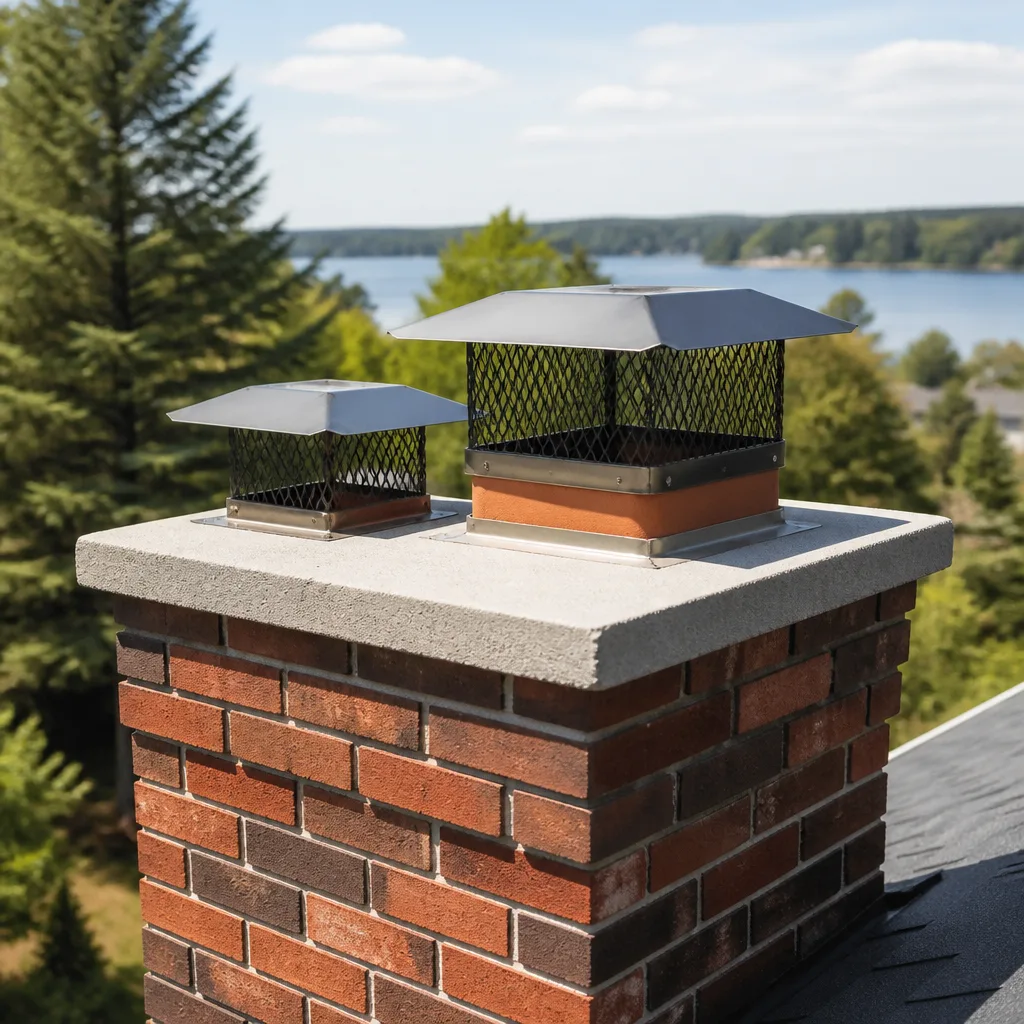
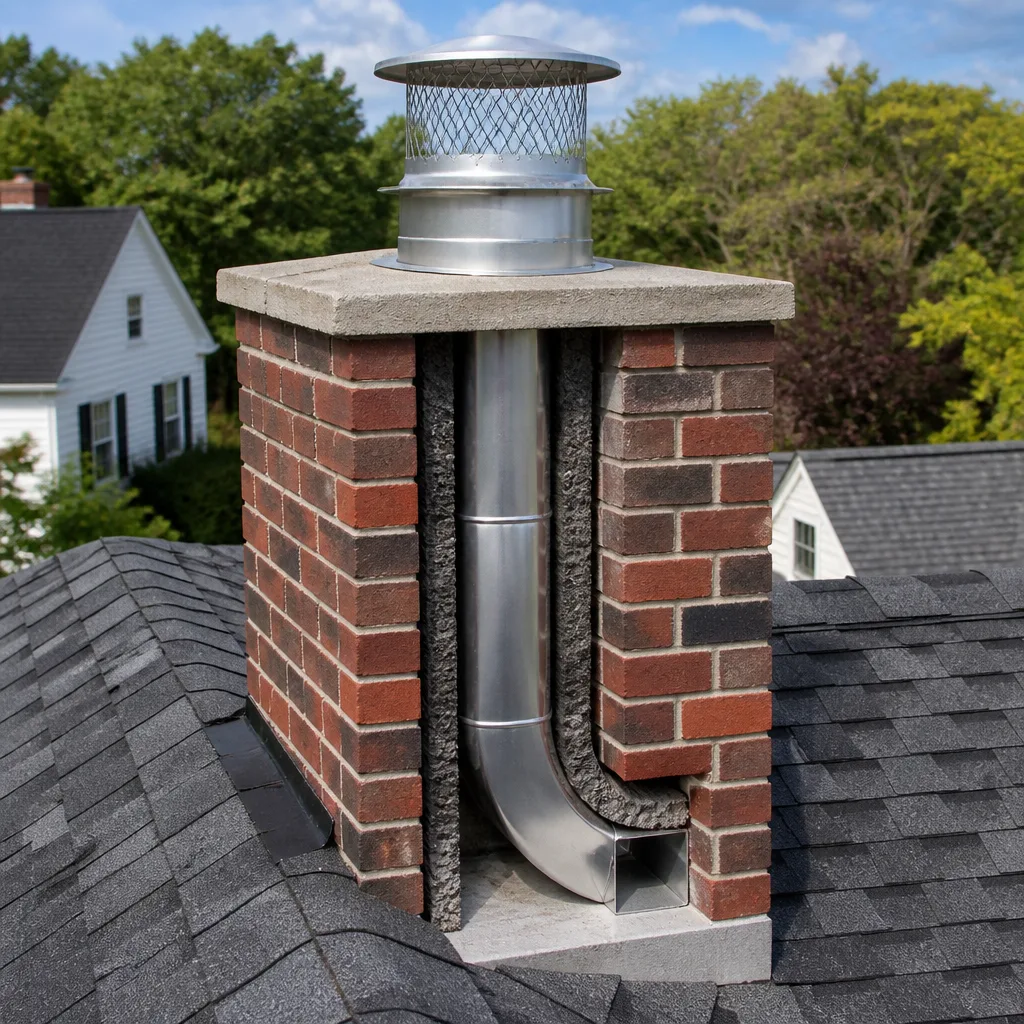
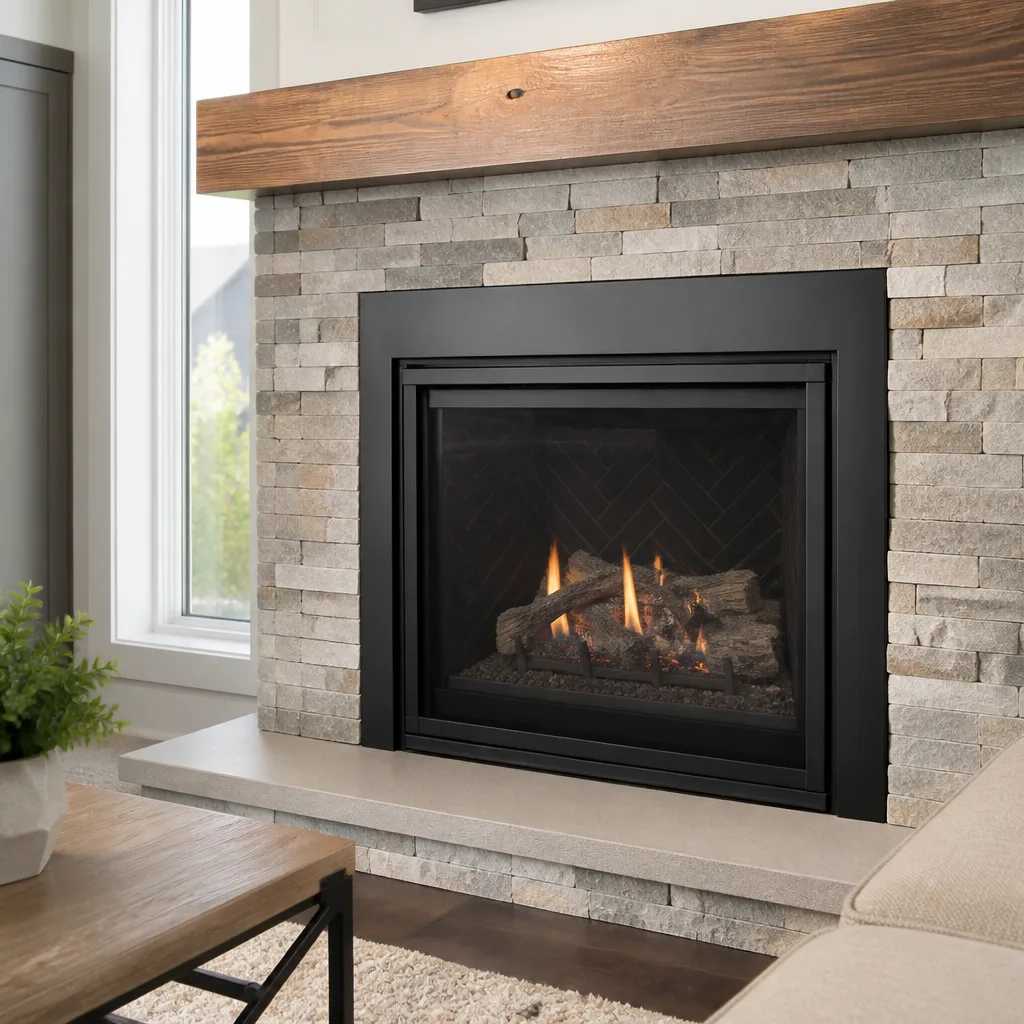
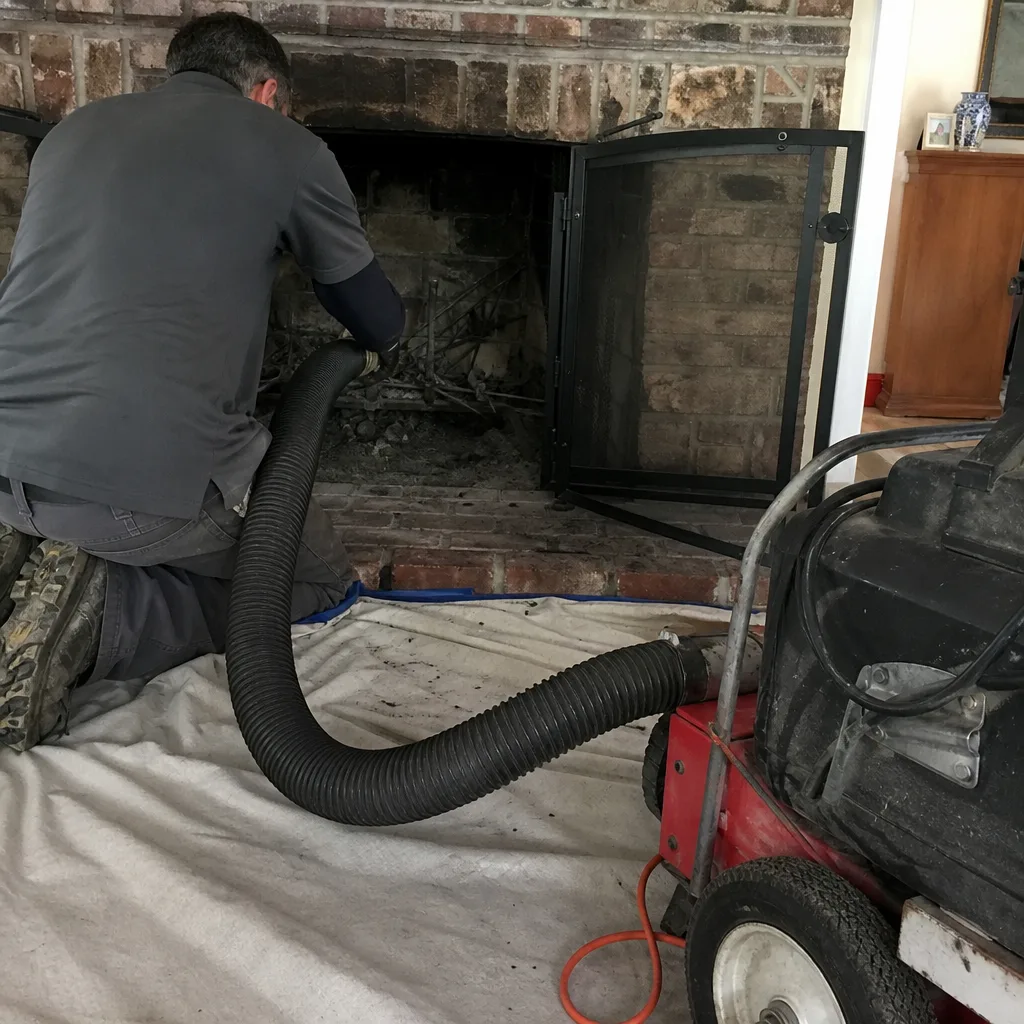 Before
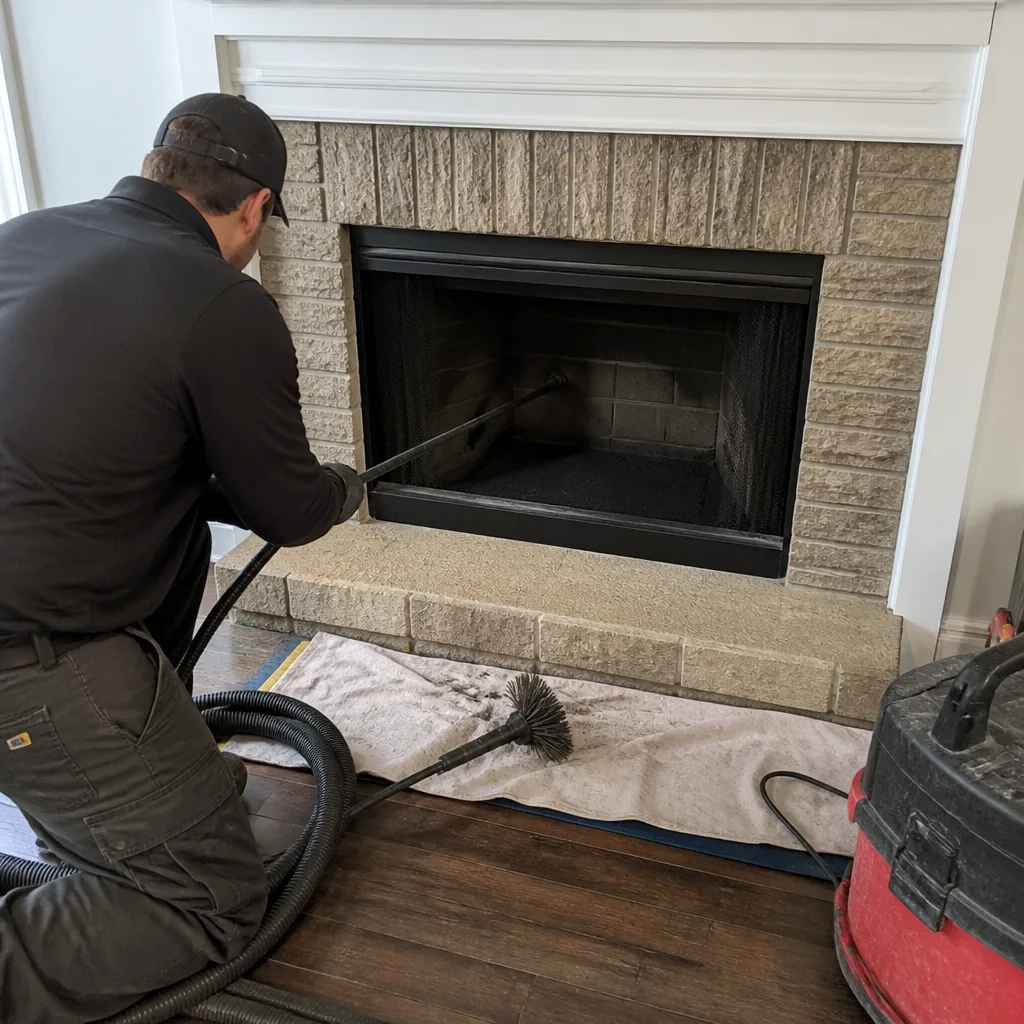 After
After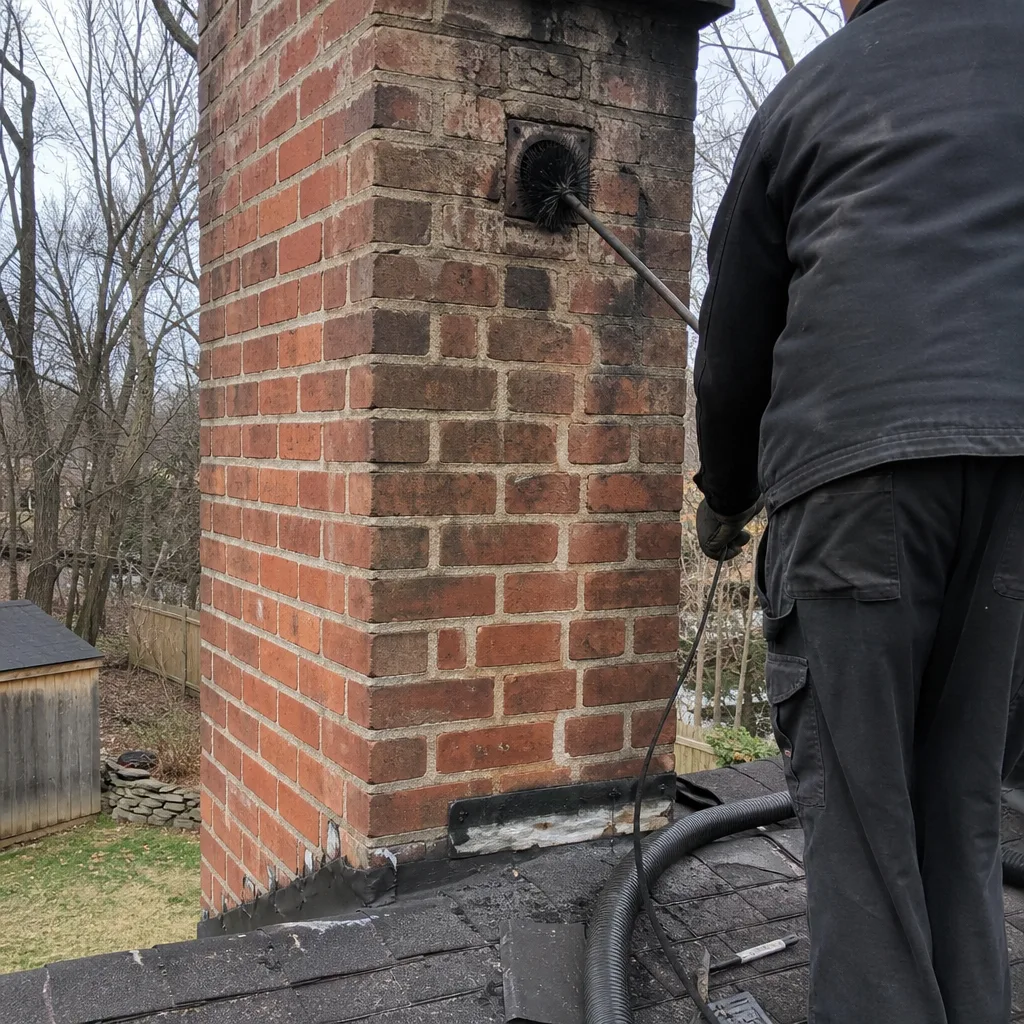 Before
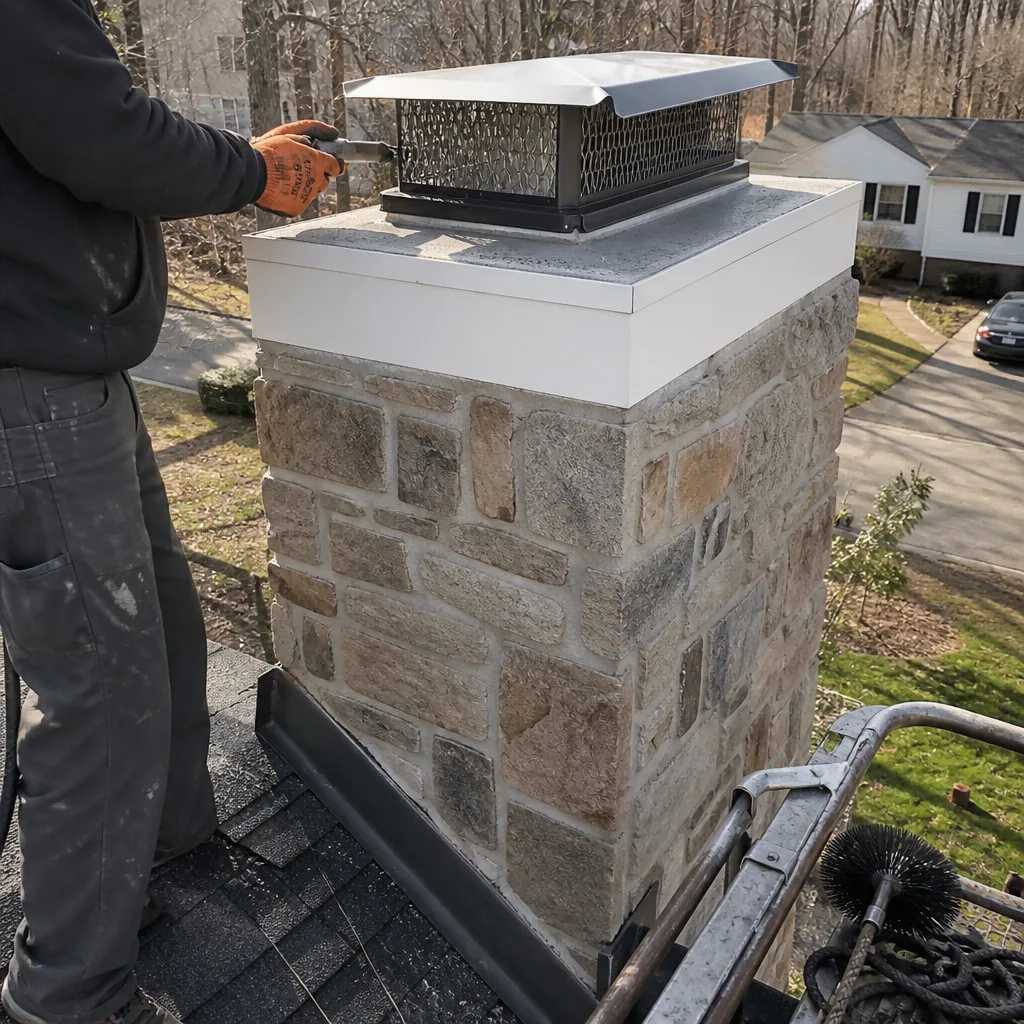 After
After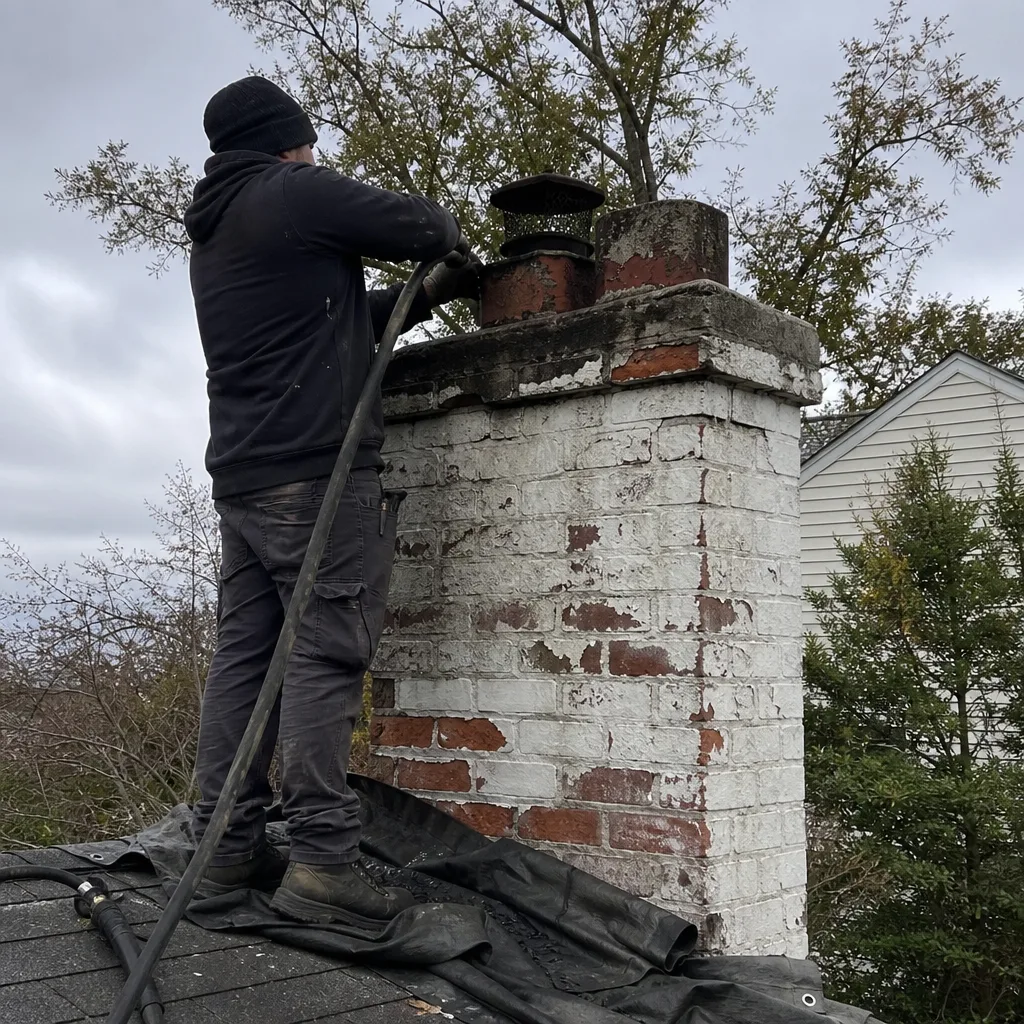 Before
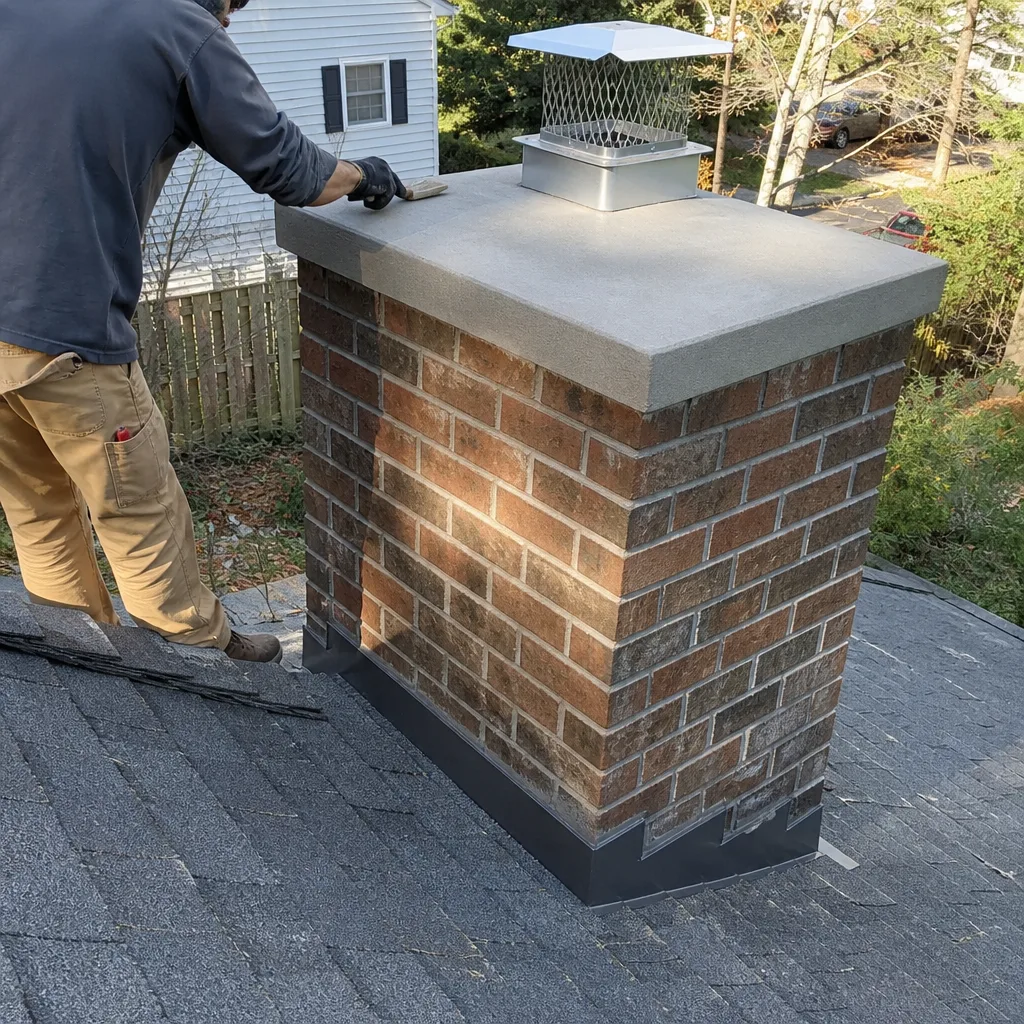 After
AfterCreosote Removal in Alexandria, VA
Creosote removal in Alexandria typically runs between $150 and $850, depending on how much buildup is present and which removal method the condition requires. Most Chimney Cleaning & Sweep services for Class I or light Class II deposits are completed in a single visit. Heavier Class III glazed creosote requires chemical treatment and a follow-up sweep, so the process takes longer and costs more.
At Level Two Chimney Alexandria, every creosote removal starts with a camera scan of the flue – not a flashlight look from the firebox. We tell you exactly what class of deposit we’re dealing with, put the price in writing before anyone picks up a brush, and give you a documented photo record when the work is done. That’s not a premium add-on; it’s how we’ve operated every job since 2009. If you want a straight answer about your chimney’s condition, call us at (240) 290-6726.
Creosote removal is part of our broader Chimney Cleaning & Sweep in Alexandria service. If you’ve been told you need a full sweep alongside the creosote work – or you’re not sure which you need – that page walks through both in detail.
What Creosote Actually Is (and Why the Class Matters)
Creosote is the byproduct of incomplete combustion. When wood burns without enough air, or when smoke contacts a cooler flue surface, unburned carbon particles and condensed gases stick to the liner walls. Over time, those layers harden and concentrate. The trade breaks creosote into three classes, and that classification is the most important number in your removal estimate.
- Class I (dusty or flaky): Light gray or brown deposits that brush off cleanly. Standard rotary cleaning tools handle this without any chemistry involved. This is what a well-maintained Alexandria fireplace should look like at annual cleaning time.
- Class II (tar-like or porous): Thicker, dull black buildup that has dried and hardened. Rotary brushes with more aggressive poly or metal bristles are usually enough, but if the layer is more than a quarter inch thick, a chemical pre-treatment speeds removal and protects the liner.
- Class III (glazed): A shiny, hard, tar-like layer that has been heated and re-condensed multiple times. Wire brushes alone can’t remove it without damaging the liner. It requires a chemical desiccant – a product like Copperfield‘s creosote modifier – applied in one visit, left to convert the glaze to a friable crust, then swept out on a return trip. Class III is also the classification that carries the highest chimney fire risk; it burns at over 2,000°F.
In Alexandria, we see Class II and Class III deposits more often than technicians in drier climates do. The mid-Atlantic humidity – especially during the stretch from October through March when fireplaces get the most use – affects how smoke condenses on the liner. Homes in Del Ray and Rosemont with older masonry chimneys and modest firebox openings tend to accumulate heavier deposits faster than a newer zero-clearance unit would, simply because the draft dynamics are different. That’s not a criticism of older construction; it’s just what the camera consistently shows us.
When You Need Creosote Removal
- You smell smoke in the house during or after a fire. A partial blockage from creosote buildup can redirect smoke back into the living space instead of up the flue. In tighter Alexandria rowhouses and townhomes, this shows up faster than in detached homes with more air volume to absorb it.
- Your fires are harder to start or keep going. Heavy creosote narrows the flue opening, reducing the draft that feeds combustion. If your fires need constant attention and die quickly, restricted airflow from buildup is a common cause.
- You see a shiny or tar-like coating on the damper or smoke shelf. If glaze is visible at the damper plate – which you can see without a camera – Class III deposit is almost certainly present higher in the flue where it matters most.
- You burned a lot of green or unseasoned wood last season. Wet wood is the single fastest way to accelerate creosote accumulation. Alexandria homes that rely on cord wood from neighborhood suppliers sometimes get batches that haven’t dried long enough, particularly early in the season.
- It’s been more than a year since your last documented chimney cleaning. NFPA 211 recommends annual inspection and cleaning for any chimney in active use. If you don’t have a written record of the last service, you don’t actually know what’s in there.
- You had a chimney fire – even a small one. A flue fire burns off some creosote, but it can also crack the liner and leave behind hardened Class III glaze in areas that are now structurally compromised. After any suspected flue fire, camera documentation is necessary before the fireplace is used again.
BeforeAfterOur Creosote Removal Process
- Camera scan before any work starts. A technician runs a Level 2 inspection camera down the flue from the top and scans the smoke chamber from the firebox side. We classify the deposit, check liner integrity, and note any cracks or spalling that could affect the removal approach. You see the footage. Nothing is assumed.
- Written price delivered before we touch anything. Once we know the deposit class and the linear footage of flue that needs treatment, we put the scope and price in writing. You approve it or you don’t – no pressure either way. This is Haven Standard Clause 1: a written price, written scope, and written warranty before work begins, every time.
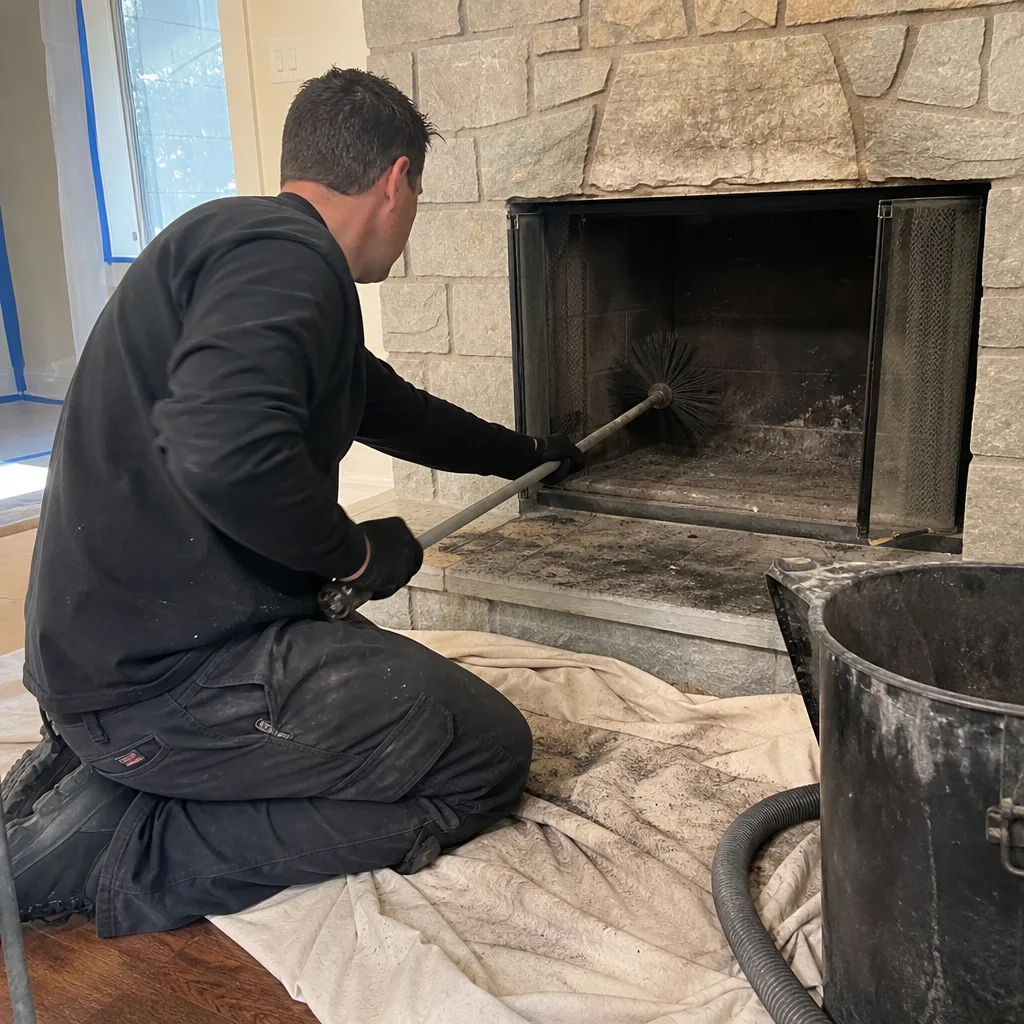
- Firebox protection and dust containment. We seal the firebox opening with a drop cloth and negative-pressure containment so that dislodged material stays inside the system. In Alexandria’s older homes – particularly the brick ranchers in Bucknell and the colonials along Seminary Road – interior cleanliness matters because the firebox is often in a main living area, not a utility room.
- Rotary brush removal (Class I and II) or chemical treatment (Class III). Class I and II deposits are removed with rotary poly or wire brushes sized to the flue dimension. For Class III glaze, we apply a chemical desiccant that converts the hardened tar into a friable, brushable residue. That product needs 48 to 72 hours to work before we return to sweep out the converted material. We schedule the follow-up before we leave the first visit.
- Vacuum extraction and cleanup. All loosened material is vacuumed through a HEPA-filtered unit. The firebox is cleaned, the damper is checked for operation, and the area is left clean. We don’t leave a ring of soot on the hearth.
- Photo documentation delivered to you. Under Haven Standard Clause 4, every visit produces a documented photo record – before and after images of the flue, liner condition, and any findings noted during the camera scan. You get this on file. If an insurance question or a home sale inspection ever asks about your chimney’s service history, you have the paper trail.
Creosote Removal Pricing in Alexandria
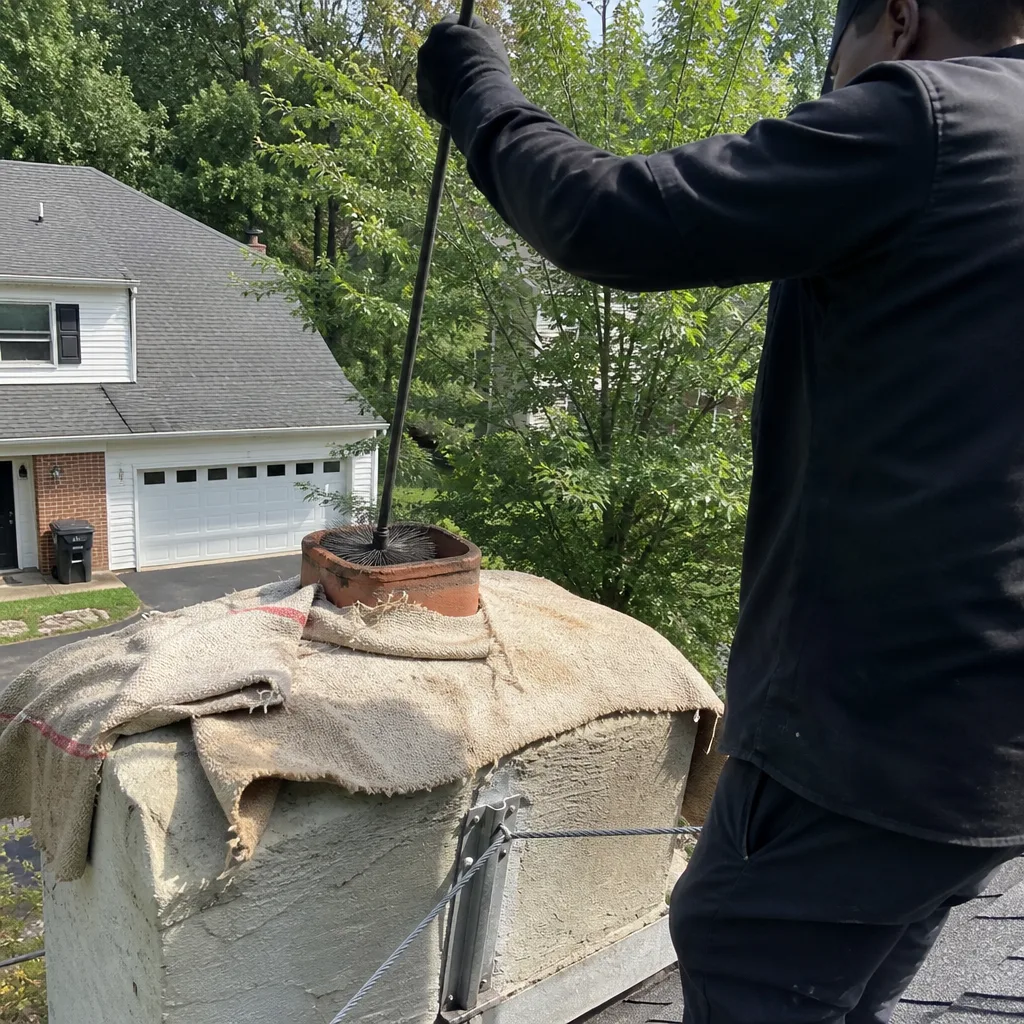
Creosote removal in Alexandria costs between $150 and $850 for most residential chimneys. The range is wide because the work is genuinely different at each deposit class. Here’s how the cost breaks down:
| Deposit Class | Typical Price Range | Notes |
|---|---|---|
| Class I (light, dusty) | $150 – $249 | Single visit; included in standard annual sweep pricing |
| Class II (tar-like, moderate) | $250 – $449 | Single visit; chemical pre-treatment may add cost if layer is thick |
| Class III (glazed) | $450 – $850+ | Two visits required: chemical application, then return sweep |
What moves the number within each range: flue height, flue shape (round liner vs. square masonry), liner material (clay tile vs. stainless), and whether the smoke chamber also needs attention. A standard two-story Alexandria Colonial with a clay-tile liner runs toward the lower end of each band. A three-story rowhouse with a long, narrow flue and years of deferred maintenance runs toward the higher end.
The camera scan and Level 2 Inspection are part of the visit – not a separate charge layered on top. You’ll know the deposit class and the price before any removal work begins. If you have a written estimate from another company, bring it to us: we offer a free second opinion on any written estimate, no appointment theater required.
Call (240) 290-6726 to schedule – estimates are free and the price you get is the price you pay.
FAQs – Creosote Removal in Alexandria, VA
How do I know if I have Class III creosote?
Class III creosote looks shiny and hard – almost like black glass on the interior flue walls. You can sometimes see evidence at the damper plate (a thick, tar-like glaze), but the only reliable way to classify it is with a camera scan of the full flue length. A Level 1 Inspection from the firebox opening can miss significant deposits in the upper flue or around the smoke chamber. If you’ve had strong, fast-burning fires over several seasons without annual cleaning, Class III is a real possibility – especially in Alexandria’s older masonry systems. Call (240) 290-6726 and we’ll run the camera and tell you exactly what class you’re dealing with before we quote anything.
Is creosote removal something I can do myself?
Class I deposits – the light, dusty kind – can technically be brushed by a homeowner with the right equipment and proper containment. Class II and Class III should not be DIY projects. Class III glazed creosote requires chemical desiccants that, if misapplied, can produce liquid runoff that damages the liner and creates a fire hazard in a different way than the original buildup. More practically: if you can’t see the full flue with a camera, you can’t confirm the removal was complete. Incomplete Class III removal is arguably worse than no removal, because the residual material continues to harden. A camera-documented professional removal is the only way to know the flue is actually clear.
How long does creosote removal take?
Class I and Class II removal is done in a single visit, usually two to three hours for a standard residential chimney in Alexandria. Class III removal takes two visits: the first to apply the chemical desiccant (one to two hours), then a return trip 48 to 72 hours later to sweep out the converted material (one to two hours). We schedule both visits before we leave your home after the first appointment, so there’s no back-and-forth coordination on your end.
How often should creosote be removed from a fireplace used regularly?
NFPA 211 calls for annual inspection and cleaning for any fireplace in active use. In practice, an Alexandria home burning two to three fires per week through the heating season – October to March roughly – is generating enough combustion byproduct to warrant annual creosote removal as a baseline. If you’re burning more frequently, or if you use your fireplace as a primary heat source, a mid-season check makes sense. The honest answer: the camera tells you when it’s needed, which is why we include the scan on every visit rather than guessing by calendar.
Why Level Two Chimney Alexandria
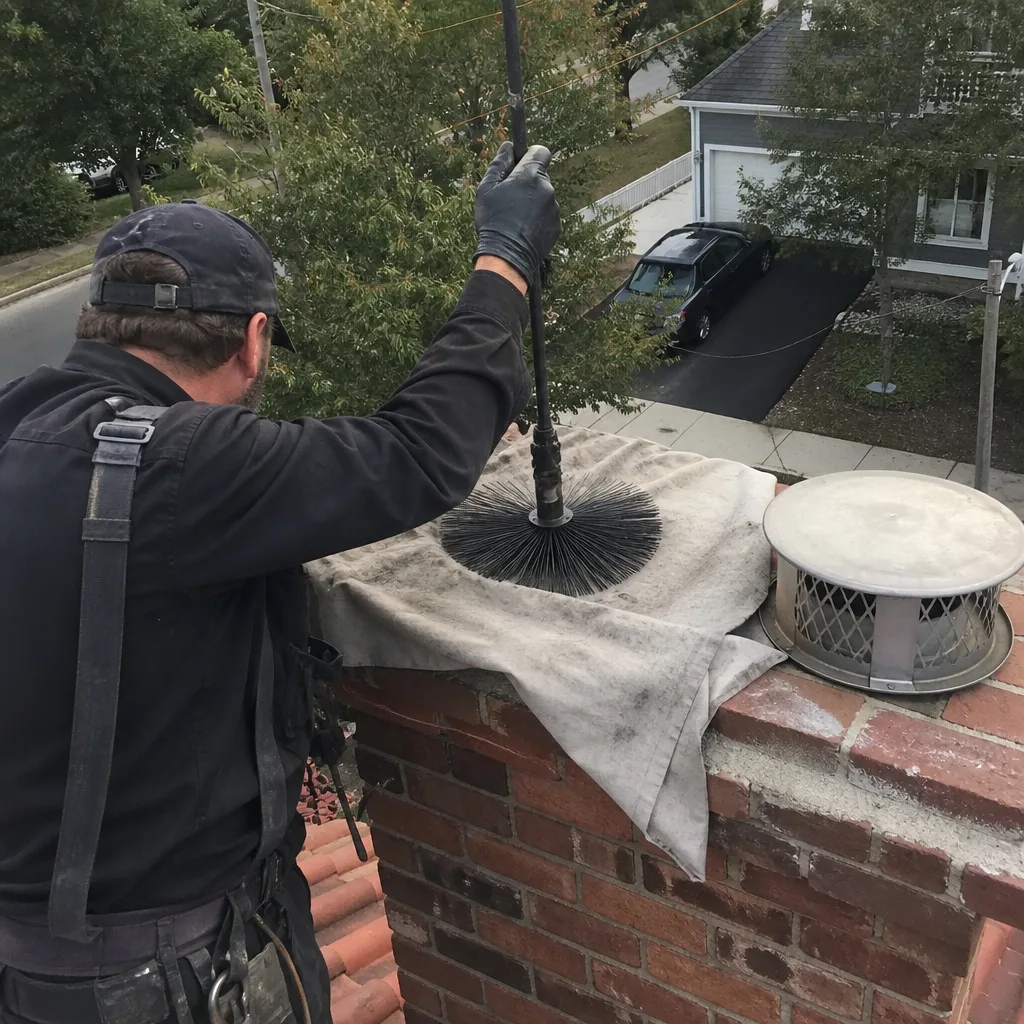
The name isn’t marketing language. Level Two refers to the NFPA 211 Level 2 inspection standard – camera down the flue, documented findings, written record. We made that the default in 2009, well before insurance companies or home inspectors started asking for it, and it’s been part of every job across more than 38,000 chimney inspections and cleanings since then.
For creosote removal specifically, the camera matters because deposit class determines method. A company that skips the scan and goes straight to brushing is making assumptions about what’s in your flue. If they brush a Class III deposit with standard rotary equipment, they can fracture the glaze and push shards into liner cracks rather than removing the material cleanly. We’ve seen that more than a few times in Alexandria homes where a prior company quoted a low price for a “cleaning” that wasn’t the right cleaning for the actual condition.
Corrine Halstead leads the team at Level Two Chimney Alexandria, and the standard she’s maintained is straightforward: show the customer what the camera shows, write the price before picking up a tool, and document what was done when the work is finished. The 365-Day Done Right Promise backs every job – if the work isn’t right, we make it right. That’s in writing too, under the Haven Standard.
Materials we use for post-removal liner treatment or repair – if the camera shows the liner needs attention after the creosote is out – come from DuraFlex and Olympia Chimney, sourced through Haven’s buying network to keep pricing honest rather than marked up to cover distributor margins.
We’re part of the Level Two Chimney Co. family of independently owned and operated companies, each working to the same Haven Standard – which means the same written price, same camera documentation, and same 365-Day Promise regardless of which technician shows up at your door.
Key Takeaways
- Creosote removal in Alexandria runs $150 to $850 depending on deposit class – the written price is on the table before work starts.
- Class I and II are single-visit jobs; Class III glazed creosote requires two visits and chemical treatment.
- Alexandria’s mid-Atlantic climate accelerates creosote buildup in masonry systems, particularly in Del Ray and Rosemont’s older brick chimneys.
- Every removal starts with a camera scan to classify the deposit – not an assumption based on how long it’s been since the last cleaning.
- You leave with a documented photo record under Haven Standard Clause 4, every time.
- The 365-Day Done Right Promise is in writing on every job.
Schedule Creosote Removal in Alexandria
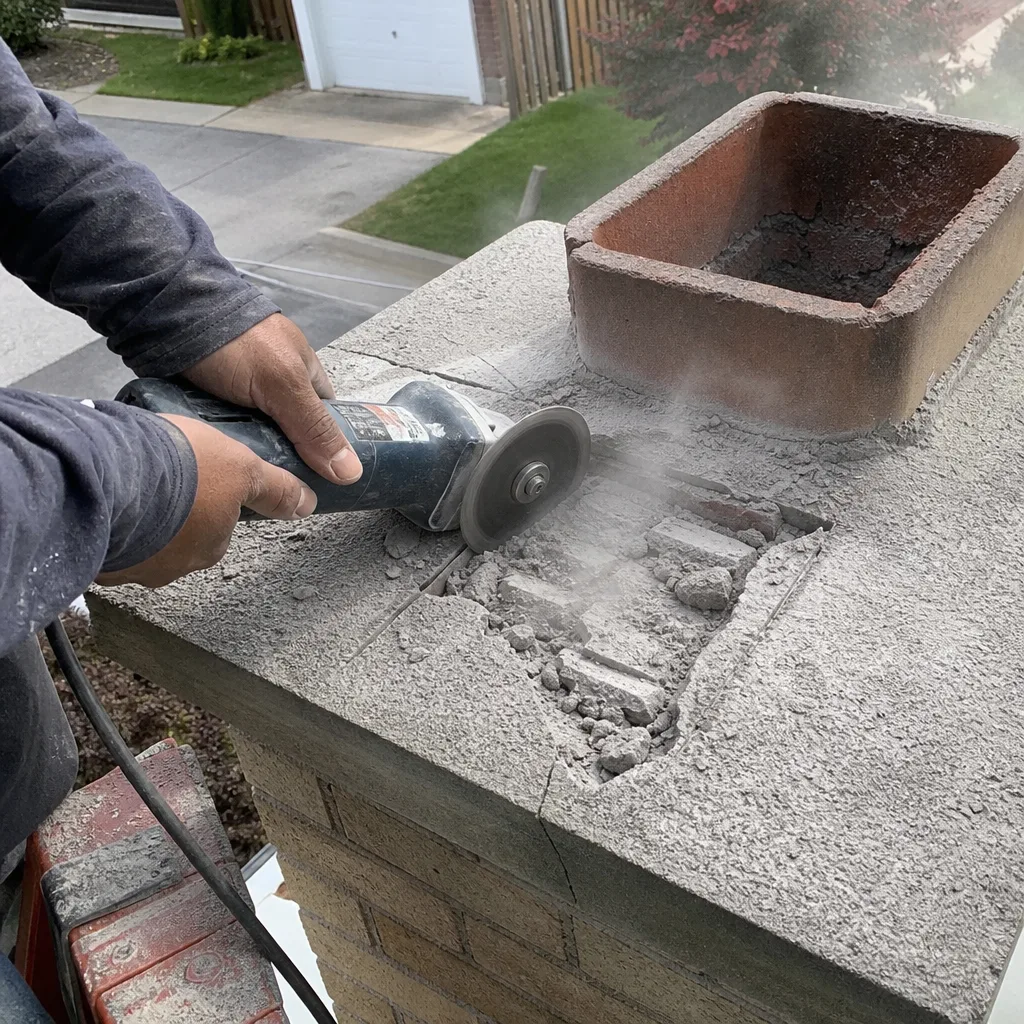
If your fireplace needs cleaning, your fires are sluggish, or you simply don’t have a written record of your last cleaning, call us at (240) 290-6726. A live person answers – not a voicemail, not a form. We’ll get a technician scheduled, run the camera, and give you a written price based on what we actually find. No guesswork, no surprises on the invoice.
Written by Corrine Halstead, Owner at Level Two Chimney Alexandria, serving Alexandria.