
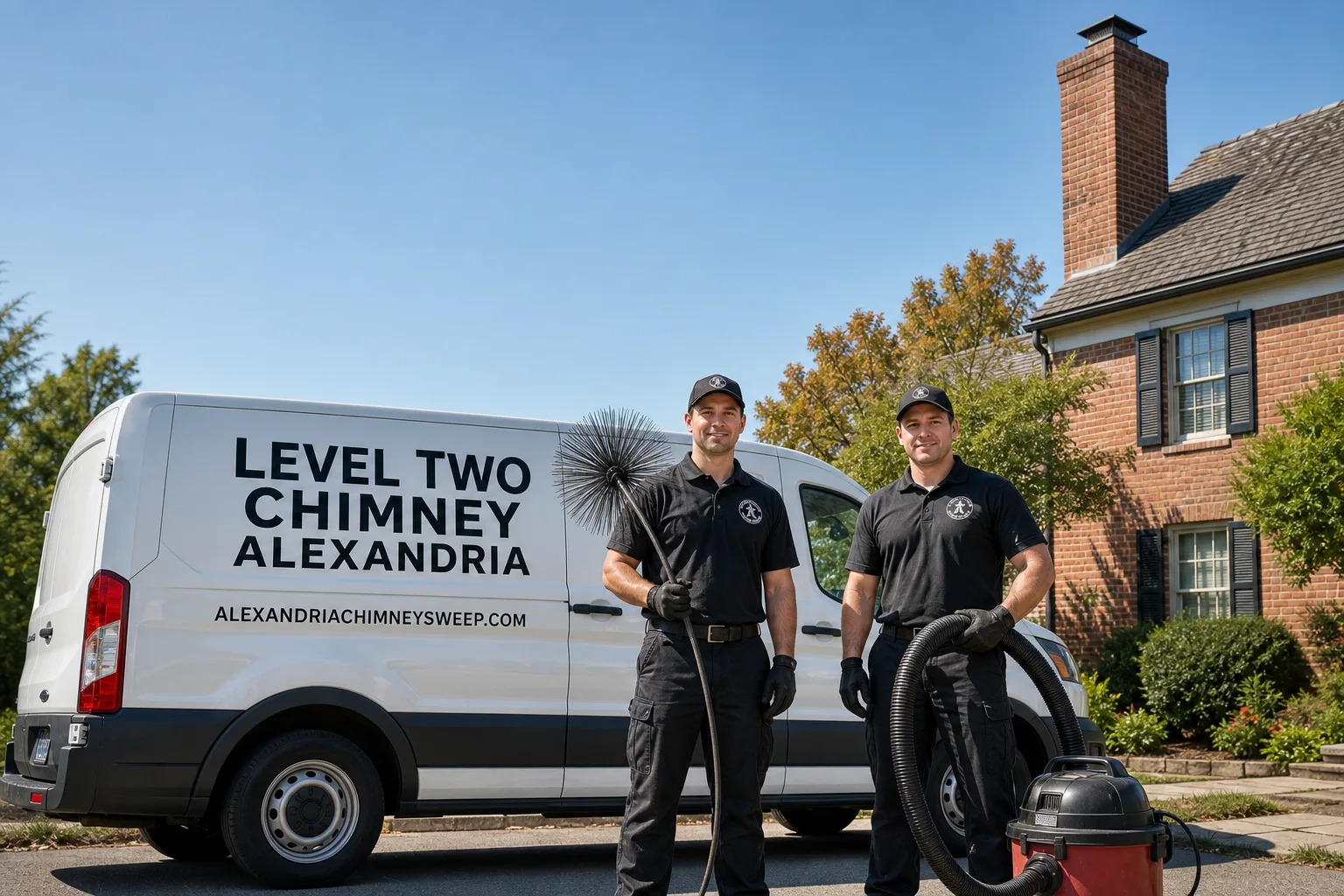
Level 1 sweep and inspection to the NFPA 211 annual standard - flue, crown, cap, and flashing checked and photographed
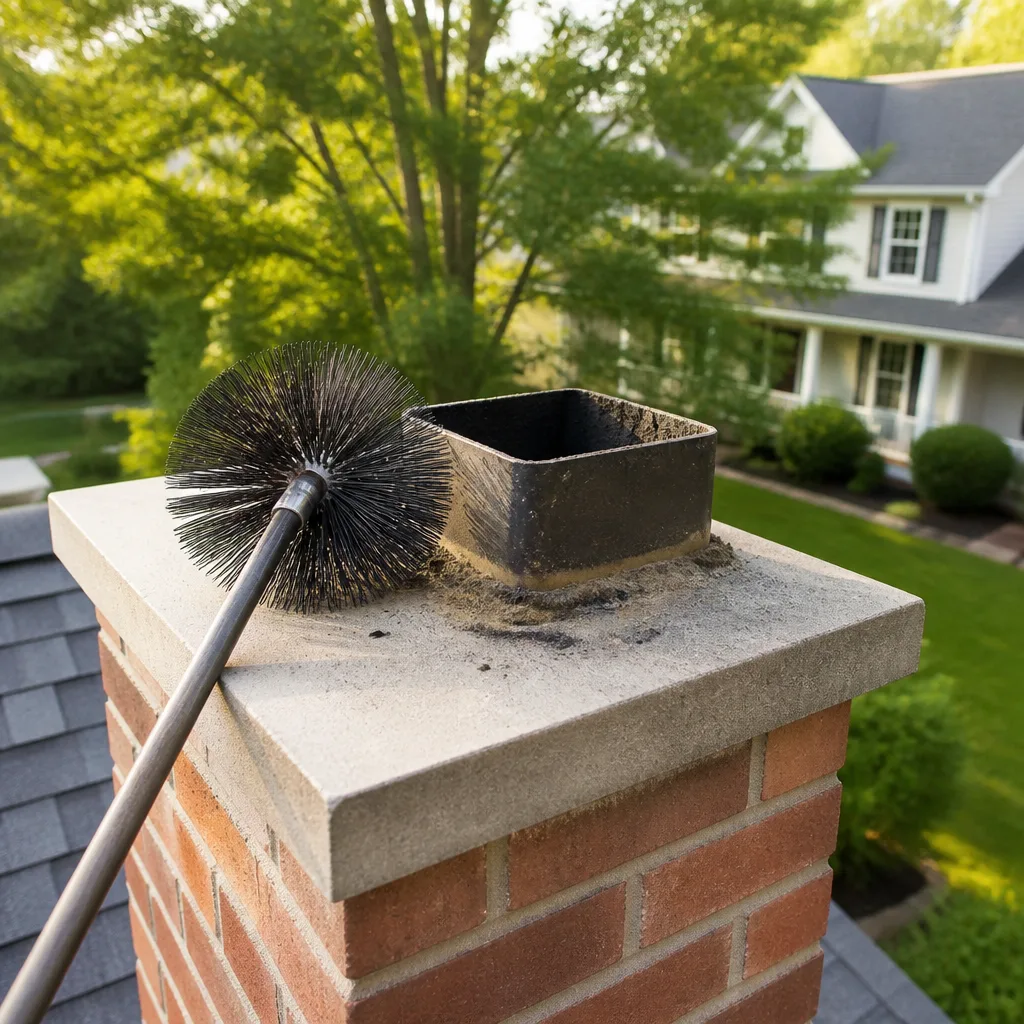
Chimney sweep logs do not sweep chimneys. They loosen some creosote - which then falls where a brush and vacuum still have to collect it.
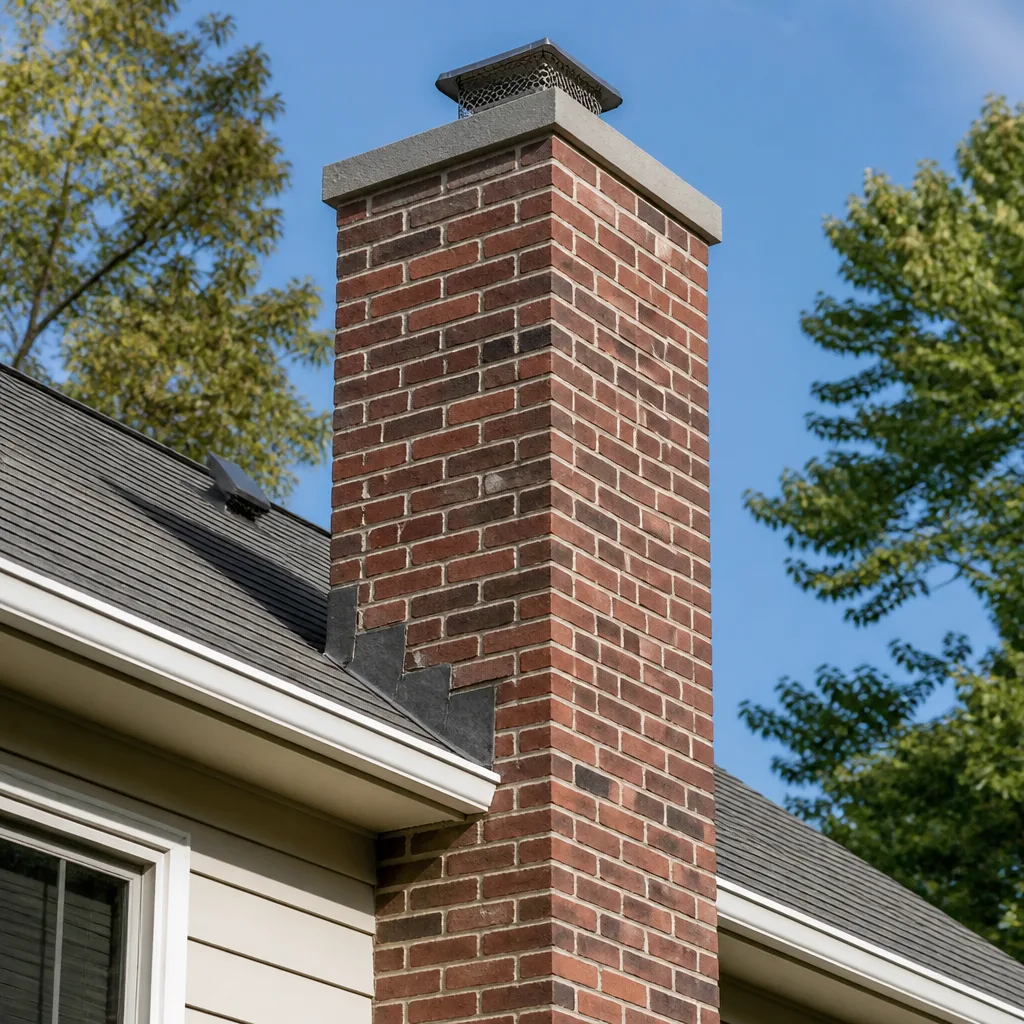
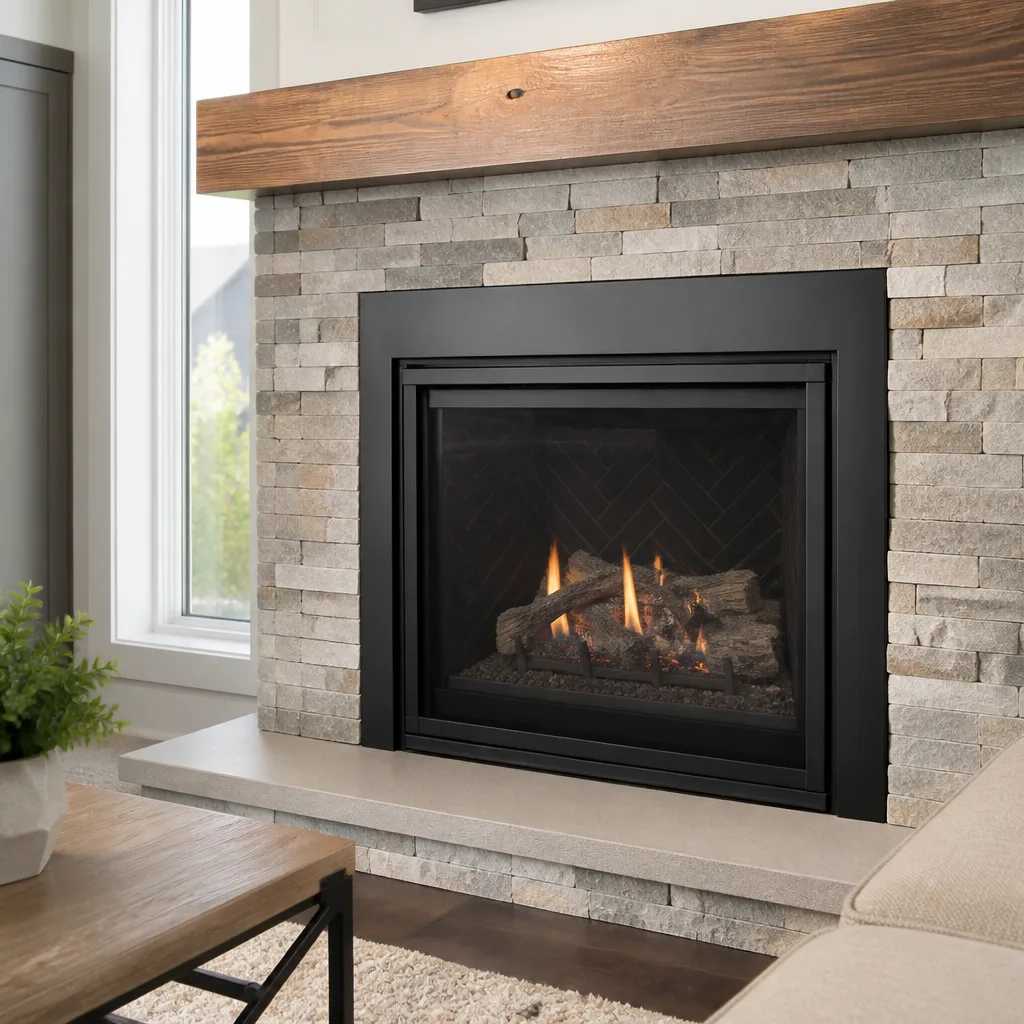
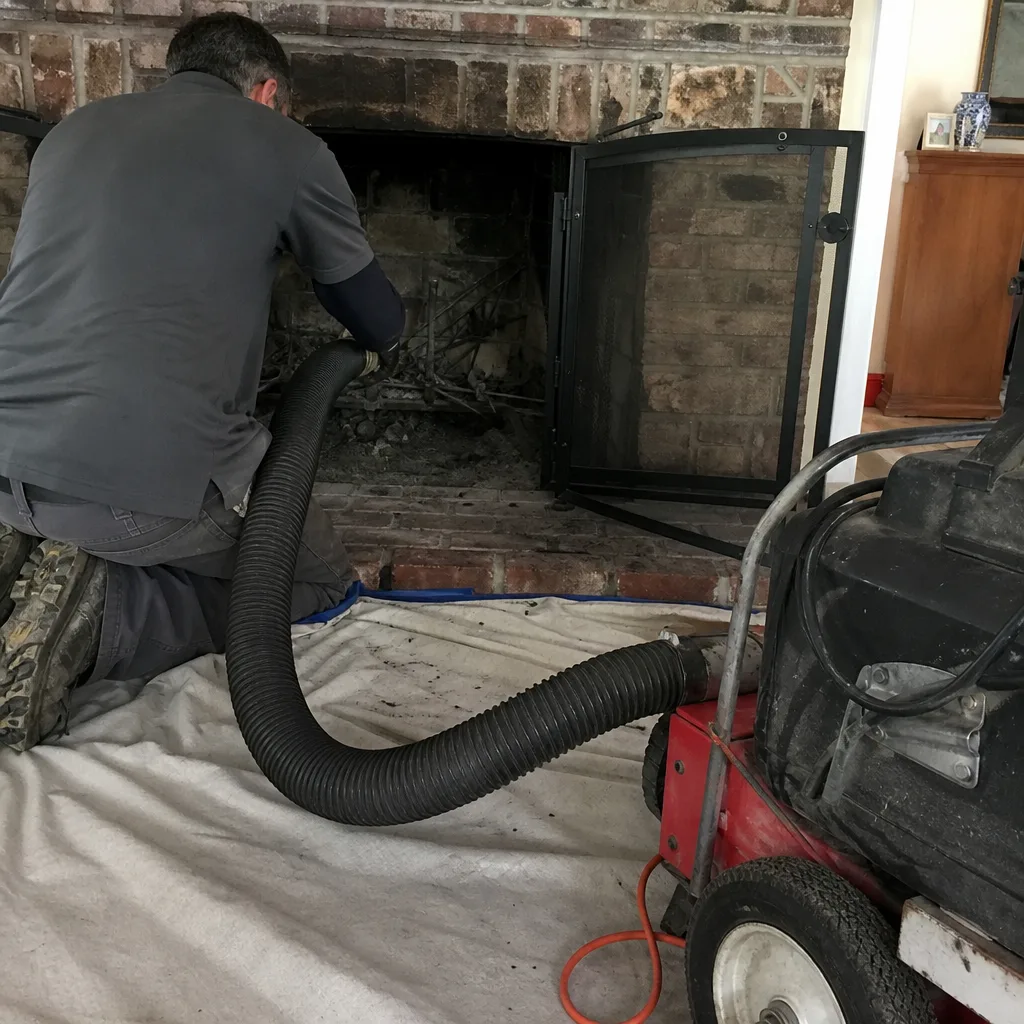 Before
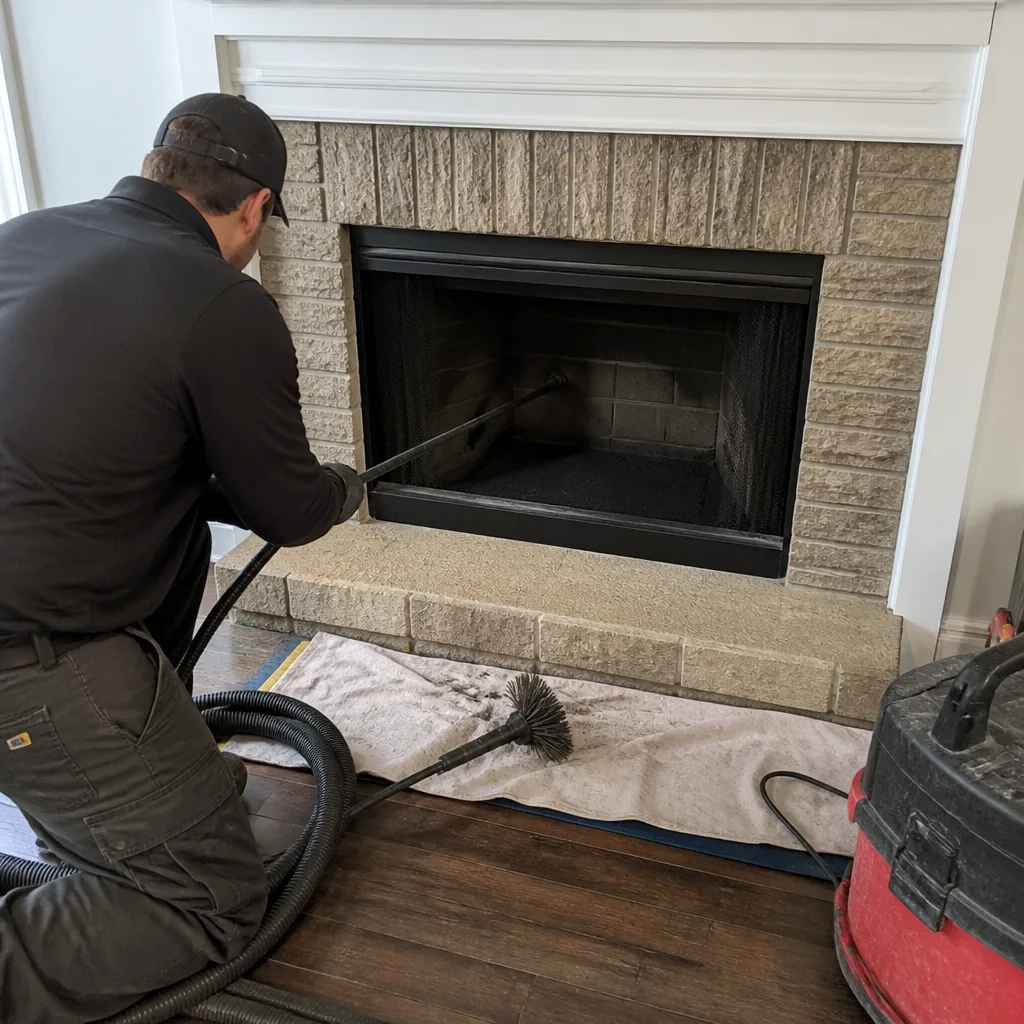 After
After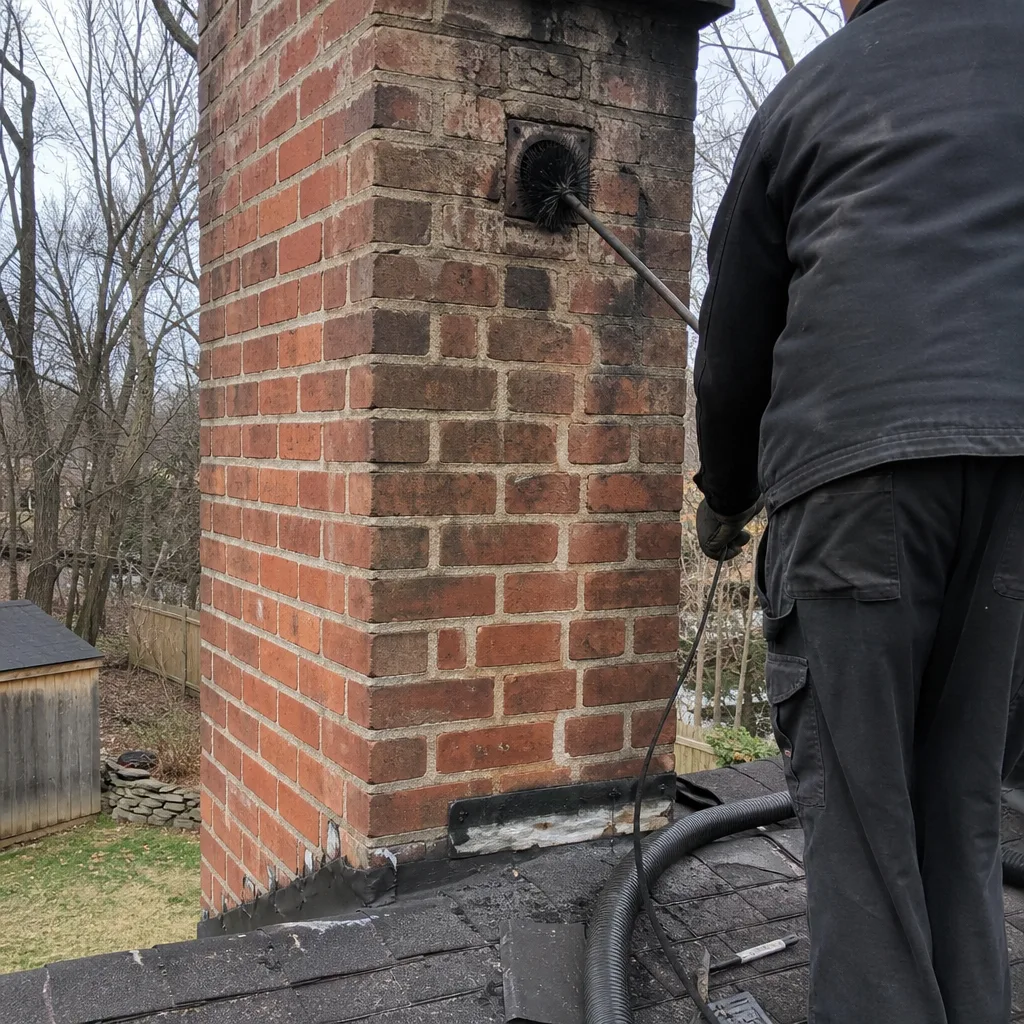 Before
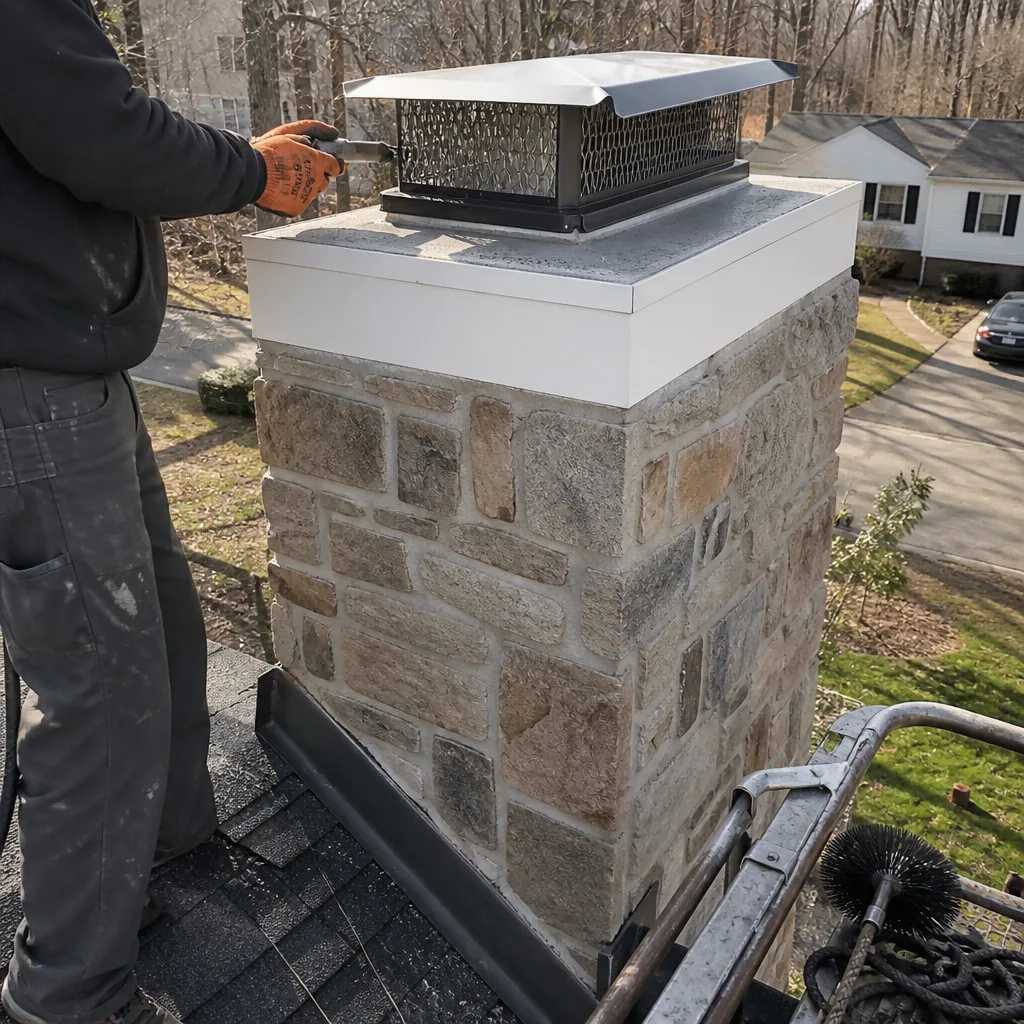 After
After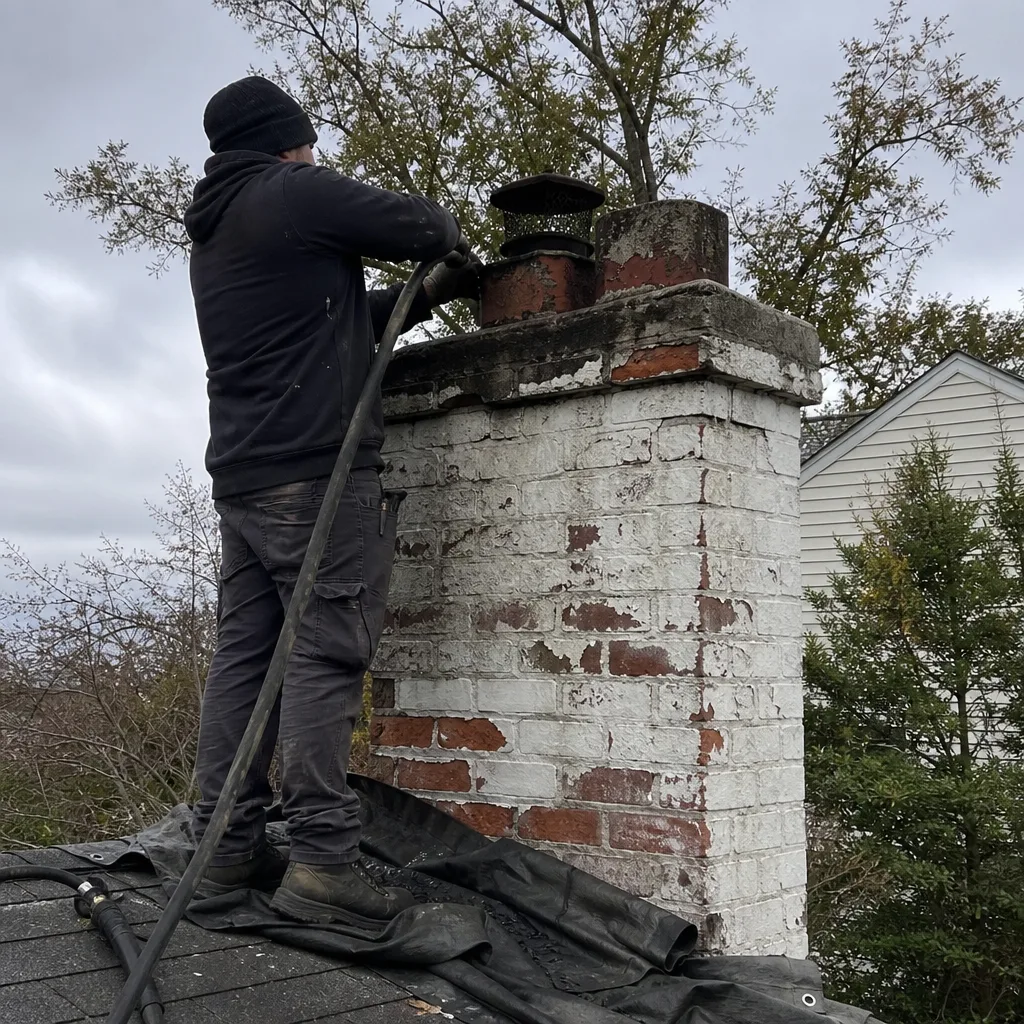 Before
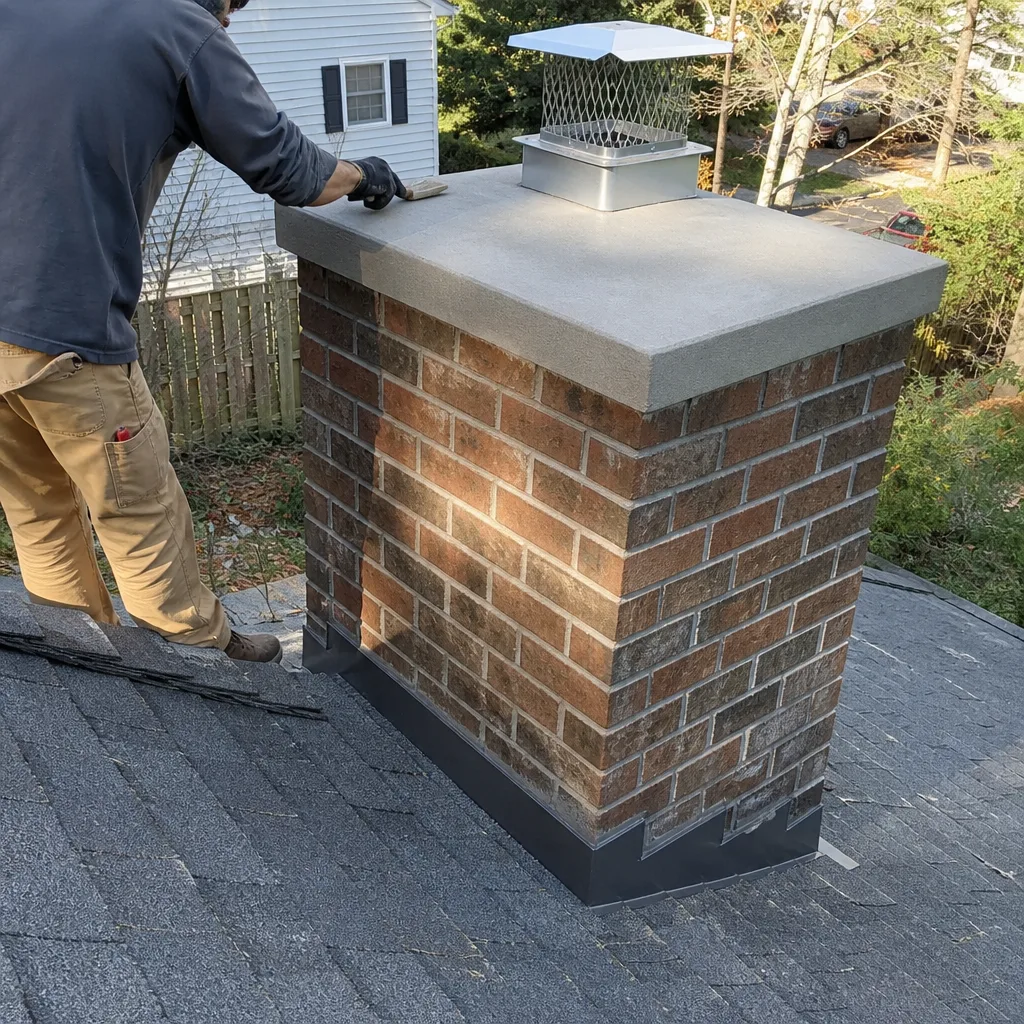 After
AfterFast, Reliable Chimney Cleaning & Sweep Across Washington
Chimney cleaning and sweeping in Washington, DC typically runs $189-$329 for a standard annual sweep with a Level 1 inspection, and $249-$449 when a camera-scope Level 2 inspection is included. Most jobs in the District’s row-house neighborhoods take 90 minutes to two and a half hours, depending on how many flues share the stack. We schedule Washington appointments by neighborhood block, and our technicians know Capitol Hill, Petworth, Bloomingdale, and Shaw well enough to park legally, recognize a party-wall flue, and tell the difference between an original 1890s terra-cotta liner and a 1980s retrofit. Call (240) 290-6726 for a written quote before anyone steps onto your roof.
Washington is not a typical suburban chimney market. The housing stock is older, denser, and structurally more complicated than nearly any other city on the East Coast. A single row-house chimney stack often carries three or four separate flues – fireplace, gas furnace, water heater, sometimes an old boiler – sharing brick wythe walls only a few inches thick. That changes what a chimney cleaning needs to be. A sweep that only brushes the fireplace flue and leaves is missing the actual risk. Our Chimney Cleaning & Sweep team scopes every flue in the stack, not just the one you called about.
Why Level Two Chimney Alexandria Is Washington’s Preferred Chimney Cleaning & Sweep Company
Washington homeowners tend to research before they call. They read the three-star reviews first. They want to know what it costs, what we’ll find, and what proof they’ll have afterward. That’s how we’ve always worked. Every job gets a written price, a written scope, and a written warranty before work starts – Clause 1 of the Haven Standard, which our company has operated under since 2009. No one gets a verbal estimate followed by a surprise invoice.
We’ve completed more than 38,000 chimney inspections and cleanings across the region, and the row houses of Washington are among the most technically demanding we see. The reviews from District customers consistently mention the same thing: we showed them photos of what was actually inside the flue, explained what needed attention now versus what could wait, and charged exactly what the written quote said. That’s the whole job.
Our Washington office coordinates dispatch and scheduling locally, so we can usually get a crew to Capitol Hill, Georgetown, or Chevy Chase within a few business days. Every technician is background-checked and uniformed, and you’ll get a text with the tech’s name and license number before they arrive. That’s Clause 3 of the Haven Standard – Verified crews, on schedule.
And every visit includes a documented photo record, per Clause 4. You’ll see the creosote, the crack, the spalled crown. You won’t have to take anyone’s word for anything.
Our Chimney Cleaning & Sweep Services in Washington
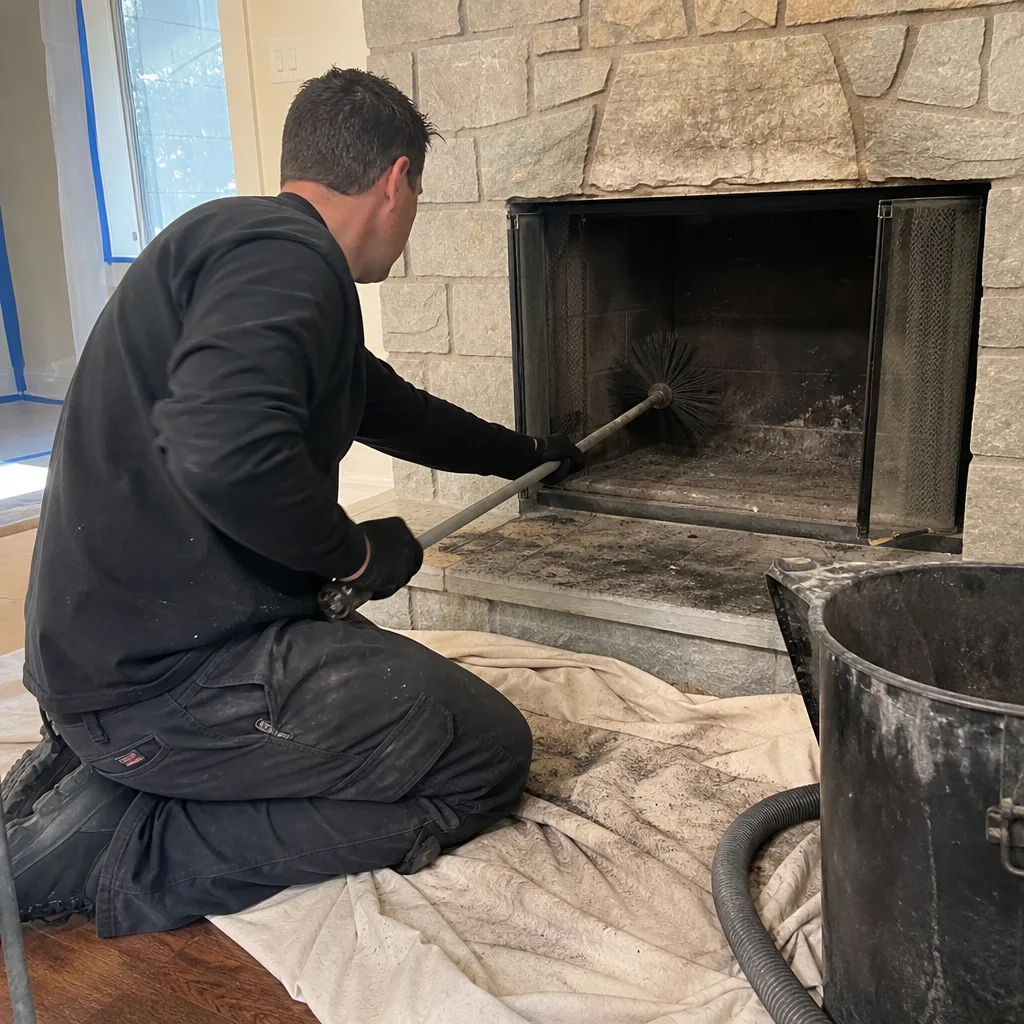
Level 1 Inspection
A Level 1 inspection is the standard check included with every routine sweep. We inspect the readily accessible portions of the fireplace, flue, and exterior chimney. For a Washington row house with an annual sweep, this covers the fireplace flue, damper, firebox, and the visible crown and cap from the roof. If you’ve burned consistently through the last season and nothing has changed, a Level 1 is usually the right scope.
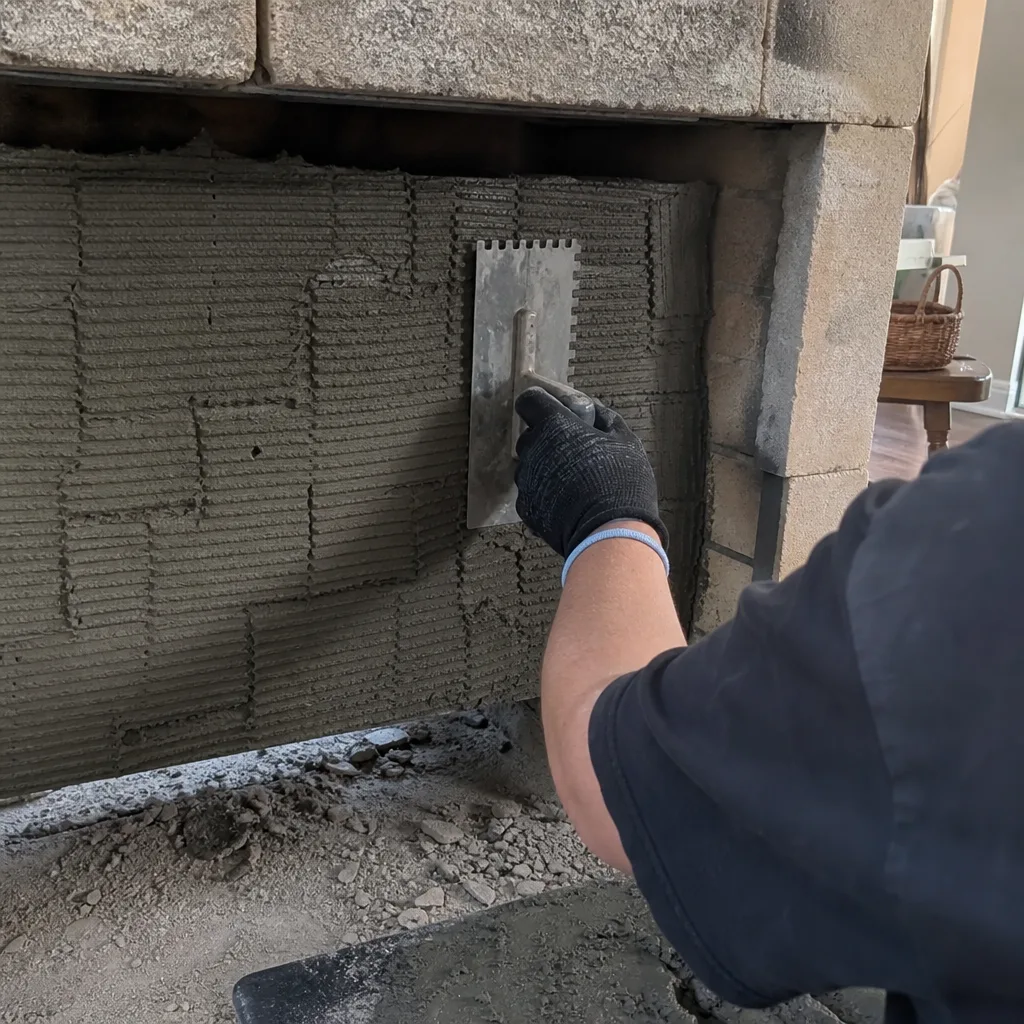
Level 2 Inspection
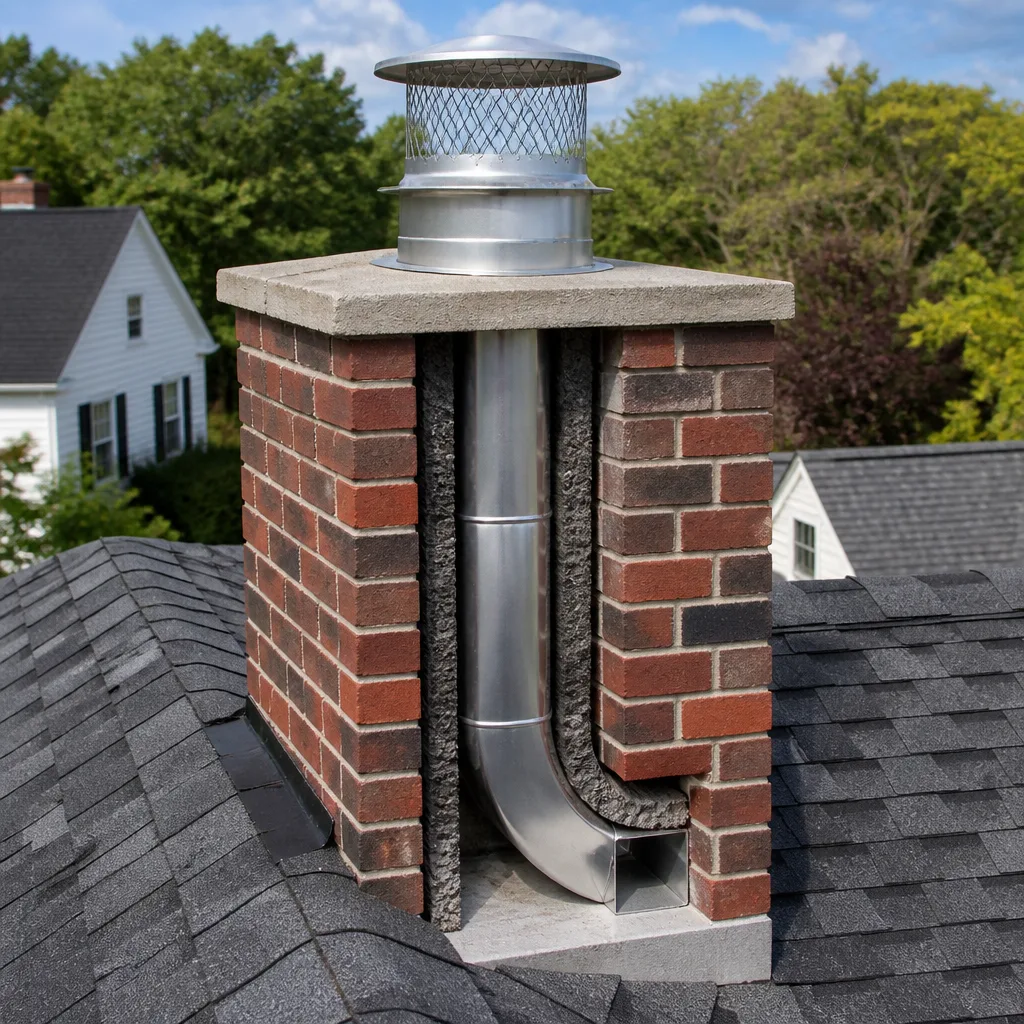
A Level 2 inspection adds a camera scan down every flue in the chimney stack. In Washington’s Victorian row houses, this is where the real problems surface. A fireplace flue might look fine, but the adjacent gas-furnace flue – sharing the same brick column – has a cracked terra-cotta liner feeding combustion gases sideways. That’s the failure mode we catch on Petworth and Bloomingdale calls all the time. Level 2 is also required by NFPA 211 when you buy or sell a home, and it’s our default recommendation on any Washington home built before 1940.
Creosote Removal
Creosote is the byproduct of wood combustion that condenses on the flue wall. In Washington’s mild-but-real winters, people burn often enough to build up creosote but not consistently enough to burn it off – and the District’s humid air accelerates the glazing process. Stage 2 creosote is a hard, shiny, tar-like coating that brushes struggle to remove. Stage 3 is harder still and requires mechanical removal with rotary loops or chemical treatment. We’ll tell you which stage you have, show you the photos, and remove what’s there. No vague “you had some buildup” language.
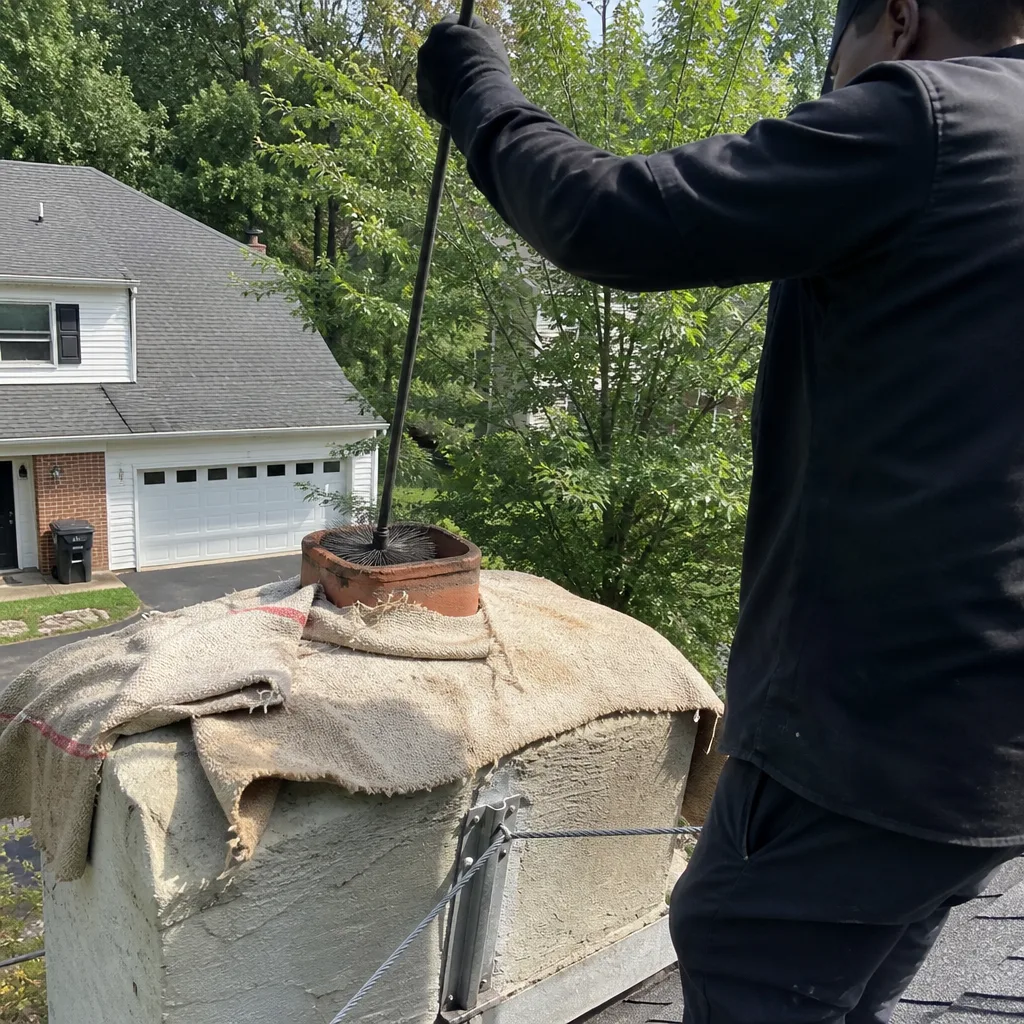
Soot Removal
Soot is the dry, powdery residue from incompletely burned fuel. It’s less dangerous than creosote, but it accumulates quickly in Washington’s converted gas flues, where old coal-era chimneys now vent natural gas appliances. That soot can restrict the flue, increase back-drafting, and hide what’s underneath it – including rust, cracks, and failing mortar. Soot removal is part of every sweep, and it’s a job we do with HEPA-filter vacuums so nothing ends up on your mantel or inside your house.
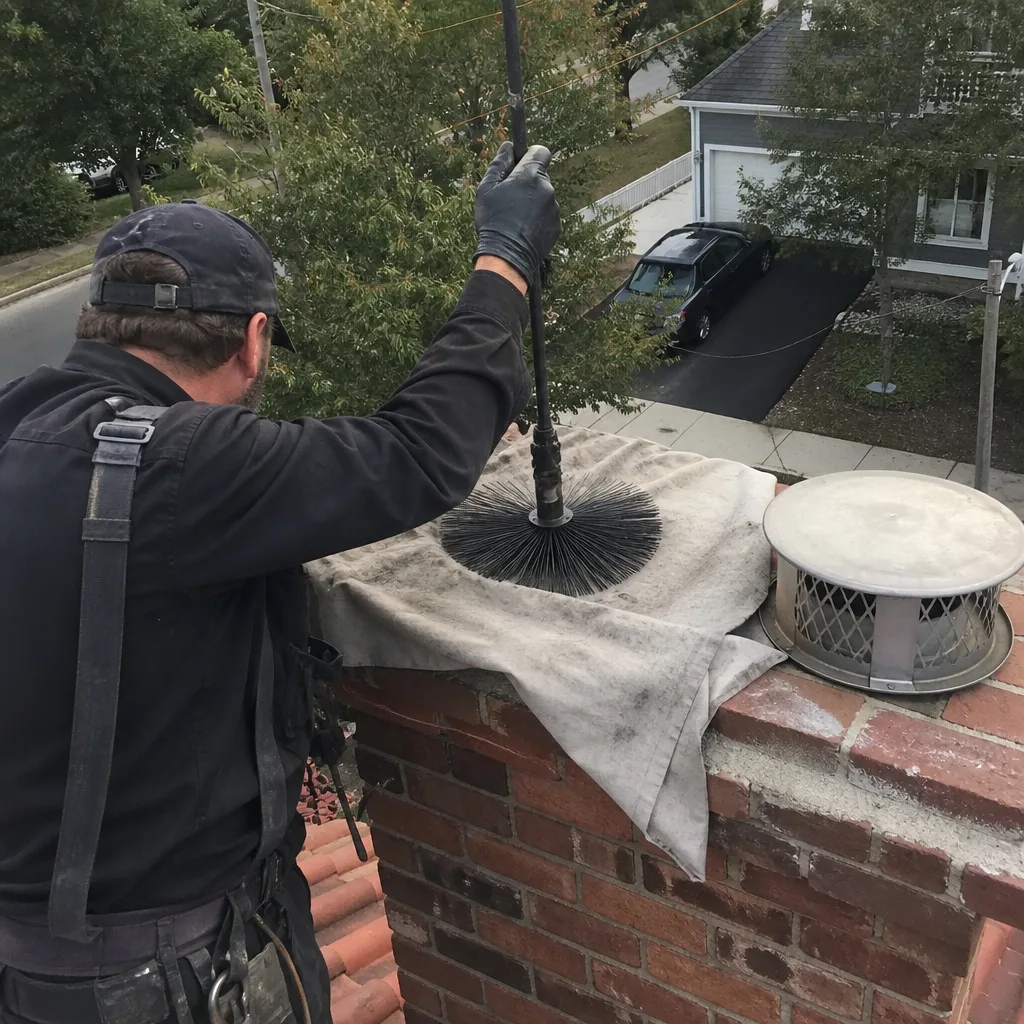
What happens when you call
- 1
A real person answersNo phone trees - you reach a local pro.
- 2
You get an upfront price rangeHonest numbers before anyone is dispatched.
- 3
A background-checked tech heads outLicensed & insured, dispatched right away.
- 4
You approve before work beginsNothing starts until you say go.
BeforeAfterTrusted Brands We Service in Washington
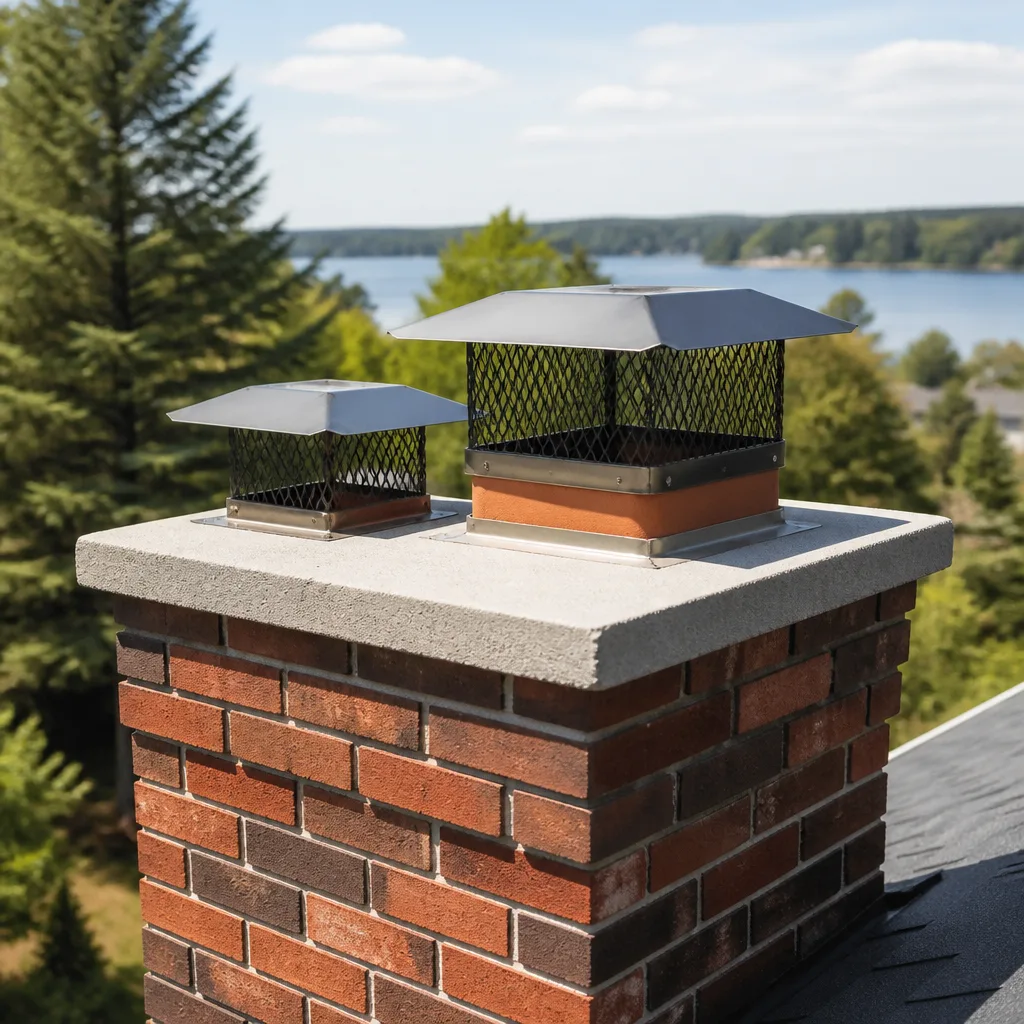
For Washington homes that need real repairs, we source materials from manufacturers we trust: Gelco for caps and rain protection, Olympia Chimney for waterproofing and repair products, and Copperfield for chimney components. Learn more about our Fireplace Services in Washington. We stock common Washington sizes locally, which means a cracked crown or rusted damper on a Capitol Hill row house doesn’t wait two weeks on a shipping dock. These are the same materials we’d install in our own homes, and every one comes with its own manufacturer warranty in addition to our written workmanship warranty.
Common Chimney Cleaning & Sweep Problems We See in Washington Homes
- Cross-flue back-drafting in shared row-house stacks. When three or four flues share one brick column with thin wythe walls between them, a crack in one flue lets combustion gases draft into an adjacent flue. You can’t see it from the street, and a standard sweep won’t find it. A camera scope will.
- Spalled crowns from Potomac basin humidity. Washington’s cold, wet winters subject aging mortar and brick to serious freeze-thaw cycling. The humidity of the Potomac basin keeps masonry damp going into freezing temperatures, and crowns crack early – often years before a homeowner notices. The first sign is usually a rusted damper or water stains on the ceiling below.
- Glazed Stage 2 and Stage 3 creosote from intermittent burning. Washingtonians burn enough to create creosote, but the mild shoulder seasons mean many fires are low and slow – exactly the conditions that produce glazed, difficult-to-remove creosote. Skipping a couple of years of sweeps lets it build to a dangerous level without anyone knowing.
- Historic Georgetown flues that can’t take standard repairs. Federal-period homes in Georgetown, some predating 1820, often have rubble masonry chimneys with no terra-cotta liner at all. The Historic Preservation Review Board restricts what caps and liners can be installed without review, so many homeowners defer needed work until the problem becomes unavoidable – and more expensive.
Pricing for Chimney Cleaning & Sweep in Washington, DC
A standard annual sweep with Level 1 inspection in Washington runs $189-$329, depending on the number of flues in the stack and accessibility from the roof. A Level 2 camera-scope inspection and sweep runs $249-$449. Creosote removal beyond routine brushing – Stage 2 or Stage 3 glazed creosote – typically adds $75-$200 depending on severity and the number of flues involved. If we find a cracked liner, a spalled crown, or failing flashing, we’ll show you the camera footage and give you a written repair price on the spot. No pressure, no “while we’re here” surprises. Estimates are free, and every quote is in writing before work starts. Call (240) 290-6726 for an exact number.
We Also Serve Cities Near Washington
Our crews work throughout the District and the surrounding metro, including Arlington, Alexandria, Bethesda, Silver Spring, and Chevy Chase. If you’re in one of those areas, the same written-price policy, camera-scope documentation, and 365-Day Done Right Promise apply. This page covers Chimney Cleaning & Sweep in Washington specifically, but the standards are identical everywhere we work.
Serving Washington, DC - Our Local Coverage Area
We’re based in the Washington area and know this community well. Use the map below to see our service coverage - if you’re nearby, we can almost certainly help.
FAQs - Chimney Cleaning & Sweep in Washington
Because most Washington row houses have three or four flues sharing a single brick column, and the walls between them are thin enough that a crack in one flue routinely back-drafts combustion gases into an adjacent flue. A standard sweep only brushes the fireplace flue you called about. It never sees the gas-furnace flue next to it. Without an individual camera scope on every flue, you can have a carbon monoxide problem in your house and a perfectly clean fireplace flue at the same time. For a full assessment of your stack, call (240) 290-6726.
Washington’s freeze-thaw cycle is worse than in inland Mid-Atlantic cities because Potomac basin humidity keeps brick and mortar damp going into freezing temperatures. When water in the masonry freezes, it expands and fractures the material from the inside. That’s why crowns on Washington row houses spall and crack years earlier than identical construction in, say, Frederick or Leesburg. The damage usually shows up first as a rusted damper or water stains – which means moisture has already penetrated into the flues.
No, and here’s the Washington-specific reason: the low, slow fires that are common here create more glazed creosote per fire than hot, efficient burns. A few weekend fires in a damp, mild winter can leave Stage 2 creosote on the flue wall. And in a row house, skips compound. One missed year isn’t usually dangerous, but three missed years in a shared stack with marginal liners is exactly the profile we see on emergency calls. If you’re not sure, the camera photo will settle it. Estimates and inspection photos are free with any scheduled sweep – call (240) 290-6726.
In most cases, no. Georgetown’s older homes – especially the Federal-period buildings predating 1820 with rubble masonry chimneys – fall under Historic Preservation Review Board oversight, and exterior changes to the chimney, including caps and sometimes liners, require review before installation. The practical effect is that homeowners defer repairs, then face a much larger remediation when glazed creosote or spalled brick forces the issue. We can tell you quickly whether your specific chimney is subject to HPRB review and help you prepare the application if it is.
The most common first sign is a persistent stale or slightly acrid smell near the fireplace or furnace, often worse on windy days, along with windows that fog or a CO detector that reads low levels unpredictably. In Washington row houses specifically, the back-draft often comes not from the furnace flue itself but from a crack in the shared brick wythe between the furnace flue and an adjacent flue. The gas is moving sideways through the masonry, not directly out of the pipe. A camera scope on every flue will find it. Call (240) 290-6726 and ask for a Level 2 inspection – the price is written and in your hands before anything else happens.
Written by Corrine Halstead, Owner at Level Two Chimney Alexandria, serving Washington, DC.