
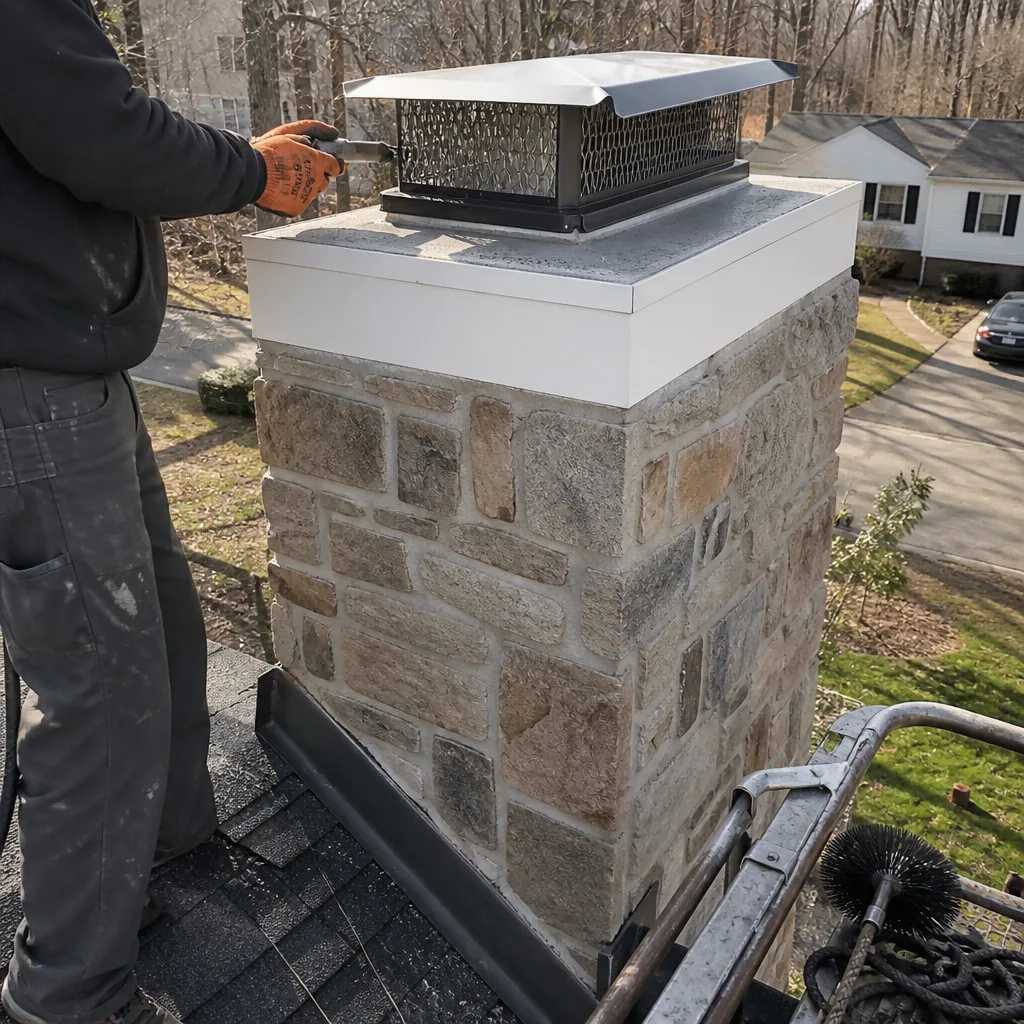
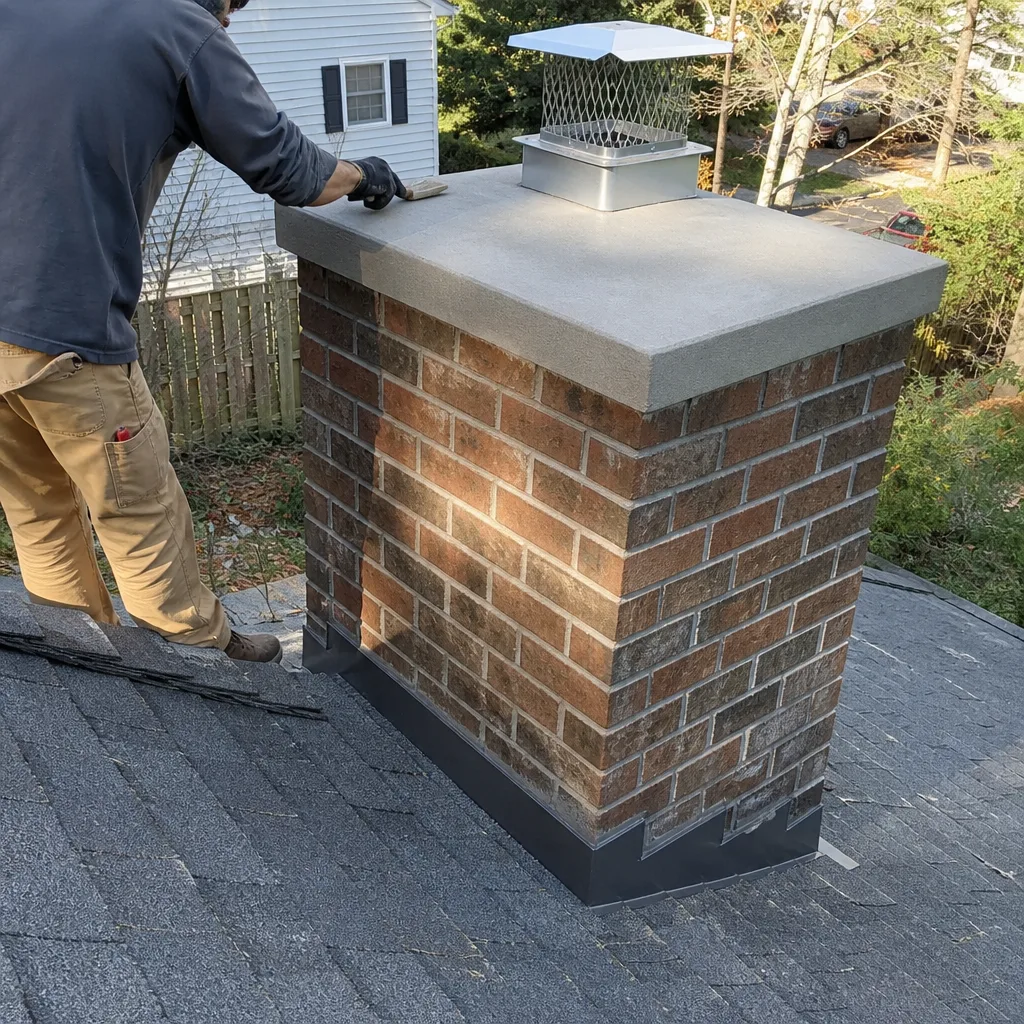
Level 1 sweep and inspection to the NFPA 211 annual standard - flue, crown, cap, and flashing checked and photographed
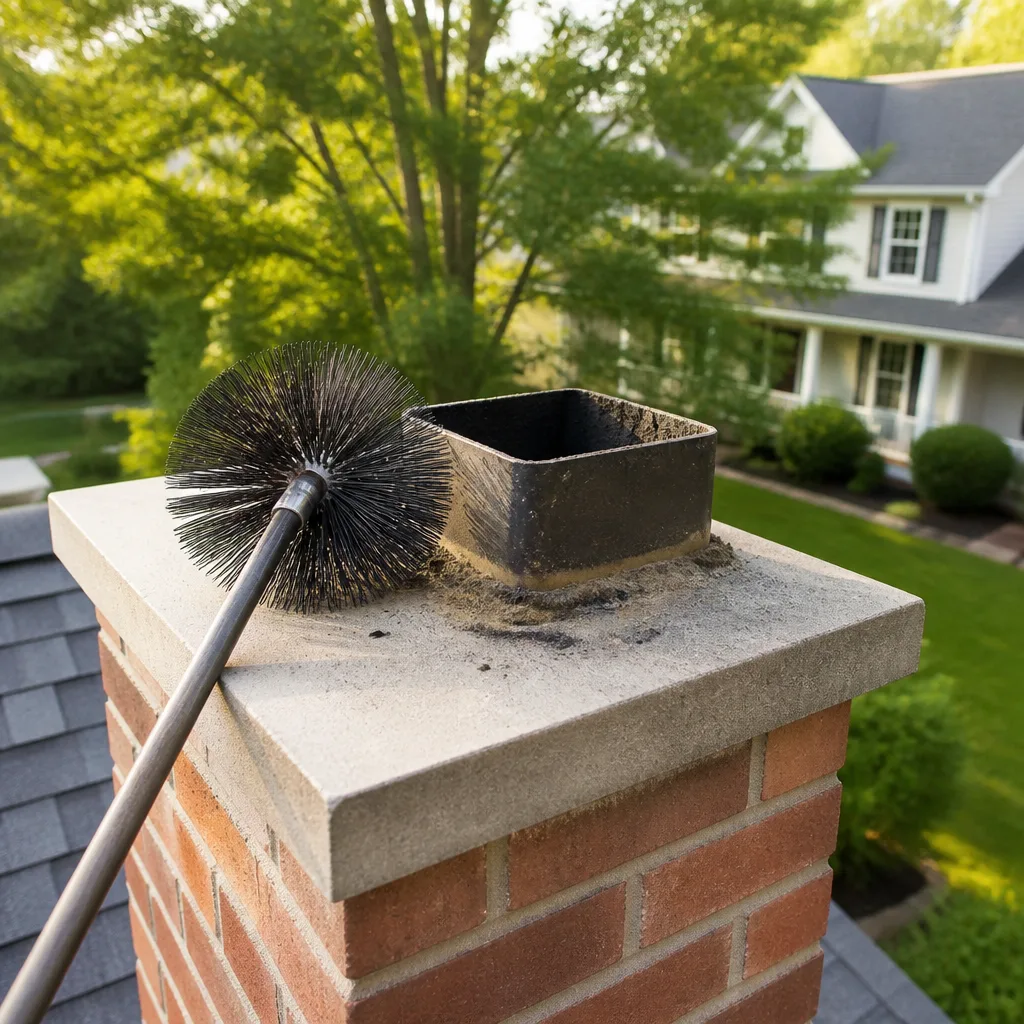
Chimney sweep logs do not sweep chimneys. They loosen some creosote - which then falls where a brush and vacuum still have to collect it.
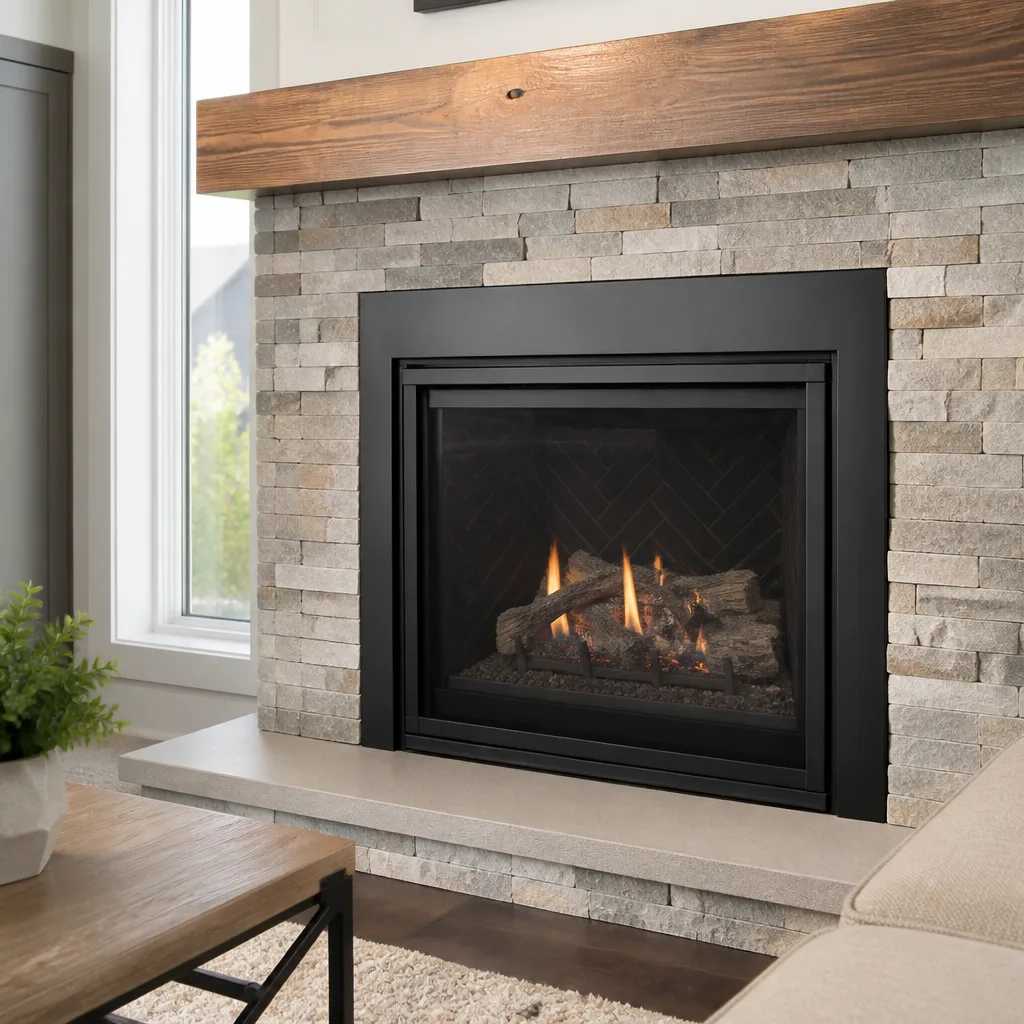
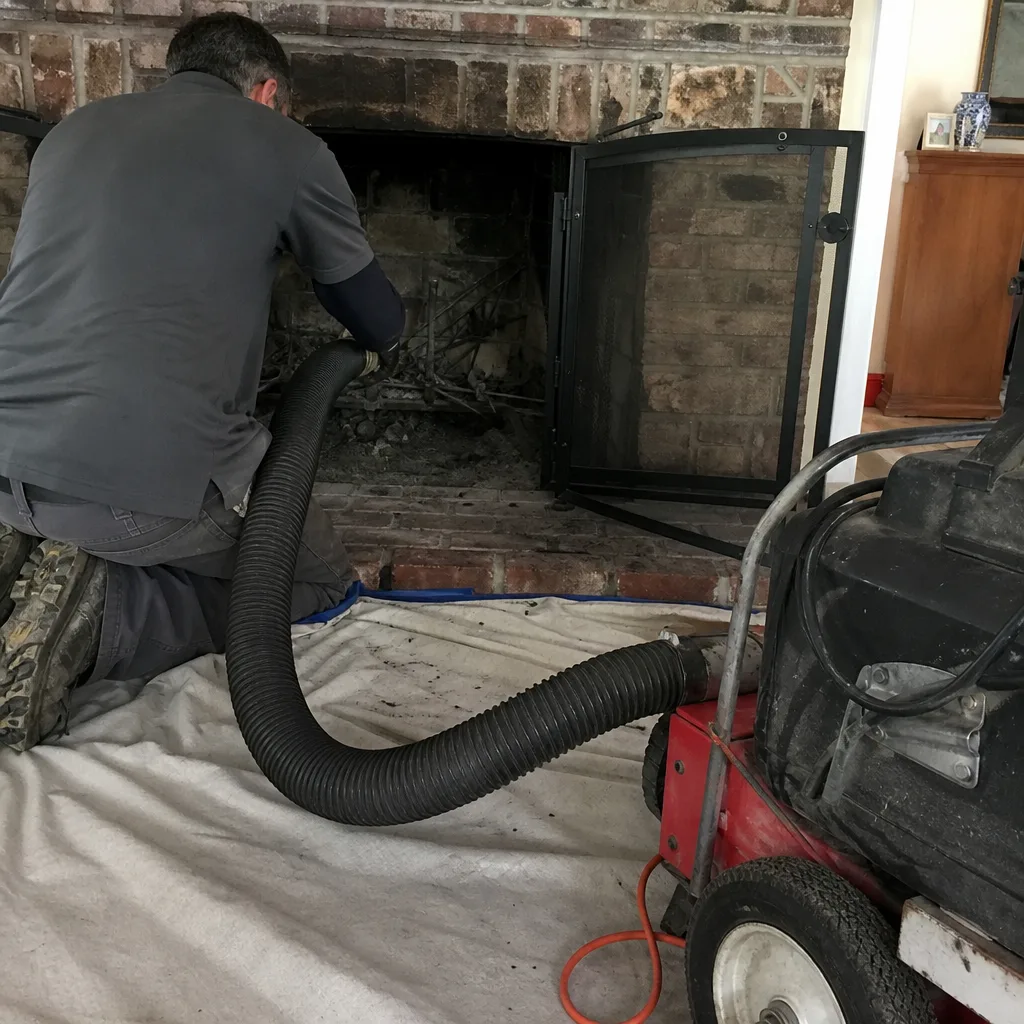 Before
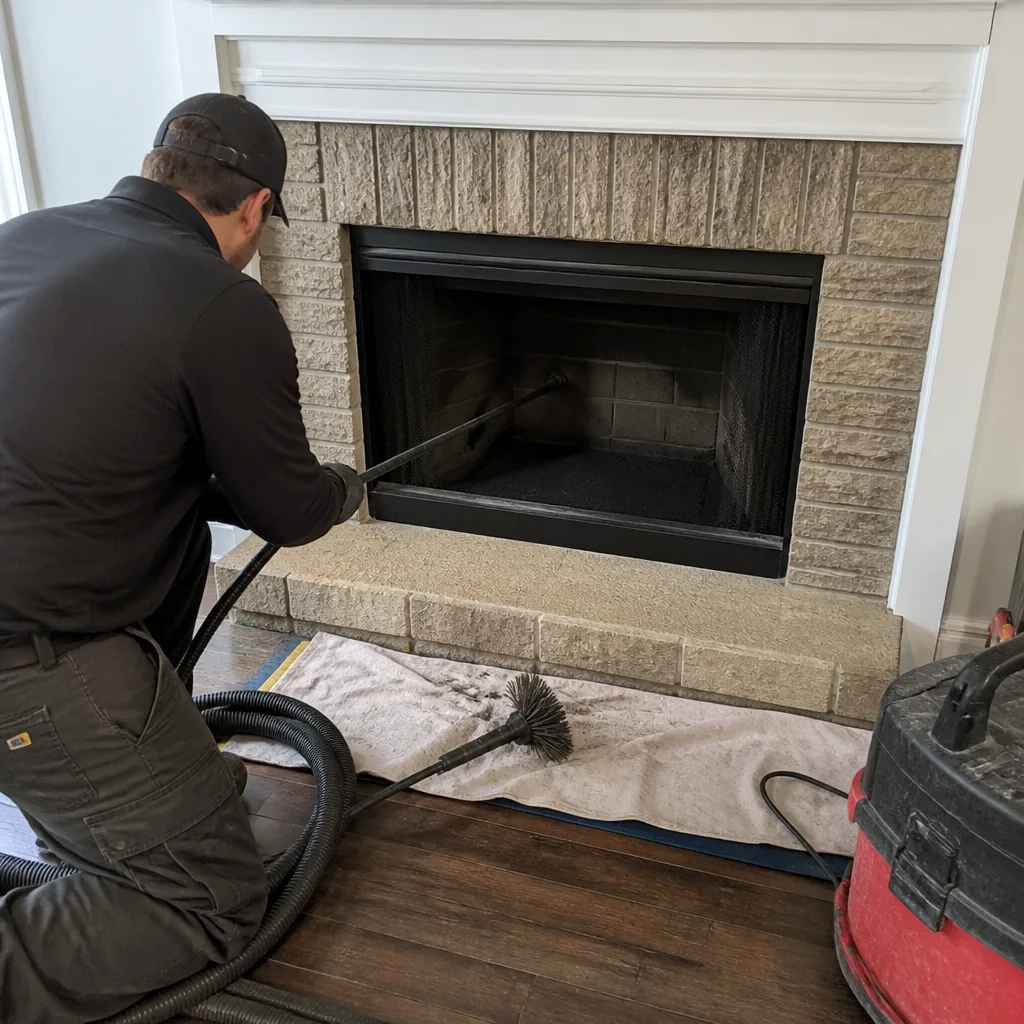 After
After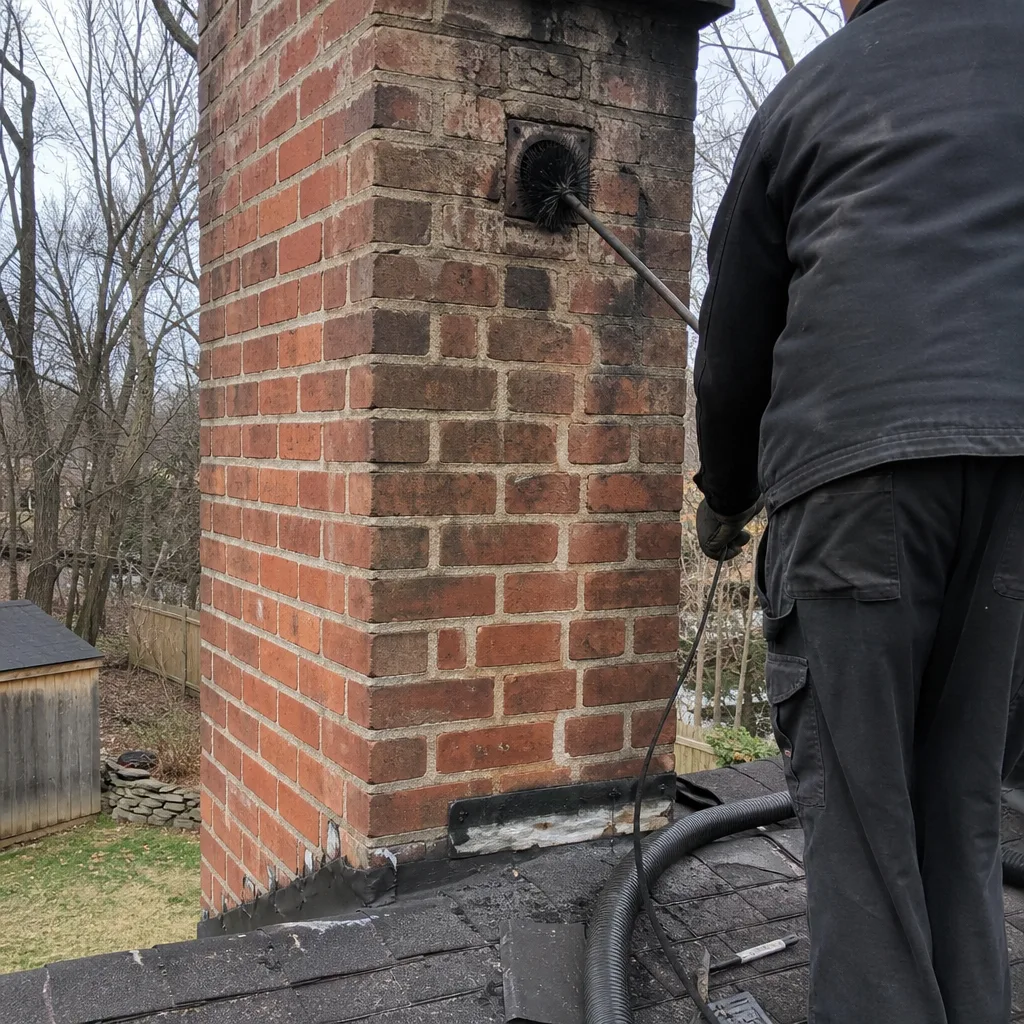 Before
 After
After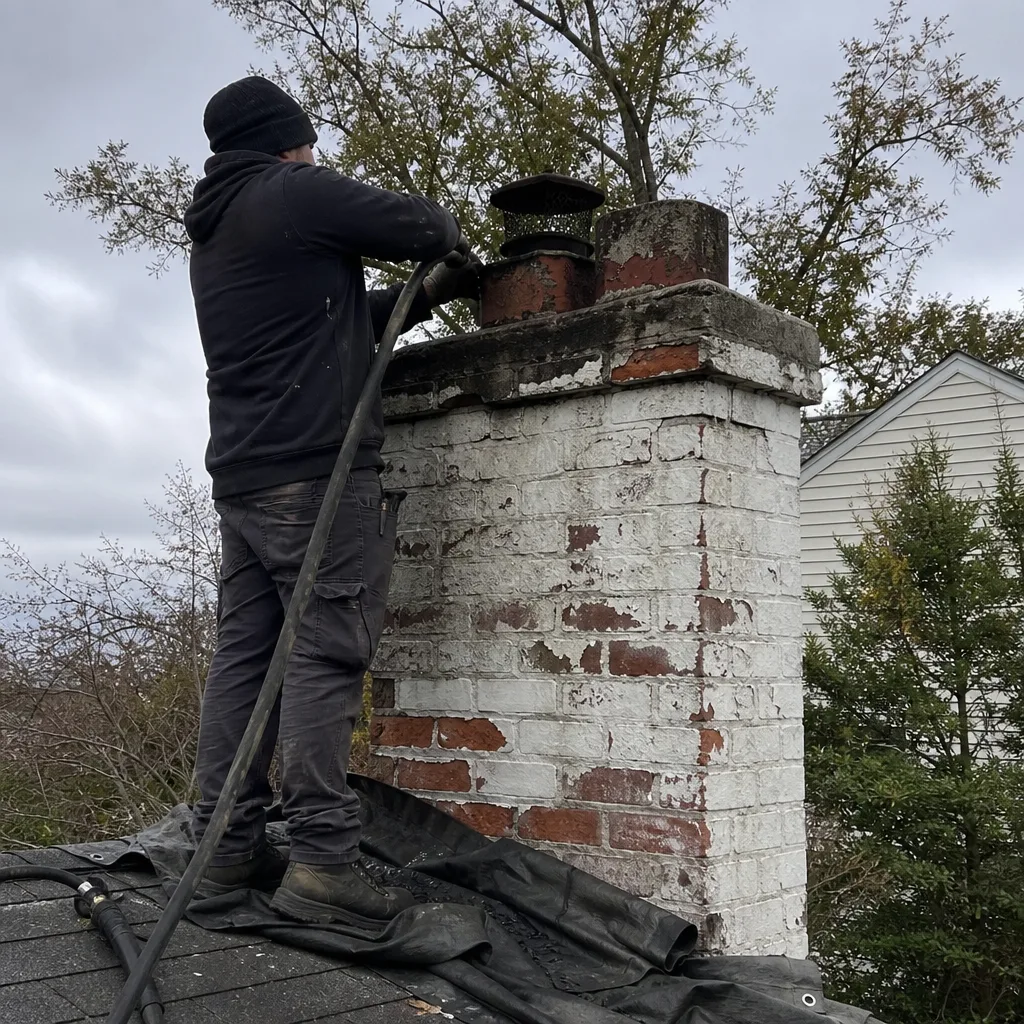 Before
 After
AfterOlympia Chimney Flue Liner Replacement: The Alexandria Owner’s Guide
We stock and install Olympia Chimney-compatible flue liner replacements in Alexandria, VA, with typical installed prices running $2,400 to $4,800 depending on liner diameter, length, and whether your existing liner needs full extraction or can be removed in sections. Most Olympia liner replacement jobs are completed in one day, and every job gets a written price before we start, plus a camera-scan photo record when we’re done. The way most Alexandria homeowners find out their Olympia liner has failed isn’t dramatic: it’s a flake of metal on the damper shelf, a rust stain on the firebox floor, or a sweep from another company saying “you need a liner” without showing them any photos of it.
Before anyone touches your flue, we put a camera down it and you watch the footage. The camera doesn’t have an opinion. It just shows you what’s there. If the liner is cracked, warped, or rusted through, you’ll see it on the screen with your own eyes, and then we’ll write up the scope and the price. If the liner is fine, we’ll tell you that too and you owe us nothing beyond the inspection fee.
Key Takeaways
- Olympia flue liners are typically 316L or 304 stainless steel in rigid or flex form, ranging from 4-inch to 8-inch diameter, and they fail most often at seams, joints, and the first 3 feet above the appliance.
- Installed replacement in Alexandria averages $2,400-$4,800, with the range driven by liner diameter, flue height, access (roof pitch, chase configuration), and whether the old liner is cemented in place.
- We’re an independent service provider, not affiliated with Olympia Chimney. We stock genuine Olympia components and equivalent-grade DuraFlex, HeatShield, and Gelco liners, and we’ll tell you which one makes sense for your setup and why.
- Every job includes a written price, written scope, written warranty, and a documented photo record before and after, per Haven Standard Clauses 1 and 4.
Which Olympia Chimney Models This Applies To
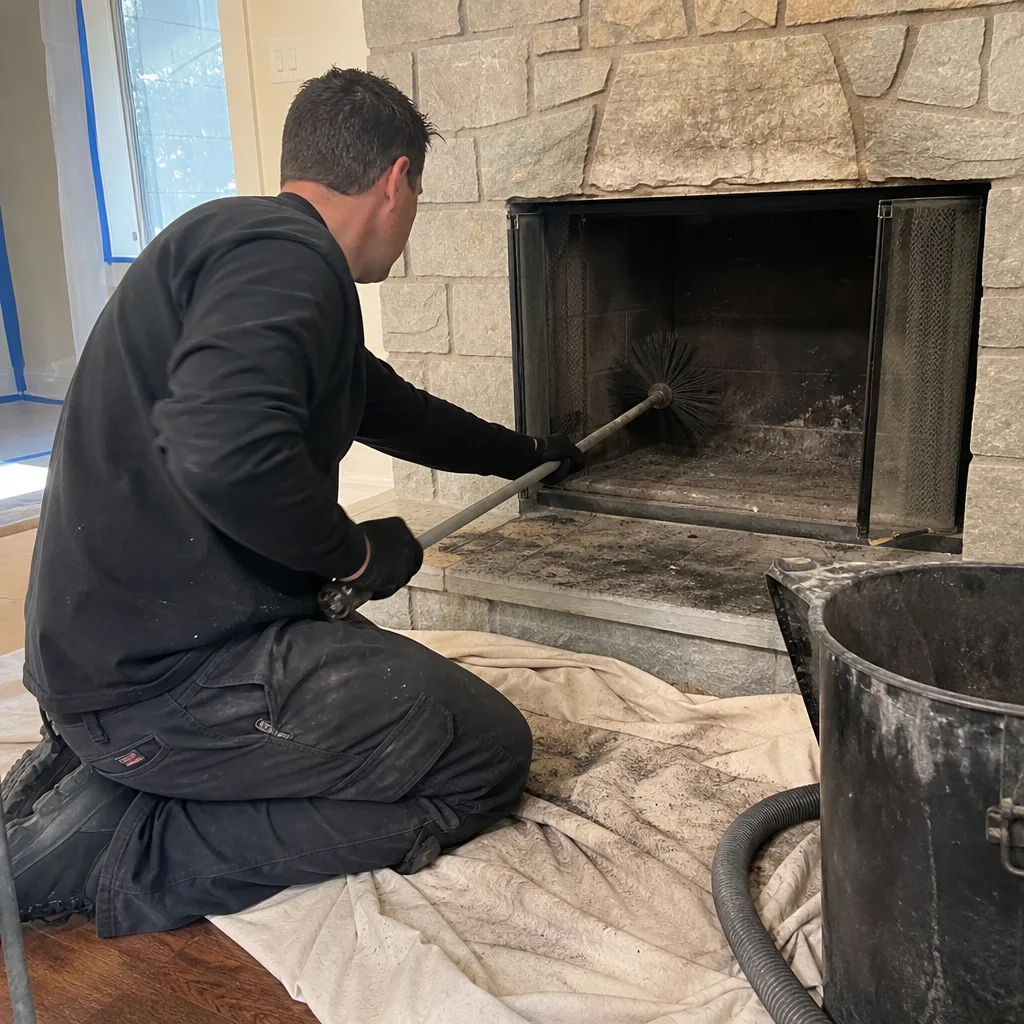
The Olympia flue liner line covers a broad range of hearth appliances: wood stoves, inserts, factory-built fireplaces, and furnaces venting through masonry chimneys. The most common Alexandrian setups we see are Olympia liners installed for wood stove inserts in the colonial-era chimneys off King Street, Seminary Road, and Del Ray, and in newer gas direct-vent and wood-burning fireplaces in the 2010-era builds near Potomac Yard and Eisenhower Avenue.
There are three things you need to match an Olympia liner correctly, and getting any of them wrong means the liner either won’t fit or won’t draft safely:
- Diameter: Olympia liners run 4″, 5″, 5.5″, 6″, 7″, and 8″ for most residential applications. Your insert or appliance manual specifies the exact diameter required. We regularly run into Alexandria homes where a previous installer sized a 6″ liner into a 5.5″ appliance collar because 6″ was what they had on the truck. It drafts poorly and leaks combustion gases at the adapter.
- Rigid vs. flex: Rigid Olympia liner sections are smooth-walled inside and hold a better draft, but they only work in chimneys with straight, unobstructed runs. Flex liner is what 80 percent of Alexandria installs use, because the old brick flues here rarely run true after a century of settling. Flex is easier to snake around offsets, but it’s more prone to creosote buildup at the corrugations, and Cheap flex liner kinks.
- Alloy grade: Olympia’s flex liner is 316L or 304 stainless depending on the series. 316L is the correct call for a wood-burning appliance because it resists the acids created when creosote and condensation mix. 304 is fine for gas. If the liner you’re replacing is 304 and it’s been in a wood-burning service for years, the corrosion you’re seeing is the expected result of the wrong alloy, and we’ll specify 316L on the replacement.
One Olympia-specific compatibility gotcha: the Olympia “Snap-Lock” flex liner sections mate with a crimped end that’s slightly different from the standard diameter. When an installer cuts an Olympia liner to length and uses a generic coupler instead of the Olympia connector or a proper equivalent, the joint is the first thing to fail. That’s the point we check first when a “newer” liner shows through with rust.
BeforeAfterSigns Your Olympia Chimney Flue Liner Replacement Is Failing
- Flakes or shavings of metal on the damper, smoke shelf, or firebox floor. When the inner wall of a flex liner delaminates from heat cycling, small pieces of the liner slough off and drop down. This is the most common first signal in Alexandria because our freeze-thaw winters and hot summers create repeated expansion and contraction cycles. If you see any metal that isn’t from the fire grate, that’s liner material.
- A rust streak or drip lines down the firebox back wall. This means water is entering the flue and running down the liner exterior, picking up rust, and depositing it inside the firebox. It’s often paired with a failed chimney cap or missing crown seal, but the liner is what’s rusting.
- Smoke smell in the house or a wood smoke odor in rooms near the fireplace, even when it’s not burning. A cracked or separated liner lets smoke and creosote vapor into the chimney chase or masonry cavity instead of carrying it up and out. In Alexandria’s brick colonials, that chase space often shares a wall with a second-floor bedroom, which is why the smell tends to show up upstairs first.
- The insert or stove is suddenly burning “lazy,” with flames that sit flat and wispy instead of pulling upward. A liner breach or separation reduces draft. The appliance isn’t getting the air column it’s designed for, and the fire behavior changes. It’s subtle until you know what you’re looking at.
- Glazed, shiny creosote on the liner walls. We see this during camera inspections in Alexandria when a wood burner has been running cool fires for years. The creosote condenses and hardens inside the corrugations of a flex liner. When it’s thick enough, the next hot fire can ignite it, and a liner that is already thin or rusted has less fire resistance.
Replacement Cost & What’s Included
In Alexandria, an Olympia flue liner replacement with us is typically priced in these ranges:
| Scope | Installed Price Range |
|---|---|
| 4-6″ flex liner, single story flue, simple access | $2,400-$3,200 |
| 5.5-6″ liner with insulation wrap and top plate | $3,000-$4,200 |
| 7-8″ liner, or two-story flue with roof/chase work | $3,800-$4,800 |
| Add-on: existing liner extraction (if cemented or seized) | $200-$500 |
| Add-on: chimney cap and crown seal repair | $300-$750 |
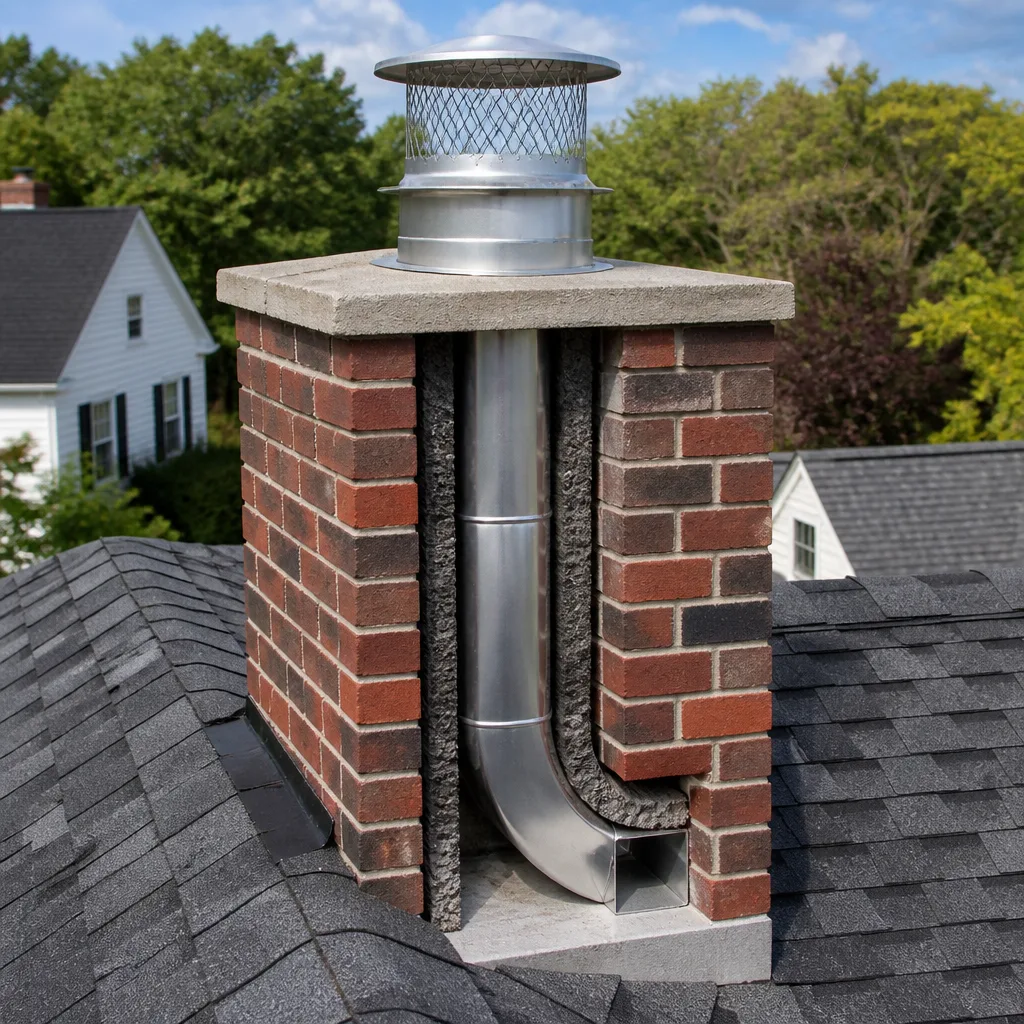
That price includes the liner material, insulation where code and the appliance manual call for it, the top plate and connector, removal of the old liner, installation, and a full camera-scan verification when it’s done. There is no hidden charge for the photo record. Clause 4 of the Haven Standard requires a camera-documented record on every job, and that’s been our practice since 2009. The written scope and written price come before anyone starts. The warranty on the liner work is in writing on the same document. If we bring the competitor’s written estimate in your hand, we’ll show you ours line by line. A Free Second Opinion on any written estimate is always available.
What drives the range in Alexandria specifically: roof pitch on the old colonials in Old Town and Del Ray (a 12/12 roof with a masonry flue at the ridge adds time and equipment), whether the liner is insulated or uninsulated based on the appliance and flue condition, and whether we are pulling out a seized old liner or a newer one that comes out in sections.
DIY or Call Us?
The honest answer is that liner replacement is a call-us job. The dangers are real and specific: you are working on a roof in Alexandria’s rain and seasonal ice, you are lowering steel through a flue that may not be sound, and every joint you make has to hold back combustion gases that can kill you in your sleep. Carbon monoxide doesn’t announce itself. Even the “simple” version involves climbing onto a roof with a liner kit, a drill, and a caulking gun, and the moment something slips, the fall is the least of your problems. The liner has to be exactly the right diameter, alloy, and length. If it’s undersized, gases backdraft into the house. If it’s the wrong alloy, it corrodes. If it’s jointed wrong, the joints fail.
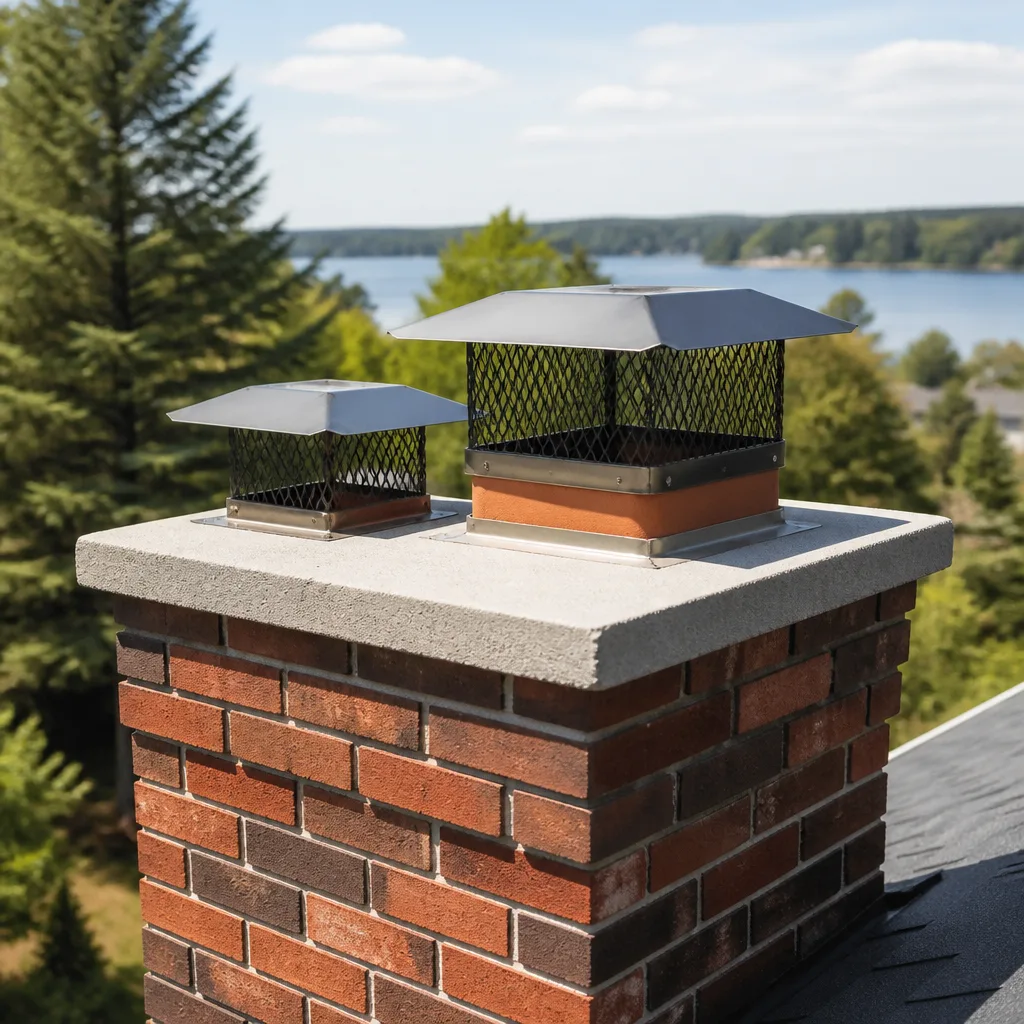
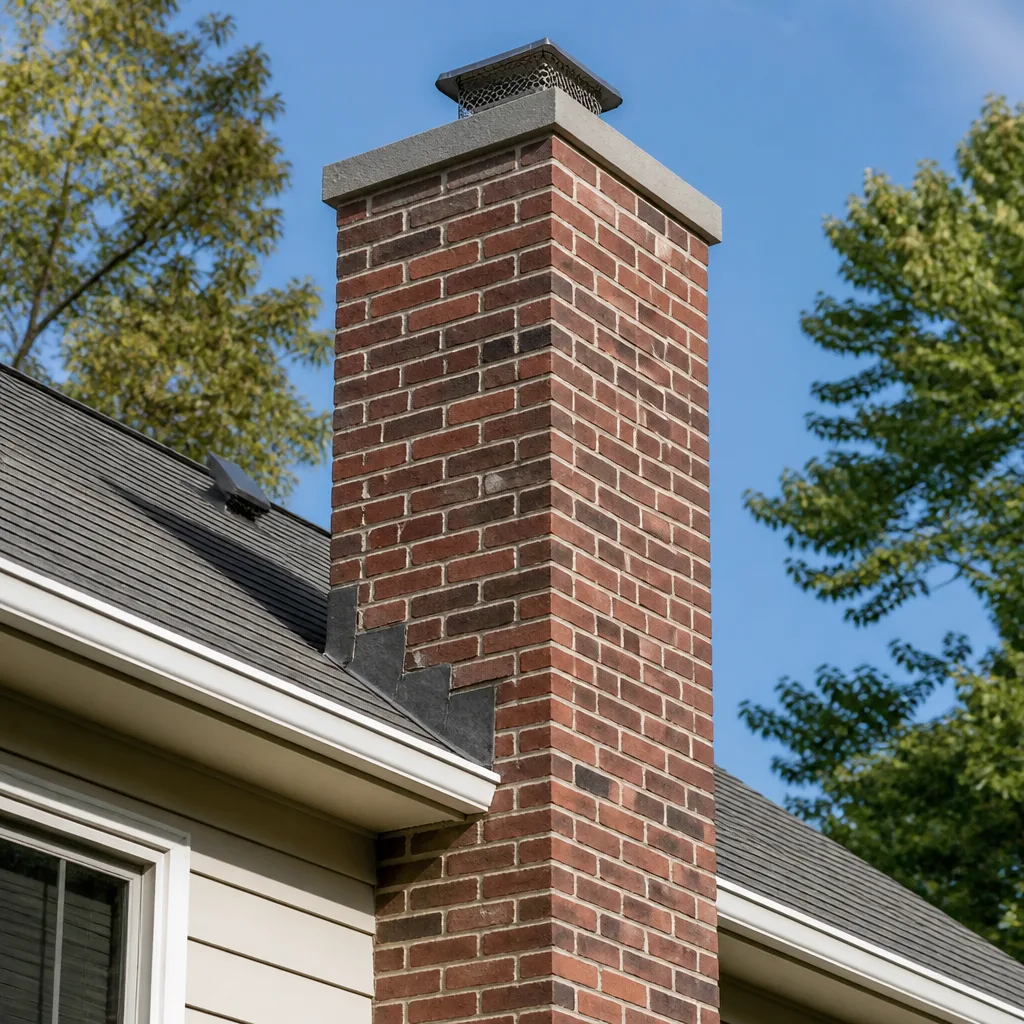
What you can safely do: shine a flashlight up from the firebox and look for metal flakes, check the chimney cap from the ground with binoculars, and note any rust stains. Then call us at (240) 290-6726 and ask for the camera-scan inspection. You’ll watch the footage, we’ll point at what’s there, and if the liner does not need replacing, we’ll tell you that plainly.
FAQs
A 316L stainless flex liner in a wood-burning Alexandria chimney typically lasts 15 to 25 years, but our local freeze-thaw cycles and the humidity coming off the Potomac shorten that for uninsulated liners and liners that run through exterior masonry walls. Gas appliance liners usually last longer, 20 to 30 years, because the exhaust is cooler and less acidic. The single biggest factor in how long your liner lasts is whether it’s insulated and whether the chimney cap and crown are keeping water out. Call (240) 290-6726 if you want us to check what you’ve got and how much life is left in it.
In most cases, no. The points that fail on Olympia flex liners are the seams, the joint behind the appliance adapter, and the first 3 feet above the appliance where heat is most intense. All three of those are structural failures, not surface wear, and they cannot be patched with sealant or tape. When we see a liner with one corroded section and the rest in good shape, we still replace the full run, because the labor is the same and a sectional splice is a future leak point. Where repair does make sense is when the liner itself is fine but the top plate, cap, or crown seal is the problem, and those we price separately and conservatively.
In Alexandria, a standard liner replacement for a single-story flue takes one day, usually 4 to 6 hours for a two-person crew. Two-story flues, difficult roof access in Old Town, and seized old liners can push it into a second day. We’ll write the schedule and the daily scope on the same written estimate, and we’ll tell you before we start if the roof, the weather, or the chase construction is going to change that.
Yes. Our Alexandria trucks carry Olympia flex liner in 4″, 5″, 5.5″, 6″, and 7″ diameters, plus Olympia connectors, top plates, and caps, and equivalent 316L liners from DuraFlex, HeatShield, and Gelco. We keep 8″ liner at our local warehouse and pull it the same day when a job calls for it. The reason we stock multiple brands is practical: for some appliances, a DuraFlex liner with its smooth-wall inner profile is the better fit, and for others the Olympia crimp matches the appliance collar more cleanly. We’ll tell you what we’re putting in and why, and it’s on the written scope before we start.
Written by Corrine Halstead, Owner, Level Two Chimney Alexandria at Level Two Chimney Alexandria, serving Alexandria and nearby areas.