
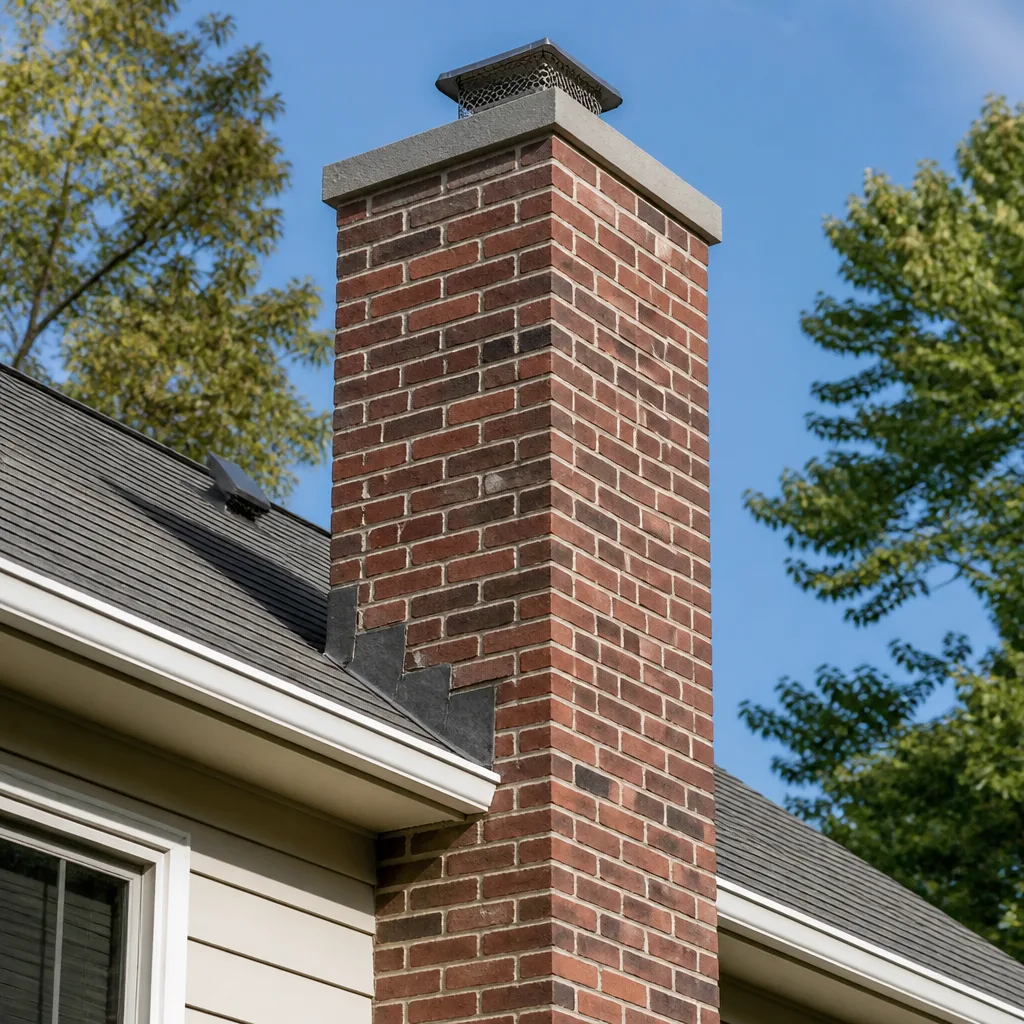
Level 1 sweep and inspection to the NFPA 211 annual standard - flue, crown, cap, and flashing checked and photographed
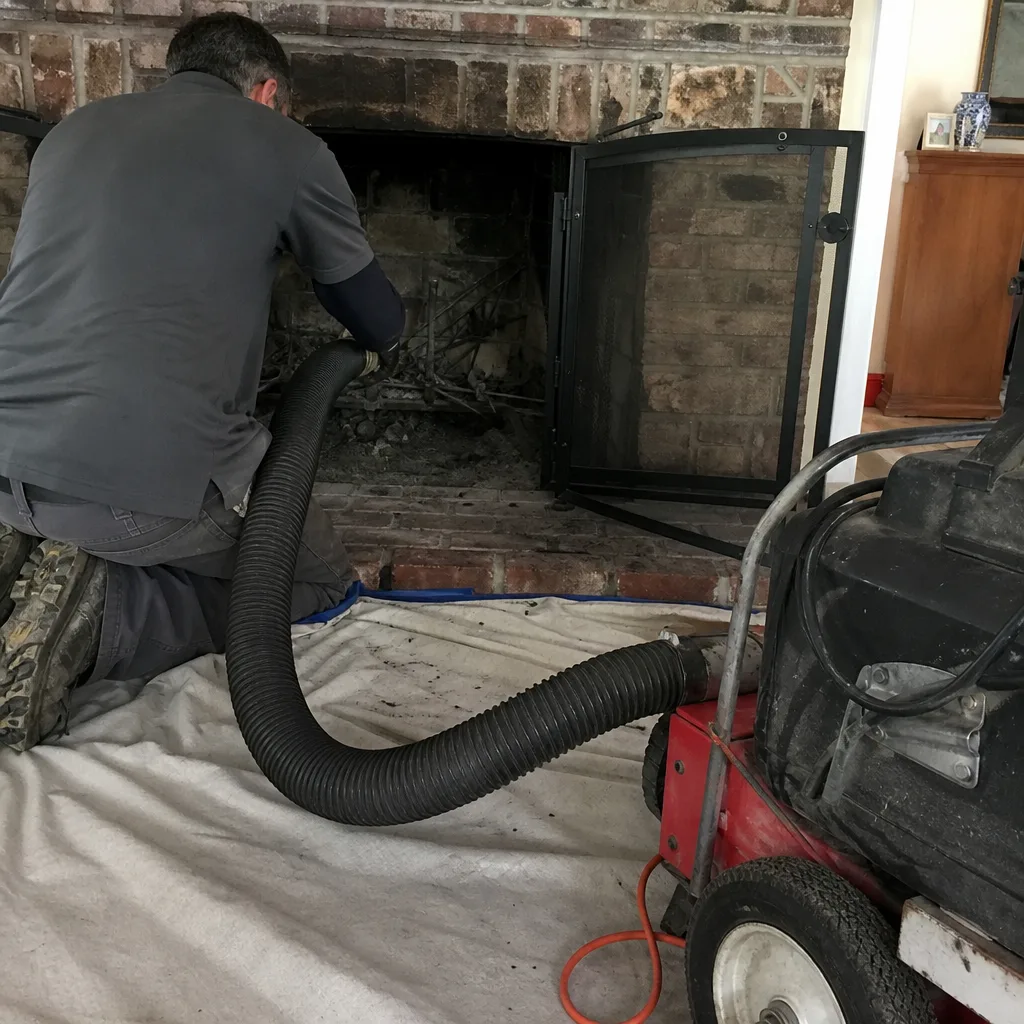
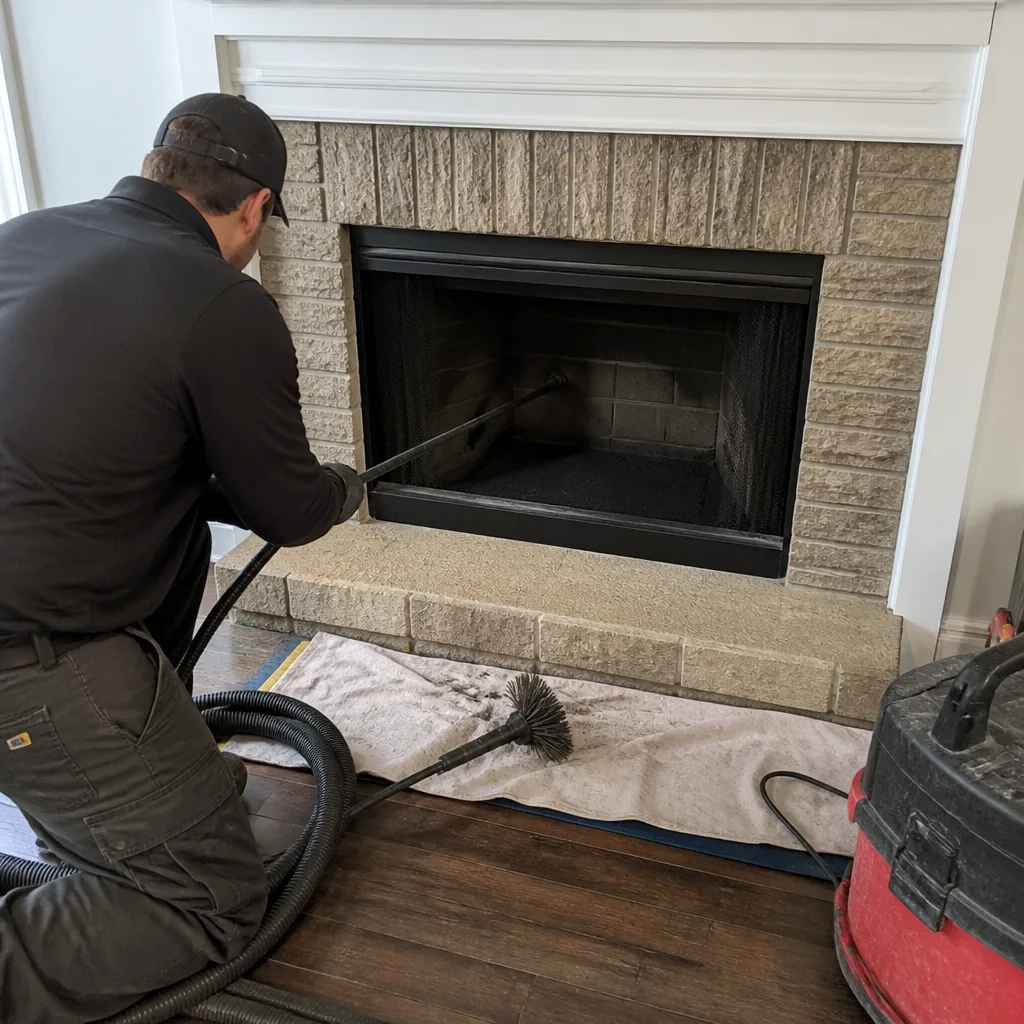
Chimney sweep logs do not sweep chimneys. They loosen some creosote - which then falls where a brush and vacuum still have to collect it.
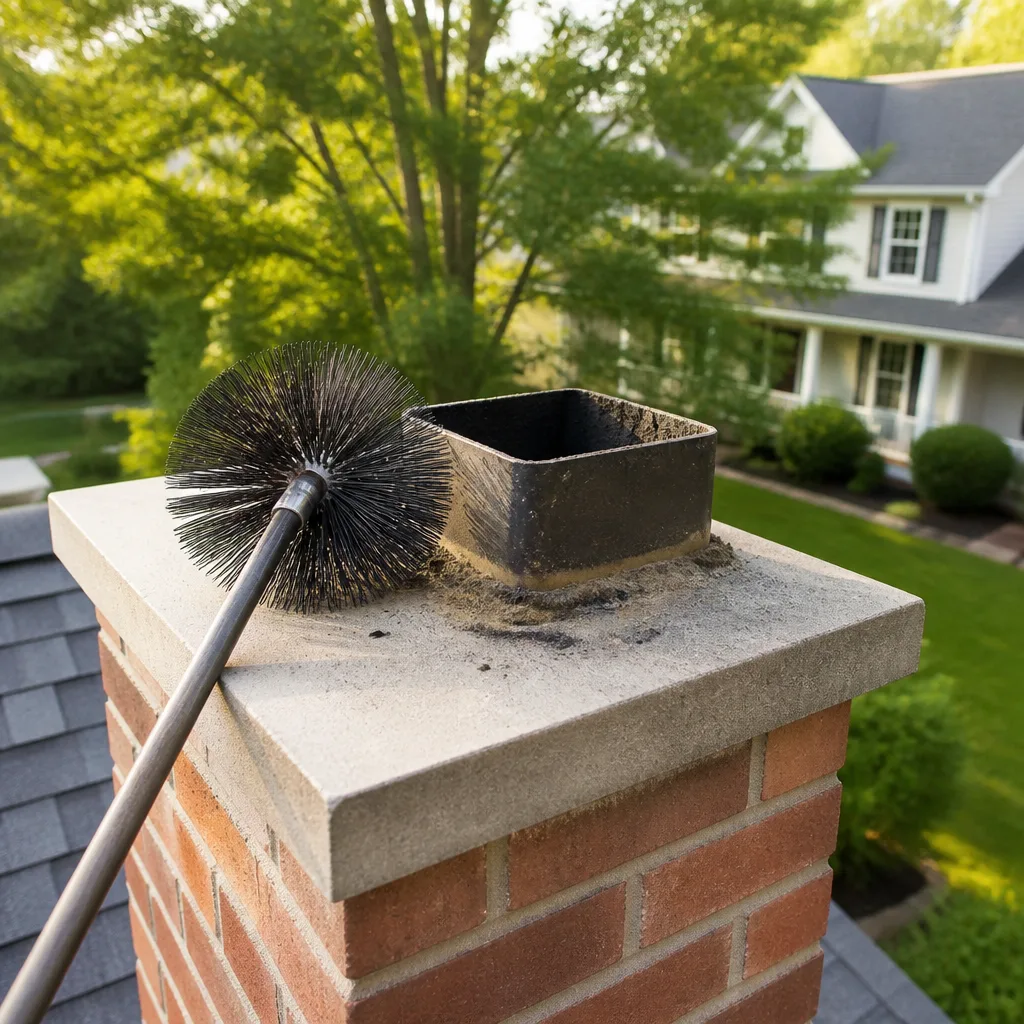
 Before
 After
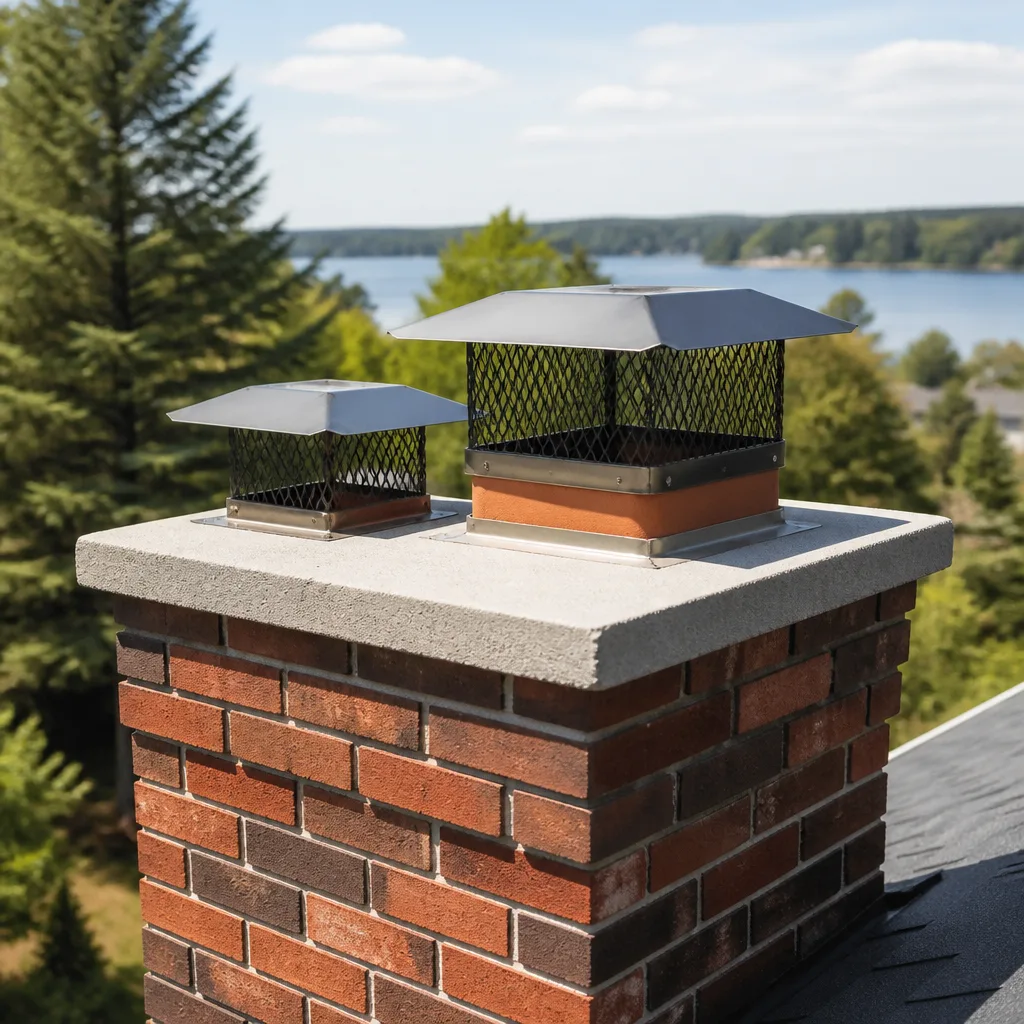
After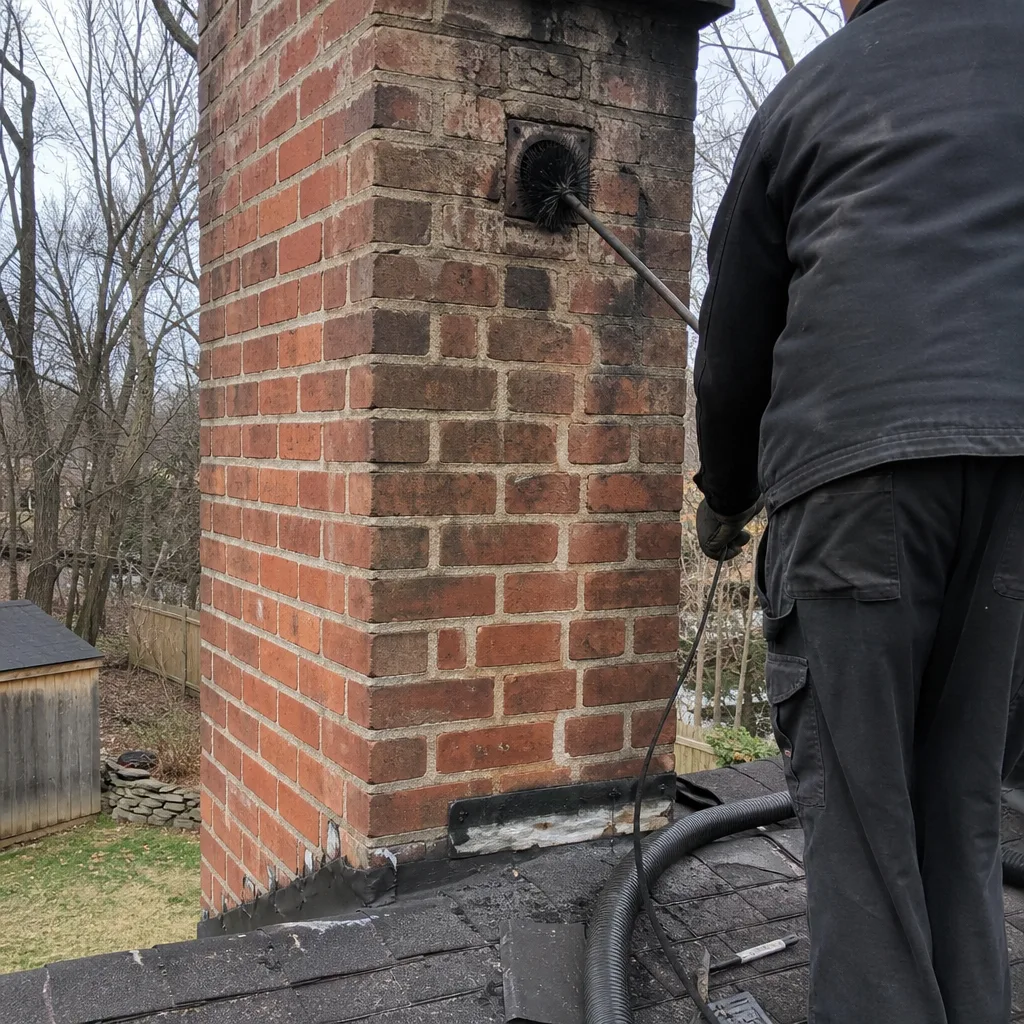 Before
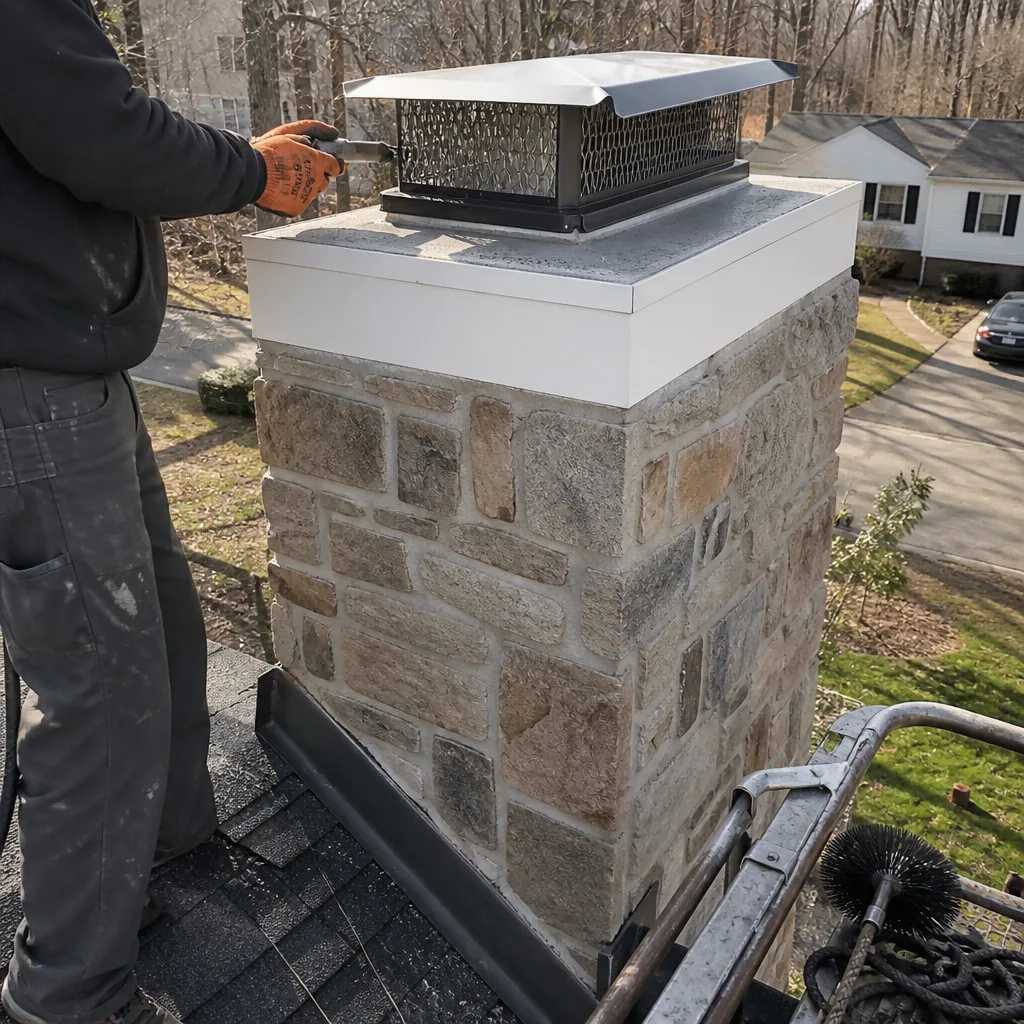 After
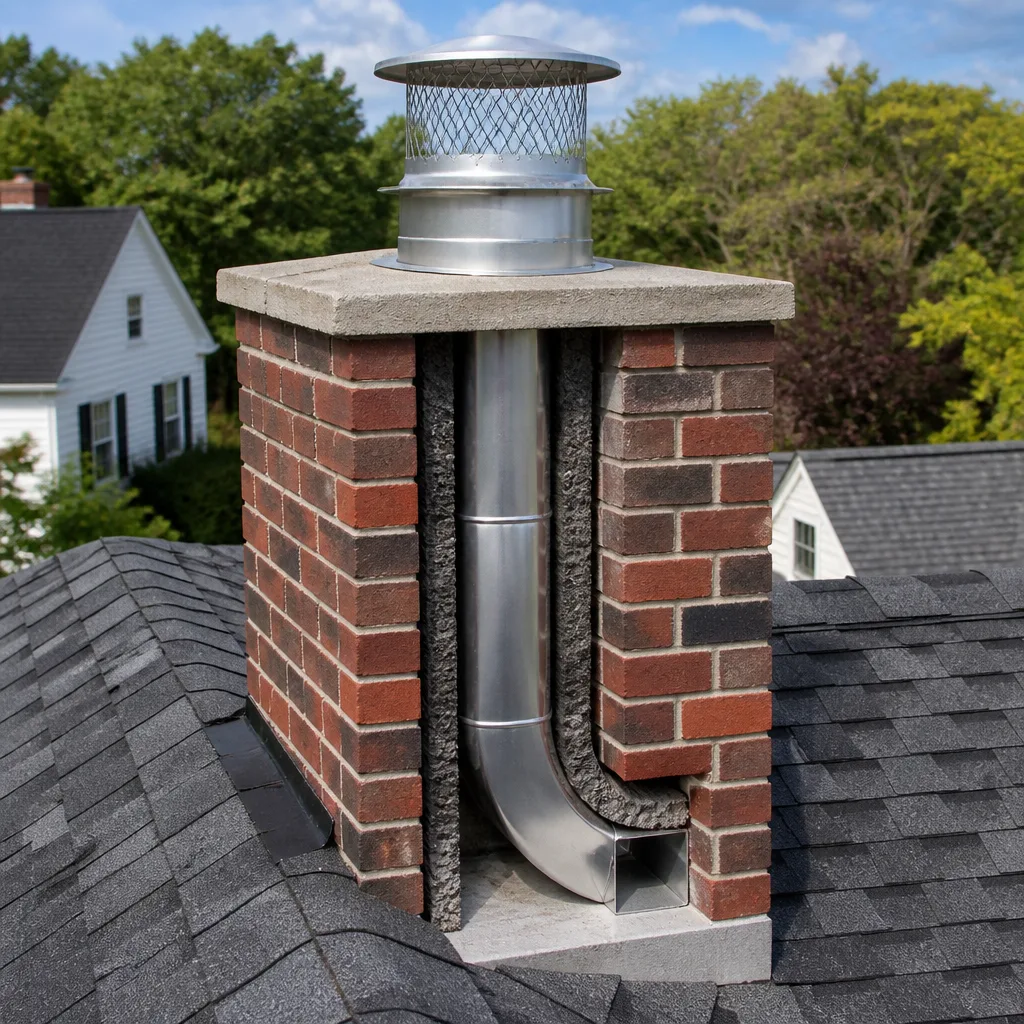
After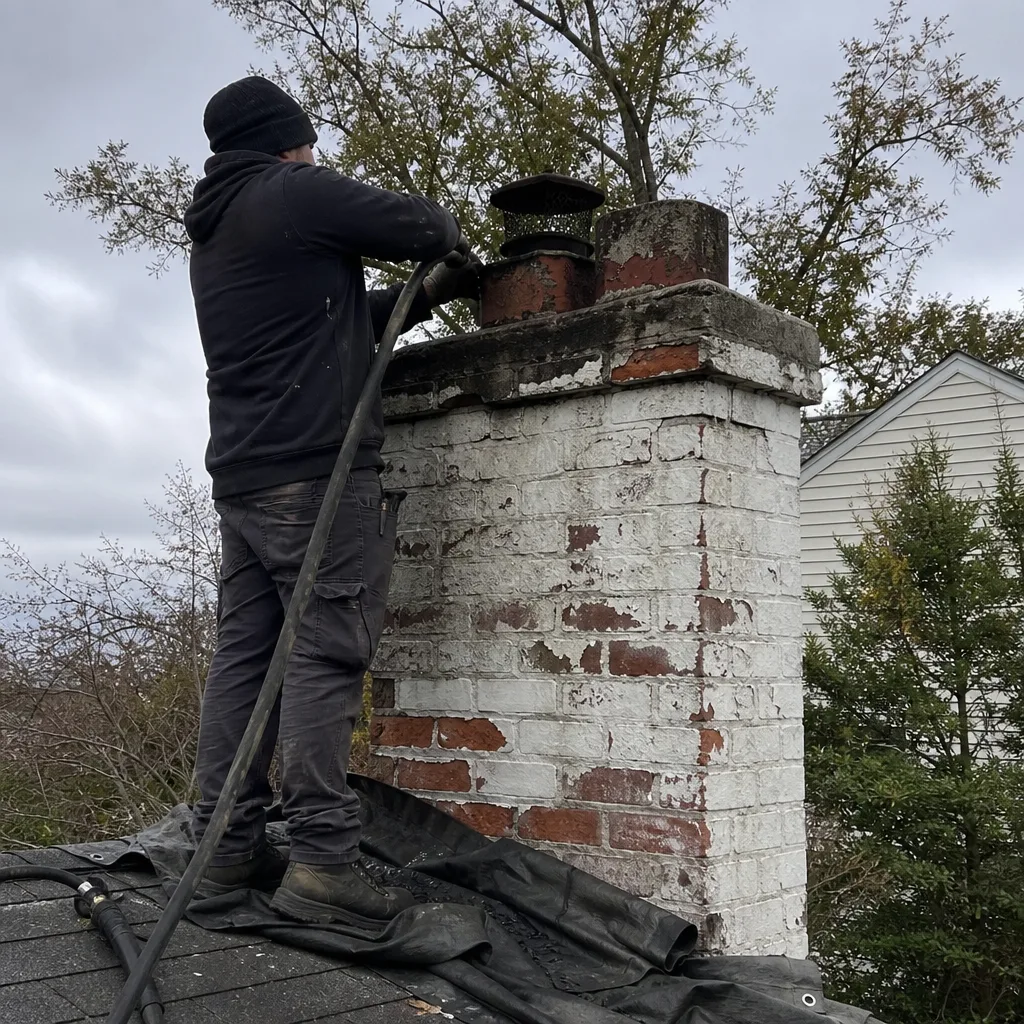 Before
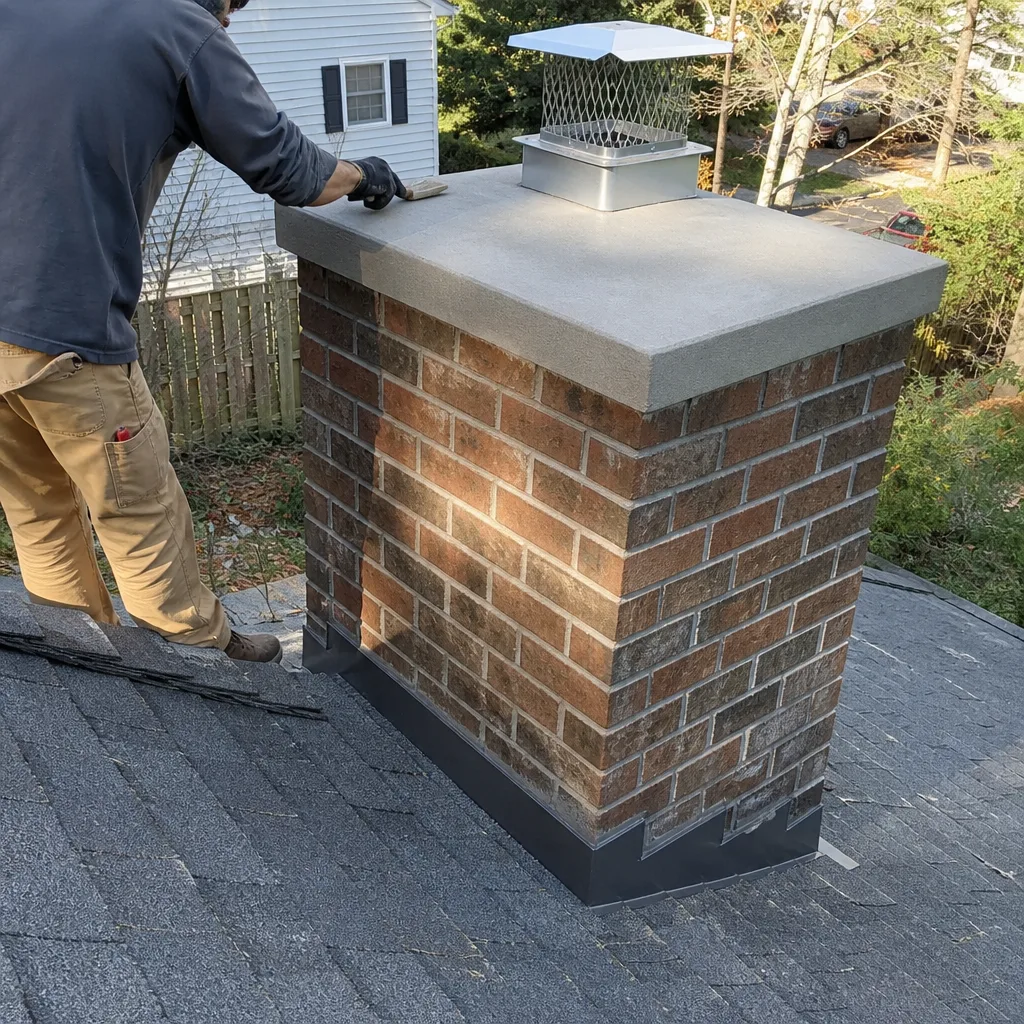 After
AfterFast, Reliable Chimney Cleaning & Sweep Across Rockville
A standard chimney cleaning and sweep in Rockville runs $189-$310 for a single flue with a standard fireplace, and $249-$410 when a second flue (common in mid-century homes here) vents an oil or gas furnace. Nearly every home we service in Rockville gets a camera-scan inspection as part of the visit, because this city’s housing stock has a specific problem: chimneys that look fine from the curb but aren’t. Twinbrook alone, built mostly between 1949 and 1955, still has hundreds of original brick stacks now 65 to 75 years old. We know exactly what’s behind those clay-tile flues. Call (240) 290-6726 and we’ll give you a written price before anyone sets foot inside.
Why Level Two Chimney Alexandria Is Rockville’s Preferred Chimney Cleaning & Sweep Company
Rockville homeowners don’t have to settle for a flashlight look and a vague “you should probably get this fixed.” We made camera-scan documentation the default on every sweep back in 2009, years before insurers or code offices started asking for it. That practice became Clause 4 of the Haven Standard, and it’s now the baseline for every Chimney Cleaning & Sweep visit in Rockville: a video record of the flue interior, photographs of what we found, and a written report you keep.
Our crews work in Rockville weekly, and they know the difference between a 1952 Cape Cod in Twinbrook and a 1970s brick colonial in Fallsmead. That matters. The older the flue, the more careful the brushwork has to be. A 70-year-old clay-tile liner doesn’t get treated like a 15-year-old stainless one, and our techs adjust their approach from the first pass. Corrine Halstead oversees every service standard we operate under, and she’s firm about one thing: nobody in Rockville gets a recommendation without camera evidence to back it. Not ever.
Rockville customers also get a named technician, a text when that person is on the way, and a phone line answered by a live person any hour of the day or night. Those aren’t extras. They’re how the Haven Standard has worked since 2009. We carry a strong reputation across Montgomery County, and we hold it by showing you what we saw, not by telling you what to believe.
Our Chimney Cleaning & Sweep Services in Rockville
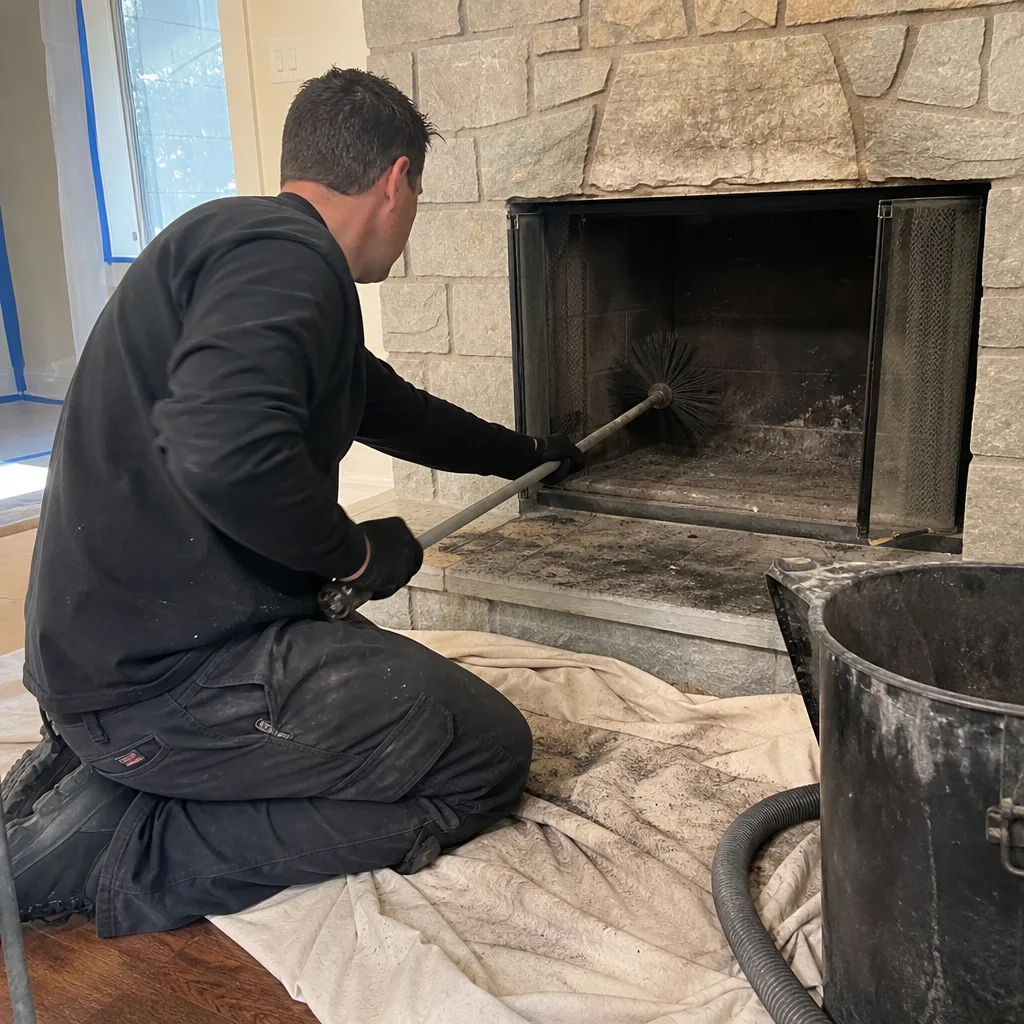
Level 1 Inspection
A Level 1 inspection covers what’s readily accessible: the firebox, the damper, the visible flue interior, and the exterior chimney where it’s safely reachable. For Rockville homeowners who burn wood regularly and keep up with annual sweeps, this is the right scope. We still run a camera down the flue on every Level 1, because “accessible” shouldn’t mean “guessed at.” In Rockville’s freeze-thaw climate, hairline cracks at the crown or the top few feet of a clay tile are easy to miss with a flashlight.
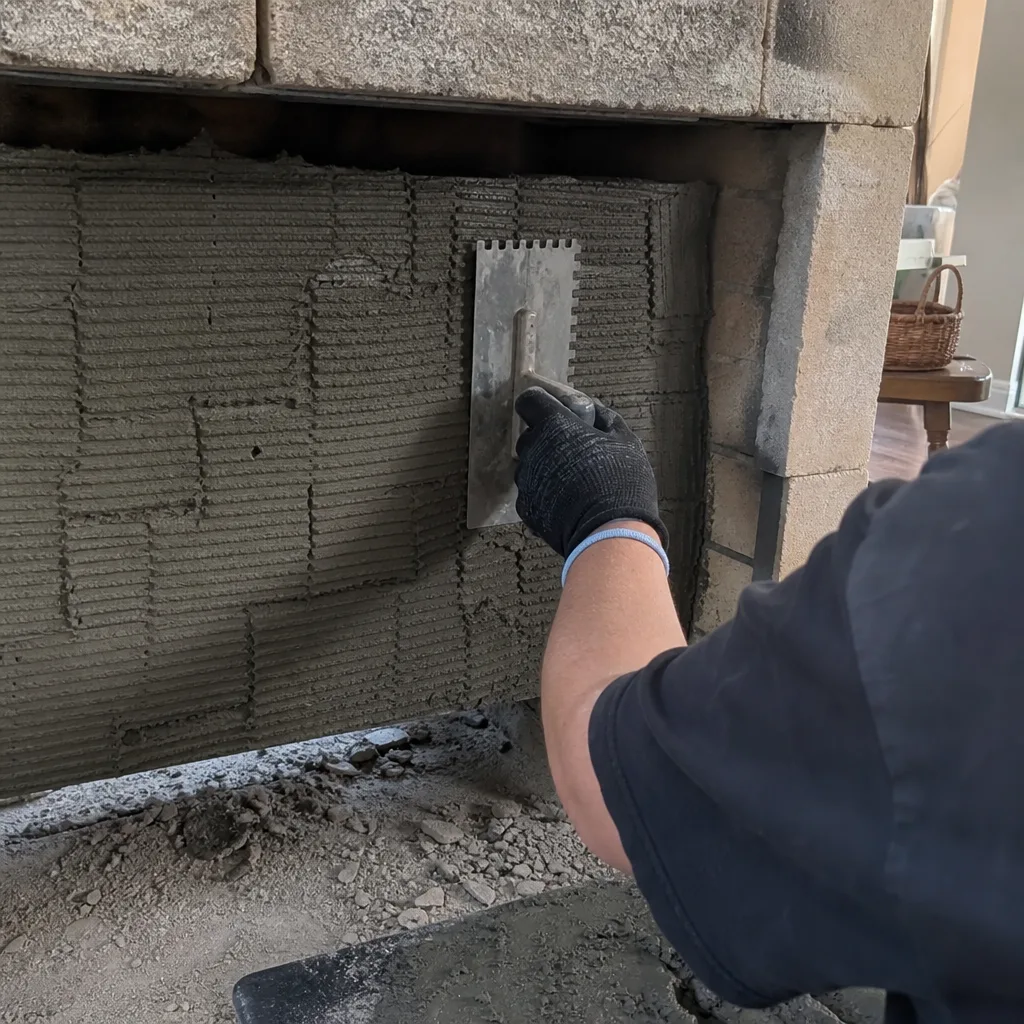
Level 2 Inspection
A Level 2 inspection goes further: accessible attics, crawl spaces, the full flue interior, and the exterior masonry at every visible angle. This is the inspection we recommend most often in Rockville, and the reason is simple. When a home changes hands, when a liner is suspected of damage, or when a chimney has been through 70 Maryland winters, a Level 1 doesn’t answer the questions that matter. On mid-century homes, a Level 2 often finds what a Level 1 cannot: a second flue venting an old furnace, quietly accumulating creosote that nobody has inspected in years. In Twinbrook specifically, we’ve documented more than a few clay-tile liners that were spalling from the top down while the homeowner’s fireplace worked just fine below. The chimney doesn’t care what you can see from the living room.
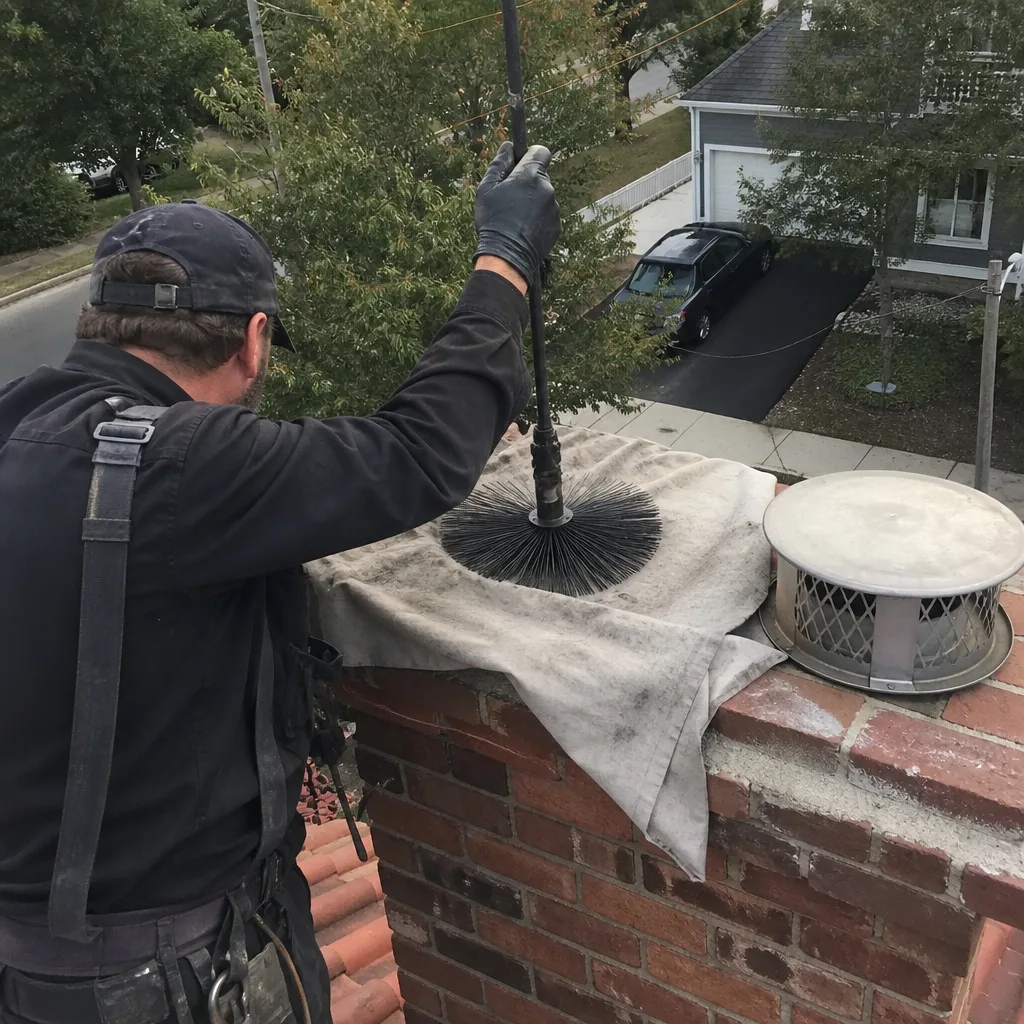
Creosote Removal
Creosote is what burning wood leaves behind, and it comes in three grades. Grade one is a light, dusty film. Grade two is granular and flaky. Grade three is a shiny, hardened glaze that resists even stiff brushes. Rockville homes that burn semi-seasoned wood or burn less than perfectly hot fires tend to accumulate grade two and grade three faster than homeowners expect. Our crews remove it with mechanical brushes sized to your flue, and for glossy grade-three glaze, we often bring a rotary loop before finishing by hand. We’ll show you the camera footage before and after, so you can see what came out and what’s left. On older clay-tile liners, we go slowly. Aggressive brushing on a compromised liner can push broken tile fragments down into the smoke chamber, and that’s a problem nobody needs.
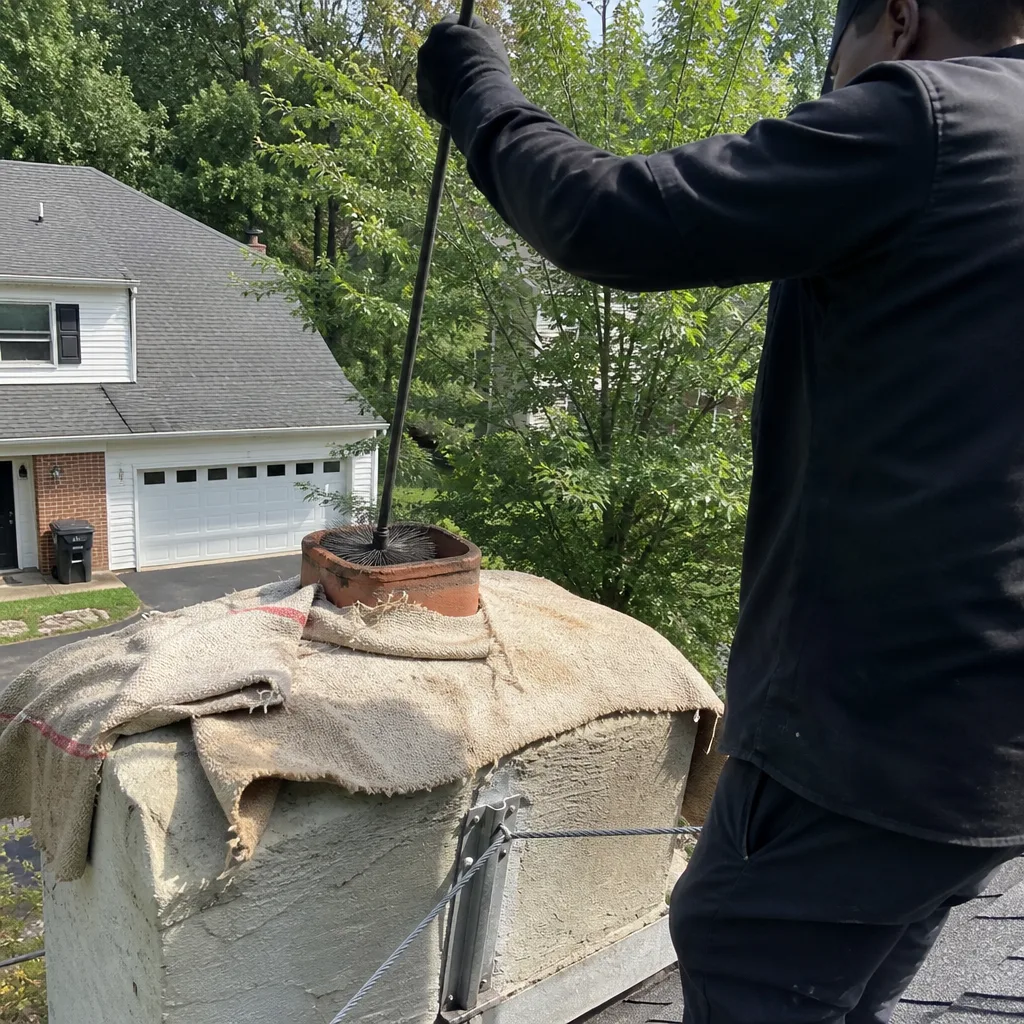
Soot Removal
Soot is the softer, drier byproduct of combustion, and it’s common in Rockville homes with oil or gas furnaces vented through masonry chimneys. Those older systems run cooler than modern high-efficiency units, and the soot they produce can coat the flue walls and narrow the draft. In some Twinbrook Capes, the furnace hasn’t been re-lined since the Eisenhower administration, and the soot has been accumulating for decades. We clean the entire flue, not just the area near the firebox, because a chimney venting a furnace needs a clear draft as much as a fireplace does. In fact, it needs it more.
What happens when you call
- 1
A real person answersNo phone trees - you reach a local pro.
- 2
You get an upfront price rangeHonest numbers before anyone is dispatched.
- 3
A background-checked tech heads outLicensed & insured, dispatched right away.
- 4
You approve before work beginsNothing starts until you say go.
BeforeAfterTrusted Brands We Service in Rockville
We work with materials from HeatShield, Gelco, Olympia Chimney, and Famco, and we’re set up to service and repair most major chimney and liner brands found in Rockville homes. In practice, that means when we find a deteriorated clay-tile liner or a failed chimney cap on a mid-century stack, we’re not sending you to a supply house across town. We source parts through the Haven buying network, specifically to keep customer prices from inflating, and we keep common Rockville repair components on hand. More important than the brand names: whatever goes into your chimney gets documented with photos and a written warranty before you pay a dollar. That’s non-negotiable.
Common Chimney Cleaning & Sweep Problems We See in Rockville Homes
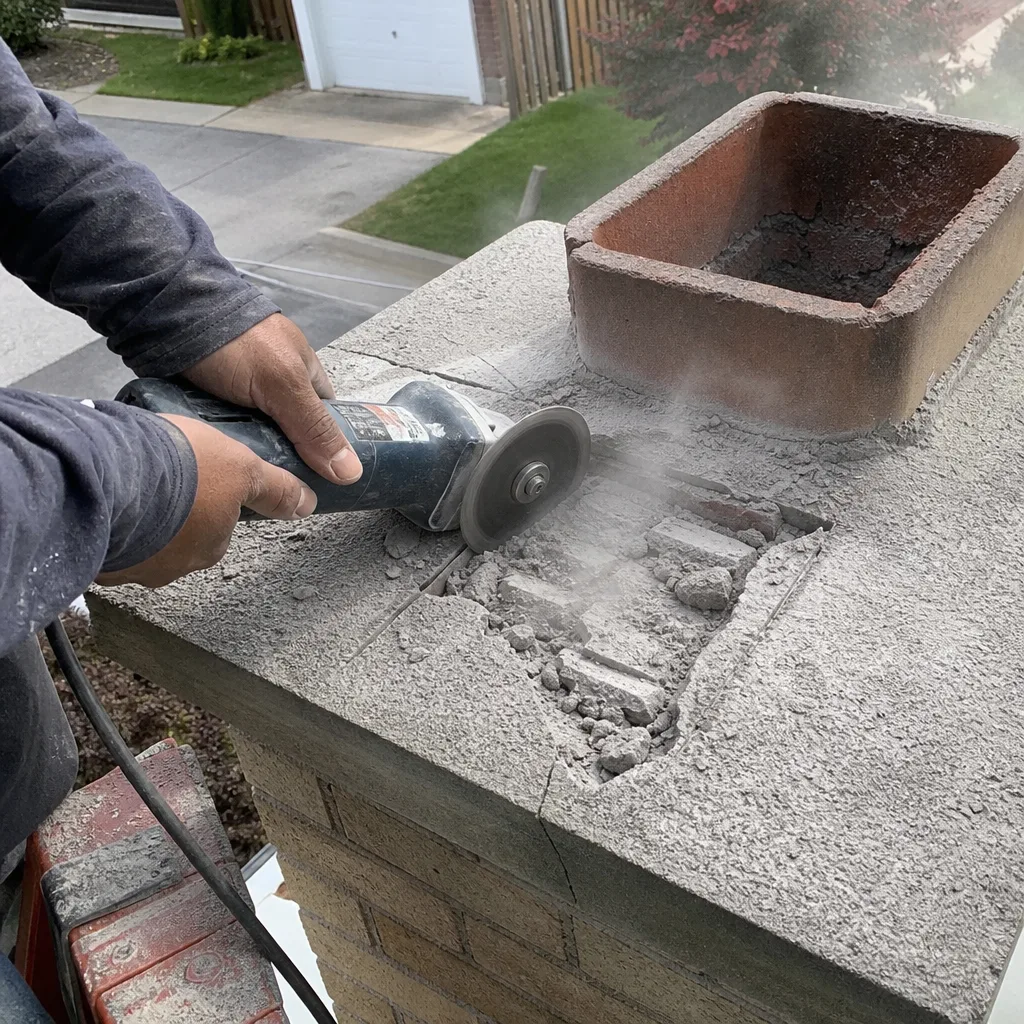
- Cracked crowns hidden by cap shroud or old sealant. Rockville’s freeze-thaw cycles push water into micro-fractures every winter. By the time spalling shows on the brick face, the crown has usually been failing for years. We show you the crack on camera, then tell you whether it’s a repair-now or a monitor-and-seal situation.
- Clay-tile flues with internal spalling. In homes built between 1949 and 1975, the flue tiles weren’t designed to last 70 years. Rockville’s humid summers and cold winters have done their work. A standard sweep can dislodge loose tile fragments and block the draft. We camera-check before we brush, every time.
- Unlined or partially lined furnace flues. Many mid-century Rockville chimneys were built with two flues: one for the fireplace, one for the oil or gas furnace. The furnace flue often gets skipped during routine fireplace cleaning because nobody knows it’s there. We find it, we inspect it, we clean it if it’s safe to clean.
- Grade-three creosote in seldom-cleaned flues. Rockville’s humid summers accelerate creosote condensation in cool flues, and wood that’s burned before it’s fully seasoned adds more. By the time we see a shiny glaze, it’s a fire hazard. We remove what’s mechanically removable, document what isn’t, and give you a clear written assessment.
Pricing for Chimney Cleaning & Sweep in Rockville, MD
A standard annual sweep in Rockville, with a camera-scan inspection and written photo report included, runs $189-$310 for a single flue serving a typical open fireplace. A home with a second flue venting a furnace or water heater typically lands between $249 and $410, depending on flue condition and access. Homes in Twinbrook and other mid-century neighborhoods sometimes come in higher if the clay-tile liner is actively spalling and we need to work slowly enough to avoid damaging it. That’s not a surprise charge. It’s the honest cost of not wrecking a 70-year-old chimney with a hasty brush. Every Rockville job gets a written price, a written scope, and a written warranty before any work starts, per Clause 1 of the Haven Standard. No exceptions. If you have a written estimate from another company, we’ll review it and give you a free second opinion. Call (240) 290-6726 and describe what you’re seeing. We’ll quote you a range on the phone.
We Also Serve Cities Near Rockville
Beyond Rockville, our crews serve homeowners in Bethesda, Silver Spring, Hyattsville, and Bowie. If you’re in one of those communities, or anywhere in between, we bring the same camera-scan standard and the same written-price-before-work rule. Learn more about our full service area at our Chimney Cleaning & Sweep in Rockville page, or just call and ask.
Serving Rockville, MD - Our Local Coverage Area
We’re based in the Rockville area and know this community well. Use the map below to see our service coverage - if you’re nearby, we can almost certainly help.
FAQs - Chimney Cleaning & Sweep in Rockville
Deteriorated clay-tile liners. The flues in Twinbrook’s original post-WWII Capes and ramblers have been through more than 1,500 Montgomery County freeze-thaw cycles, and the interior tiles are often spalled or fractured even when the chimney looks fine from the street. We document what we find with camera footage and photographs, then explain whether the liner is still safe or whether it’s time to have Montgomery County issue a liner permit. Call (240) 290-6726 to schedule a sweep with a camera inspection, and you’ll know what’s actually inside your flue.
You need a camera-scan inspection, which comes standard on every sweep we do in Rockville, whether that’s classified as a Level 1 or Level 2. The Level 2 just means we also inspect attics, crawl spaces, and the full masonry exterior. On a 70-year-old Twinbrook chimney, a Level 2 often catches what a basic sweep misses: a cracked crown, a second flue you didn’t know existed, or spalling liner tiles that standard brushing would dislodge. We’ll tell you upfront if a Level 2 is warranted for your home, and we’ll quote it in writing first.
No. A cleaning never “triggers” a permit. What it can do is reveal that your liner is already failing, which means the permit is eventually necessary whether you know about it or not. On a Cape Cod in Twinbrook, we found third-degree creosote glaze inside a clay-tile flue venting a 1960s oil furnace. The homeowner thought the shiny deposit on the firebox wall was normal. The camera showed the tar-like glaze and a cracked crown, and now that homeowner is working with Montgomery County on a liner permit. The sweep didn’t create the problem. It found it before it became a chimney fire.
Mostly, but not always completely. Grade-three creosote glaze resists standard wire brushes, and on older clay-tile liners, aggressive brushing can do more harm than good. We use a rotary loop on the hardened deposits, then finish by hand, and we document what’s left with camera footage. If a section of glaze can’t be safely removed without damaging the liner, we’ll tell you that plainly and give you options. The goal isn’t a perfect mirror finish. It’s a flue that’s safe to burn in, and you’ll be able to see the difference on camera.
They’re the primary reason crowns fail here. Water seeps into small cracks, freezes and expands in the winter, and widens those cracks over time. After enough cycles, the crown spalls and the brick face starts to shed. Rockville gets 30 or more freeze-thaw cycles a year, and a 65-year-old crown has been through nearly 2,000 of them. The flashing at the roofline takes similar punishment. We check both on every annual visit, and we document what we see. If it’s not urgent, we’ll tell you it can wait. If it is, you’ll have the photos to prove it.
Written by Corrine Halstead, Owner at Level Two Chimney Alexandria, serving Rockville with camera-documented chimney inspections and cleanings under the Haven Standard.